
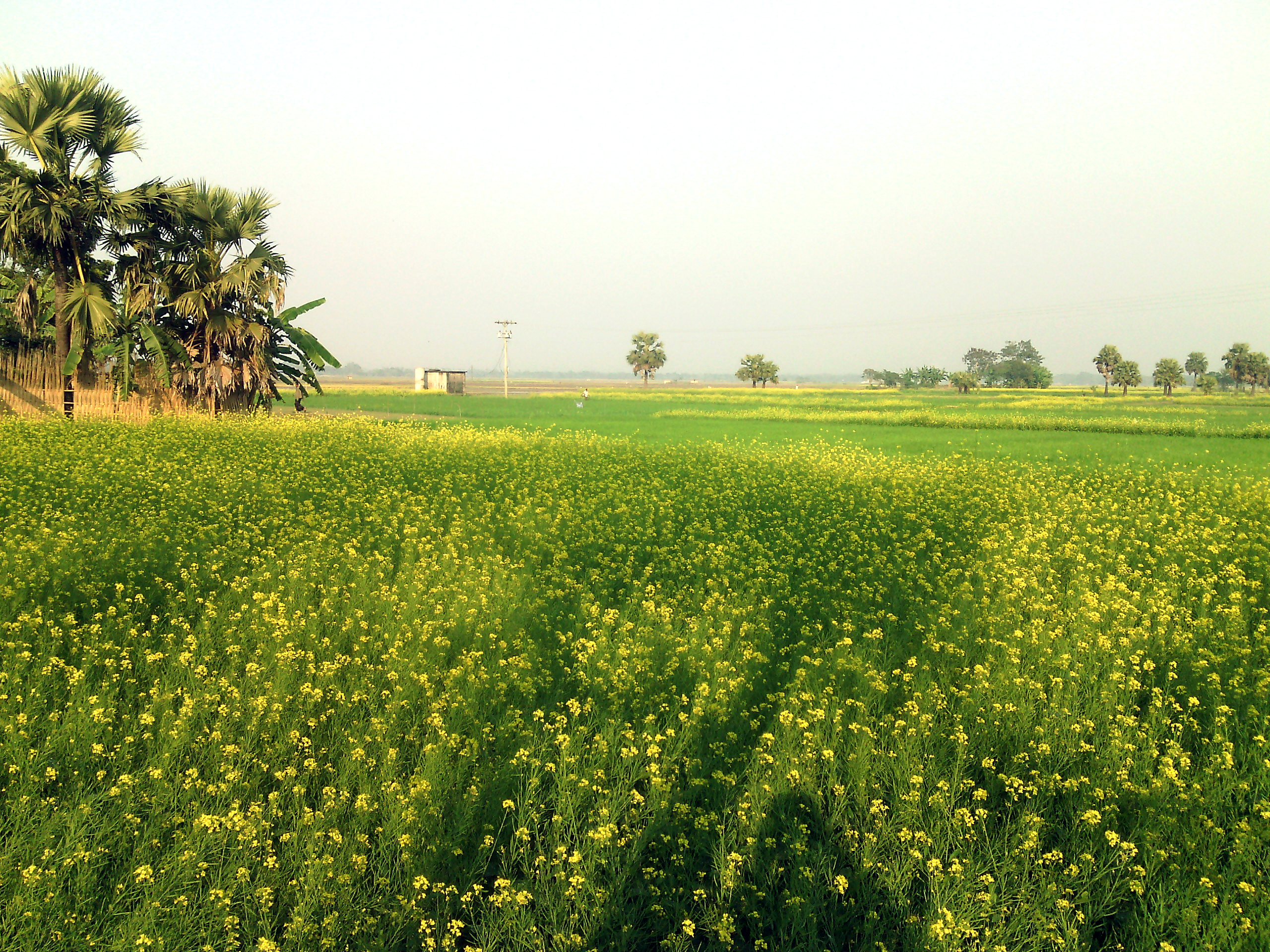
In the 2025-26 rabi season, Md Tamjid Hossain, a farmer from Bejra village in Nohata union of Mohammadpur upazila, Magura, grew Vietnamese mustard and quinoa in the Panighata agricultural block. Jagonews24 reported on 7 March 2026 that this was the first time either crop had been grown in the upazila, and that the "bumper yield" in his fields had caught the interest of local farmers. The local agriculture office had advised and supported him from the start.
Seed bought online, mustard on 15 decimals
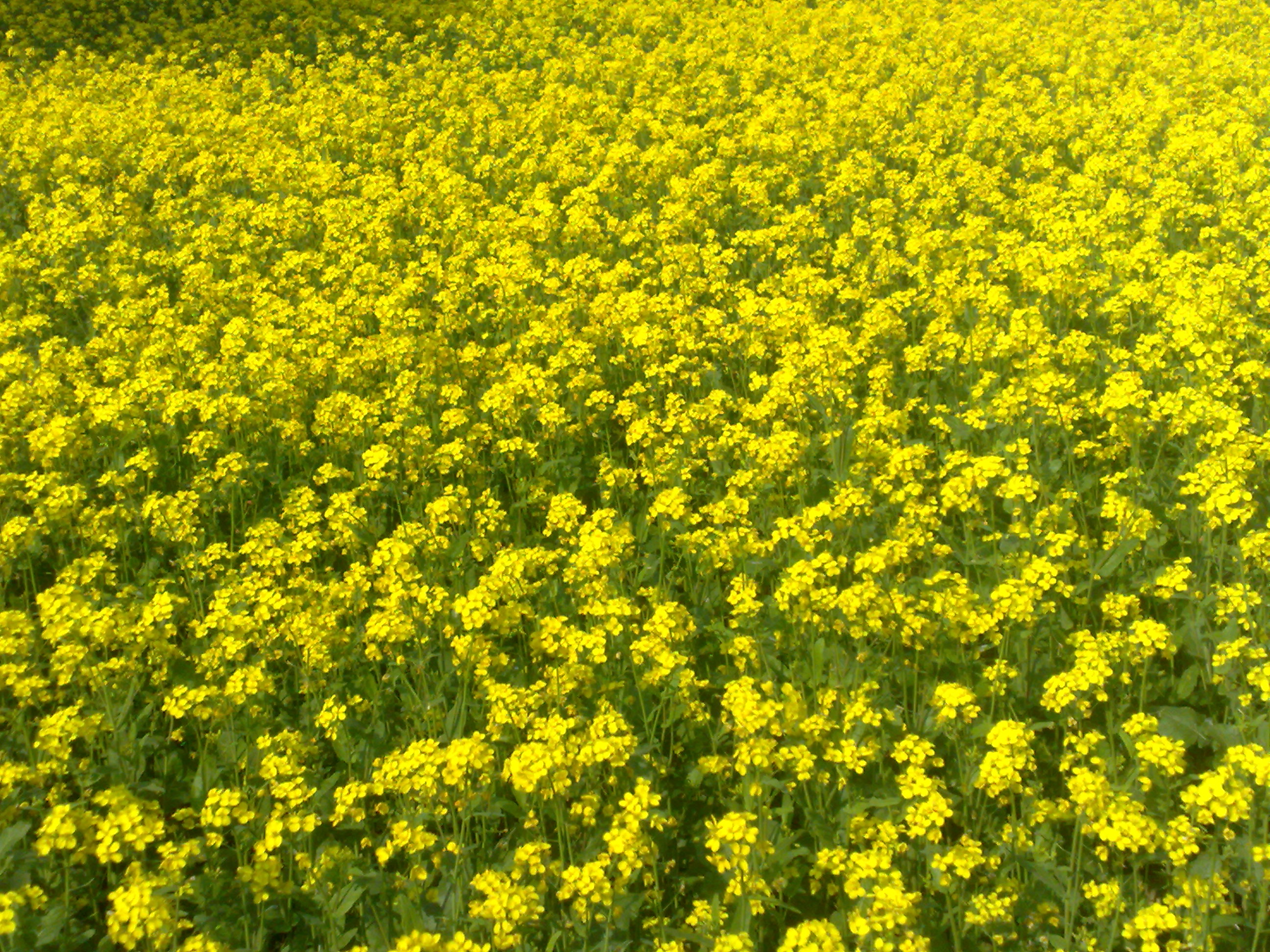
Tamjid Hossain said his interest in modern farming led him to read about Vietnamese mustard on the internet, and he bought the seed online. With advice from the agriculture office he sowed it on 15 decimals of land. "The yield of Vietnamese mustard is much better than ordinary varieties. I hope to get 5 maunds of mustard from just 15 decimals of land," he said. The report gives that figure as the farmer's expectation; the claims that the variety yields more and matures sooner than ordinary mustard are also attributed to local people, and the report does not name it as a variety released by any research institute.
Mustard is Bangladesh's main oilseed crop. According to the Oilseeds and Products Annual report of the US Department of Agriculture's Foreign Agricultural Service, published in March 2025, Bangladeshi farmers call both rapeseed and mustard "mustard", and BARI, BINA and the agricultural universities have released more than 20 varieties. It needs cool weather and is grown in the rabi season, from November to March, with an average national yield of about 1.3 tonnes per hectare. The same report says domestically produced oilseeds meet about 15 percent of the country's edible oil needs, with the rest imported, which is why the Ministry of Agriculture and the Department of Agricultural Extension (DAE) have been working to expand mustard growing.
Quinoa on about 13 decimals
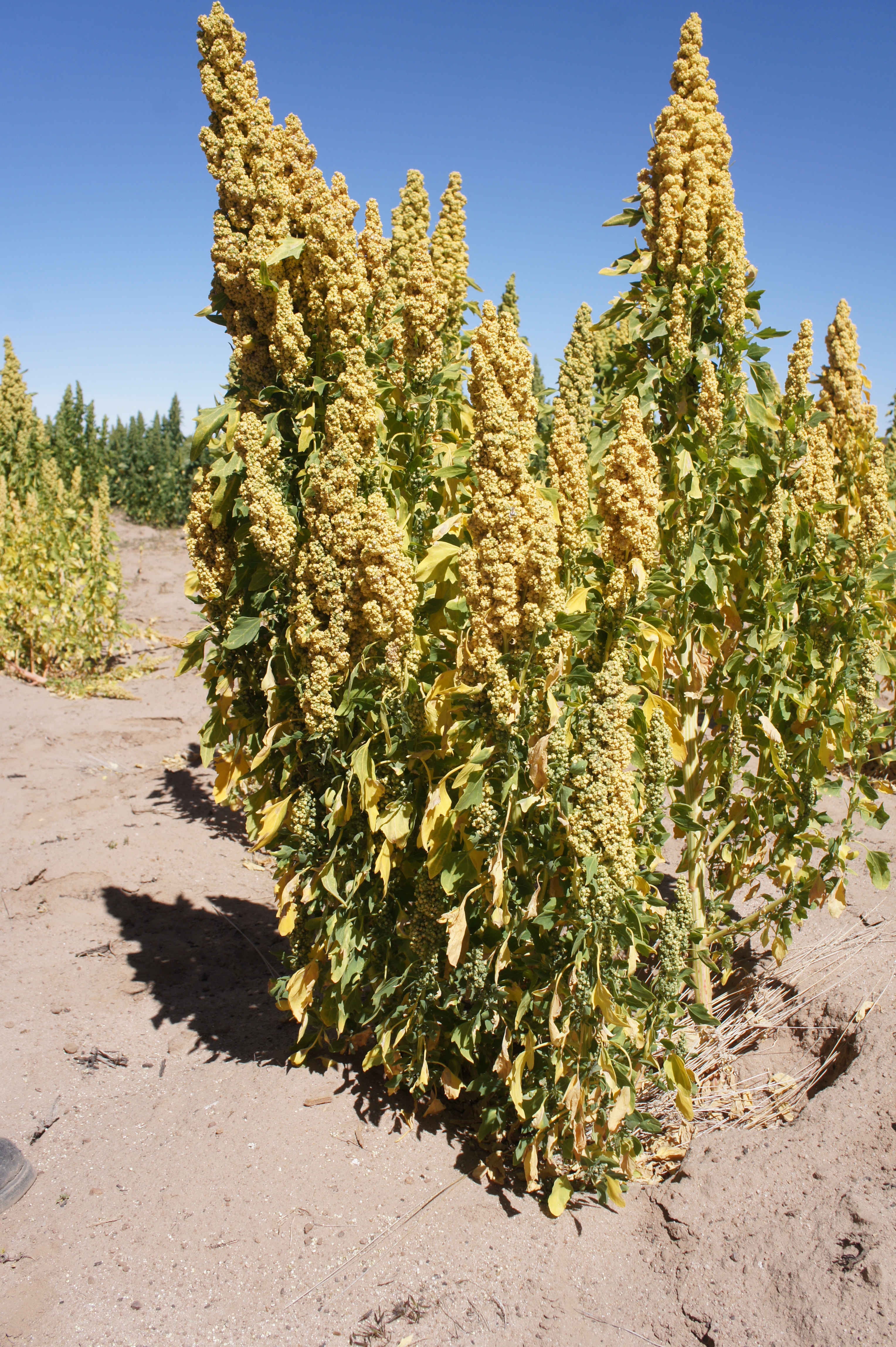
Alongside the mustard, Tamjid grew quinoa on about 13 decimals. The report described it as a high-value foreign crop promoted around the world as a "superfood", and said the farmer was pleased to see it grow well at low cost and with little labour.
Quinoa comes from the Andes of South America. Harvard T.H. Chan School of Public Health's The Nutrition Source says it has been cultivated for about 5,000 years in Bolivia, Ecuador, Chile and Peru. It is not a true cereal but a relative of spinach and amaranth grown for its edible seeds, and the UN General Assembly declared 2013 the International Year of Quinoa. In Bangladesh, The Daily Star reported in 2021 that the Ministry of Agriculture approved quinoa cultivation in September 2020, after five years of research by Prof Parimal Kanti Biswas of the agronomy department at Sher-e-Bangla Agricultural University. Pilot plots were then sown in Lalmonirhat, Kurigram and Patuakhali; the crop is sown in mid-November and harvested from the first week to the middle of March, and the paper reported it can be grown on drought-prone and saline soils.
Nutrition and the agriculture office's view
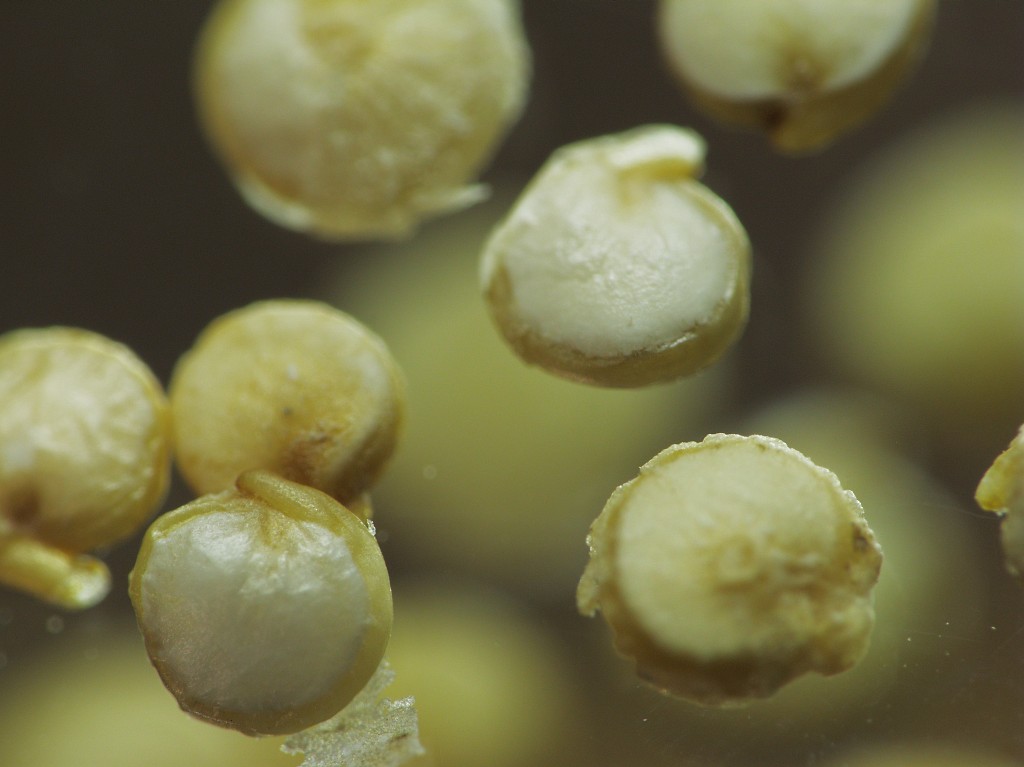
The report said quinoa's high protein, fibre and amino acid content gives it a high market value. According to Harvard's Nutrition Source, quinoa is a complete protein, containing all nine essential amino acids the body cannot make on its own, and one cup of cooked quinoa provides about 8 grams of protein and 5 grams of fibre. The seeds carry a bitter coating of saponins, which is removed by processing after harvest.
Md Emlachur Zaman, sub-assistant agriculture officer for Panighata block, called Tamjid Hossain an enterprising farmer. "We have been giving Tamjid Hossain regular advice and support. He has profited from growing the rabi season crops," he said. According to the report, other farmers in the area were becoming interested in the crops after seeing his results. Farmers thinking of trying a new crop should first consult their upazila agriculture office about seed and growing methods.
Photo: Belayet2014 / Wikimedia Commons (CC BY-SA 3.0)
Sources: Jagonews24, US Department of Agriculture Foreign Agricultural Service (Oilseeds and Products Annual, March 2025), The Daily Star, Dhaka Tribune, Harvard T.H. Chan School of Public Health (The Nutrition Source), Wikipedia
Comments
(0)