
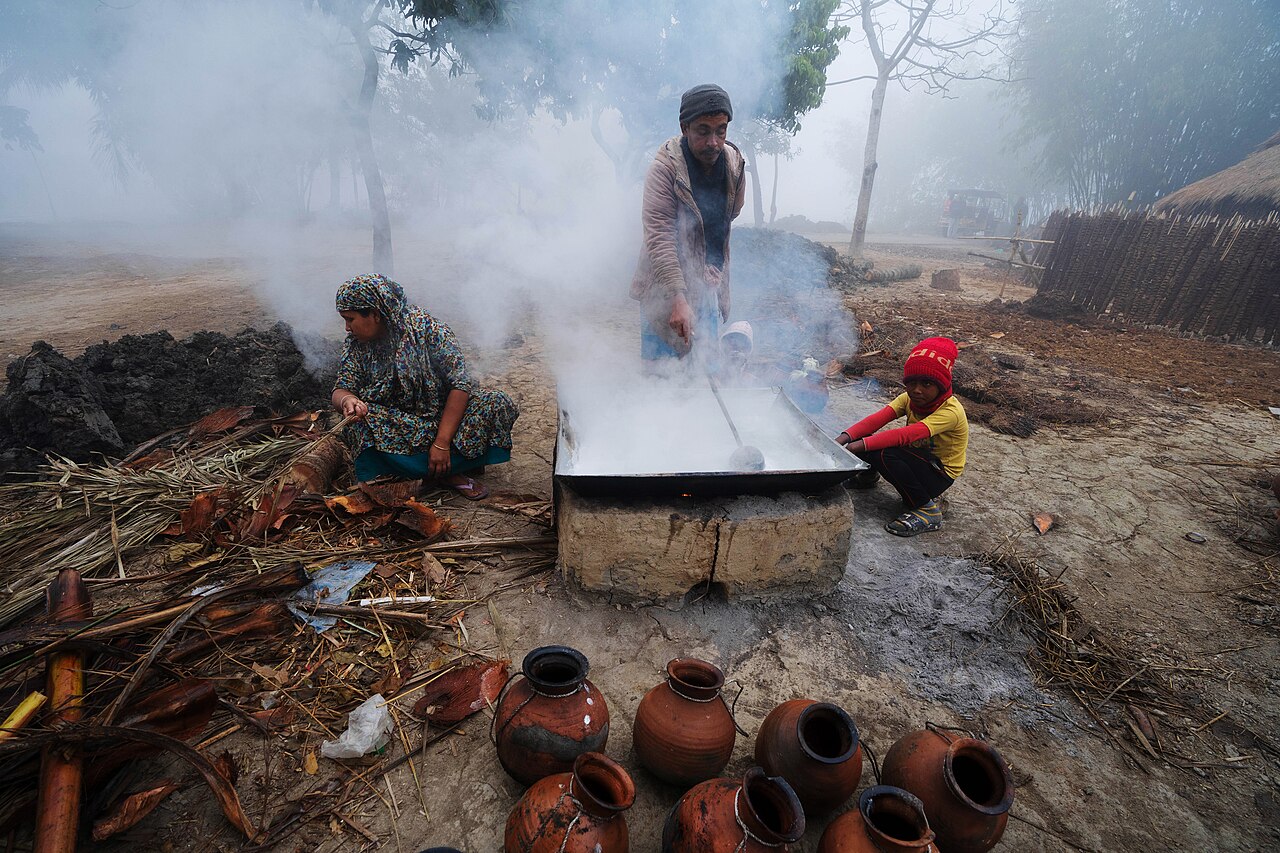
With winter on the way, Magura's gachhis, the men who tap date palms, are busy cleaning the trees, trimming fronds and scraping the trunks ready for the sap season. Collection and jaggery making will be in full swing once the cold sets in.
Magura has long been known for its date palm sap and patali jaggery, which go into the winter pitha cakes of the region.
Daud Mia of Borobil has made his living from sap and jaggery for about 20 years. He said there are fewer palms to tap now while fuel and other costs have risen, making it hard to support his family of seven. Better equipment, he said, would make the work easier.
Retired teacher Manju Sheikh said the palms are disappearing because brick kilns burn them as fuel. Collectors once sold sap from village to village on winter mornings, and many people still earn a living making and selling jaggery.
Local people say protecting the palms and helping the collectors with their work would keep the trade alive and support the rural economy.
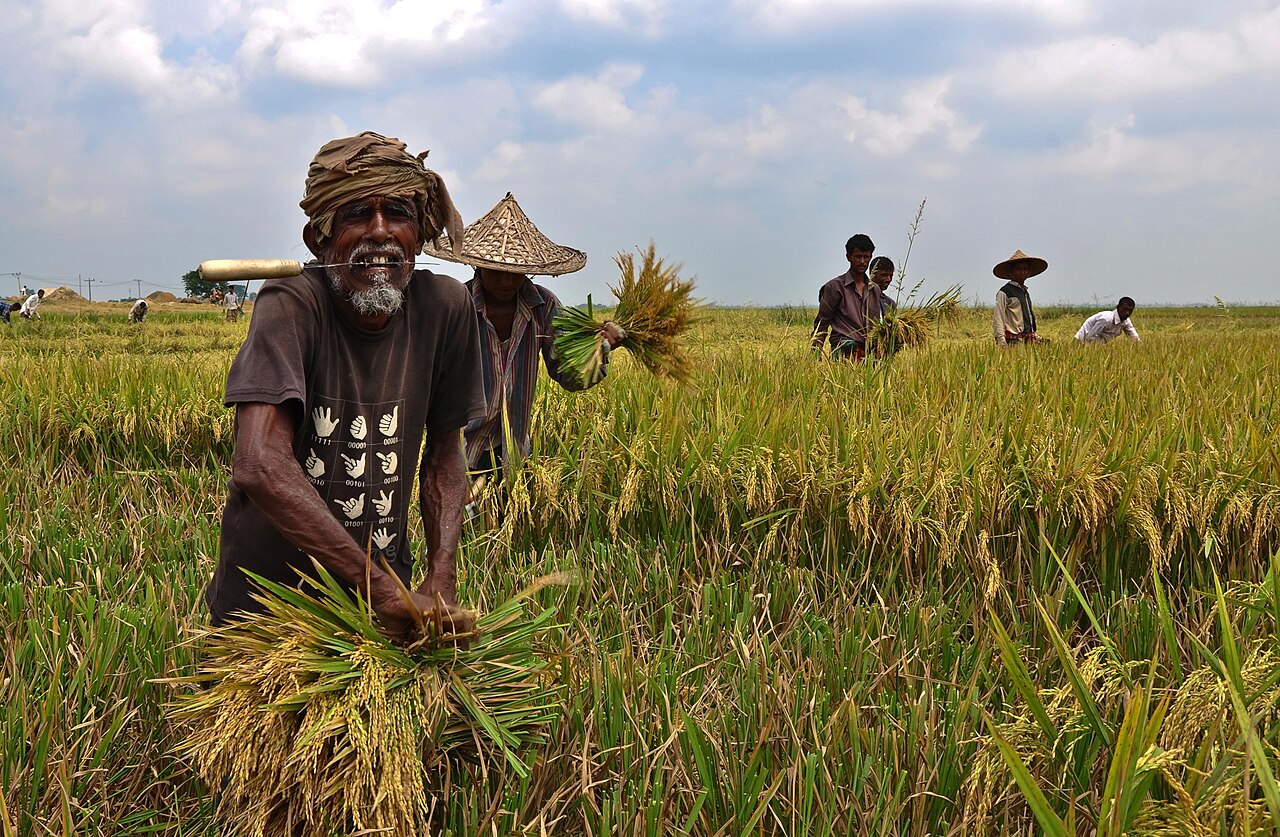
Photo: Collecting date palm sap in Bangladesh, Azaman666 / Wikimedia Commons (CC BY-SA 4.0)
Source: Agricare24
Comments
(0)