
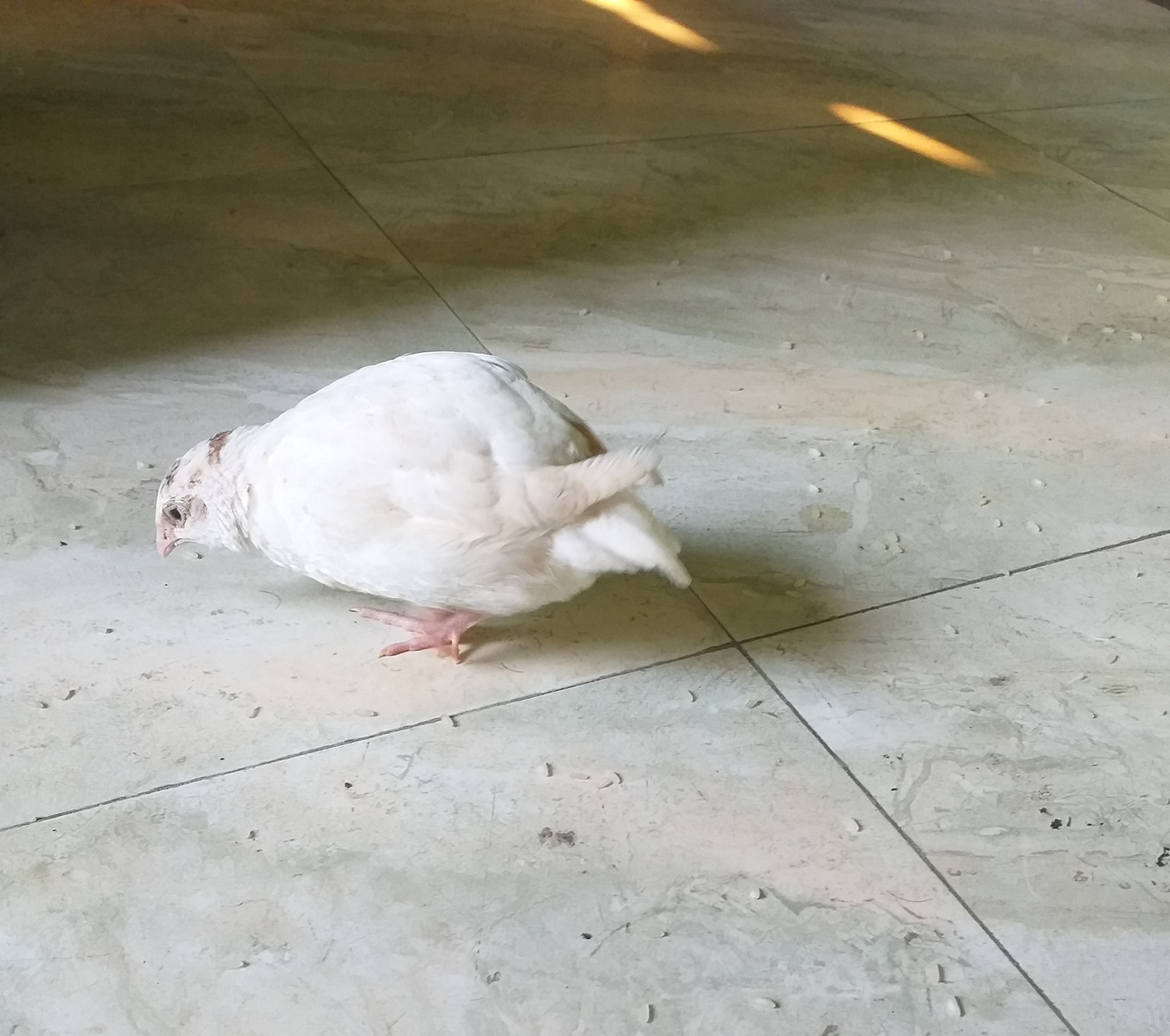
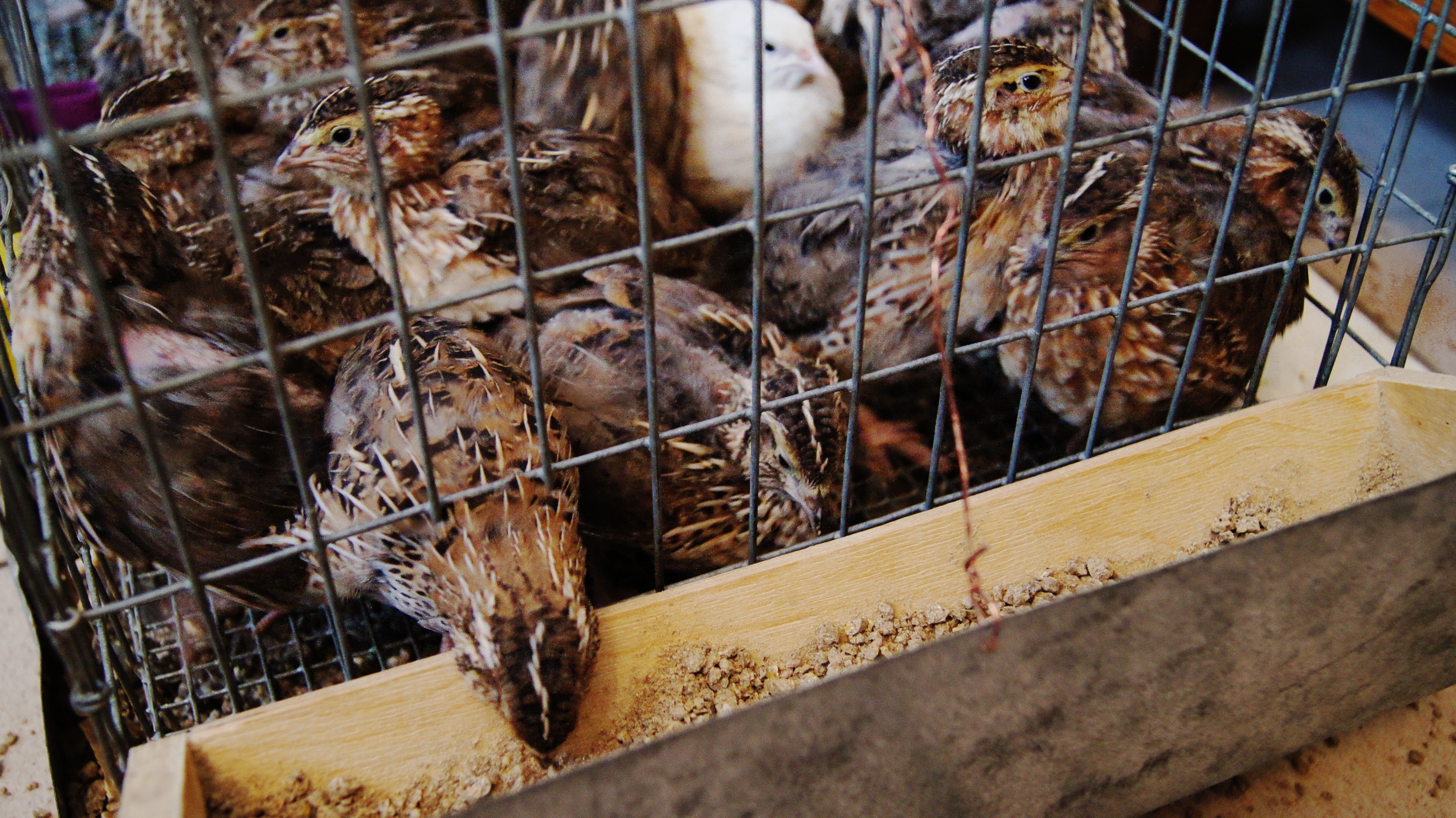
Rezaul Islam Montu has become self-reliant by running a quail farm in Naliardangi village of Magura Sadar upazila. As Jagonews24's Magura correspondent reported in September 2020, eggs from the farm met local demand and also went to Dhaka and other parts of the country. Because quail meat is tasty and nutritious, he was also selling a thousand pairs of quail chicks every month. Lack of money, however, kept him from expanding the farm.
Magura Sadar is an upazila of Magura District in Khulna Division, covering 401.58 square kilometres, with its headquarters in Magura town.
From poultry losses to quail
Montu told Jagonews24 that he first went into poultry and layer farming in 1996 but lost money. In 2001 he took training from Youth Development and then, as a hobby, made a fresh start with quail. He has kept the business going ever since. With its earnings he has bought a house and land, and even a tractor for farming. Montu and his two brothers have changed their fortunes by working on the farm.
The government's Department of Youth Development was set up in 1978 under the then Ministry of Youth Development, later renamed the Ministry of Youth and Sports. It runs training programmes for young people across Bangladesh, where the ministry defines youth as anyone aged 18 to 35.
Egg buyers and village jobs
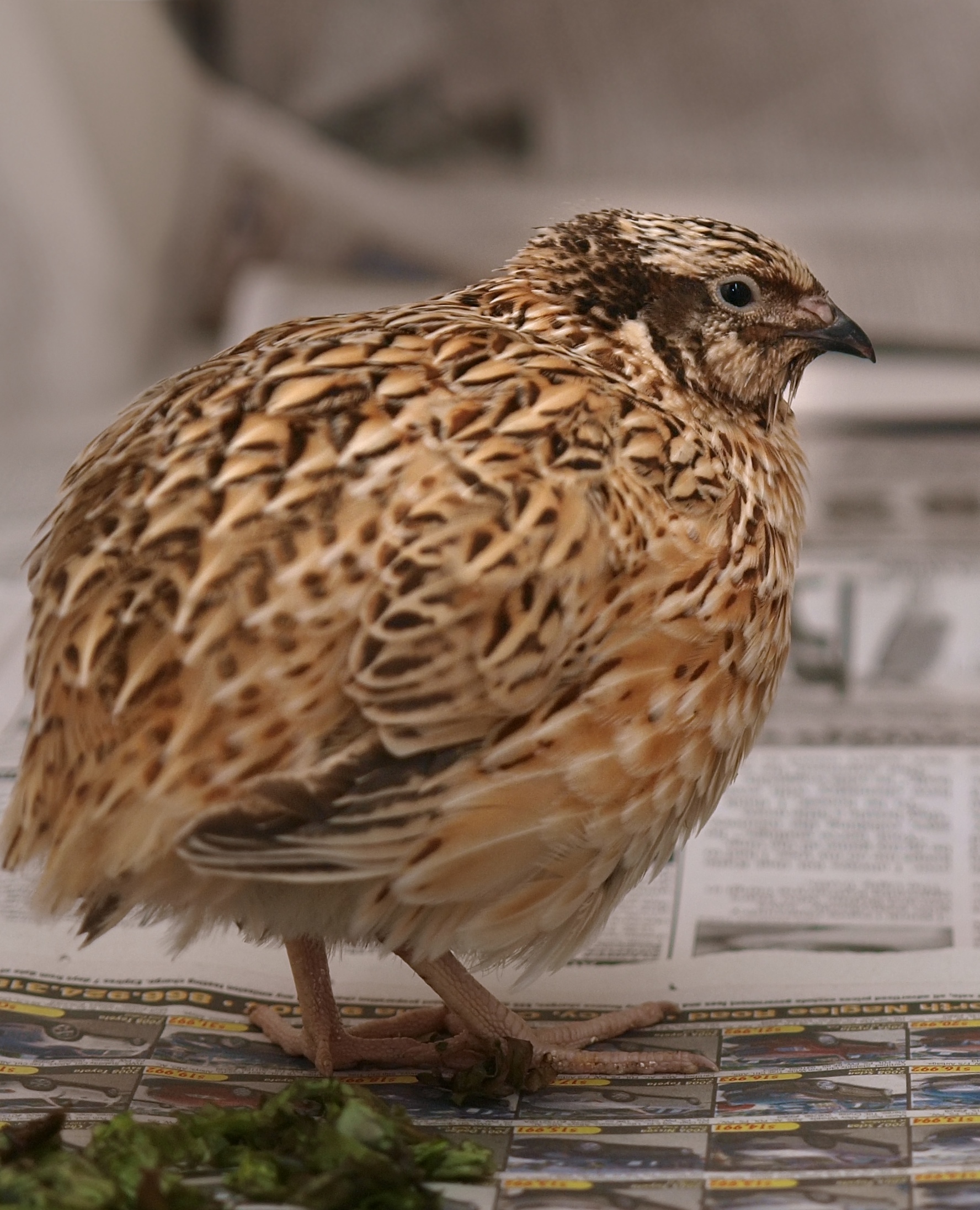
Wholesalers said the farm's eggs are a good size, so traders came to Naliardangi from different places to buy them. Retailers also profited from selling eggs of such good size and shape.
Rahman Sheikh, a van driver from the village, told Jagonews24 that the farm, built on two and a half acres (250 decimals), had given work to 14 to 15 unemployed young men from the village. Some come in the morning and go home in the afternoon. Many van drivers work there too: paid a fixed Tk 200 a day, they gave up carrying passengers for the farm work, and several families were now getting by well.
Because quail farming carries less risk and more profit than poultry and layer farming, many local people were thinking of starting quail farms of their own. Young people in the area said one quail farm had also been set up in neighbouring Sreepur upazila.
Why farmers choose quail
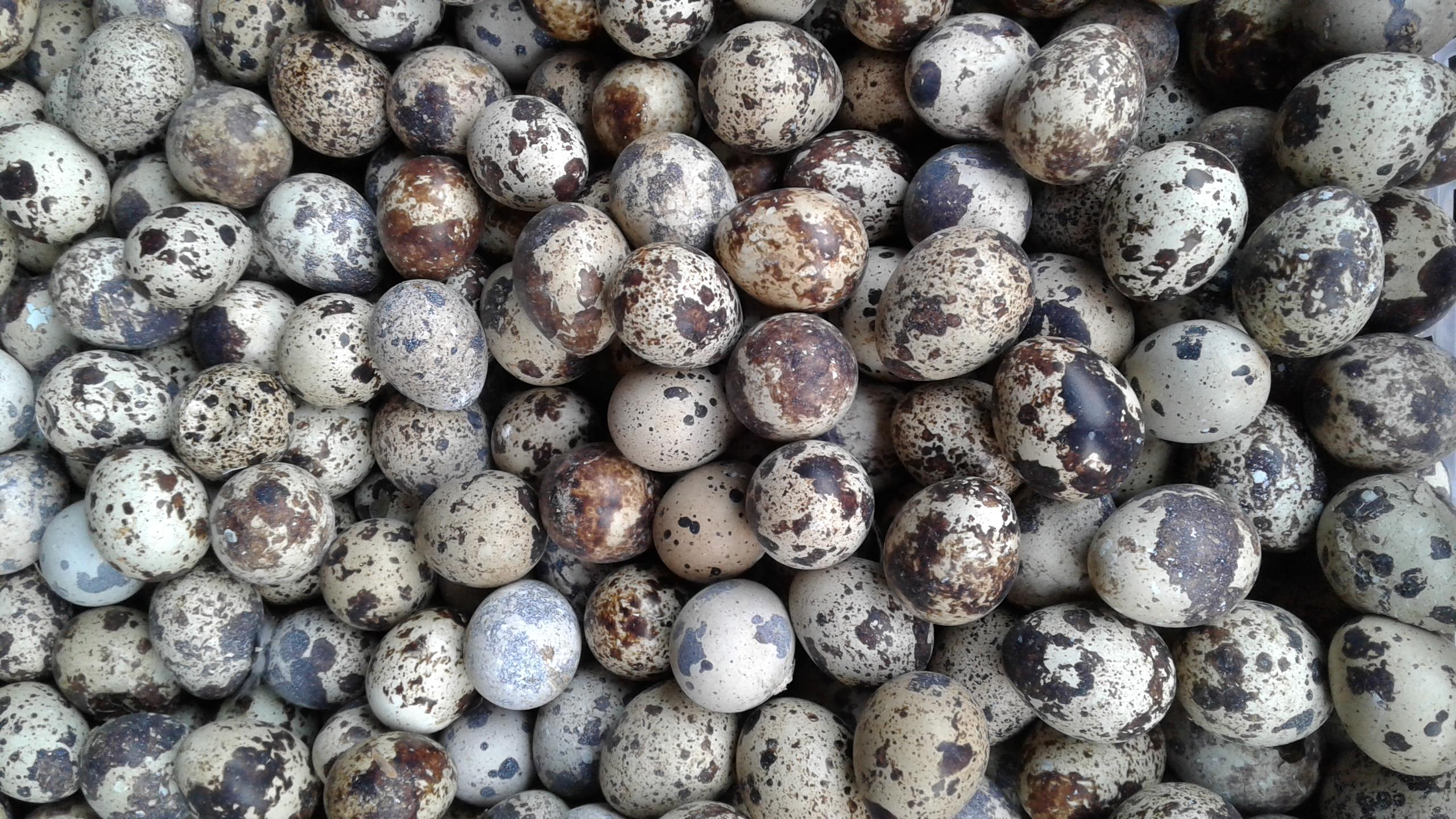
Quail are small ground birds that look like partridges. According to Encyclopaedia Britannica, the Old World quail belong to the family Phasianidae, and both their flesh and their eggs are prized as a delicacy. The bird usually kept on farms is the Japanese quail (Coturnix japonica).
The Japanese quail is easy to manage, grows fast, is small and lays at a high rate, which is why it is farmed in large numbers around the world. Domesticated lines can lay up to 300 eggs a year. Depending on the strain, an egg weighs 8 to 13 grams, about 10 grams on average, and incubation lasts 16.5 days on average. Domesticated adults usually weigh 100 to 120 grams, though commercial meat strains can reach 300 grams.
A call for easy loans
Magura Sadar Upazila Livestock Officer Anwarul Karim told Jagonews24 that giving such small farmers loans on easy terms or interest-free, along with better market arrangements, would make a big difference to the country's economy. He also urged those concerned to take the initiative in running microcredit.
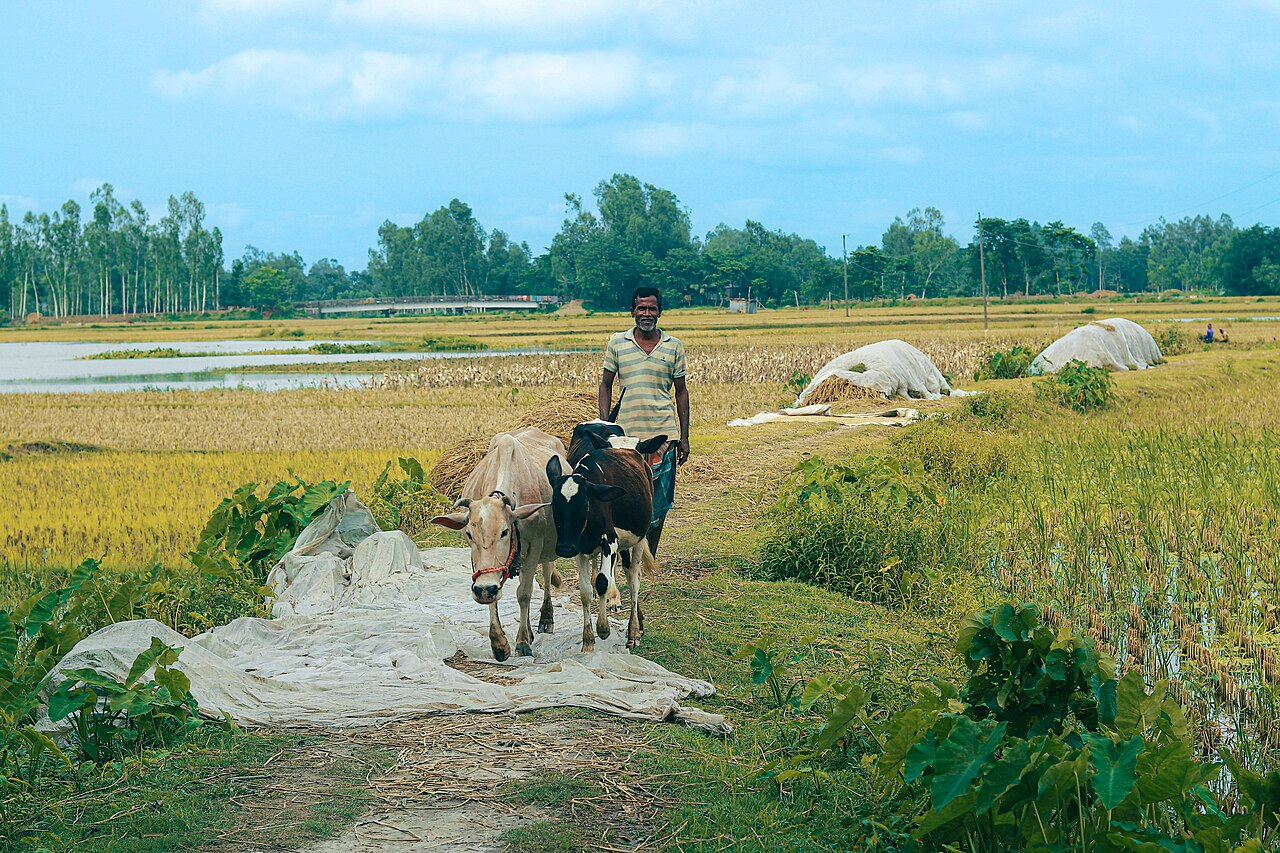
Photo: Mohaiminul Adil / Wikimedia Commons (CC BY-SA 4.0)
Sources: Jagonews24, Encyclopaedia Britannica, Wikipedia (Japanese quail, Magura Sadar Upazila, Department of Youth Development)
Comments
(0)