
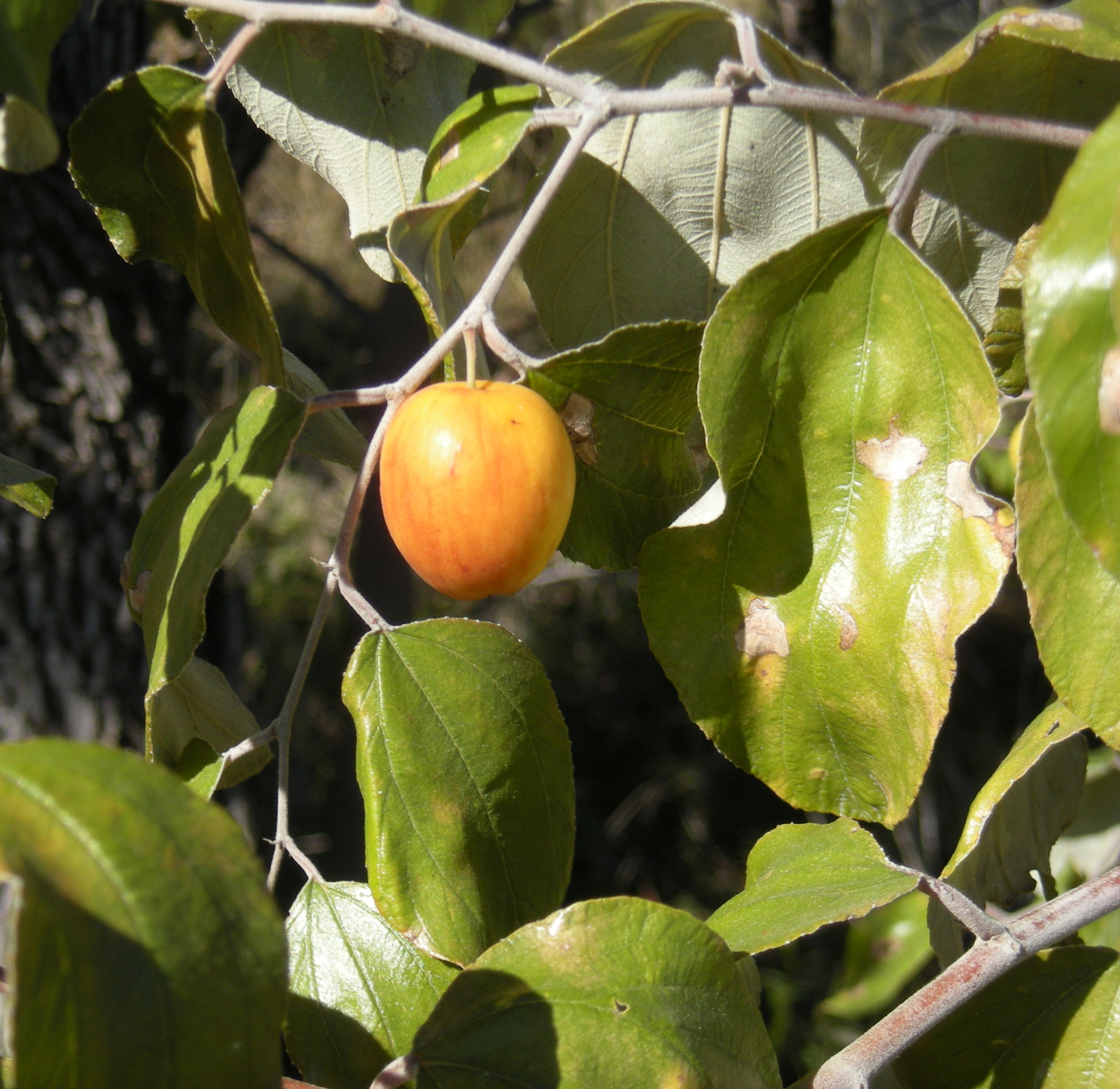
In the last days of January 2026, jujube (boroi) farming in Magura Sadar upazila was showing new promise. Rising interest in the Balsundari, Apple and Kashmiri varieties in particular had given farmers hope. Local growers said that thanks to favourable weather and suitable soil, jujube farming was becoming more popular in the area by the day, and that with good yields and steady market demand they expected profits in the current winter season.
Jujube orchards across Magura's fields
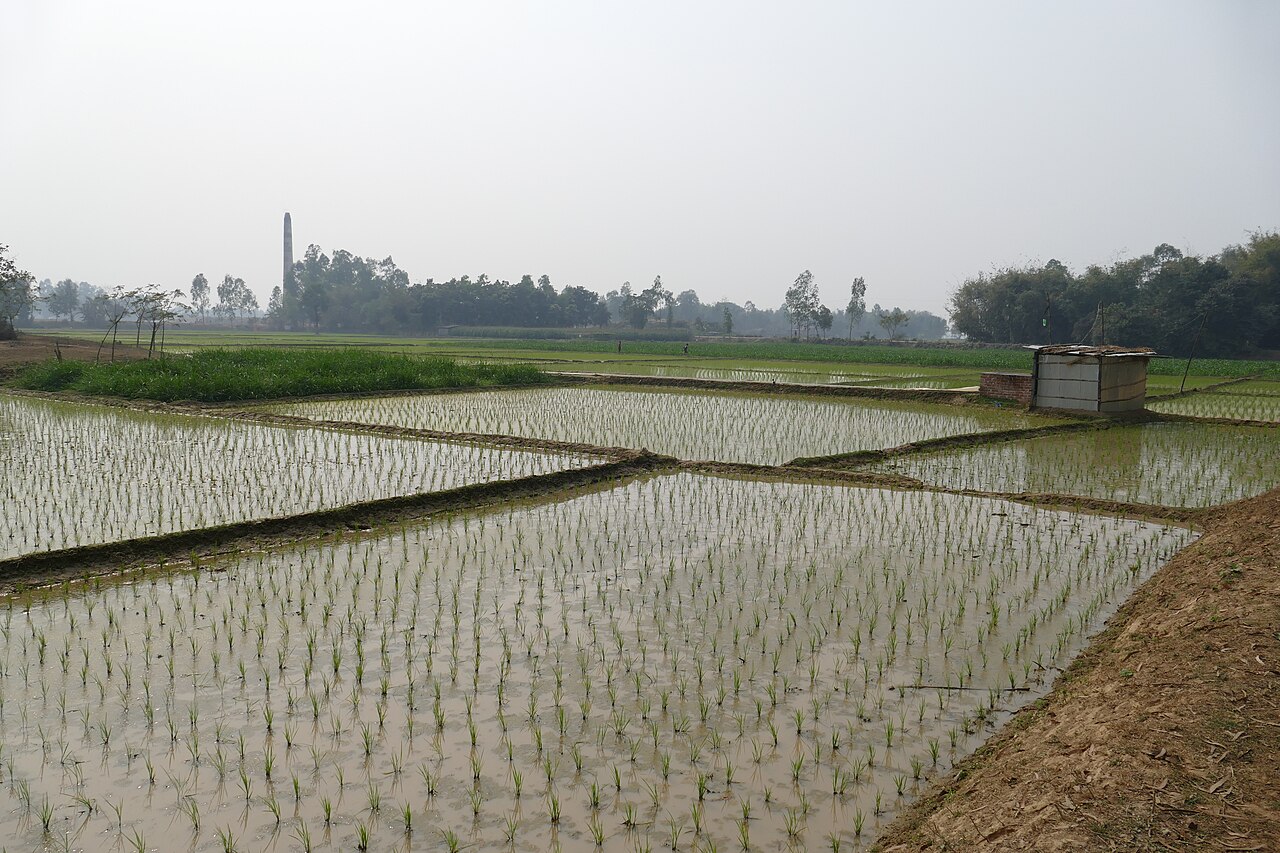
In villages across the upazila, mixed fruit orchards were growing mango, watermelon and winter vegetables such as brinjal, cauliflower and potato alongside jujube. Ripe fruit hung throughout the orchards in the winter cold. Farmers said that taking several crops from the same land in this way had lowered their risk and widened their sources of income.
Md Pikul Hossain, a farmer from Mithapur village in Sadar upazila, said commercial cultivation was growing because the local soil suited jujube. "There is a lot of market demand for Balsundari and Apple jujube. I hope to make a good profit this time even after costs. Wholesalers from Dhaka and other districts have already been in touch," he said. He added: "Improved Apple jujube trees are small but give high yields. People who were not interested in jujube before are now turning to it after seeing the profits."
Shawkat Hossain, a farmer from Rautara village, said: "Jujube farming costs relatively little but the profit is good." He said that alongside jujube, dragon fruit, watermelon and winter vegetables had also become a major source of income for his family. These statements about costs, profit and demand reflect the farmers' own experience and expectations; they are not official figures.
What jujube is, and its food value
Jujube, known as boroi or kul in Bengali, is one of the popular fruits of Bangladesh. In botany it is Ziziphus mauritiana, called the Indian jujube or ber in English, a spiny, evergreen shrub or small tree of the buckthorn family, Rhamnaceae. According to Banglapedia and botanical references, the species is believed to be native to South Asia, southern China, Southeast Asia, and Central and West Africa, and has since spread to the tropical regions of the Americas and much of the Old World tropics.
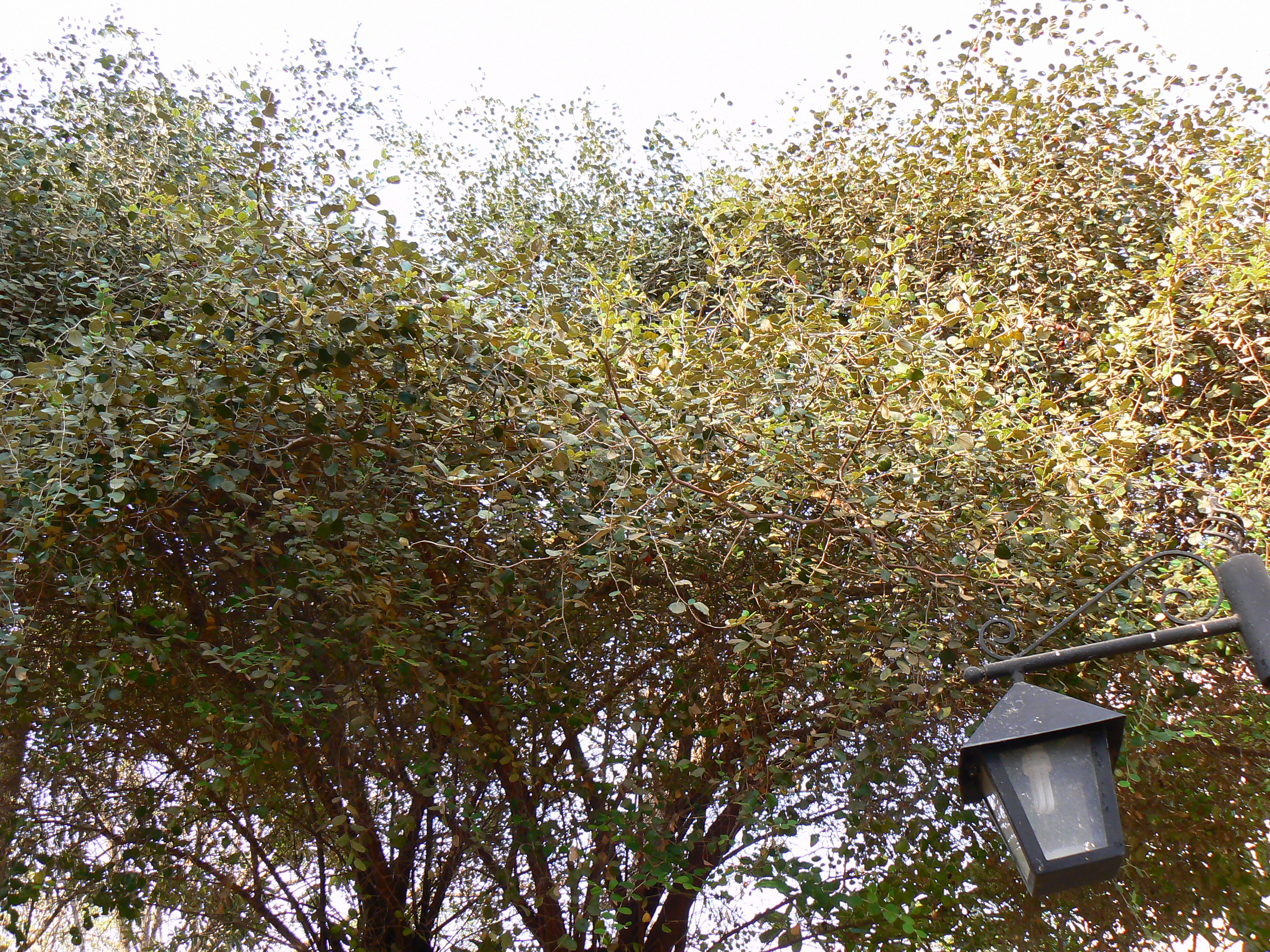
The tree grows fast and can reach 10 to 12 metres in a suitable environment, with a trunk about 30 centimetres across. Its branches droop, and many varieties carry sharp thorns, though some improved types are thornless. Drought tolerance is a key trait: a quickly developing taproot helps the plant survive in dry conditions. The leaves are alternate, ovate or oblong with a rounded tip and three main veins running from the stalk; the upper surface is dark green and smooth, the underside hairy.
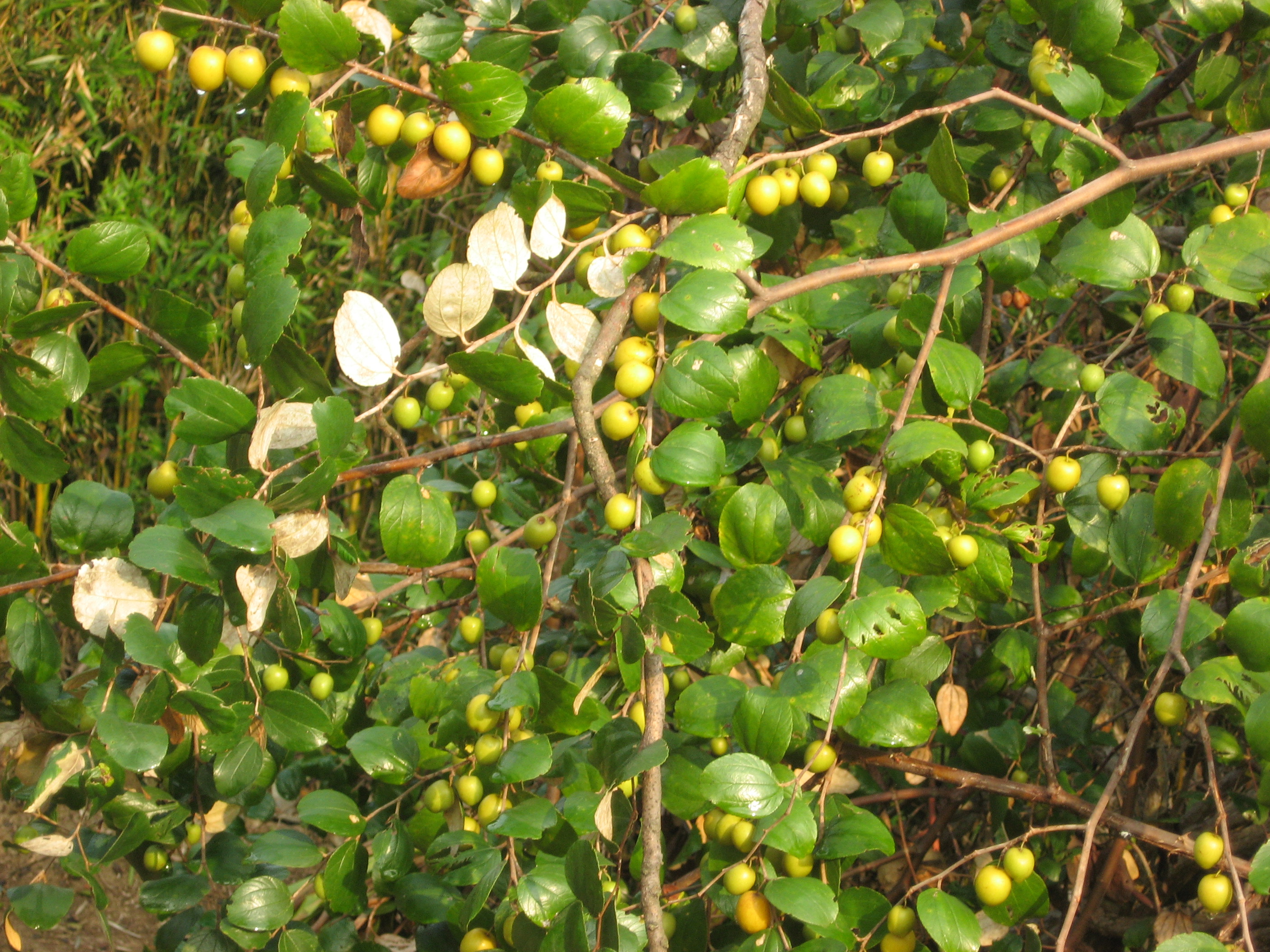
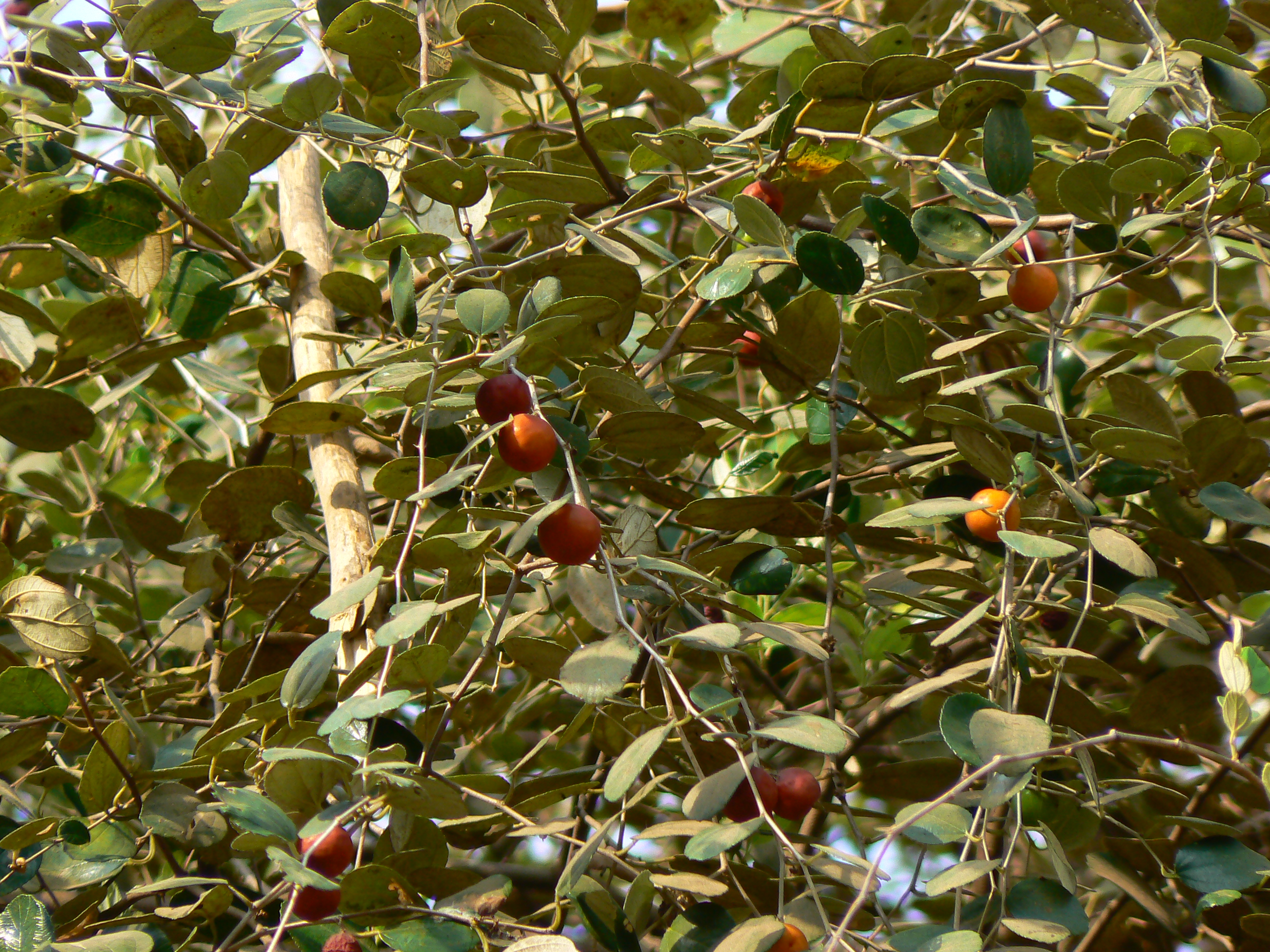
The fruit is oval to round and can be 2.5 to 6 centimetres long. When unripe the skin is light green and the flesh white and crisp, with a bland or slightly sour-sweet taste. As it ripens the fruit turns yellow and then reddish brown, the flesh becomes soft, juicy and somewhat mealy, and the skin wrinkles, with a sweet-sour taste. Each fruit holds a hard stone enclosing one or two red-brown seeds.
Jujube is nutritionally rich. According to Banglapedia, the fruit is about 85.9 percent water, 0.8 percent protein and 12.8 percent carbohydrate, with small amounts of calcium, phosphorus and iron; each 100 grams of edible portion gives about 55 kilocalories and 50 to 150 milligrams of vitamin C. In vitamin C it is notable, second only to guava and higher than citrus fruits or apples. It can be eaten fresh or ripe and is also made into jam, jelly, pickles and chutney.
Flowering and pollination
The flowers of the jujube are tiny and yellow, with five petals, borne in the leaf axils. Depending on the cultivar they open fully in the early morning or later in the day. According to botanical references, fertilisation depends on insects drawn by the flowers' scent and nectar; honeybees, wasps and houseflies all take part. The flowers are protandrous, meaning their male and female parts mature at different times, so the tree cannot reliably pollinate itself; for that reason the presence of pollinating insects matters for a good fruit set.
Because of this trait, keeping the orchard friendly to pollinating insects affects how well fruit sets. It also means that planting more than one variety side by side can help cross-pollination and improve fruiting, as the references note.
Varieties and diversity
Jujube belongs to the genus Zizyphus, which has about 40 species. Of these, two are the cultivated ones: Z. mauritiana, the Indian jujube, and Z. jujuba, the Chinese jujube. According to Banglapedia, the popular varieties in Bangladesh include BAU Kul 1 and 2, BARI Kul 1 and 2, Narkeli, Sabzi and Apple kul.
BAU Kul 1 was developed by the Germplasm Centre (GPC) of Bangladesh Agricultural University. It is now one of the most popular varieties and is grown across the country, including the saline areas of Bagerhat and Satkhira, the sandy areas of St Martin's, Sonadia and Cox's Bazar, and the hilly areas of Khagrachhari and Rangamati. Its fruit weighs 90 to 250 grams, with a sweetness (TSS) of 18 to 21, a very small seed, and a thornless, quick-growing plant that fruits within four to five months of planting.
BAU Kul 2, or Shah Kul, is also a GPC-BAU variety, with fruit of 100 to 200 grams and a sweetness of 19 to 25 TSS; the plant is dwarf and the flesh crispy, juicy and sweet. Apple kul is an apple-like, attractive, crispy and sweet variety that grows quickly and drops little fruit. Narkeli kul has a spindle-shaped fruit and is grown mainly around Satkhira and Rajshahi, while the variety grown in Kachua, Barura and Chandina of Comilla is known locally as Dab kul. The Balsundari, Apple and Kashmiri varieties that the Magura farmers named are commercial types grown widely across different parts of the country.
How it is grown
Jujube can withstand hard conditions and grows on almost any soil, but a deep, fertile loam with good drainage suits it best. Although it can be planted all year, March to May is the best time. Seedlings are usually set at a fixed spacing in pits 75 to 100 centimetres across and deep, and well-rotted cow dung and the needed fertilisers are mixed into the pit before planting. Because the right amount and timing of fertiliser change with the soil and the age of the plant, farmers should take the correct schedule from the upazila agriculture officer rather than apply fixed doses on their own.
Jujube can be propagated by seed or vegetatively, but to keep an improved variety true, grafting is now the method of choice. Banglapedia describes cleft grafting as the most popular method, while botanical references list ring-budding and shield-budding as successful ways to propagate chosen cultivars. Because the seed coat is hard, the stones need treatment, such as keeping them in hot sand, before they will germinate.
Jujube fruit is borne mostly on newly emerged branches, so regular pruning is essential. After the fruit is harvested, usually at the end of March, the branches are cut back to leave three to five feet of height, and coal tar is applied to the cut surfaces to limit disease. Wild jujube plants are kept away from the orchard to reduce powdery mildew and fruit rot. Irrigation is needed after fertilising, with drainage in the rainy season and light watering in drought. The tree begins to bear within three years of planting.
Soil and climate needs
The jujube tree tolerates extreme temperatures and both dry and waterlogged conditions. According to botanical references it grows over a wide rainfall range, from 125 to 2,225 millimetres a year, but is more widespread in the drier areas with 300 to 500 millimetres. Its minimum temperature for survival is about 7 degrees Celsius and its maximum about 50 degrees Celsius.
The crop survives on many soil types and can even grow on alkaline soils, reportedly up to a pH of 9.2, but a deep sandy loam to loam with a neutral or slightly alkaline reaction suits it best. Commercial cultivation is generally profitable up to about 1,000 metres of elevation; above that the trees do not grow well. The flat, fertile, river-fed land of a district like Magura is for these reasons well suited to jujube.
Intercrops and mixed orchards
The way Magura farmers were taking mango, watermelon, dragon fruit and winter vegetables from the same land as their jujube is a well-known and effective pattern. Potato, sweet potato, chilli, leafy vegetables, garlic, ginger and turmeric can all be grown as intercrops between jujube trees. While the trees are still small, the open ground earns extra income, and having several crops means that a loss in one does not sink the whole farm.
The farmers of Mithapur and Rautara described exactly this. They said that alongside jujube, watermelon and winter vegetables had become a major source of income for their families, and that dwarf, high-yielding types like Apple jujube made commercial cultivation profitable even on small plots because they give more fruit in less space. The mixed-orchard pattern both makes full use of the land and keeps income flowing, because the different crops come in at different times of the year.
Pests, diseases and management
The fruit fly is the biggest threat to jujube: the adult attacks ripe fruit and the larva bores in and destroys the flesh. Fruit borers, white fly and the lac insect can also attack the crop. In recent years sooty mould, a black fungus that blackens the leaves and hampers photosynthesis, has become a serious problem, and powdery mildew and fruit rot are also seen.
A clean orchard, regular pruning, proper care before and after the rains, and the removal of affected fruit and branches are the first steps in controlling pests and disease. Which pesticide to use for which problem, at what dose and when, changes with the soil, the weather and the type of attack, so for the specific product and rate it is safest to follow the advice of the upazila agriculture officer or the plant protection wing. Using pesticides beyond the approved dose harms both the fruit and the environment.
Uses of the jujube tree beyond the fruit
The jujube is useful for more than its fruit; various parts of the tree have many uses. According to botanical references, the leaves are eaten by camels, cattle and goats as fodder. The flowers are a source of nectar for honeybees, and the golden-amber honey they yield has a malty flavour. The timber is hard, strong, fine-grained, durable and reddish, and is used for boat ribs, agricultural tools, footwear and other purposes, as well as for fuel.
According to Banglapedia, lac is also produced on the jujube tree with the help of an insect, Tachardia lacca. In tropical Africa, botanical references note, the tree's flexible branches are wrapped as retaining bands around thatched roofs and twined together to make thorny fences. In other words, through its fruit, fuel, fodder, honey and lac, the tree can play a role in the rural economy from several directions.
Magura district: the farming geography
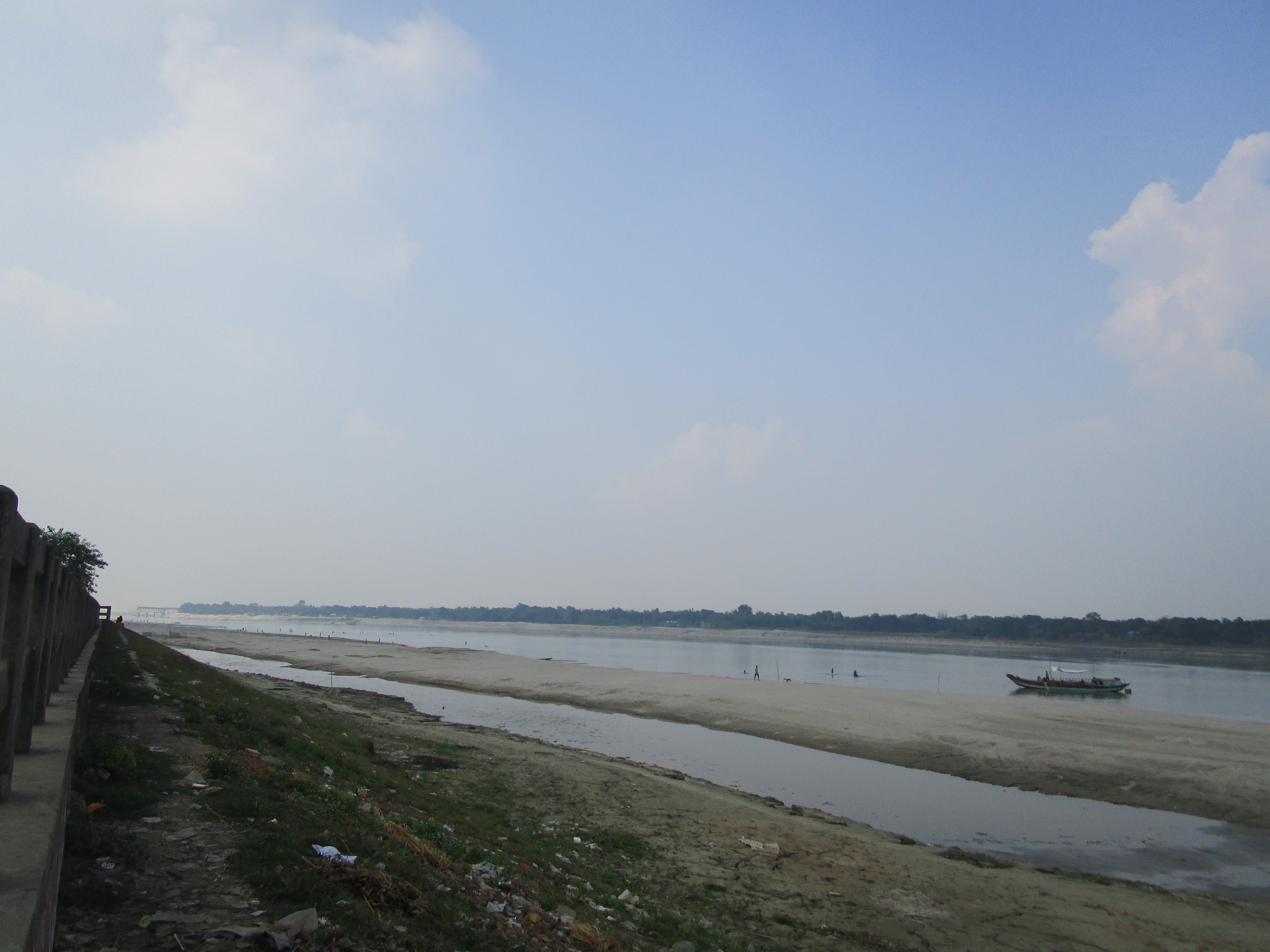
Magura, in Khulna division, covers about 1,039 square kilometres. It is bounded by Rajbari to the north, Jessore and Narail to the south, Faridpur to the east and Jhenaidah to the west. The district's main rivers are the Gorai-Madhumati, the Nabaganga and the Kumar. According to the 2011 census its population was about 918,000. Magura became a sub-division in 1945 and was raised to a district on 1 March 1984.
According to Banglapedia, agriculture provides about 66 percent of income in Magura district, with the rest coming from commerce (about 12 percent), service, transport, industry and other sources. The picture shows how central farming is to the local economy. The fertile, river-fed soil and the favourable winter weather of this region make it well suited to crops such as jujube, watermelon and winter vegetables, and are encouraging farmers to build mixed fruit orchards.
Yield, market and prospects
Jujube is mainly a winter fruit; as it ripens the fruit turns yellow and is picked in stages so that only mature fruit reaches the market. Harvesting is usually done by hand in several rounds, and the picked fruit is carefully packed for transport to markets further away. Banglapedia puts the yield at about 8 to 12 tonnes per hectare. Botanical references note that at its prime bearing age of 10 to 20 years a single tree can give 80 to 200 kilograms of fruit a year, and that grafted trees bear still more.
Worldwide, the main producing regions for jujube are the arid and semi-arid areas of India, and it is also grown in Pakistan, Bangladesh and Vietnam. Botanical references note that, with improved cultivars, about 0.9 million tonnes of fruit were produced on 88,000 hectares of land between 1984 and 1995. India alone has more than 90 cultivars, differing in growth habit, leaf, fruiting season and the size, colour and flavour of the fruit.
In Indian orchards the fruit is usually hand-picked from ladders in two or three rounds, and a worker can gather about 50 kilograms a day, the references note; the picked fruit is then wrapped in cloth and packed into sacks for transport to distant markets. Because jujube is soft and perishable, picking and transport need care so that the fruit is not spoiled before it reaches the market.
The Magura farmers' accounts paint a positive picture of demand. Pikul Hossain of Mithapur said Balsundari and Apple jujube were much sought after and that wholesalers from Dhaka and other districts had been in touch in advance. The prospect of good profit at relatively low cost, and of heavy yields from small trees, was drawing in new growers too. These are the farmers' own expectations; the actual price and profit depend on the season and the market.
Taken together, the fertile river-fed soil, the favourable winter weather, the improved dwarf varieties and the mixed-orchard pattern were turning jujube into a profitable prospect in Magura, in the view of the farmers who grow it.
Photo: Ethel Aardvark / Wikimedia Commons (CC BY 3.0)
Sources: Jagonews24, Banglapedia (Jujube and Magura District), Wikipedia (Ziziphus mauritiana)
Comments
(0)