
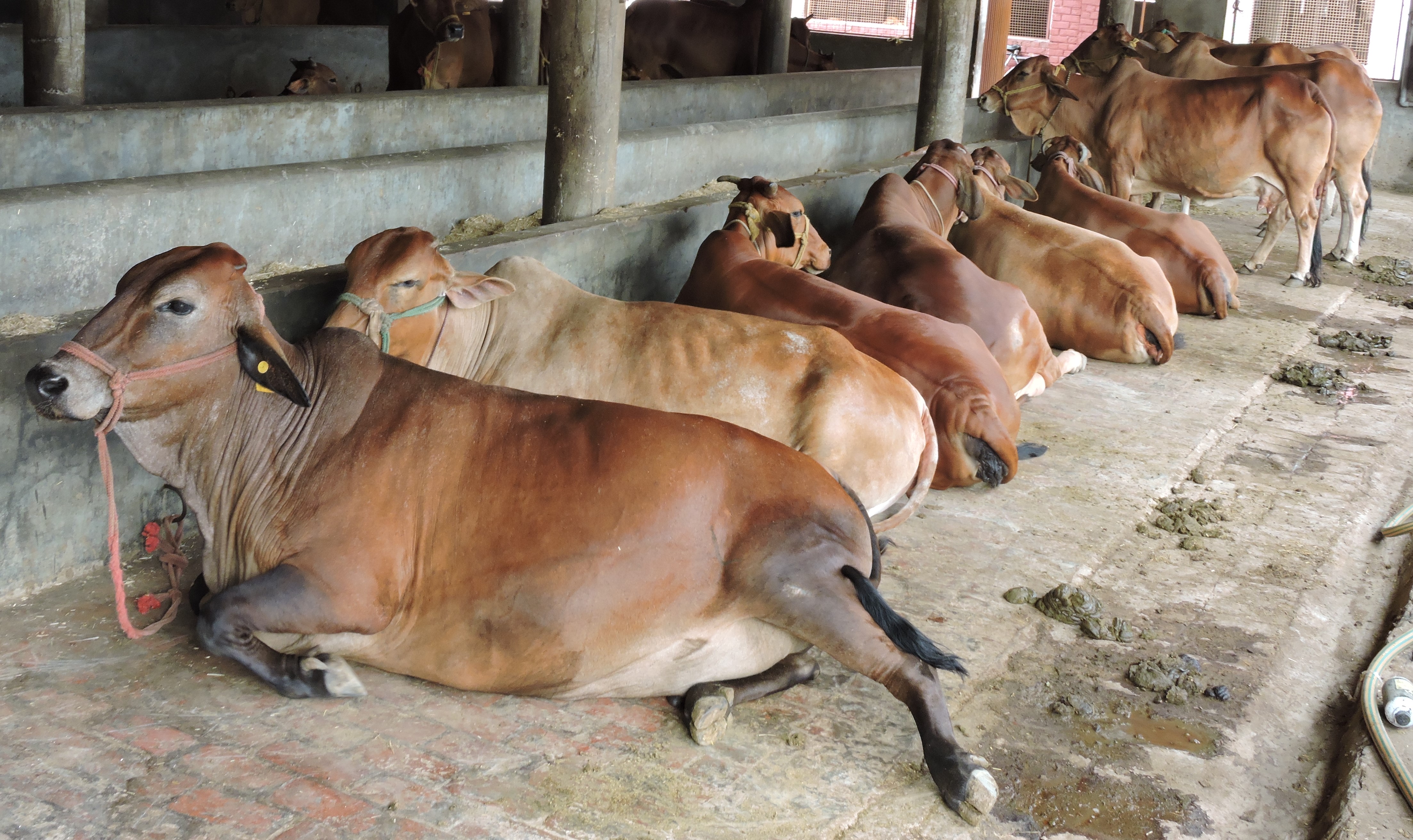
In January 2026 an official inquiry in the Indian state of Madhya Pradesh raised serious questions about how public money had been spent on a state-funded research project that set out to develop cancer treatments from cow dung, cow urine and dairy products. The project began in 2011 at Nanaji Deshmukh Veterinary Science University in Jabalpur. A committee led by an additional collector of Jabalpur district went through the project's accounts for 2011 to 2018. According to its report, as Indian newspapers described it on 9 and 10 January 2026, the committee found spending it considered far above market prices, air travel and a vehicle that were not in the approved estimate, and no clear record of the farmer training the project was meant to provide. The university denied every allegation.
Jagonews24 reported the story on 10 January 2026, drawing on The Indian Express. The Quint and Madhyamam carried the same findings that day, also citing The Indian Express. What the reports described were the inquiry committee's findings and the investigators' views, set against the university's denial; no court or higher authority had ruled on them when the reports appeared.
A cancer research project funded in 2011
The project was built around panchagavya, a traditional mixture of products of the cow. Its stated aim was to develop a way of treating cancer and other serious diseases using a mixture of cow dung, cow urine and dairy products. According to the reports, the university had asked the state for about Rs 8 crore for the work, and the Madhya Pradesh government sanctioned Rs 3.5 crore. In the Indian numbering system a crore is ten million rupees and a lakh is one hundred thousand rupees.
The research ran for close to a decade. Jagonews24 noted that the state government had spent crores of rupees on it, yet serious questions had been raised about both the actual results of the research and the transparency of the spending. The administration acted after a complaint alleged that the project's money had been widely misused.
The project was run by a public university, with public money, on a question that matters to patients: whether a traditional preparation could treat a disease that, according to India's national cancer registry programme, affects well over a million people in the country each year. That is why the accounts of the project, and the claims behind it, drew wide attention in Indian newspapers.
What the inquiry committee reported
Additional Collector Raghuvar Maravi, who led the inquiry, said it had been started on the directions of the Jabalpur collector. The committee examined the project's spending records for 2011 to 2018 and submitted its report to the collector shortly before the news was published.
Its largest finding concerned basic supplies. According to the report, about Rs 1.92 crore had been shown as spent on cow dung, cow urine, raw materials, storage containers and machinery alone. The investigators held that, at the market rates of the time, these items should not have cost more than Rs 15 to 20 lakh.
The committee also questioned 23 to 24 air journeys that members of the research team had made to various cities in the name of the research, and asked whether they had been necessary. Maravi said the project's original estimate had made no mention of such trips.
A vehicle worth about Rs 7.5 lakh had been bought although it did not appear in the sanctioned estimate, the report said. The committee also listed about Rs 7.5 lakh spent on fuel and vehicle maintenance, about Rs 3.5 lakh on labour, and about Rs 15 lakh on furniture and electronic equipment. It described these as expenses that strayed from the research aims of the project.
Maravi said the project was also supposed to give some training to farmers, but the documents did not show what training had been given. He said that even the vehicles the university's records showed as bought could not be found.
The university's denial
The university rejected all the allegations. Its registrar, Dr S S Tomar, said every purchase, whether of machines or of vehicles, had been made through open tenders and in line with government procurement rules and financial norms. He said the project had been carried out transparently since 2012, that it had been audited regularly, and that the required certificates had been provided.
According to the original report, the registrar said there had been no corruption at the university and that all the documents had been handed to the inquiry committee. University officials also said the project was still training young people and farmers, and that all procedures had been followed.
The next step lay with the district administration. The collector was to forward the report to the divisional commissioner, who would decide whether any further legal or administrative action was needed. No such decision had been announced when the reports were published on 10 January 2026.
What panchagavya is
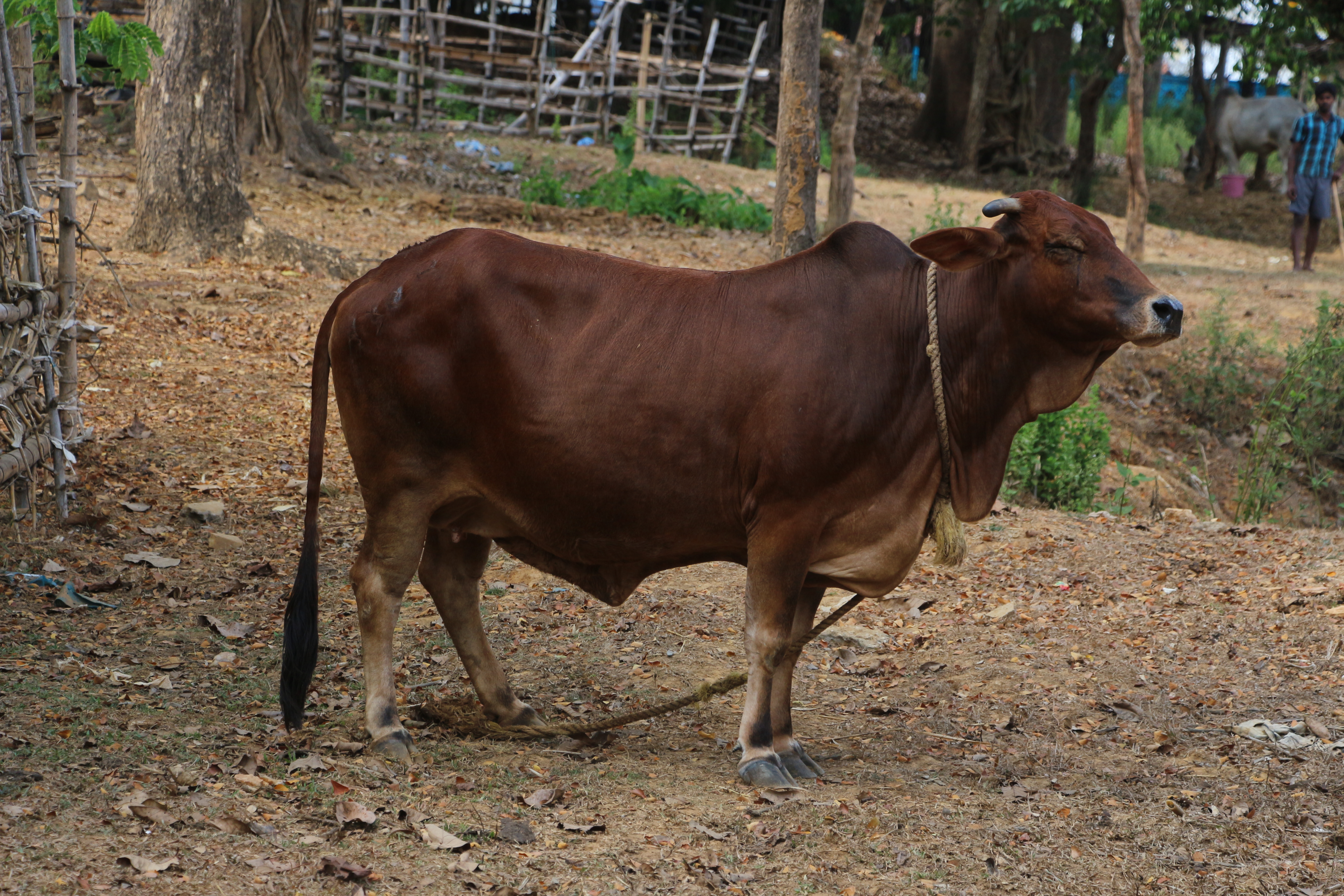
Panchagavya is a Sanskrit name meaning "five products of the cow". It combines three direct products, cow dung, cow urine and milk, with two products made from milk, curd and ghee, which are mixed and left to ferment. The mixture has a long place in Hindu ritual, where it is used as a purifying substance, and when it is used as medicine within Ayurvedic practice the approach is sometimes called "cowpathy". In agriculture it has been used as a fertiliser and a pest-control spray, and its supporters also claim benefits for livestock, poultry and fish.
Supporters of cow urine therapy have long said that it can cure several diseases, including some kinds of cancer. Reference works that review the evidence record that these claims have no scientific backing, and that studies of individual ingredients such as cow urine have not shown a health benefit.
Indian public bodies have nonetheless funded work on the subject. In 2017 India's Department of Science and Technology constituted a national steering committee to start a national programme called Scientific Validation and Research on Panchgavya, known as SVAROP, according to a written reply given that year in the Lok Sabha, the lower house of India's parliament. The same reply said that the Central Council for Research in Ayurvedic Sciences, an autonomous research body, was studying the immune-modulating activity and the safety and toxicity of a preparation called Panchgavya Ghrita, and that the council had held a national seminar on panchagavya treatment in 2014.
What health authorities and scientists say
Cancer authorities draw a clear line between complementary medicine, which is used alongside standard treatment, and alternative medicine, which is used instead of it. The US National Cancer Institute, in guidance last updated in October 2024, says that no special diet, food, supplement or herb has been shown to cure cancer, slow its growth or stop it from coming back, and that some products can change how cancer treatment works. It advises patients to tell their care team about every such product or practice they use, including supplements and vitamins. The institute notes that some complementary practices, such as acupuncture, yoga and meditation, have been studied and found generally safe and effective for some purposes, while herbal and dietary products do not need approval from the US Food and Drug Administration before they are sold.
Cancer Research UK, in guidance reviewed in April 2022, makes the same distinction between complementary and alternative therapies. It warns that some therapies may be harmful or could interact with other treatments a person is having, and advises people to talk to their doctor before starting any complementary or alternative therapy. It also notes that the two terms are often used as if they meant the same thing.
No health authority whose guidance was read for this report recommends cow urine, cow dung or panchagavya as a treatment for cancer, and none of the reports on the Jabalpur project pointed to a proven treatment arising from it. Anyone who has cancer, or symptoms that worry them, should be examined and treated by a qualified doctor and should not replace that treatment with a home or traditional remedy.
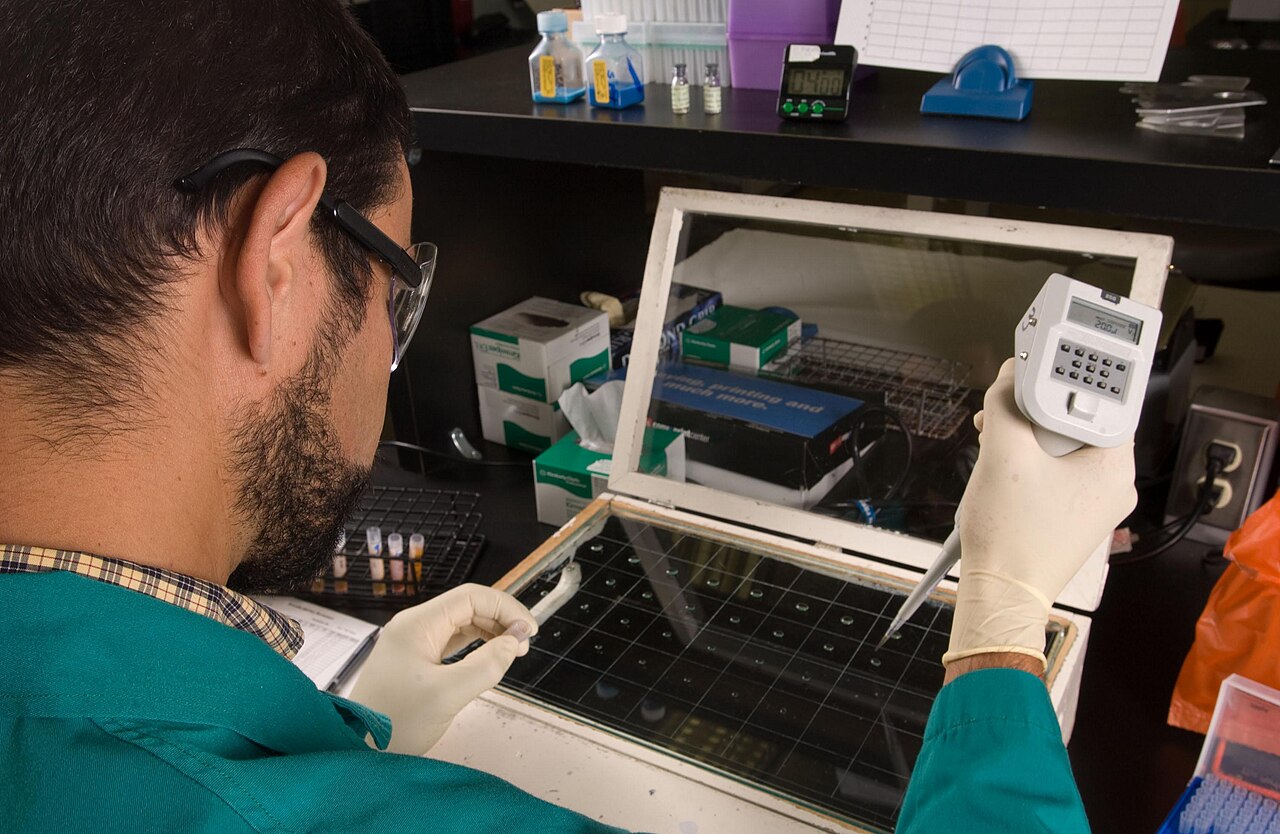
Questions about safety have also come from Indian veterinary science itself. In April 2023 researchers at the ICAR-Indian Veterinary Research Institute (IVRI) in Bareilly, a national institute under the Indian Council of Agricultural Research, reported a study of urine from cows, buffaloes and people. The work was led by Bhoj Raj Singh, head of the institute's epidemiology department, with three doctoral students, and was carried out between June and November 2022.
The team analysed 73 urine samples. The cow samples came from three breeds, Sahiwal, Tharparkar and the crossbred Vrindavani, collected from local dairy farms. The researchers reported finding at least 14 types of harmful bacteria in the urine of cows and bulls, including Escherichia coli, a bacterium commonly linked with stomach illness. They concluded that cow urine was not suitable for direct human consumption.
The study also found that buffalo urine had stronger antibacterial activity than cow urine against some bacteria. Singh told The Times of India that the commonly held belief that cow urine is antibacterial cannot be generalised, and that a sizeable proportion of urine samples from apparently healthy people also carried potentially pathogenic bacteria. The findings were posted on the research platform ResearchGate. As The Quint noted when it reported the study, the results concerned fresh cow urine.
India's cancer burden in figures
The scale of cancer in India helps explain why claims of a cheap cure attract attention. A paper by the ICMR-National Centre for Disease Informatics and Research in Bengaluru, published in the Indian Journal of Medical Research in March 2023 from the National Cancer Registry Programme, estimated 14,61,427 new cancer cases in India in 2022: 7,12,176 among men and 7,49,251 among women. It projected that the number was likely to rise from 1.46 million in 2022 to 1.57 million in 2025.
The same paper estimated that one in every nine people in India is at risk of developing cancer by the age of 74. Among men the leading sites were the lung, at 10.6 per cent of cancers, and the mouth, at 8.4 per cent. Among women breast cancer accounted for 28.8 per cent of cases and cancer of the cervix for 10.6 per cent. Among children up to 14 years, lymphoid leukaemia was the leading form in both boys and girls.
Worldwide, the International Agency for Research on Cancer, the World Health Organization's cancer agency, estimated in February 2024 that there were about 20 million new cancer cases and 9.7 million cancer deaths in 2022, and that about one in five people develop cancer in their lifetime. The agency also estimated that about 53.5 million people around the world were alive within five years of a cancer diagnosis.
Earlier disputes over claims for cow products
The Jabalpur project was not the first time that claims made for cow products had been challenged in India. In October 2020 the chairman of the Rashtriya Kamdhenu Aayog, a national government body for the protection and development of cattle, said that a "chip" made of cow dung could reduce radiation from a mobile phone when kept on it, and that keeping cow dung cakes at home reduced radiation.
More than 600 scientists and science educators responded with a public statement, organised by the Mumbai chapter of the India March for Science, asking for the evidence. They asked where and when the experiments had been done, who the principal investigators were, where the findings had been published, and whether the data and the details of the experiments could be made public.
Jagonews24's original report linked to several of its own earlier stories on similar claims, among them the cow dung chip said to block mobile phone radiation and a claim that cow urine and dung would cure the coronavirus disease.
Cow dung and panchagavya on the farm
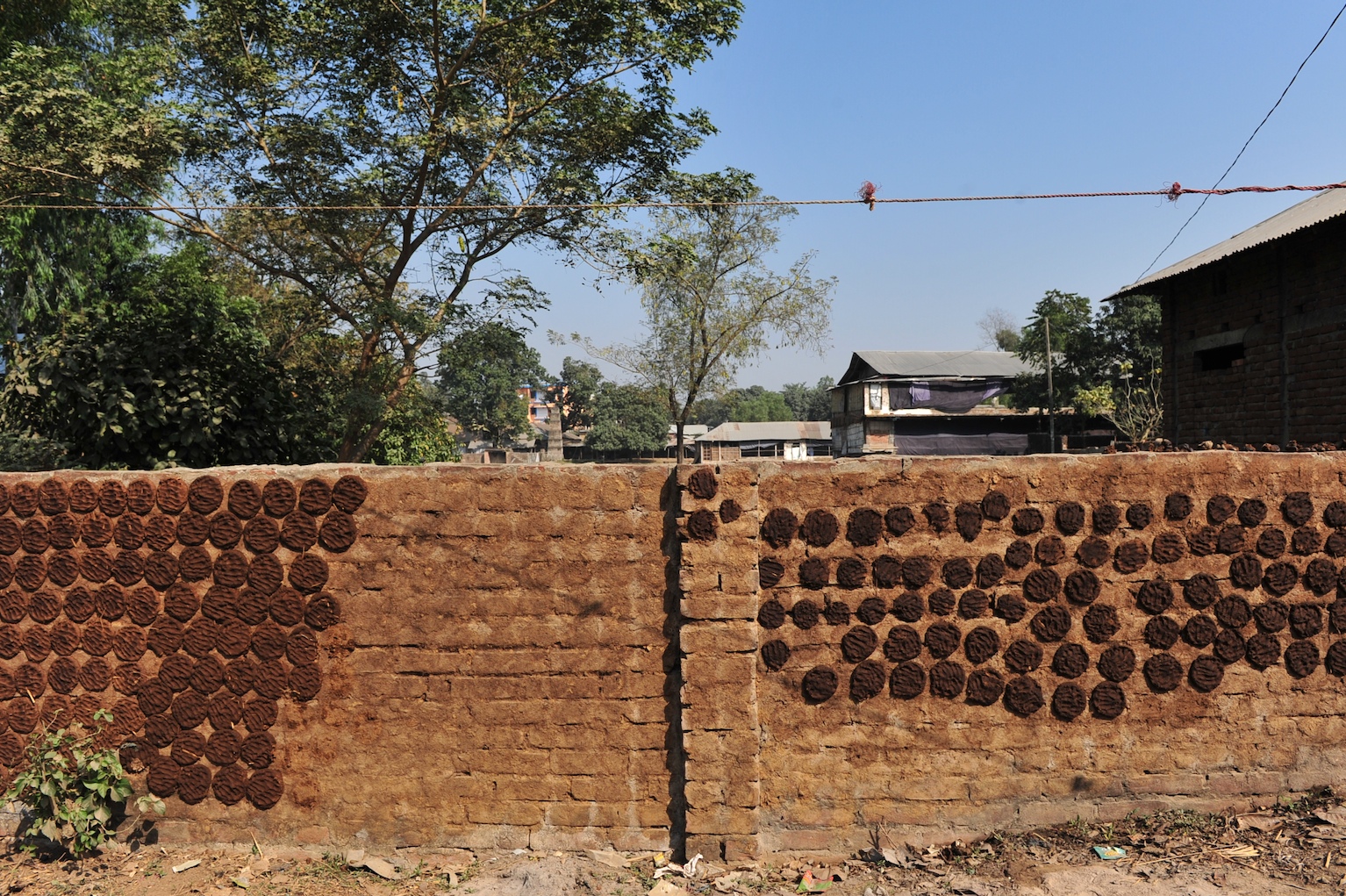
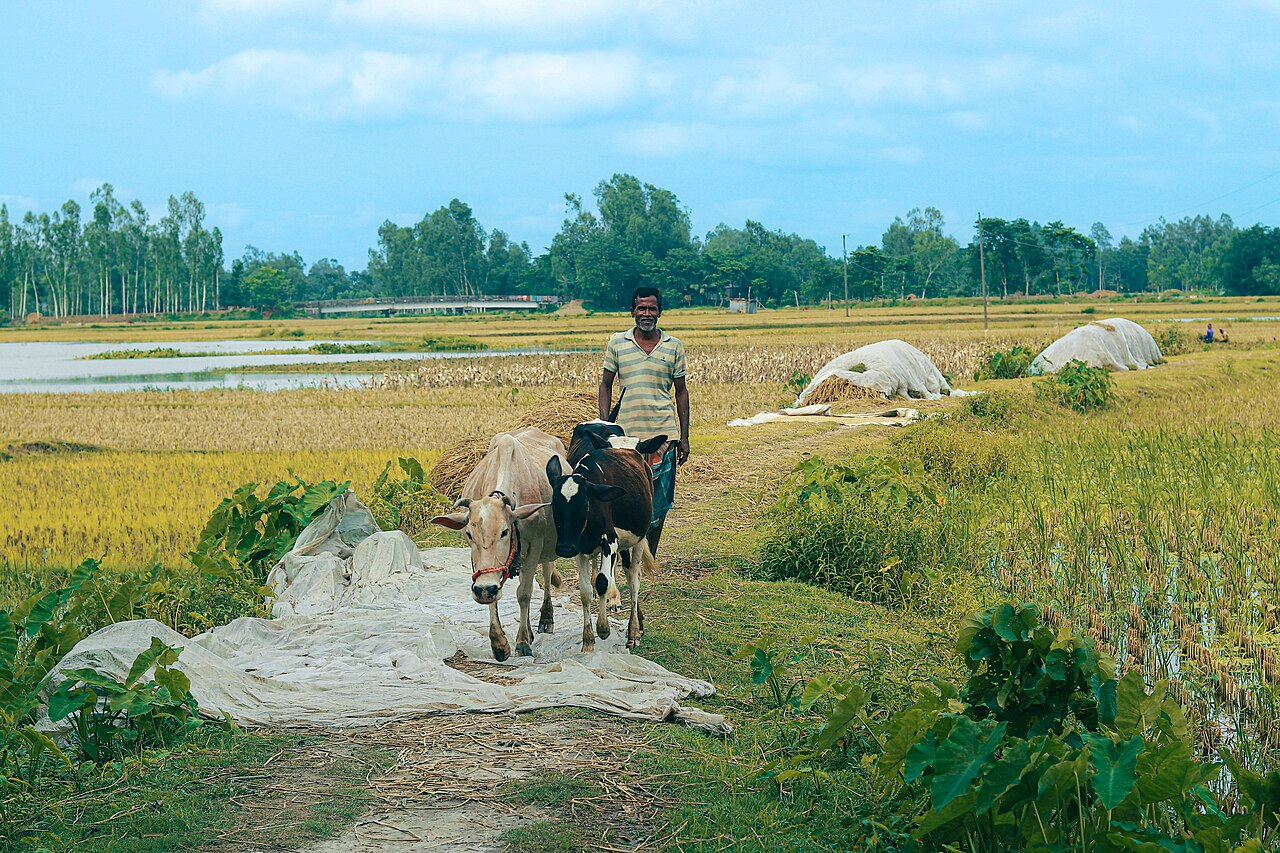
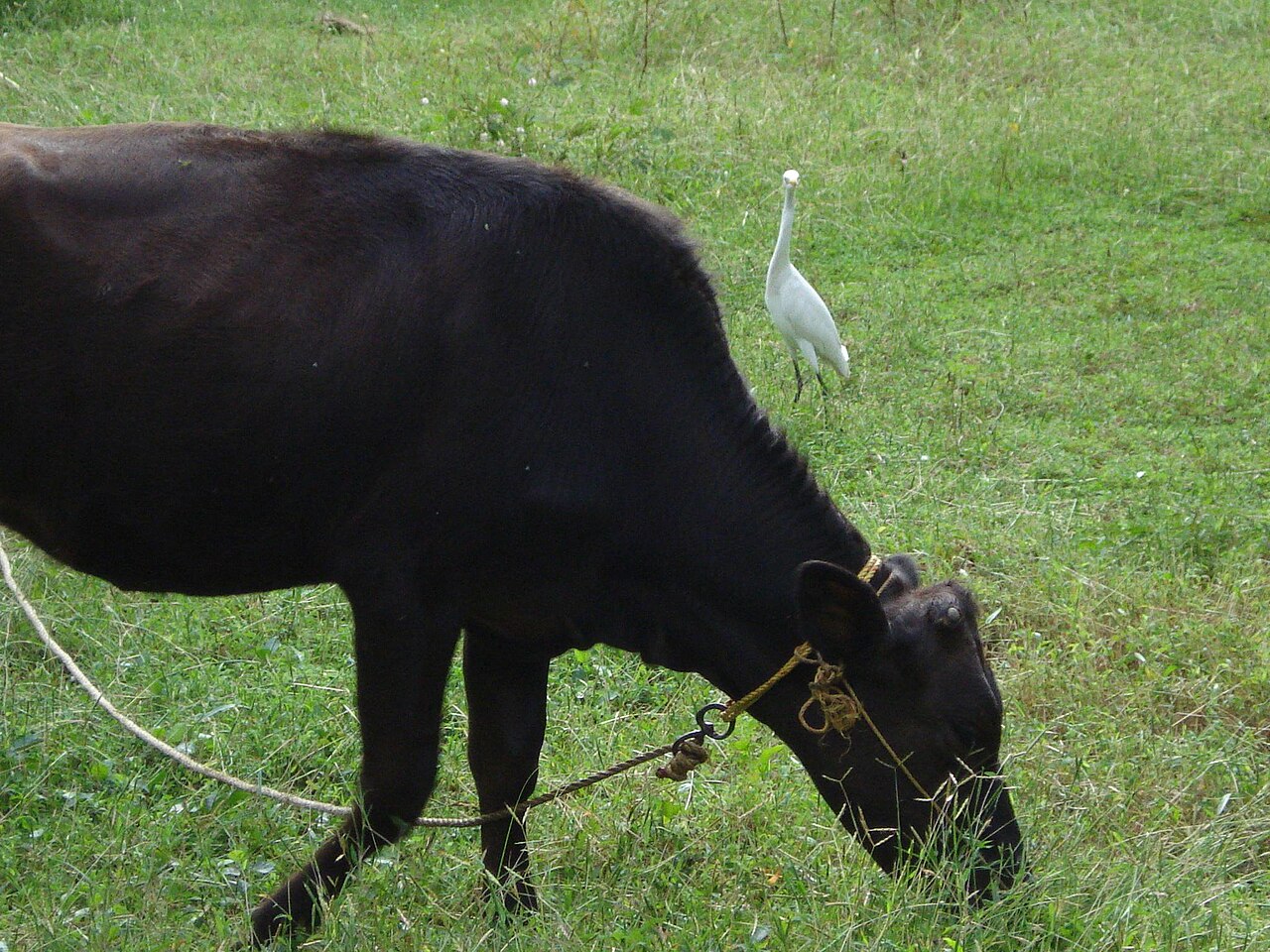
Cow dung and cow urine do have established places on the farm, as manure, as fuel and as ingredients in organic preparations, and that use is separate from any claim about curing disease.
Tamil Nadu Agricultural University (TNAU) describes panchagavya as an organic farming input in its agricultural information portal. Its recipe uses cow dung, cow ghee, cow urine, water, cow milk, curd, tender coconut water, jaggery and ripe bananas, fermented over about a month in a shaded, open container, stirred twice a day and covered with a net to keep out flies. The university lists its uses as a foliar spray, in irrigation water, for treating seeds and seedlings, and as an addition to animal feed or drinking water.
TNAU's figures on yields come from its own work and are claims made by the university rather than results confirmed by independent trials. A farmer in Bangladesh who wants to try such an organic input on a crop should first ask the upazila agriculture officer how and when to use it.
Jabalpur and its veterinary university
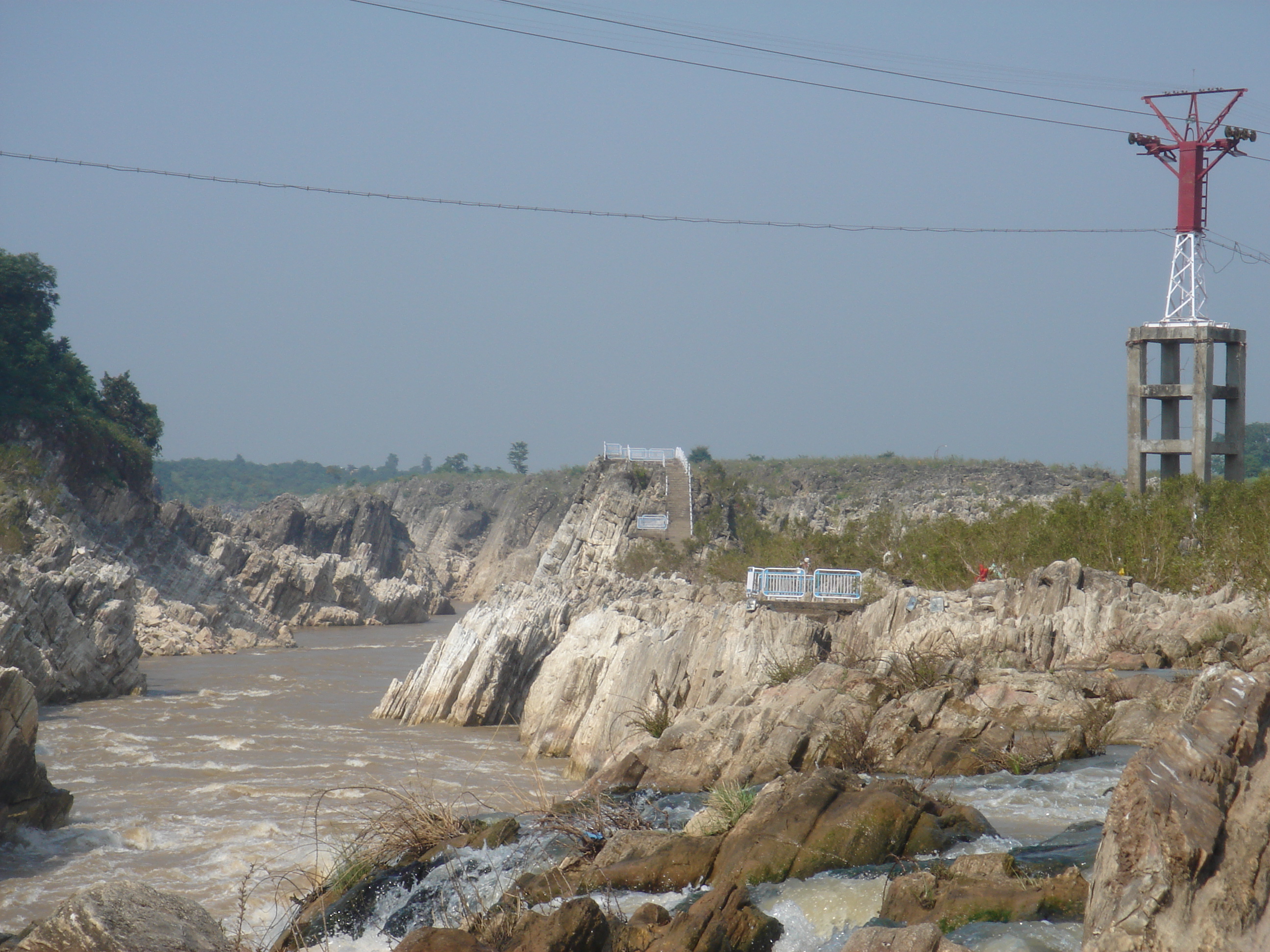
Jabalpur is a city on the banks of the Narmada River in Madhya Pradesh, in central India, lies at an elevation of about 412 metres, and is the headquarters of Jabalpur district and Jabalpur division. The alluvial soils of the Narmada basin around the city support crops such as wheat, rice, sorghum and millets, along with pulses, oilseeds, cotton and sugarcane. The city is also the seat of the Madhya Pradesh High Court and home to Rani Durgavati University and the Madhya Pradesh Medical Science University, as well as two national research centres, the ICMR-National Institute of Research in Tribal Health and the Tropical Forest Research Institute.
Nanaji Deshmukh Veterinary Science University, formerly Madhya Pradesh Pashu Chikitsa Vigyan Vishwavidyalaya, is the state's university for veterinary science and fisheries. It was established in 2009 under a state law of the same year. It has three constituent veterinary colleges, in Jabalpur, Mhow and Rewa; a fishery college, a school of wildlife forensics and health and an animal biotechnology centre in Jabalpur; and five polytechnic colleges that offer a two-year diploma in animal husbandry.
Photo: Harvinder Chandigarh / Wikimedia Commons (CC BY-SA 4.0)
Sources: Jagonews24, The Indian Express, The Quint, Madhyamam, US National Cancer Institute, Cancer Research UK, Indian Journal of Medical Research (ICMR-NCDIR), International Agency for Research on Cancer, Business Today, The Quint Fit, Medical Dialogues, The Week (PTI), Tamil Nadu Agricultural University, Wikipedia
Comments
(0)