
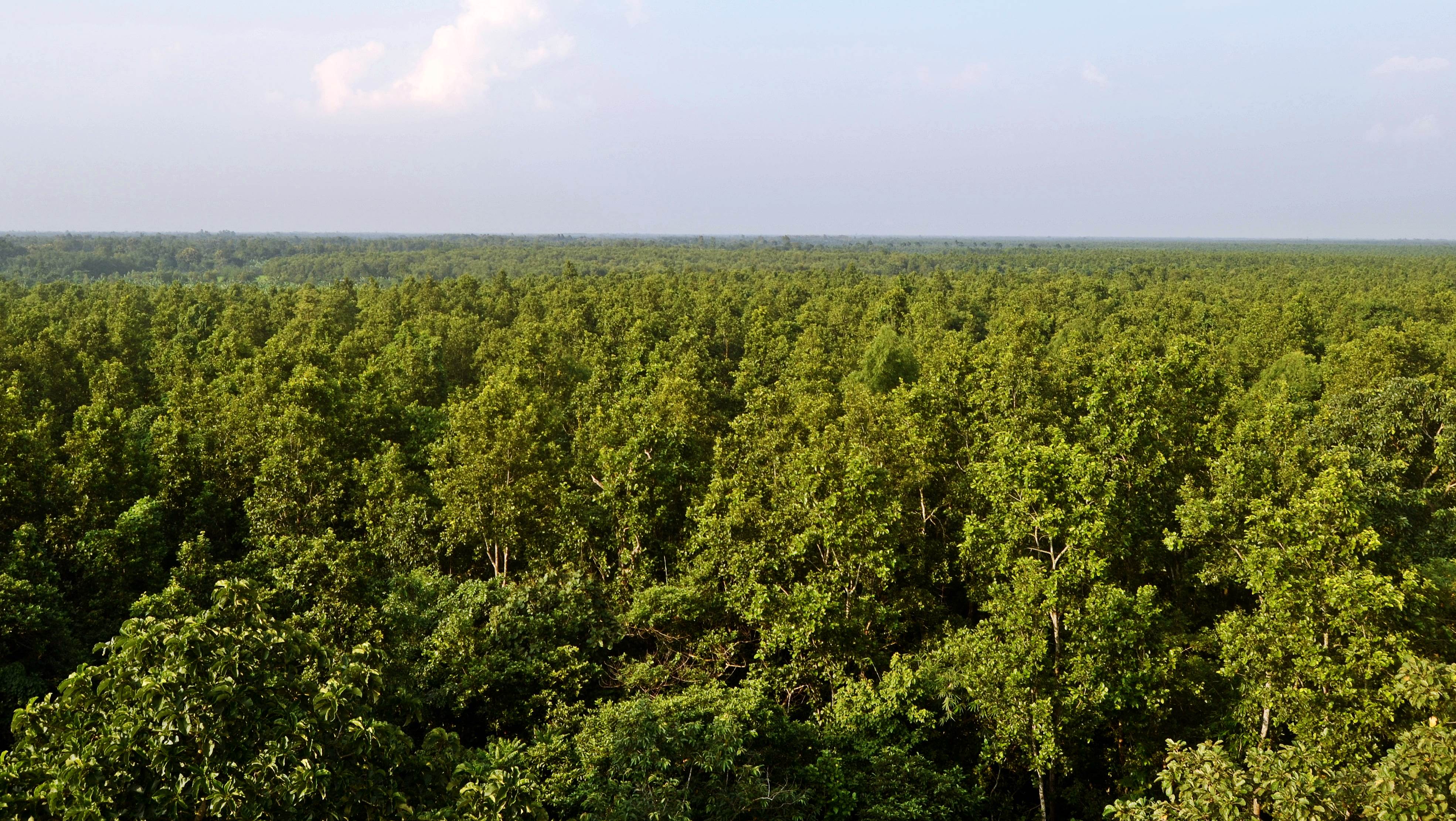
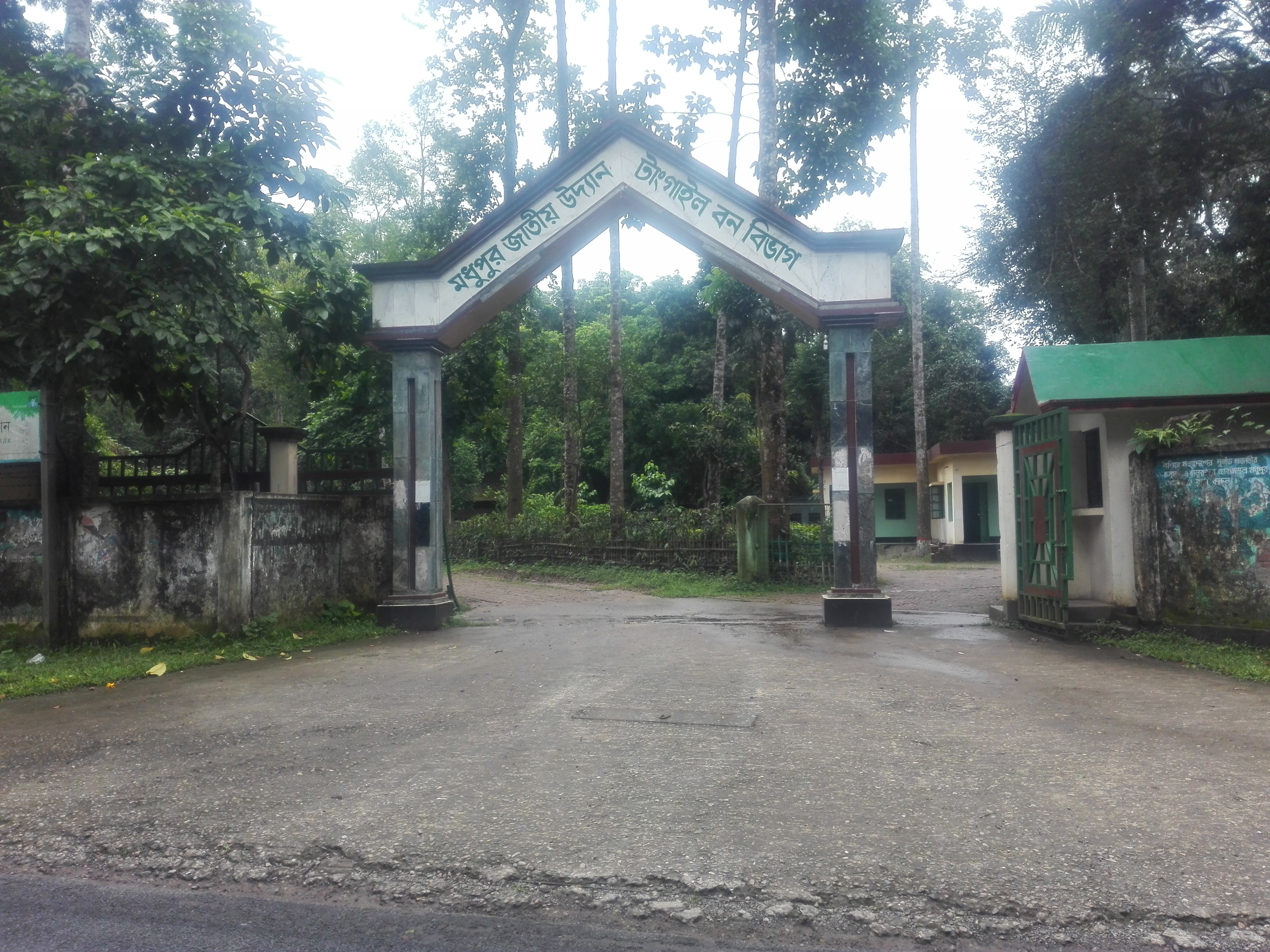
The Forest Department has built rope bridges, or ropeways, at five places on the Tangail-Mymensingh highway where it cuts through the Madhupur forest in Tangail, to stop monkeys, langurs and other wild animals being killed as they cross the road. According to the department, the crossings are in the Madhupur National Park Sadar Range, on the stretch from 25 Mile to Rasulpur Bazar. Several outlets reported the project in the first week of July 2026, and Jagonews24 carried a report on 14 July.
Animals killed on the highway
The Forest Department says monkeys, langurs, fishing cats, palm civets and other animals are often killed in accidents while crossing from one side of the highway to the other in search of food. Local people say traffic runs on the road round the clock, and monkeys and langurs often come down onto it hoping for food from tourists and passers-by. Shafiqul Islam, convener of the Tangail Bus Minibus Owners' Association, told Jagonews24 the same and said he expected such deaths to fall as the ropeways came into use.
The problem is not new. In December 2023 the national news agency BSS reported that, although the Forest Department had put up signs asking drivers to slow down, many ignored them, and animals were regularly run over on the forest road between Rasulpur and 25 Mile. Divisional Forest Officer Dr Abu Naser Mohammad Mohsin told Jagonews24 that many drivers still did not obey the warning signs, which was why the ropeways had been built for tree-dwelling animals.
Ropes tied between tall trees
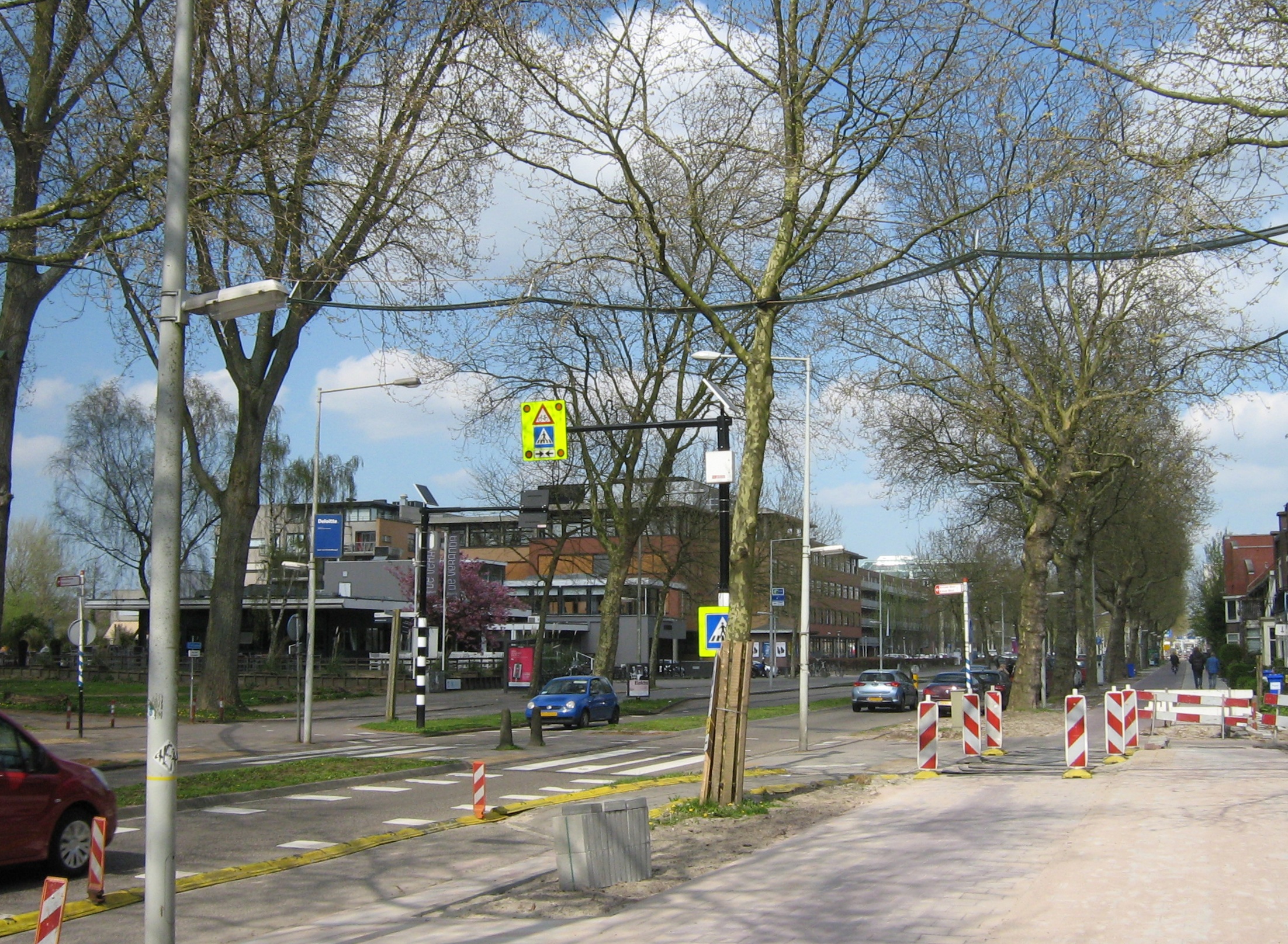
Citing the Tangail Forest Department, Bangla TV reported that the corridors were made by fixing ropes to tall trees on both sides of the highway, so that monkeys, langurs, squirrels, civets and other tree-dwelling animals can cross without coming down to the ground. Md Mosharraf Hossain, deputy ranger of the Madhupur National Park Sadar Range, said the corridors were built with the participation of local communities under the Madhupur Sal Forest Establishment Project, which runs from April 2025 to March 2028. Jagonews24 referred to it as the Sal Forest Restoration Project.
Forest Department sources said the five corridors were a trial: if monitoring showed good results, similar crossings would be built at other dangerous spots in the forest. Assistant Conservator of Forests Rana Deb said the ropeways would reduce road accidents and also help wildlife move freely, prevent the fragmentation of their habitat and support breeding. He added that the department had tried to keep the ropeways well away from power lines.
The Madhupur sal forest and its capped langurs
Madhupur Garh is described as Bangladesh's third-largest forest. Jagonews24 reported that the forest once spread over about 62,000 acres but that a large part of it had already been cleared, and that deforestation, shrinking habitat and food shortages had left many wild animals at risk. Part of the forest was declared Madhupur National Park in 1982 and covers 8,436 hectares; about 40% of the forest is sal.
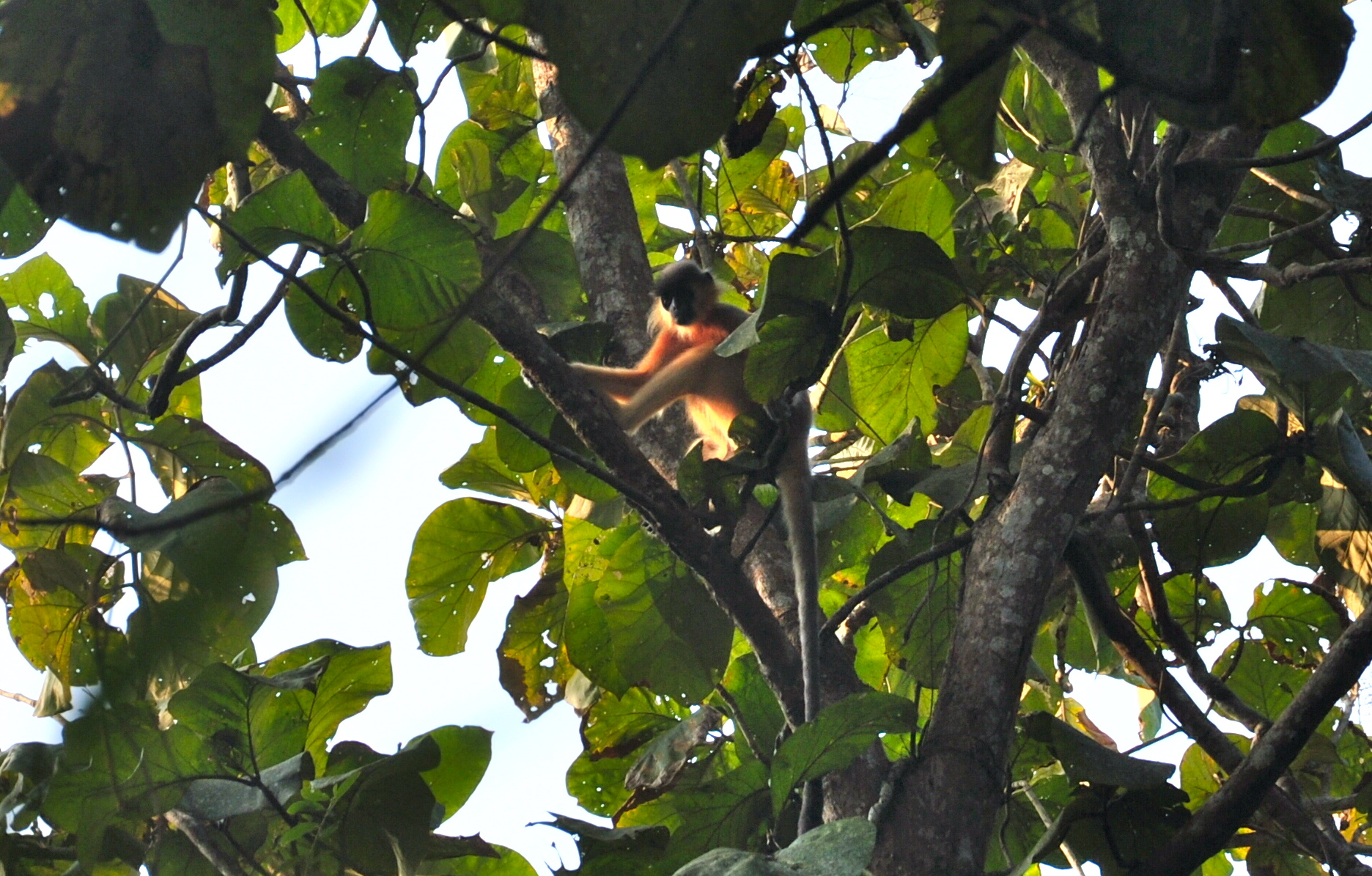
Prof Dr ASM Saifullah of the Environmental Science and Resource Management department at Mawlana Bhashani Science and Technology University told Jagonews24 that Madhupur's rare capped langurs live high in the trees and move from tree to tree in search of food. The capped langur (Trachypithecus pileatus) is found in Bangladesh, northeast India, Bhutan and Myanmar, and is listed as Vulnerable on the IUCN Red List.
Power lines a further danger
Prof Saifullah said high-voltage power lines running through the forest posed a major risk to tree-dwelling animals, and that a safer electricity network would reduce deaths and keep their breeding normal. Speaking to Bangla TV, he said wildlife-friendly structures on highways next to forests would cut road deaths and help conserve biodiversity, noting that such corridors were used in many countries with positive results.
Those involved hoped that, alongside the ropeways, protecting the forest and keeping it safe would bring positive change for Madhupur's biodiversity.
Photo: Antar Kubi / Wikimedia Commons (CC BY-SA 4.0)
Sources: Jagonews24, Bangla TV, The Daily Campus, BSS, Wikipedia (Madhupur National Park, Capped langur)
Comments
(0)