
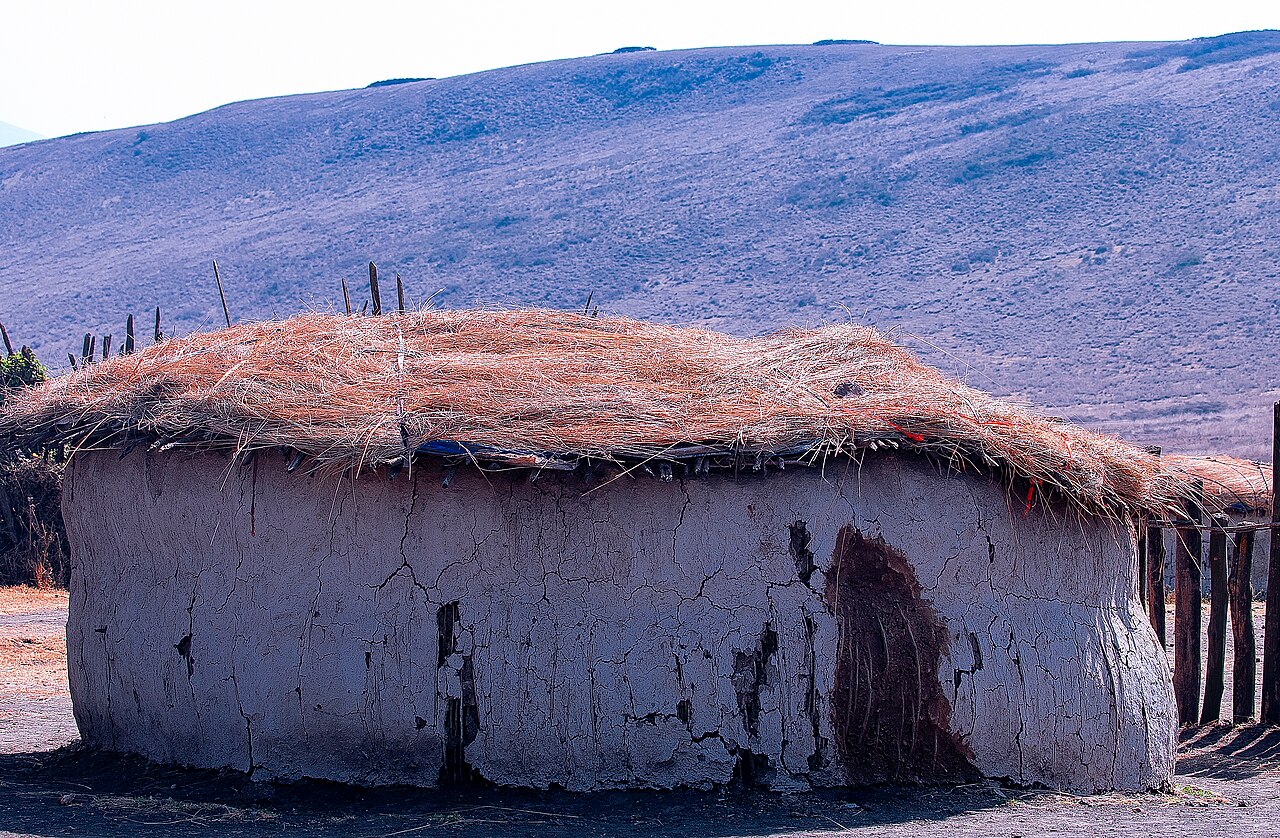
Pastoralist women in Kiteto District, northern Tanzania, are taking part in decisions over rangeland that were long left to councils of male elders, through joint village land-use planning and women's rights and leadership forums supported by the International Livestock Research Institute (ILRI), ILRI reported.
Matipei Naisendu starts her day milking cattle in the pen, like many Maasai women in Kiteto. She now chairs the Lembapuli Women's Rights and Leadership Forum, sits on the village council and takes part in land governance. "As a member of the committee, I participate in deciding who is given land, when, and for what purpose it should be used," she said.
Since 2010 ILRI has worked with Tanzania's Ministry of Livestock and Fisheries, the National Land Use Planning Commission and local civil society groups to secure rangelands for pastoralists and smallholders through Joint Village Land Use Planning (JVLUP) and certificates of customary right of occupancy. Villages are grouped into clusters for joint planning: four in Kiteto, two in Chalinze and one in Kilosa. The model requires women's active participation in land-use committees and livestock keepers' associations.
ILRI and the Tanzanian NGO KINNAPA Development Program also run the leadership forums, where women train and take up income activities such as fattening and selling livestock. Pauline Ngurumwa, a community development specialist at KINNAPA, said women now report more security and more time for other economic work. ILRI says preliminary evidence shows the forums have improved women's voice, collective action, economic empowerment and access to land rights.
In November 2023 around 650 Maasai women in Kiteto held a peaceful demonstration against farmers encroaching on grazing land the government had already demarcated and gazetted. The district commissioner set up a team of women and traditional leaders to work with the district on the encroachment.
Problems remain. Women can reach land through their husbands or the village government, but tenure is fragile without formal titles, and customary inheritance excludes women despite national legal protections. ILRI says women own just 38 percent of land in Tanzania. "If my husband dies, the land might be grabbed from me," said Titeeiyo Osimanjiroi, a women's representative.
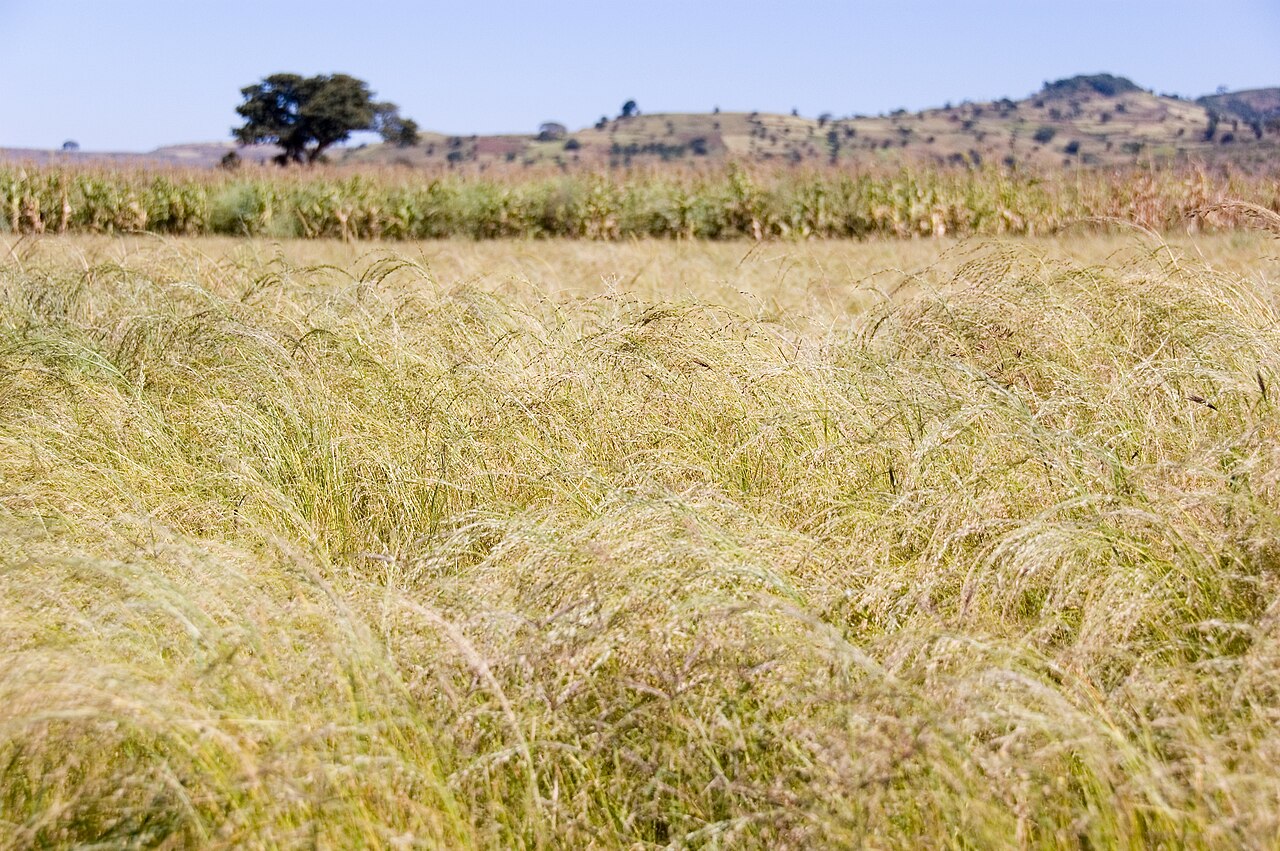
Photo: Erasmus Kamugisha / Wikimedia Commons (CC BY-SA 4.0)
Source: ILRI
Comments
(0)