
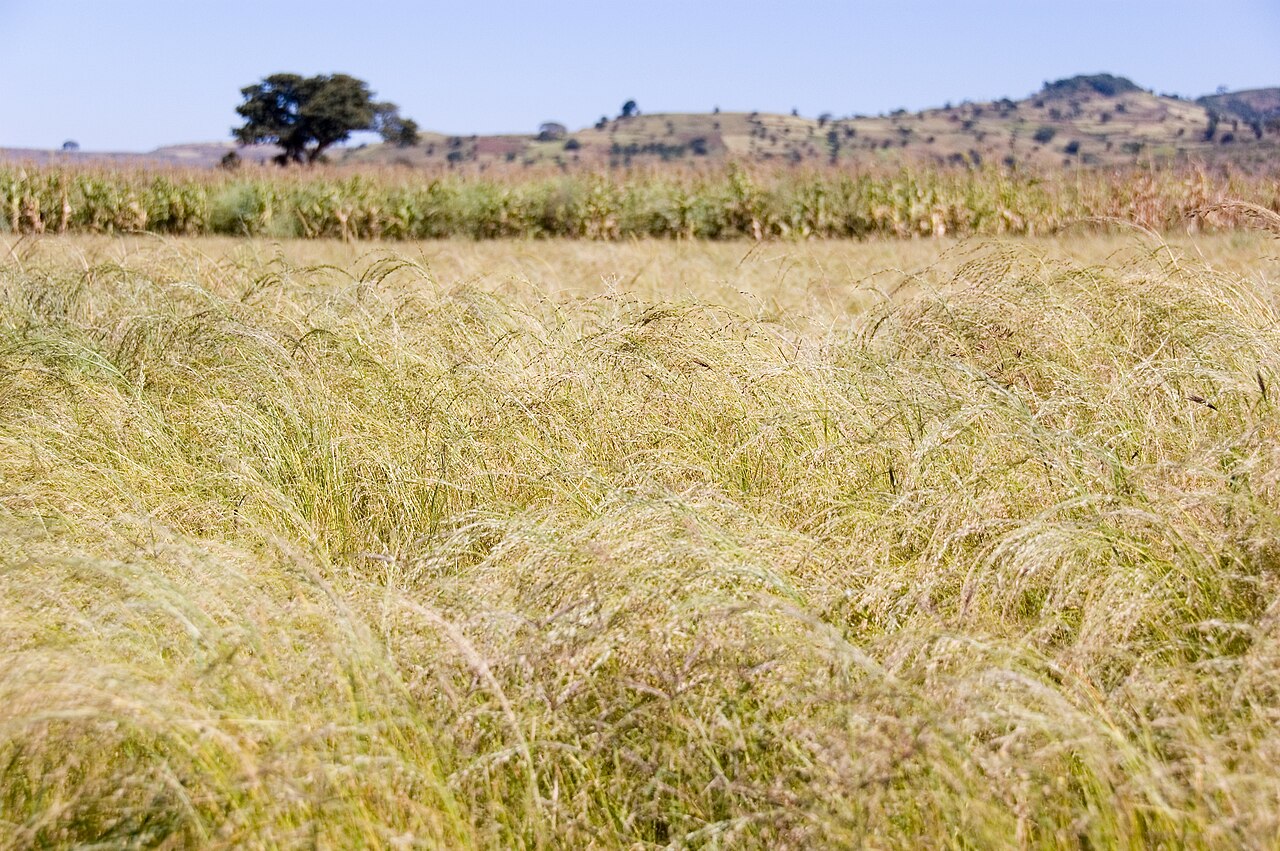
A long-term experiment set up by CIMMYT in 2023 at Ambo University's Abebech Gobena Research Center in Guder, Central Ethiopia, is turning into a hub where farmers pick up new practices and other research institutes bring their own work, CIMMYT reported.
Farming around Guder is dominated by wheat, teff and maize. Continuous cereal growing, with crop residues removed or burned, has worn down soil fertility, so CIMMYT and its partners introduced legumes into the cereal systems as part of integrated soil fertility management. Haricot bean did particularly well, and farmers began growing it on their own land.
Birhanu Dendena of Aba-Geda village in the Toke area harvested 150kg of haricot bean from a 300 square metre demonstration plot. "On land where I previously harvested 70-100kg of teff, I produced 350kg of haricot bean," he said, adding that he sold the beans as seed through the Bureau of Agriculture at 7,500 Ethiopian birr per quintal and then planted chickpea on the remaining soil moisture.
Alemu Bedane of Kilinto expected three quintals of haricot bean and harvested six, plus two quintals of chickpea from the same land in the same season. He used to burn his crop residues. Comparing teff grown after haricot bean with teff on a nearby plot, he said the crop after beans performed far better even though he did not apply all the fertiliser he had bought. Both farmers said they need stronger market links as output grows.
The International Livestock Research Institute (ILRI) has started forage trials at the centre with Desmodium, lablab, alfalfa, field pea, sesbania, Lucena, vetch and pigeon pea. In Ethiopia's mixed crop-livestock farms, cereal residues are needed both as animal feed and to protect the soil, and new forage sources could reduce that competition. CIMMYT says the forage work is at an early stage.
CIMMYT and its partners aim to spread cereal-legume integration across Toke Kutaye and surrounding districts, reaching 5,000 farmers by 2027 and 15,000 direct adopters by 2030. They say that will take quality seed systems, extension services and reliable markets, with particular attention to women and young farmers.
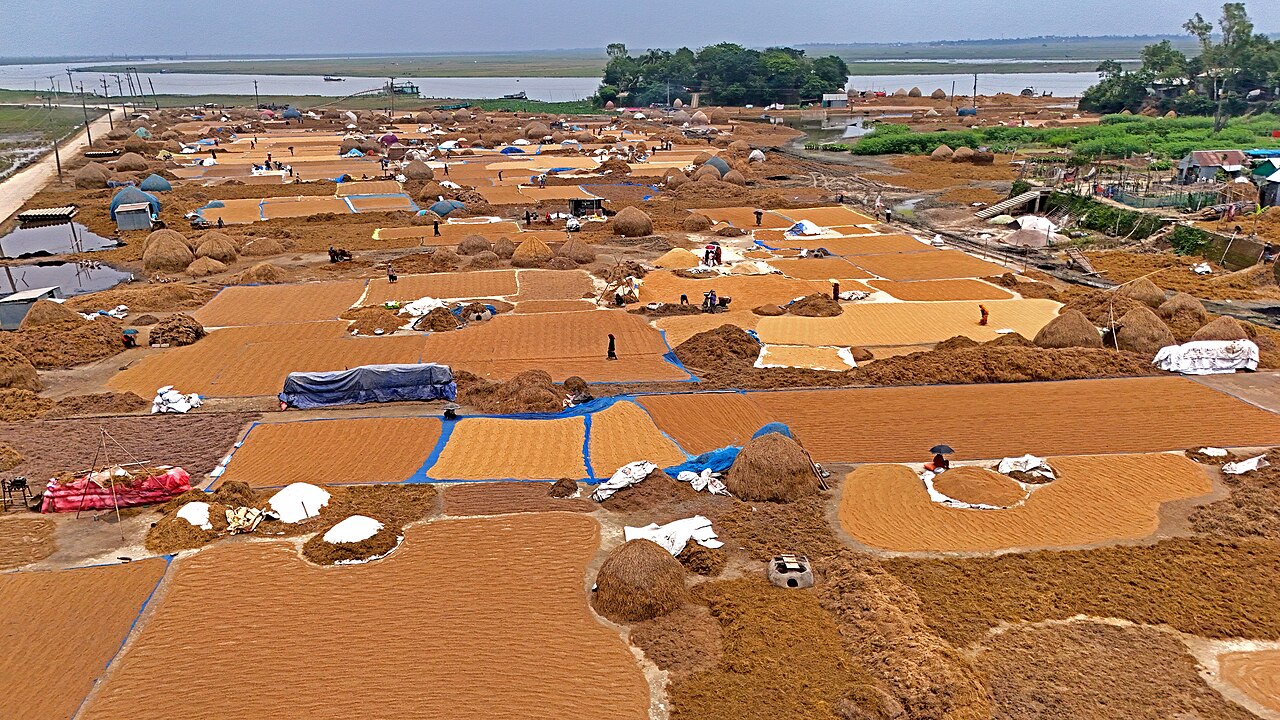
Photo: A. Davey / Wikimedia Commons (CC BY 2.0)
Source: CIMMYT
Comments
(0)