
A good season for a livestock farmer is not one with good rain, but one in which drought or disease may strike and the animals still have feed, stay healthy and leave the farmer something to sell. That was the message of Dr Ronny Sibanda, a Zimbabwean agricultural economist and farmer, at the Bulawayo Agricultural Society's launch of the 2026/27 Matabeleland farming season on 6 November, Farmer's Weekly reported.
Breed choice comes first. Sibanda said he sees farmers in WhatsApp groups choosing animals because someone else keeps them. "You need to be clear about why you are choosing a particular breed. This is a business," he said, adding that breeds differ in how they cope with drought, feed shortages and disease under the same management.
Farmers should have at least two feed sources ready before the dry season. He listed crop residues such as stover, which can be treated and fed; natural grazing, usually the cheapest but exposed to drought and erratic rain; and grown fodder, which needs a good water supply, so water should be assessed before planting.
New forage varieties can bring higher yields, hardiness and more protein or energy, but Sibanda warned against planting them just because others do. "Before adopting a new technology, ask yourself: Will it benefit my animals? Do I have the necessary infrastructure? If you can't explain how a new feed source will benefit your animals, don't plant it yet," he said.
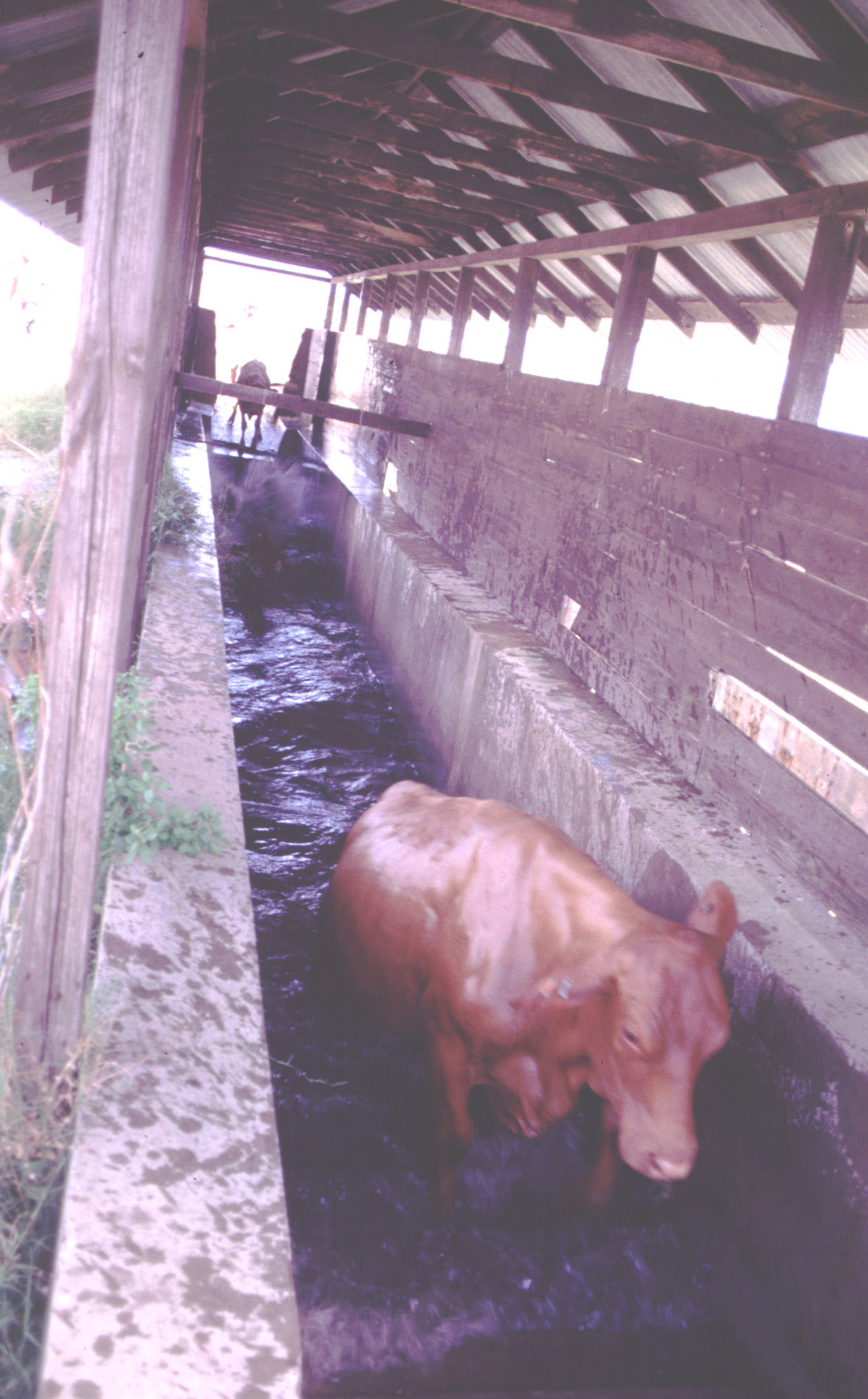
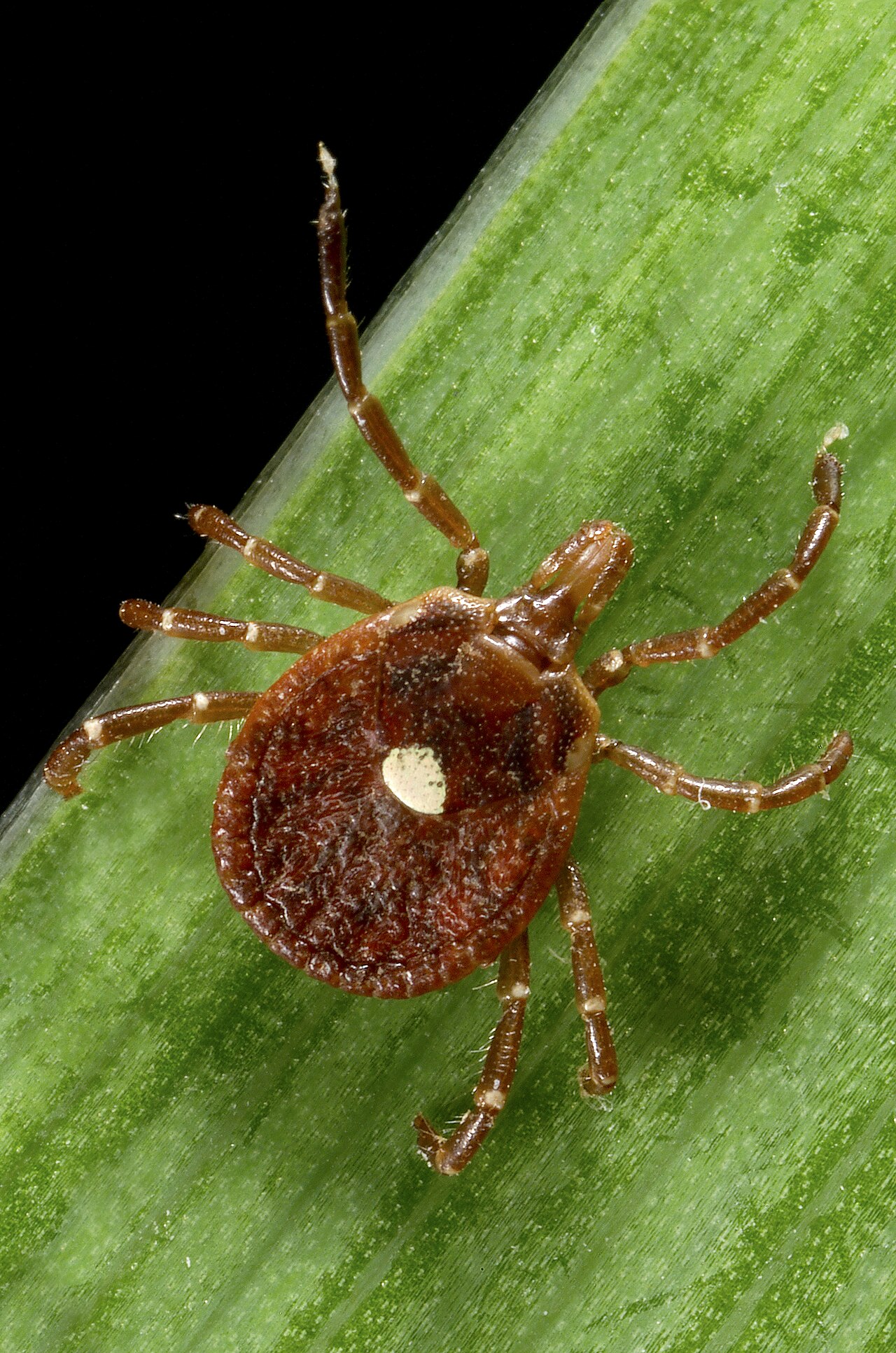
He said Zimbabwean farmers are losing animals to January disease and foot-and-mouth disease because basic practices are not followed, and that animal health depends on daily management such as proper dipping and correct use of medicines. Some owners, he said, have never watched a dipping on their own farm; workers may pen animals in a corner, spray them at random with a knapsack sprayer and report the job done. His advice: visit unannounced and make sure your systems work as planned.
Reporting by Clemence Manyukwe for Farmer's Weekly.
Photo: Alan R Walker / Wikimedia Commons (CC BY-SA 3.0)
Source: Farmers Weekly South Africa

Comments
(0)