
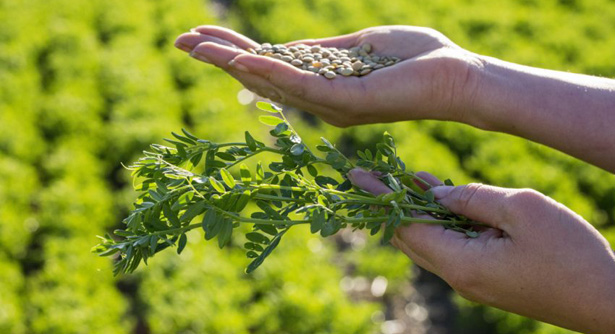
Few pulses can match the lentil. Bengalis were once described as living on fish and rice; now it is lentils and rice, and lentil dal is everyone's favourite. Lentils are rich in food energy and protein.
Soil and land preparation
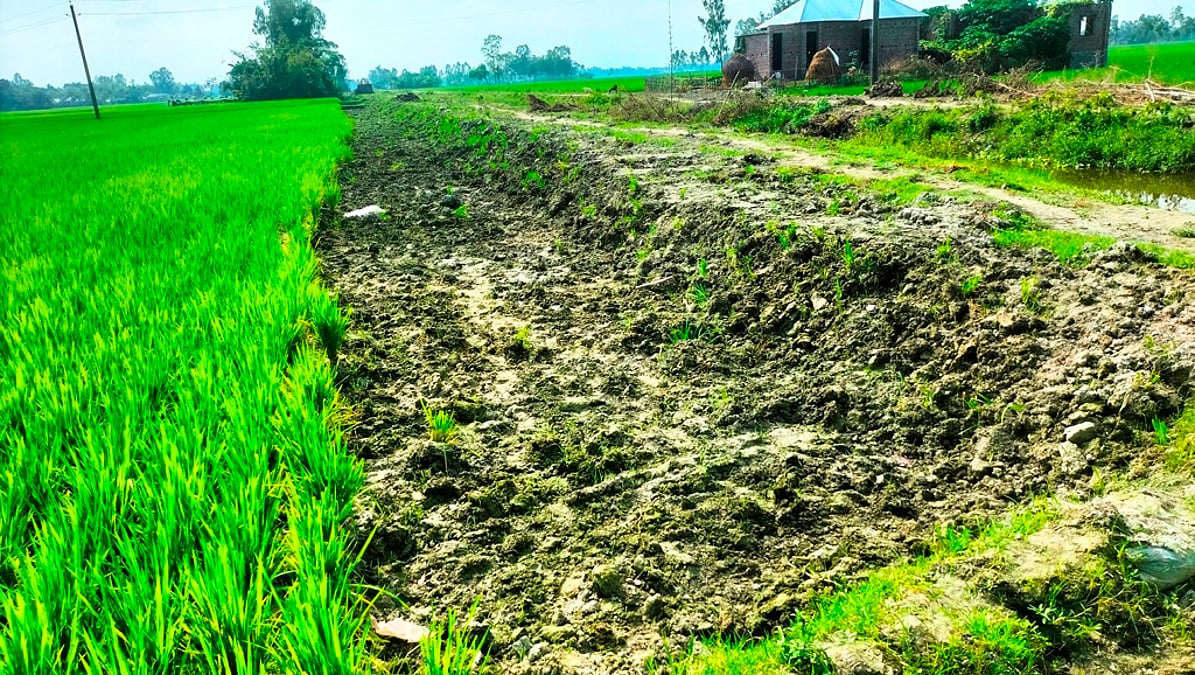
Well-drained sandy loam soil is the most suitable for lentil cultivation. The land should be prepared with three to four cross ploughings and levelled well with a ladder.
Sowing method, rate and time
In most parts of the country seed is broadcast, but sowing in lines is better. Line sowing makes weeding, irrigation, drainage and other care easier. A spacing of 30 centimetres between rows works well. Each hectare needs 30-35 kg of seed; slightly more seed is needed if it is broadcast.
The best time to sow lentils is from the second to the third week of the Bengali month of Kartik (late October to the first week of November).
Fertiliser management
The recommended doses per hectare are:
- Urea: 40-50 kg
- TSP: 80-90 kg
- MoP (potash): 30-40 kg
- Microbial (bio) fertiliser: as recommended
All the fertiliser should be applied at the final ploughing. On land where lentils have not been grown before, approved microbial fertiliser can be applied at 90 grams per kg of seed.
Crop care
Weeds can be controlled with a weeder within 30-35 days of sowing. After heavy rain, drainage must be arranged so that water does not stand in the field.
Pests and diseases
For foot rot of lentils, crop residues should be burnt. Seed should also be treated with Vitavax-200 at 2.5-3.0 grams per kg of seed (0.25%).
For lentil rust, crop residues should be burnt and the disease-resistant varieties BARI Masur-3 and BARI Masur-4 grown. Tilt-250 EC (0.04%) should also be sprayed two to three times at intervals of 12-15 days.
For Stemphylium blight, crop residues should be burnt, and the fungicide Rovral WP (0.2%) sprayed two to three times at 10-day intervals.
Harvest and seed storage
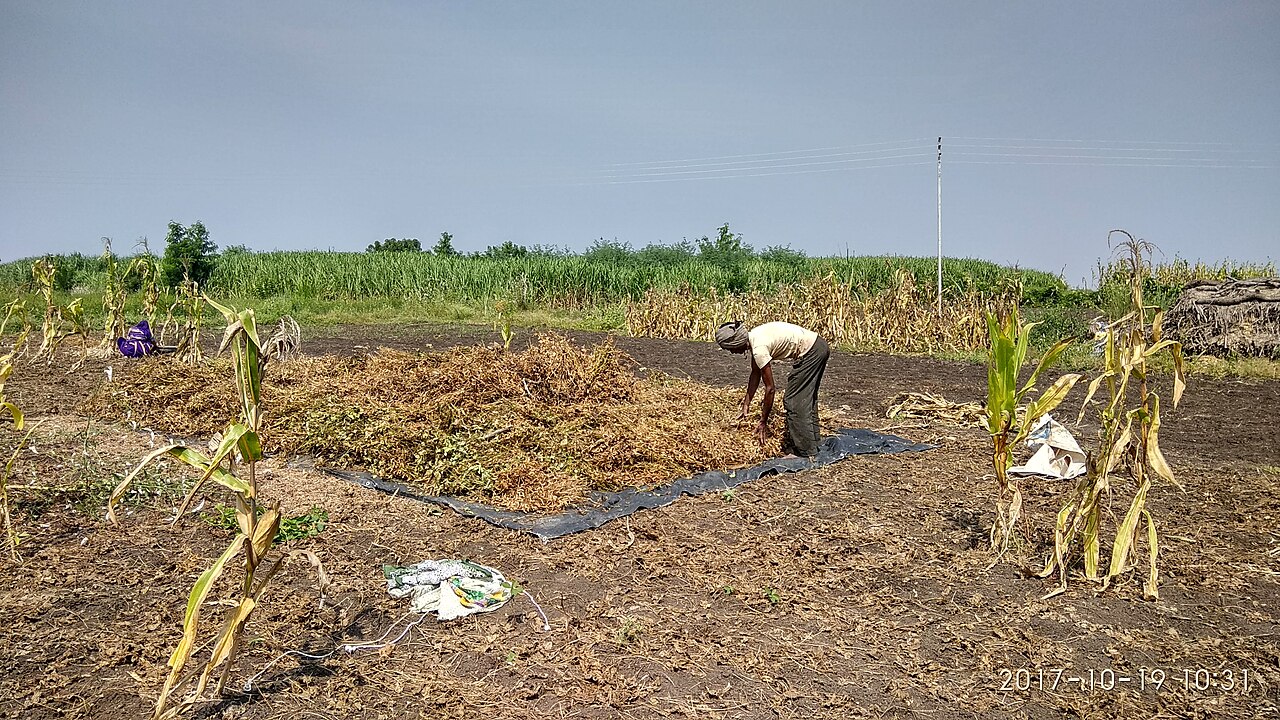
The crop can be harvested from the middle of Falgun to the middle of Chaitra (March).
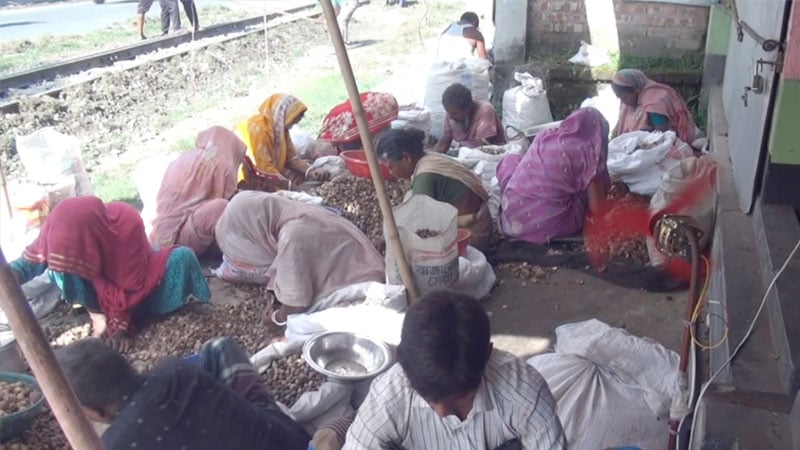
Seed should be dried well in the sun to bring its moisture content below about 10%. It should then be stored in tin containers, polythene or jute bags, or earthen pots coated with tar.
Source: Staff Correspondent. First published in Bengali on The Agro News.
Comments
(0)