
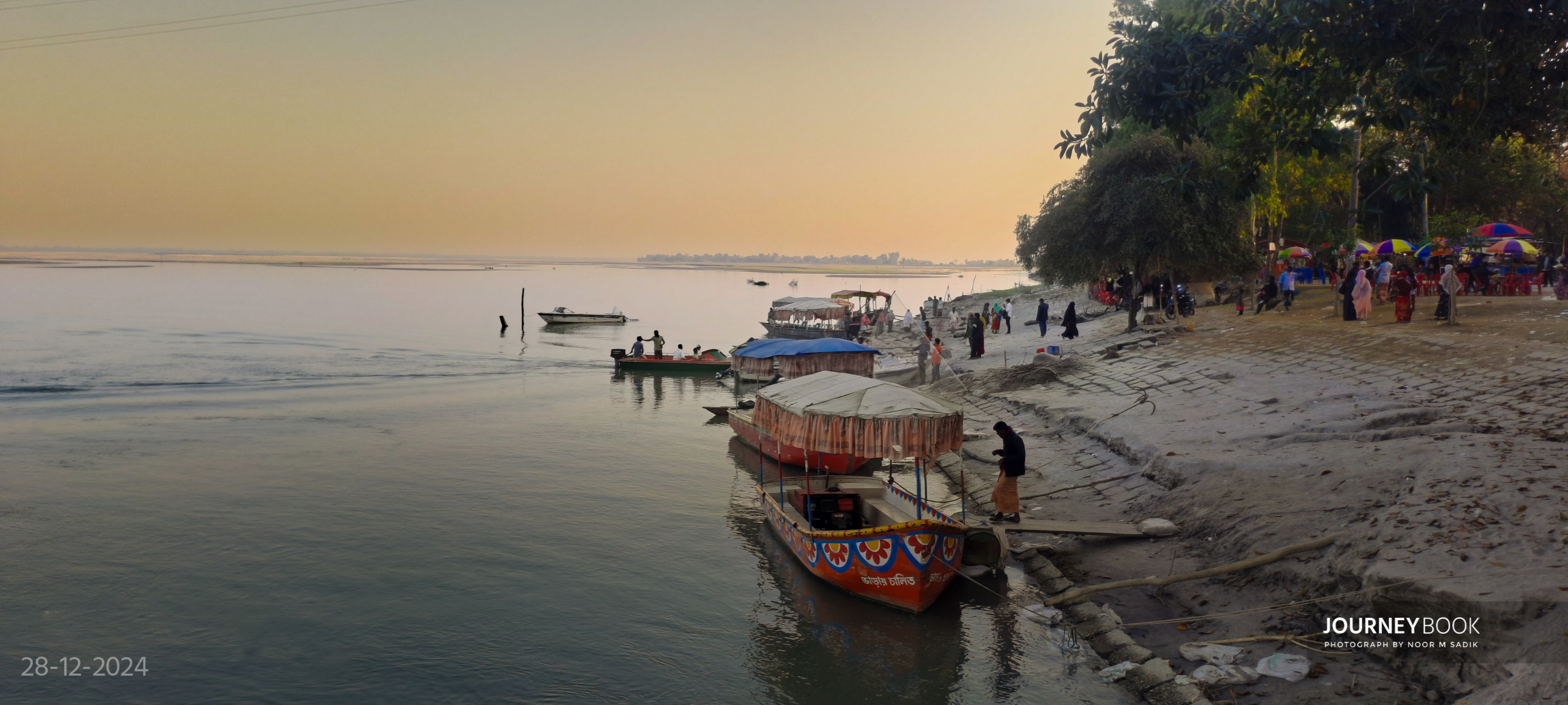
In early May 2025, farmers on the sandbars that rise from the bed of the Teesta in Lalmonirhat were harvesting a bumper crop of sweet pumpkin. Land that once lay barren after the floodwater receded was producing a good yield, and growers along the river were pleased. But prices were lower than the year before, and without proper marketing arrangements the farmers said they were not earning what they had hoped. Jagonews24 reported the story on 4 May.
According to the Department of Agricultural Extension (DAE) in Lalmonirhat, sweet pumpkin of various varieties was grown that year on 1,320 hectares of char and flat land across the district's five upazilas. A hectare yields 25 to 30 tonnes, and 80 per cent of the district's pumpkin is grown on the Teesta's sandbars.
The Teesta chars and Lalmonirhat
Lalmonirhat is a district on Bangladesh's northern border, in Rangpur Division. Its five upazilas are Lalmonirhat Sadar, Aditmari, Kaliganj, Hatibandha and Patgram. The district lies in the Teesta floodplain and is largely farmland. The Teesta comes down from the eastern Himalayas, flows through Sikkim and West Bengal in India, enters Bangladesh in Rangpur Division and runs through Lalmonirhat, Rangpur, Kurigram and Gaibandha before joining the Jamuna.
In the rivers of northern Bangladesh, sandbars appear in the dry season, roughly from mid-November to mid-April, as the flow drops, and disappear again in the monsoon. Because they are made mostly of sand, most of them are left uncultivated.

Growing pumpkin in pits dug into the sand
The development organisation Practical Action Bangladesh has worked on this way of farming sandbars in Gaibandha and Rangpur since 2005. Its 2012 technical brief says the pumpkin season normally starts in October-November. Pits about one metre deep and one metre across are dug into the sandbar, roughly two metres apart, and lined with compost made of cow dung, soil and water. Seeds go in a few days later, and the plants need regular care and irrigation for about five months; because the sandbars lie close to the river, watering can often be done by hand.
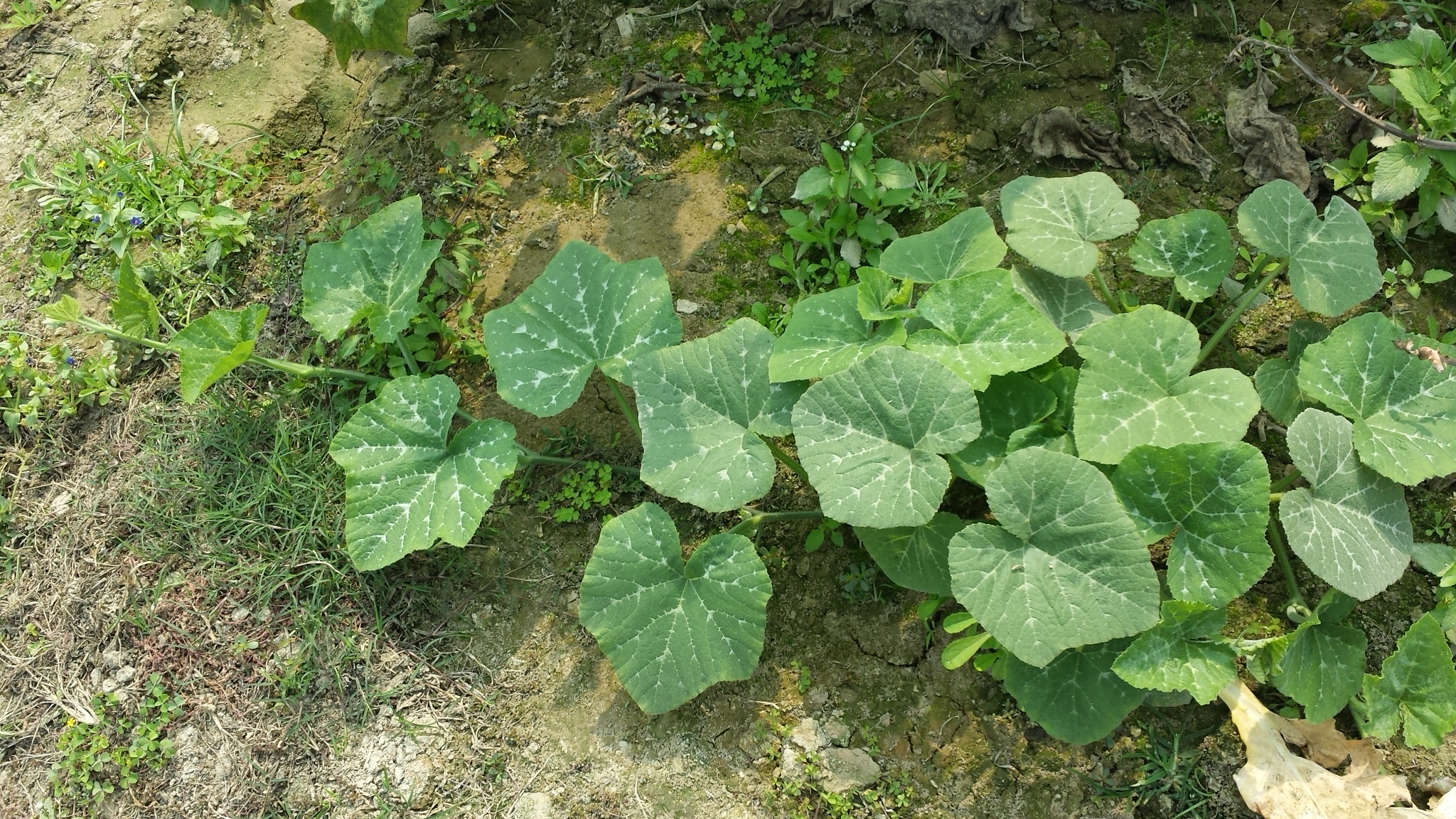
A good yield, but prices below last year's
Ashraful Rifat, a farmer from the Shoilmari char in Kaliganj upazila, told Jagonews24: "Crops could not be grown on the sandbars before. After the water receded, the land lay abandoned. It costs Tk 6-7 to produce a kilogram of pumpkin. Last year I sold pumpkin at Tk 17-18 a kg; this year it is selling at Tk 11-12." He said he had produced 3,000 kg on one plot at a cost of Tk 18,000 and would have made a profit at the previous year's price.
Nadirul Islam, from the Rajman Munshi area of Kalmatir char in Sadar upazila, harvested 12,500 kg from 4 bighas. "Because the price is low this year I have sold half and stored the other half at home," he said. "The weather was favourable, so the yield was as hoped."
Shamsul Alam, from Char Bhotmari in Kaliganj, said a group of 25 farmers had been formed to grow pumpkin, watermelon, maize, groundnut and sweet potato on the Teesta sandbars. He harvested 24 tonnes of pumpkin from 1 hectare. "I am happy with the yield, but without good marketing arrangements we cannot make more profit," he said.
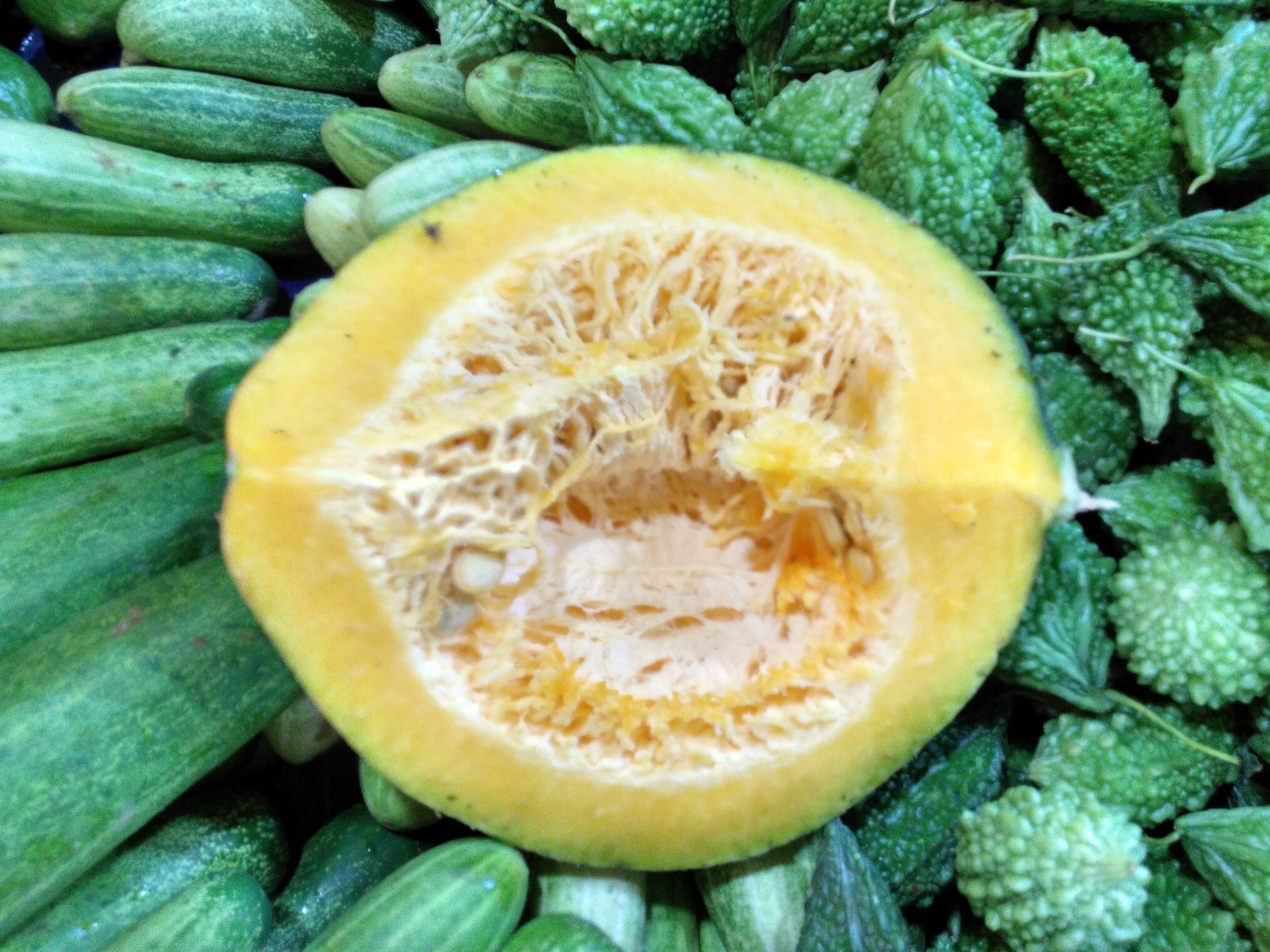
Why prices fell, and storing the crop
Dr Saikhul Arifin, deputy director of the district DAE, said: "Pumpkin prices have fallen this year because potato prices are low. Supply rises because farmers harvest pumpkin at the same time." He said pumpkins kept with care can be stored at home for six to seven months, but most farmers need cash and so cannot hold on to their crop. Practical Action's brief notes that ripe sandbar pumpkins are usually stored at home on raised bamboo platforms.
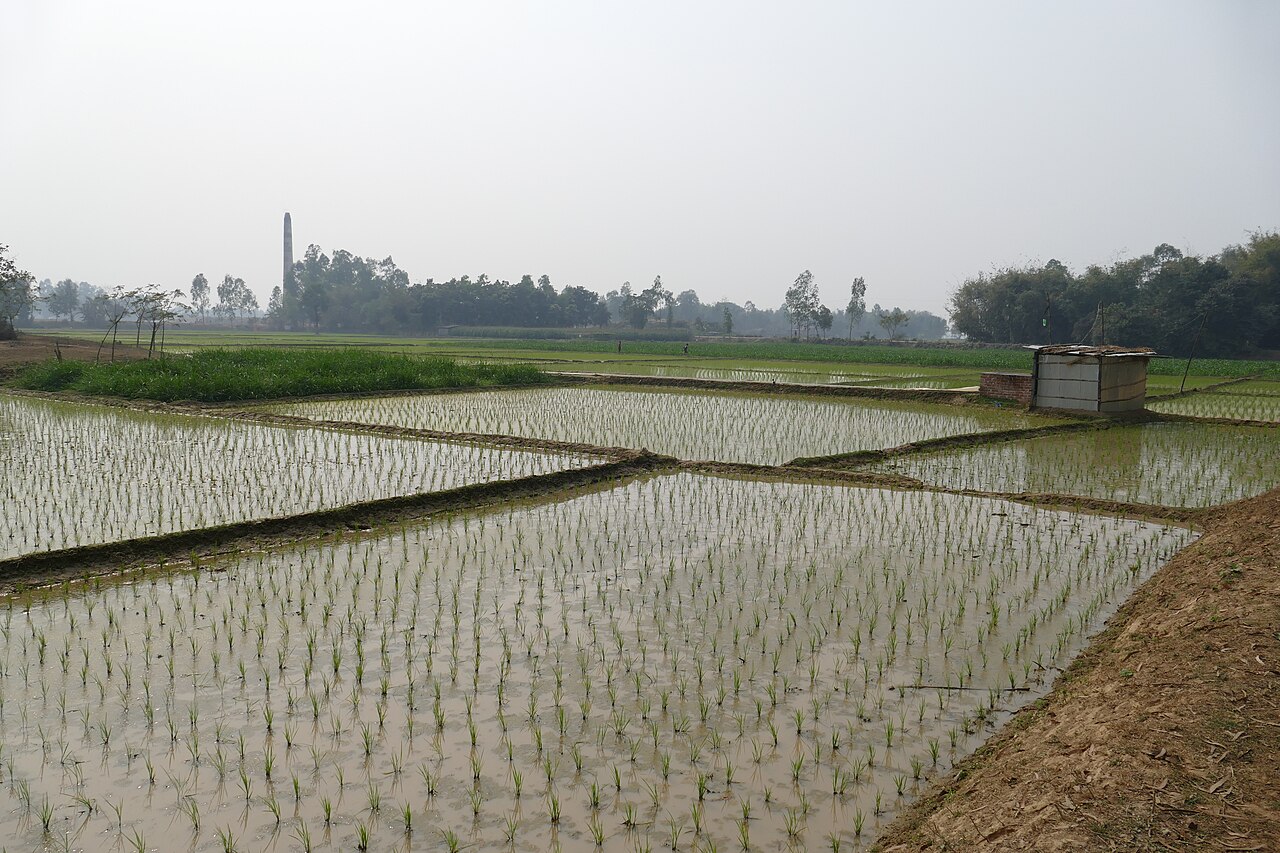
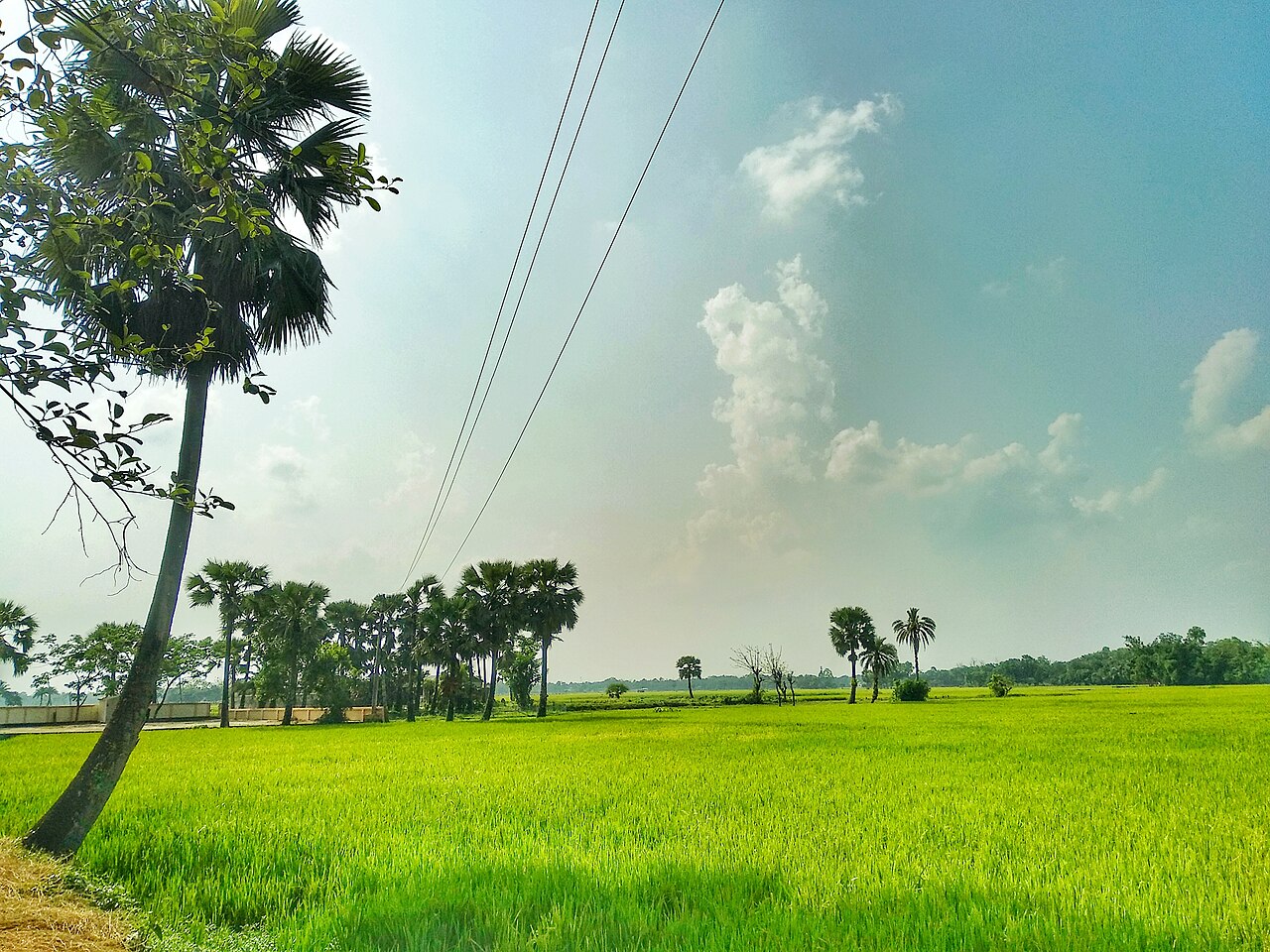
Photo: Noormsv / Wikimedia Commons (CC BY-SA 4.0)
Sources: Jagonews24, Practical Action (Pumpkin Growing Using Sandbar Cropping, 2012), Wikipedia (Lalmonirhat District, Teesta River)
Comments
(0)