
The government decided on Wednesday, 29 July 2026, to build a buffer warehouse with a capacity of 10,000 tonnes in Lakshmipur district to strengthen the storage and distribution of fertiliser there. The contract for the work is worth Tk 49,14,27,814 (about Tk 49.14 crore), including VAT and taxes, and will be paid for entirely from government funds, Jagonews24 reported that evening.
The proposal was approved at a meeting of the Cabinet Committee on Government Purchase held at the Secretariat in Dhaka and chaired by Finance Minister Amir Khasru Mahmud Chowdhury. The warehouse will be built under the project "Construction of 34 buffer warehouses at different locations in the country to facilitate fertiliser storage and distribution (first revised)", which the Bangladesh Chemical Industries Corporation (BCIC) is implementing under the Ministry of Industries.
How the contractor was chosen
According to the Jagonews24 report, the work was put out to an open tender. Four firms submitted bids, and two of them were judged technically responsive. After the whole process, and on the recommendation of the tender evaluation committee, MBL and REL of Dhaka, which had bid jointly, were selected as the lowest bidder. The purchase committee approved buying the construction work from this joint venture at its quoted price.
Lakshmipur is not the first site of the project to reach this stage. On 22 October 2025, a virtual meeting of the government purchase committee approved a contract for a buffer warehouse of the same size, 10,000 tonnes, in Barguna. That warehouse was Lot 5 of Package 4 of the same 34-warehouse project, the recommended bidder was M/s MBL-RFL, and the price was Tk 51,73,94,295, Desh Rupantor reported on the day.
What will be built at the Lakshmipur site
The main building will be a steel-structure buffer warehouse for storing 10,000 tonnes of urea fertiliser at the site chosen in Lakshmipur. The contract also covers the works needed to run and guard a large fertiliser store. As listed in the report, they are:
- land development of the site;
- an office-cum-guesthouse;
- a barracks for the Ansar guards;
- a substation and generator room, with substation equipment of 100 kVA and a 60 kVA generator;
- separate toilets and a watch tower;
- reinforced concrete storm-water drains;
- a pump house and an underground water reservoir, and a pond to be dug on the site;
- a boundary wall, a main gate and a guard room;
- a solar power system.
The project's first revision was approved by the Executive Committee of the National Economic Council (ECNEC) on 11 April 2023. As stated in the report of 29 July 2026, the project runs from 1 September 2018 to 30 June 2027.
A project of 34 warehouses
Bangladesh Sangbad Sangstha (BSS), the national news agency, described the project in detail on 2 May 2026. ECNEC first approved it on 4 November 2018 at a cost of Tk 1,983 crore 3 lakh 96 thousand, with a deadline of June 2021. Because the work was not finished during the coronavirus pandemic, the deadline was extended to June 2022 without raising the cost. On 11 April 2023 ECNEC approved the first revised project at Tk 2,482 crore 84 lakh 46 thousand, with a deadline of June 2025. On 19 June 2025 the deadline was extended by two more years, to June 2027, again without raising the cost. The project is financed by the government.
The warehouses are to be built in 34 districts. The districts BSS listed include Lakshmipur together with its neighbours in the coastal south and east, such as Bhola, Chandpur and Cumilla, as well as Patuakhali, Barguna, Bagerhat, Khulna, Satkhira, Jashore, Kushtia, Faridpur, Mymensingh, Netrokona, Bogura, Rangpur, Dinajpur, Rajshahi, Manikganj and Munshiganj. Together they are planned to hold 510,000 tonnes of fertiliser.
The warehouses come in four sizes, BSS reported:
- four warehouses of 25,000 tonnes each;
- eight warehouses of 20,000 tonnes each;
- six warehouses of 15,000 tonnes each;
- sixteen warehouses of 10,000 tonnes each, the size planned for Lakshmipur.
Once all 34 are running, BSS reported, they will add storage for 510,000 tonnes, make it possible to keep a stock of at least 800,000 tonnes in the peak fertiliser season, make local storage easier, cut transport costs and help farmers get fertiliser on time. The project director summed up the aim to the agency in a phrase: the farmer will not have to go to the fertiliser; the fertiliser will go to the farmer.
Progress and hurdles reported in May 2026
By early May 2026, according to the project director's account to BSS, land had been acquired in 33 districts and construction was under way at 20 sites. Land acquisition was still going on in Kushtia. He said complications had raised the project's time and cost somewhat.
BSS listed the reasons for the delays as electricity poles on the sites, land belonging to the railway, government khas land, land recorded as river, road-related problems, late environmental clearance, and proposals from local representatives and residents to move a site elsewhere.
To watch over the work, BCIC formed four monitoring committees of three members each. CCTV links connect the ministry, the project director's office and the sites, and a separate monitoring team works at each site, the agency reported.
Why storage space matters
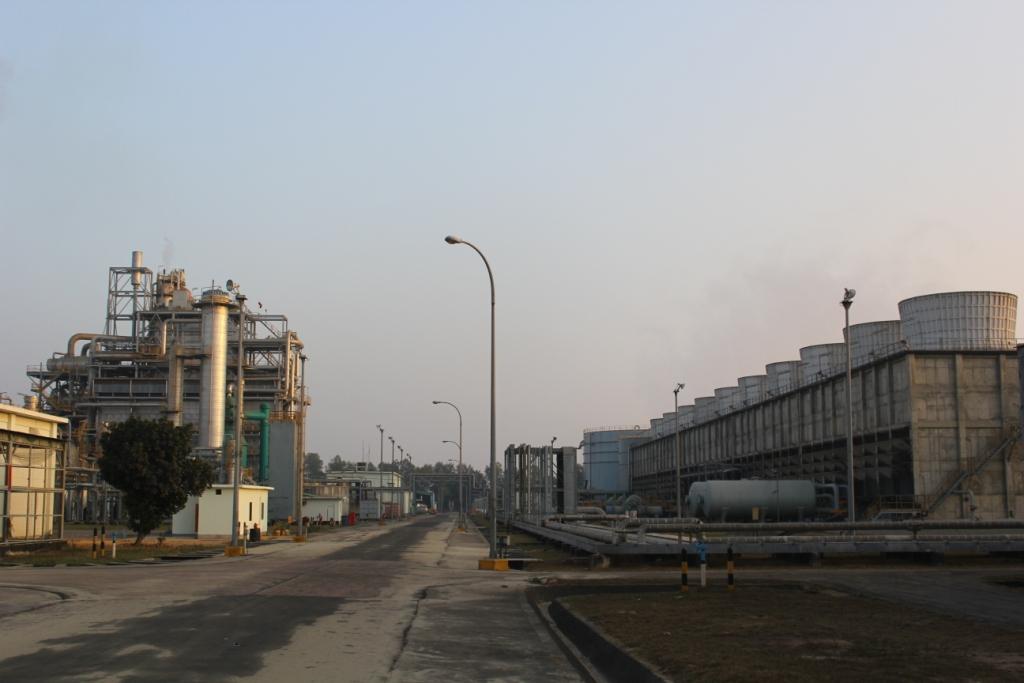
Citing BCIC and the Bangladesh Agricultural Development Corporation (BADC), BSS reported in May 2026 that the country's annual demand for urea is about 2.5 million tonnes, and that a further 800,000 tonnes is kept as an emergency reserve. The supply and stock of the total of 3.3 million tonnes is handled through BCIC.
BCIC's own 25 warehouses hold about 307,000 tonnes, the agency reported. As a result, much of the fertiliser has to be kept in open spaces, where it risks caking. BADC's 24 emergency warehouses hold a total of 145,500 tonnes, and 1.7 to 1.8 million tonnes of urea are supplied to farmers from these stores each year.
The shortage of covered space is an old problem. In February 2016, The Daily Star reported from Gaibandha that a large amount of urea lay in the open in front of the district's buffer warehouse, which had been built 36 years earlier with room for 2,000 tonnes. Some 8,066 tonnes were then stored in and around it, the January allocation for boro rice was 10,030 tonnes, and about 1,000 tonnes of the previous year's stock had been spoiled by bad weather, powdered and repacked, which farmers did not want to buy. The warehouse in-charge told the paper the store had been built for the demand of its time, while the requirement had since multiplied. The paper added that in the peak boro period the district needed 7,000 to 14,000 tonnes of fertiliser a month, and that although the government planned 13 new warehouses across the country that fiscal year, Gaibandha was not on the priority list.
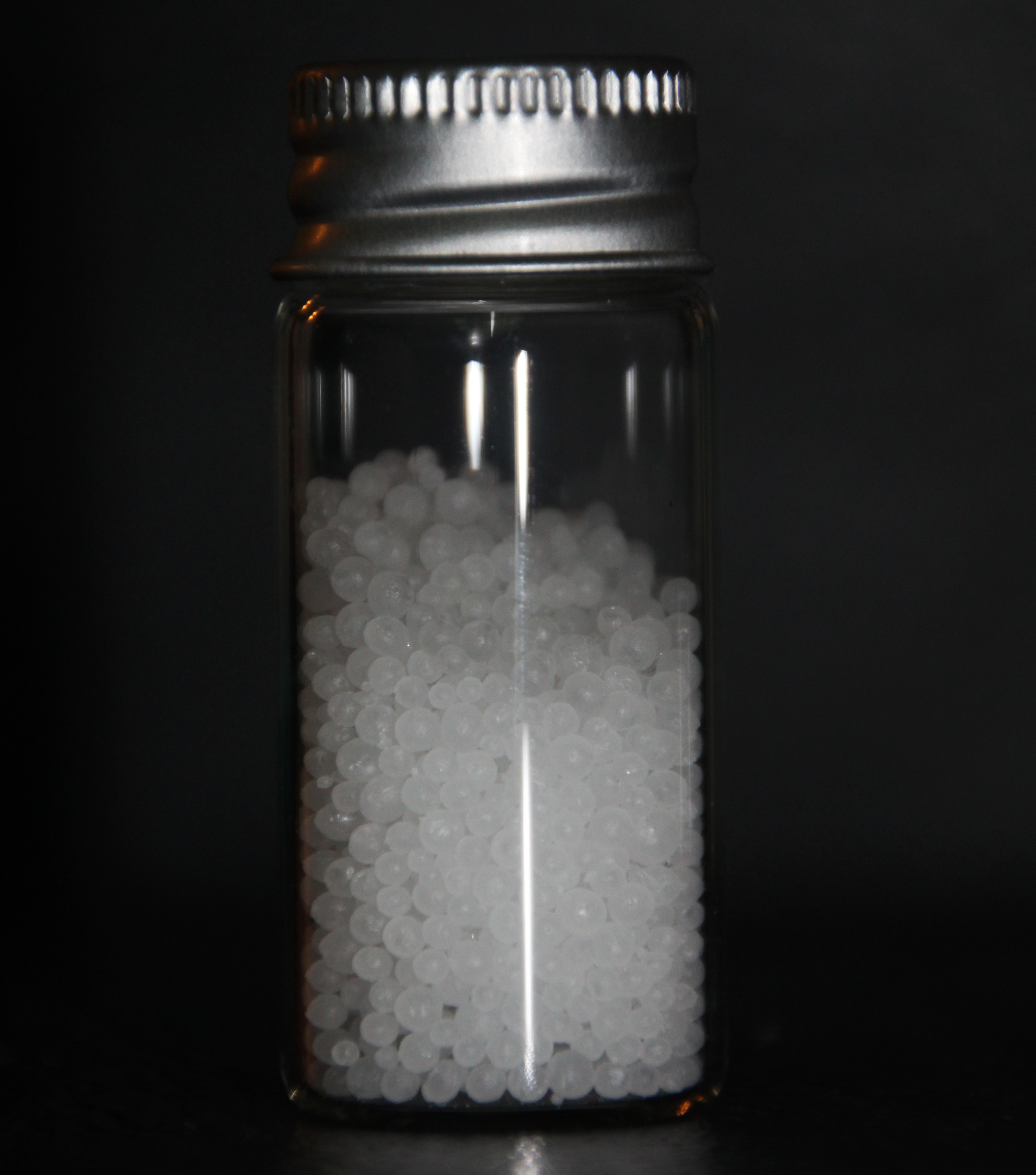
The form of the fertiliser is part of the reason. Urea is sold as small prills or granules; reference works on the chemical note that prills tend to cake or crush during bulk storage and handling, and that manufacturers add formaldehyde to both prills and granules to increase their crushing strength and suppress caking.
Earlier buffer warehouse work
BCIC had already built buffer warehouses under an earlier project. In August 2019, The Financial Express reported that a project to build 13 buffer warehouses for fertiliser storage and distribution, costing about Tk 6.16 billion and approved by ECNEC in November 2018, had reached about 29 per cent progress. Its 13 sites were in Panchagarh, Nilphamari, Sherpur, Sunamganj, Kishoreganj, Pabna, Gaibandha, Chapainawabganj, Jashore, Rajbari, Netrokona, Gopalganj and Barishal, on 50.908 acres of land. The aim, the paper wrote, was to increase the stock of fertiliser during the peak season. The project's allocation for 2019-20 was Tk 2.0 billion and Tk 1.74 billion had been spent by July 2019; the ministry presented its progress report to the parliamentary standing committee on 25 August 2019. All the acquired land had been handed over to Sena Kalyan Sangstha.
In October 2020 the same paper reported the opening of a newly built warehouse at Arajigaighat in Boda upazila of Panchagarh, and that the government planned to build 34 buffer warehouses at various locations to ensure a smooth supply of fertiliser.
Urea in Bangladesh's fields
Urea contains 46 per cent nitrogen, the highest nitrogen content of the solid nitrogen fertilisers in common use. In the soil it breaks down to ammonium, which plants take up through their roots; in some soils bacteria then turn the ammonium into nitrate, another form that plants use. More than 90 per cent of the world's industrial production of urea goes into fertiliser.
Banglapedia, the national encyclopedia, records that chemical fertilisers came into use in what is now Bangladesh in the early 1950s and that their use rose steadily from the mid-1960s alongside modern crop varieties and irrigation. Urea supplies almost all the nitrogen that crops need; nitrogen matters most because the country's soils are low in it and nitrogen fertilisers show a quick, visible effect on crops. Inorganic fertilisers, the encyclopedia states, account for about half of total agricultural production. By its figures, fertiliser use per hectare rose from 18 kilograms in 1973 to 108 kilograms in 1994. Until 1980 fertilisers supplied mainly nitrogen, phosphorus, potassium and calcium; sulphur and zinc gained importance in the early 1980s, when gypsum, zinc sulphate and zinc oxy-sulphate were introduced. Urea production in the country was 1.873 million tonnes in 1997-98.
The country's demand has grown. The Ministry of Agriculture set fertiliser demand for the 2023-24 fiscal year at 6,842,500 tonnes of 11 types, including 2.7 million tonnes of urea and 1.6 million tonnes of DAP, bdnews24.com reported in April 2023. A year later, in May 2024, the same news site reported that annual demand had been 5.6 million tonnes three years earlier and about 6 million tonnes in the previous fiscal year, made up of 2.7 million tonnes of urea, 750,000 tonnes of TSP, 1.6 million tonnes of DAP and 900,000 tonnes of MoP.
Fertiliser is sold to farmers at prices fixed by the government, which pays a subsidy on every kilogram. When the government raised the prices of urea, DAP, TSP and MoP by Tk 5 per kilogram from 10 April 2023, urea went to Tk 27 a kilogram for farmers and Tk 25 for dealers, and the government still paid a subsidy of Tk 21 on each kilogram of urea, bdnews24.com reported. The subsidy bill had been about Tk 7,420 crore in 2020-21 and about Tk 28,000 crore in 2021-22.
Much of the fertiliser is imported, and its cost follows world prices. Bangladesh spent about USD 4 billion on fertiliser imports in 2022-23. The average import price of urea fell from USD 794 a tonne in 2022-23 to USD 380 in 2023-24, but the rise in the dollar's average exchange rate from Tk 85 to Tk 104 offset much of the saving, bdnews24.com reported in May 2024.
BCIC and the fertiliser supply chain
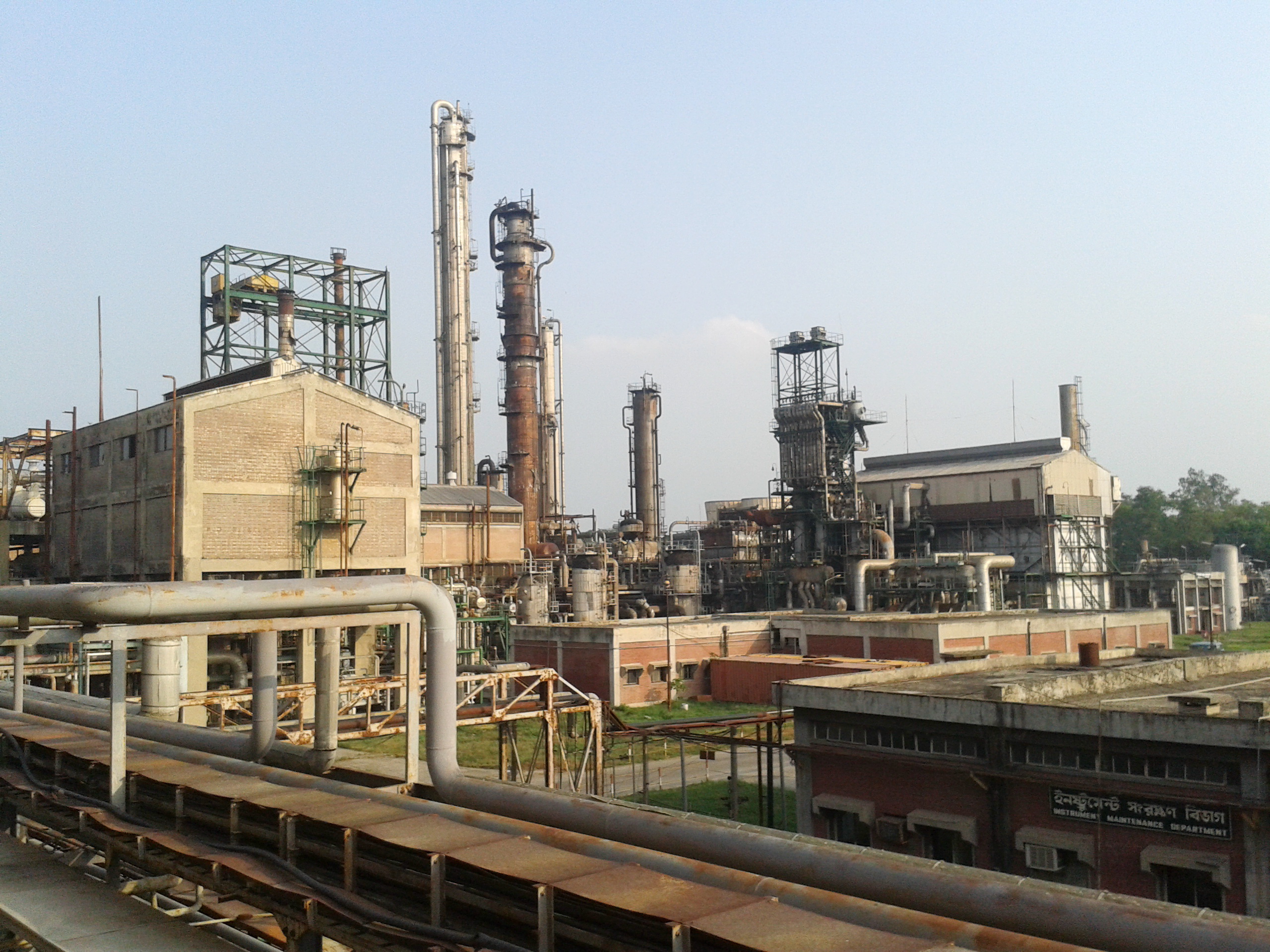
The Bangladesh Chemical Industries Corporation was founded on 1 July 1976 under a Presidential Order by merging the Bangladesh Tanneries Corporation, the Bangladesh Paper and Board Corporation and the Bangladesh Chemical and Pharmaceuticals Corporation. Its enterprises include fertiliser factories such as the Ashuganj Fertilizer and Chemical Company in Brahmanbaria, DAP Fertilizer Company in Chattogram and the Polash urea fertiliser factory in Narsingdi, as well as the Karnaphuli Paper Mills.
BCIC's six urea factories produce about one million tonnes of fertiliser a year, and the rest of the demand is met through imports, BSS reported in May 2026. Banglapedia's list of the country's urea makers includes KAFCO and Chittagong Urea Fertiliser in Chattogram, Jamuna Fertiliser in Jamalpur, Zia Fertiliser at Ashuganj, the Urea Fertiliser Factory and the Palash Urea Fertiliser Factory at Ghorashal, and the Natural Gas Fertiliser Factory at Fenchuganj.
Buffer warehouses sit between the factories and ports on one side and the dealers on the other: fertiliser is stocked in them ahead of the main planting seasons, and dealers lift their allocations from them for sale to farmers. In Gaibandha in 2016, for example, The Daily Star found that 111 BCIC dealers sold fertiliser to farmers throughout the year and had normally taken about 40 per cent of their stock from the district warehouse and 60 per cent from the Jamuna fertiliser factory; when the factory stopped supplying them that year, they depended on the warehouse alone. The new Lakshmipur warehouse is meant to keep such a stock close to the district's farmers.
Lakshmipur district
Lakshmipur lies in Chattogram division on the eastern bank of the lower Meghna. Banglapedia gives its area as 1,440.39 square kilometres and its neighbours as Chandpur to the north, Bhola and Noakhali to the south, Noakhali to the east, and Barishal, Bhola and the Meghna to the west. Its rivers include the Meghna, the Dakatia and the Katakhali. Lakshmipur became a subdivision in 1979 and a district in 1984, and it has five upazilas: Lakshmipur Sadar, Raipur, Ramganj, Ramgati and Kamalnagar. By Banglapedia's figures, Lakshmipur Sadar is the largest at 480.35 square kilometres, followed by Kamalnagar (314.86), Ramgati (279.88), Raipur (195.98) and Ramganj (169.31). The district has 4 municipalities, 58 unions, 559 mouzas and 547 villages.
Banglapedia records a population of 1,729,188 and lists agriculture as the main source of income, for 47.51 per cent of the people. Of the population, 262,997 live in urban areas and 1,466,191 in rural areas. After agriculture, commerce is the next largest source of income, at 14.40 per cent. In March 2025, Prothom Alo reported from Lakshmipur that soybean had been sown on 1,660 hectares more than the season's target of 42,000 hectares, that agriculture officials expected at least 84,000 tonnes, and that, by their account, 80 per cent of the soybean grown in Bangladesh comes from the district. Most is grown in Kamalnagar, Ramgati, Raipur and Lakshmipur Sadar, including char areas of Raipur, and the crop is traded at Hayderganj market, where the paper counted 45 to 50 wholesale depots.
Soybean is sown in December and January after the aman rice harvest, on land that used to lie fallow, and is harvested about 130 days later, the paper reported. The warehouse approved on 29 July 2026 is to hold 10,000 tonnes of urea for this farming district.
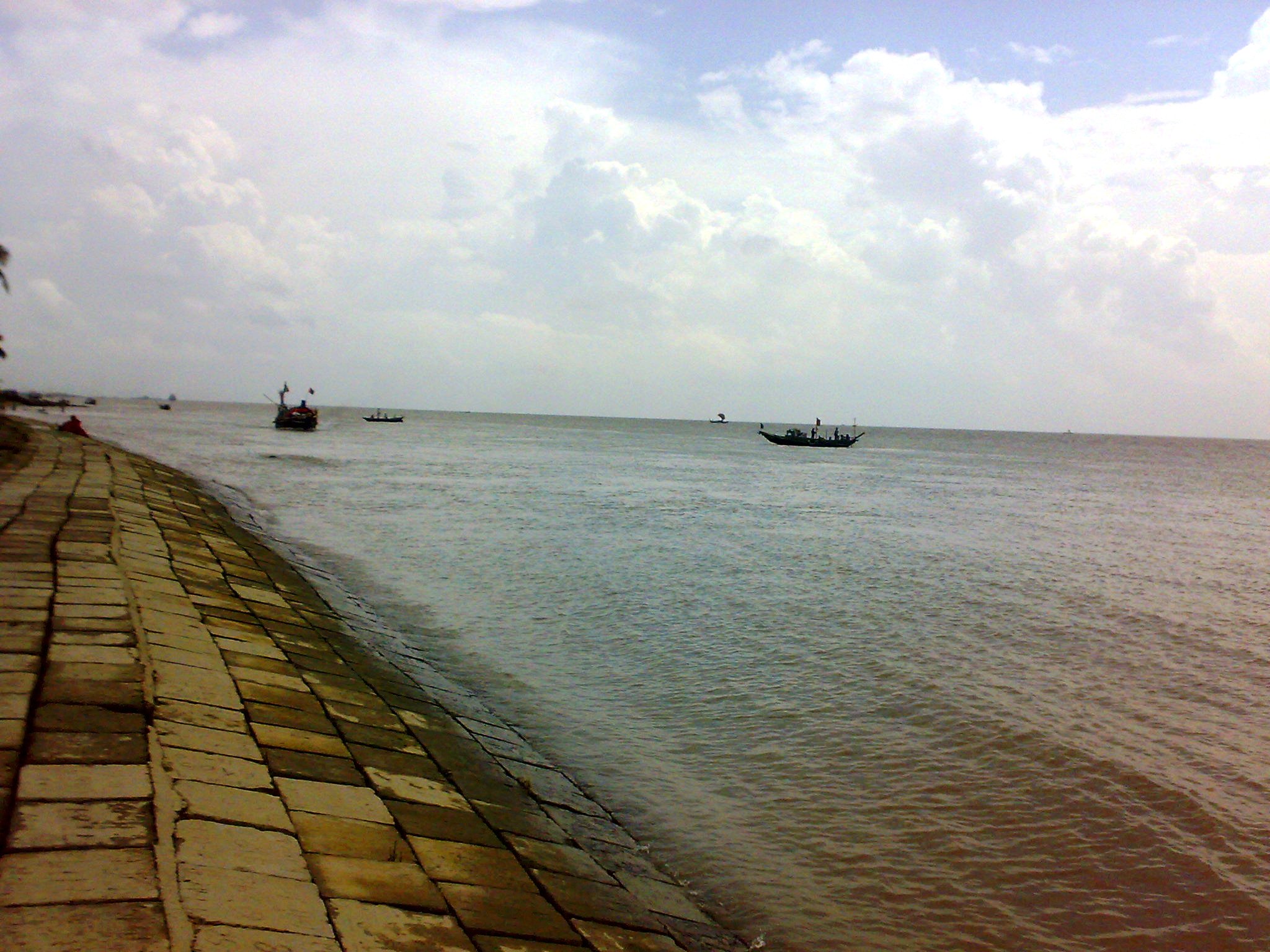
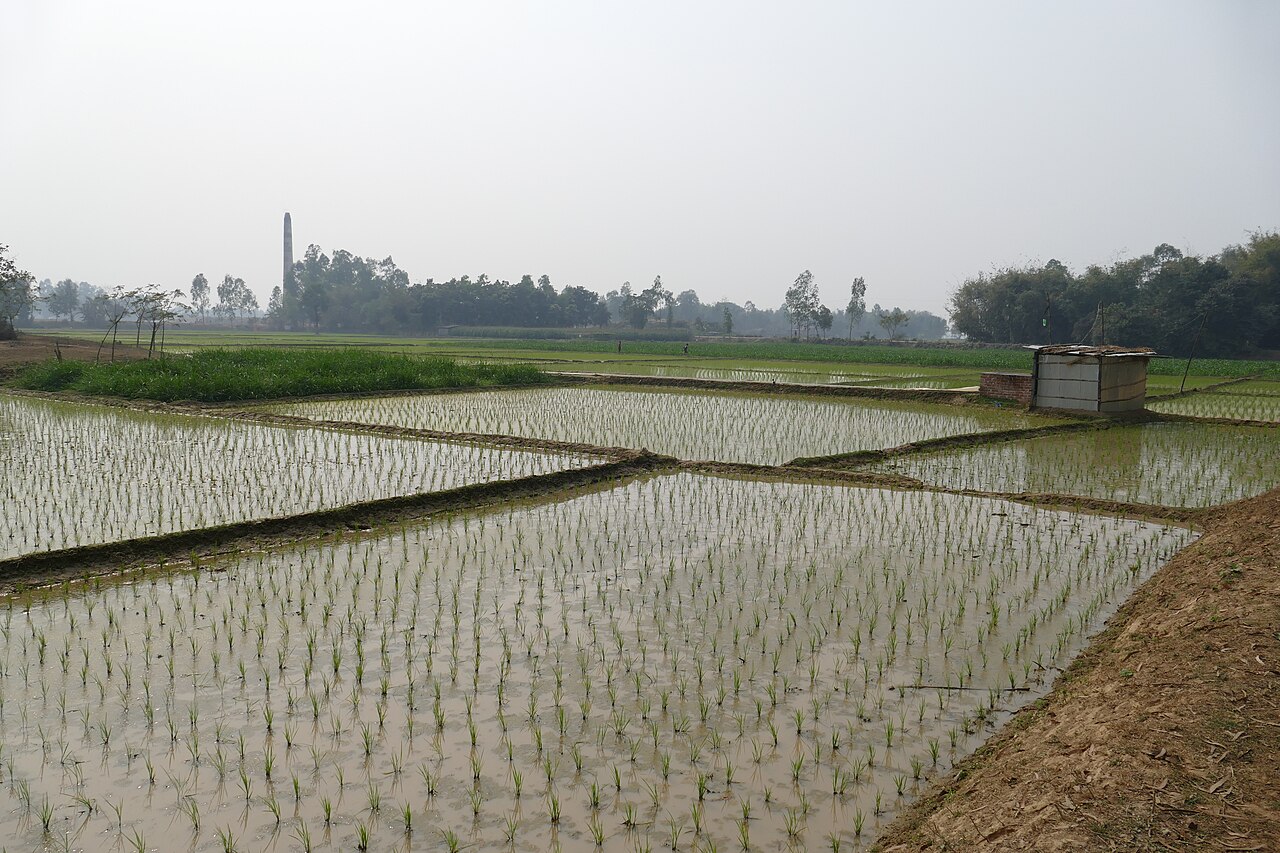
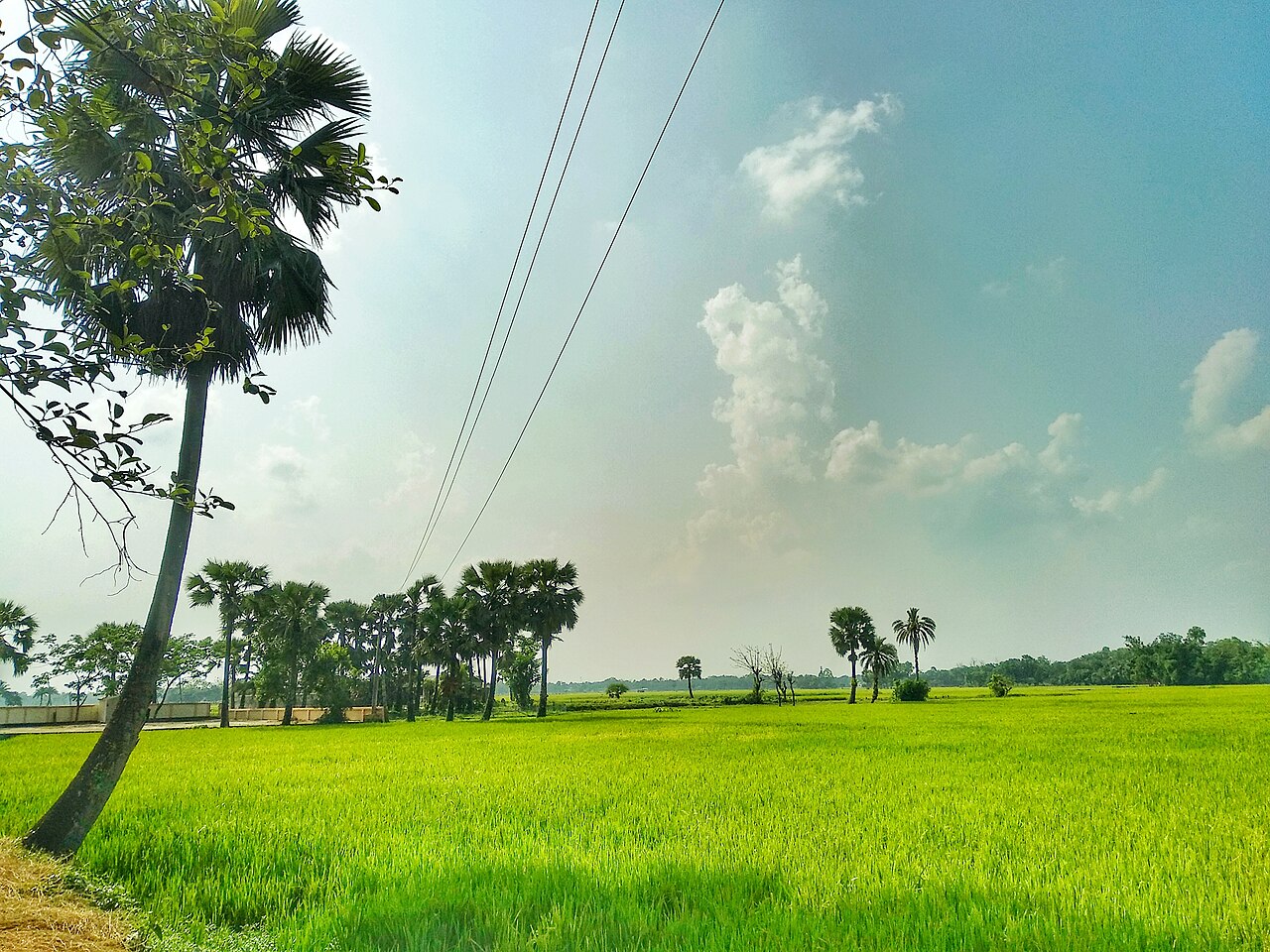
Photo: আহসান হাবীব (Ahsan Habib) / Wikimedia Commons (CC BY-SA 3.0). The top picture shows the Meghna at Haiderganj in Lakshmipur district, as background; it is not the warehouse site.
Sources: Jagonews24 (29 July 2026), Bangladesh Sangbad Sangstha (2 May 2026), Desh Rupantor (22 October 2025), The Daily Star (1 February 2016), The Financial Express (31 August 2019 and 2 October 2020), bdnews24.com (11 April 2023 and 15 May 2024), Prothom Alo (6 March 2025), Banglapedia (Lakshmipur District; Fertiliser), Wikipedia (Bangladesh Chemical Industries Corporation; Urea)
Comments
(0)