
Anthrax infections are rising in Daulatpur upazila of Kushtia. Citing hospital sources, Samakal reports that at least 47 anthrax patients were treated at the Daulatpur upazila health complex in the 23 days of this month up to Wednesday. Most of them had slaughtered sick livestock or cut up raw meat.
Rafiqul Islam, a farmer from Gachherdiar village, butchered and washed the meat of a neighbour's cow that had been slaughtered in a hurry after it fell ill. Two or three days later small pimples and blisters appeared on his hands and fingers; within days they turned into sores with black centres, with a high fever and body aches. Tests at the upazila health complex confirmed anthrax, and he is now under treatment.
Certain areas of the upazila, particularly the villages along the Indian border, had earlier been identified as at risk, but patients are now arriving from villages across the upazila. Dermatologist Dr Emdadul Haque Toton of the health complex said anthrax patients come in throughout the year, but infections have recently increased.
Upazila livestock officer Nazmus Sakib said the livestock department is vaccinating cattle and running awareness campaigns in the affected areas, but the practice of secretly slaughtering and selling sick animals is holding the work back in the field. Local residents have called for closer monitoring of animal sales and slaughter at markets and in the villages.
Assistant commissioner (land) Pradip Kumar Das said owners sell a sick animal cheaply or slaughter it, and people become infected while cutting and washing the meat. Alongside awareness work, mobile courts are continuing their drives to stop anyone from slaughtering sick cattle and selling the meat, he said.
Doctors and livestock officials say avoiding contact with sick animals is the most effective protection. Owners are advised to consult a veterinarian as soon as an animal shows unusual symptoms, and anyone who develops pimples, blisters or black sores should go to hospital without delay.
Earlier this month, 34 anthrax cases were confirmed in two villages of Sundarganj upazila in Gaibandha, also after people slaughtered sick cattle and handled the meat.
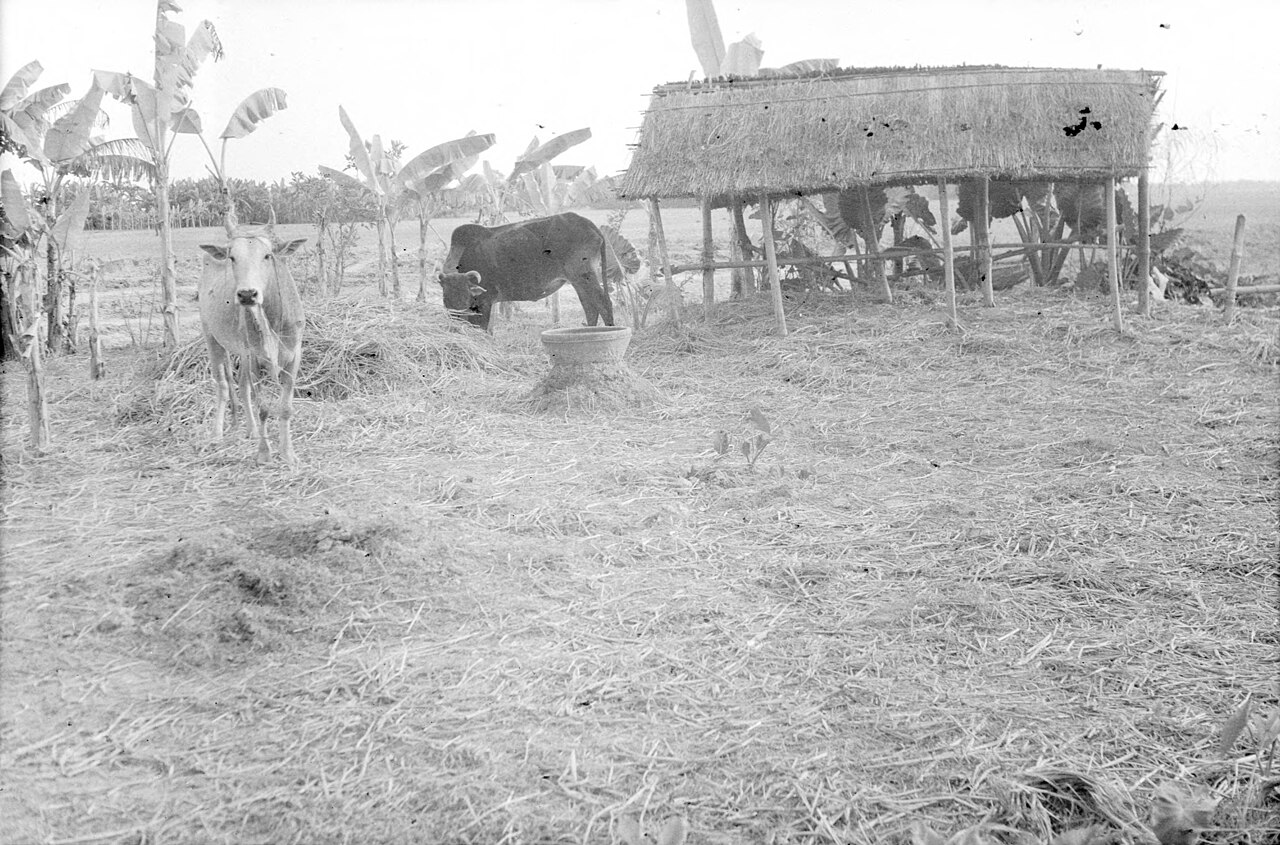
Photo: Khaleq / Wikimedia Commons (public domain)
Source: Samakal

Comments
(0)