
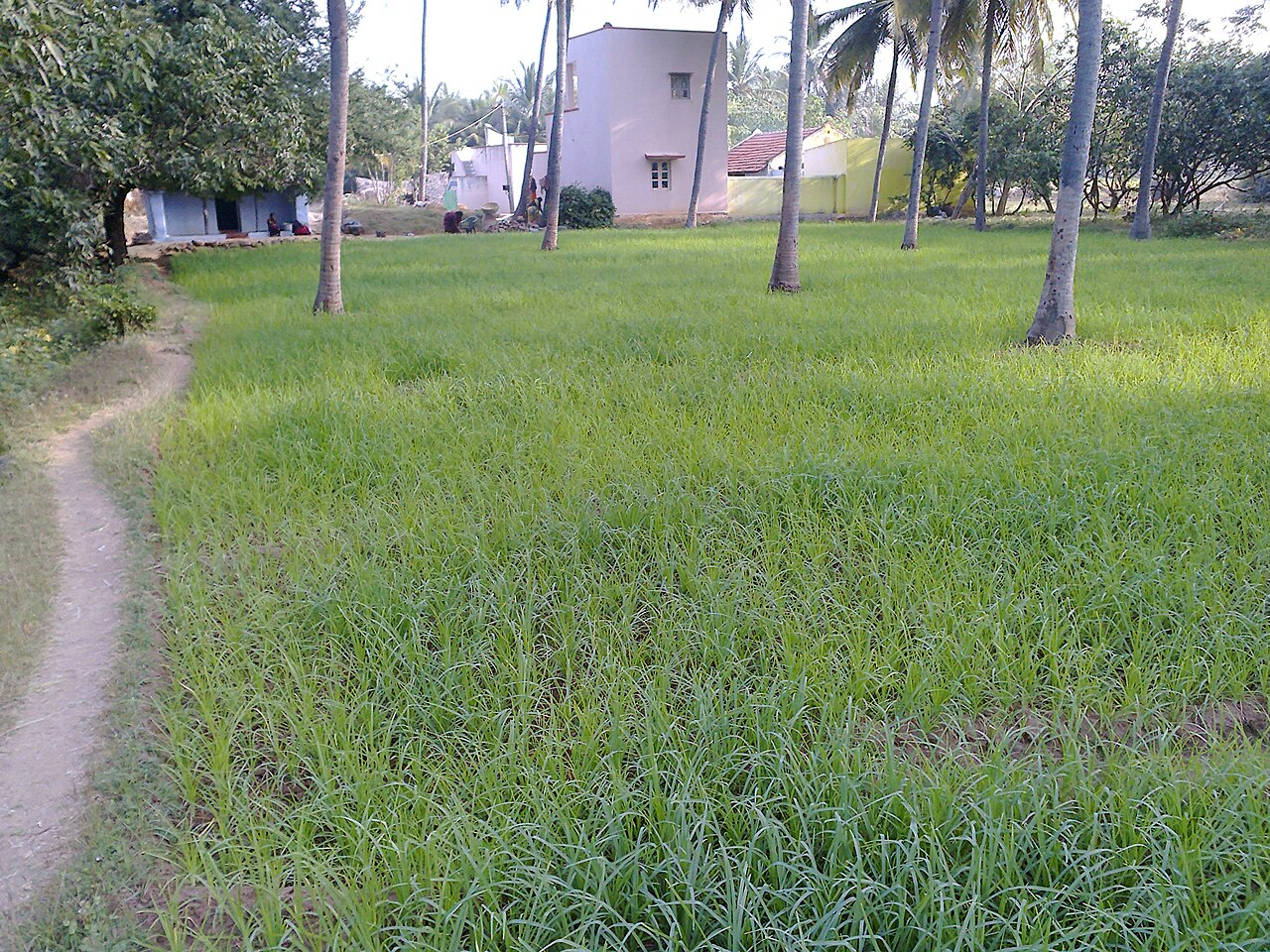
India already has a policy tool that could certify whole landscapes of traditionally chemical-free farmland as organic without a costly conversion period, and Koraput in Odisha is the clearest place to use it, argues Niladri Giri, an agriculture officer with the Government of Odisha who has worked with tribal farming communities in the Eastern Ghats for more than a decade. His commentary in Mongabay India draws on that field experience; the views are the writer's own.
Giri describes a Koraput farmer, whose name he has changed, who grows finger millet, little millet, niger seed and local pulses together on one hillside plot, as his father did, and whose field has never had urea. That land, he writes, already meets standards farmers in Germany, California and Japan spend years and thousands of dollars to reach, yet the harvest sells at ordinary commodity prices.
The global organic market is worth about 145 billion euros ($160 billion) a year, according to the FiBL-IFOAM survey he cites, and nearly all of it rests on conversion: a two- to three-year transition in which yields often dip, no organic premium is paid and the farmer still pays for inspection. That system, Giri argues, assumes farmland is contaminated by default, while in the hill tracts, forest fringes and indigenous areas of the Global South chemicals were never used, and most of that land is uncertified.
In 2020-21 India's Ministry of Agriculture introduced Large Area Certification (LAC) under the Paramparagat Krishi Vikas Yojana, through the Participatory Guarantee System (PGS-India). It lets the government certify a whole contiguous traditional farming area at once, with no transition period, because the land has stayed chemical-free. Outside a few pilot zones, the writer says, it has seen little use. In Dantewada, Chhattisgarh, the district certified 110 villages, about 65,000 hectares and more than 10,000 farmers through a PGS Regional Council, India's largest certified organic block, without asking farmers to change how they farm.
Koraput's Jeypore tract was named a Globally Important Agricultural Heritage System by the FAO in 2012, one of about ninety such sites, for its landrace rice varieties such as Kalasur, Machhakanta and Haladigundi, its minor millets, tubers, pulses and forest greens. That recognition, Giri writes, has brought growers no market advantage. Meanwhile inputs are moving uphill: traders sell seed and fertiliser on credit tied to hybrid crops, and as young people migrate for work, a few hundred rupees of glyphosate replaces three days of hand weeding on a steep slope.
His proposed sequence needs no large budget: map contiguous upland blocks where recorded fertiliser use is very low; have Gram Sabhas pass resolutions affirming that chemicals have not been used; have an accredited PGS-India Regional Council run baseline residue tests; and link the certified clusters to tribal farmer producer organisations and state cooperatives under the national Jaivik Bharat brand. A baseline verified now costs almost nothing, he argues, while the same land certified a decade later would carry the full cost of conversion.
Photo: Superbmust / Wikimedia Commons (CC BY-SA 3.0)
Source: Mongabay India

Comments
(0)