
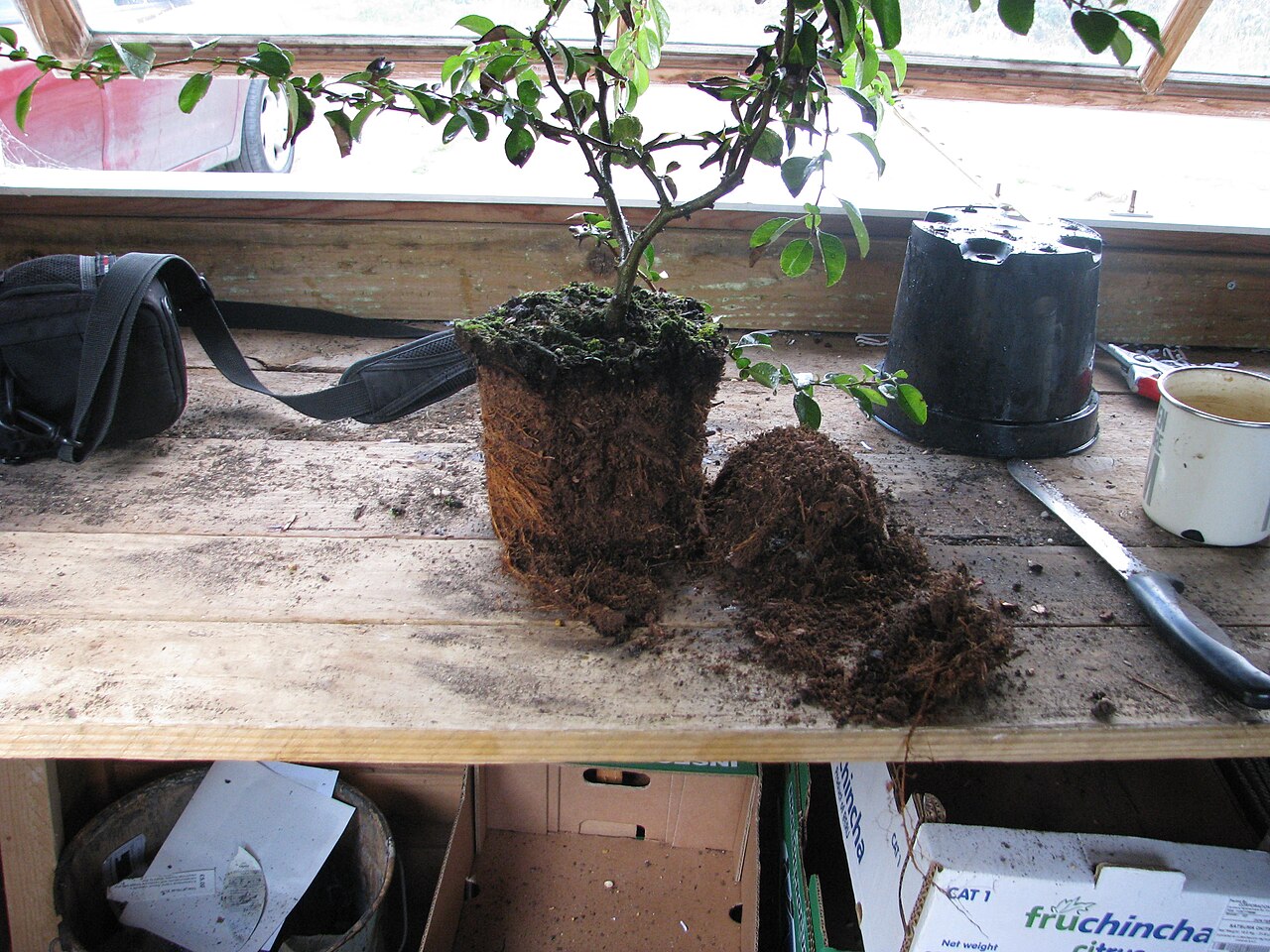
A pot garden on a balcony or roof needs the right soil as much as good seedlings or seed, since soil shapes a plant's growth, root spread and flowering and fruiting. In Kolkata's Ei Samay, Prasmita Dey sets out a simple way to prepare it.
Start with clean, crumbly garden soil free of stones, plastic, weed roots and rubbish. Avoid heavy clay, which holds water and can damage roots.
For nutrients, mix in well-rotted cow dung or vermicompost; do not use fresh dung directly. To stop the soil from setting hard, add coarse sand or cocopeat, which keeps it loose so air reaches the roots and extra water drains away.
A basic mix is 40 percent garden soil, 30 percent organic manure and 30 percent cocopeat or coarse sand, though the ratio can change with the plant: cacti, succulents, flowers and vegetables all need different soil.
Before filling, check that the pot has a drainage hole at the bottom; if it is blocked, water collects and roots can rot. Then fill the pot, plant the seedling and water lightly.
Photo: peganum / Wikimedia Commons (CC BY-SA 2.0)
Source: Ei Samay


Comments
(0)