
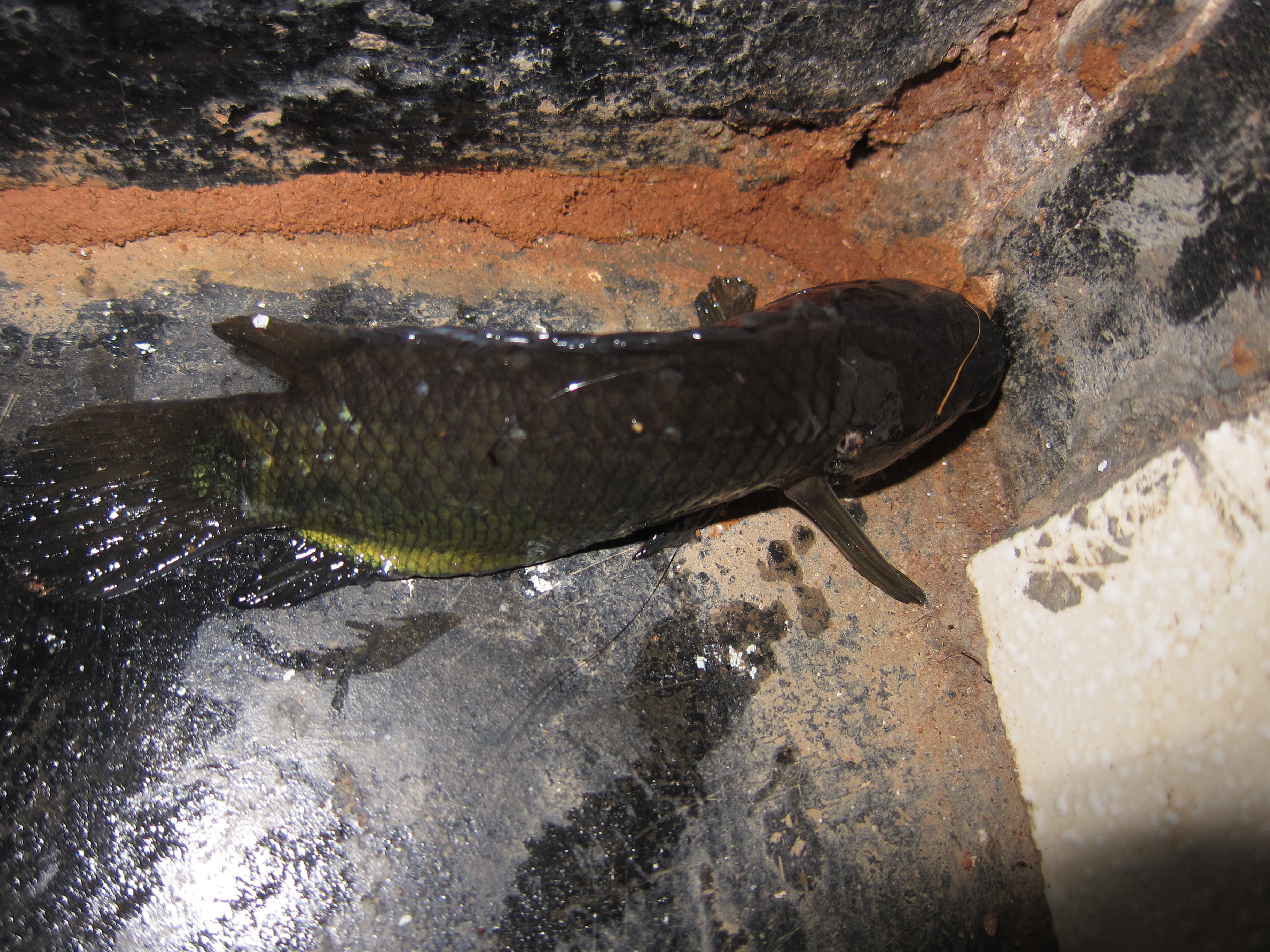
Koi, the climbing perch (Anabas testudineus), is one of the most prized fish on the Bangladeshi table, and no spread for guests is thought complete without it. A Jagonews24 farming report, carried on The Agro News with a date of 22 February 2020, told pond farmers how to recognise and manage the disease that troubles farmed koi most: ulcer disease, which the report linked mainly to the winter months and to rough handling of the fish. It set out a salt treatment, a winter care routine and a rule that diseased fish should be sold at once, because ulcerated fish fetch little or no price.
This koi is not the ornamental koi carp kept in garden ponds abroad. In Bangladesh the word koi (কৈ) means the small, hardy, air-breathing climbing perch, and the farmed fish the report deals with is mostly Thai koi, a fast-growing strain of the same species brought in from Thailand. This article sets out the report's advice and the research and official guidance behind it: what the ulcer disease is, why it strikes in the cold season, what the Department of Fisheries (DoF) and studies published by the UN Food and Agriculture Organization (FAO) say about lime and salt, and why pond management matters more than any single treatment.
Koi, the climbing perch of Bengal's ponds
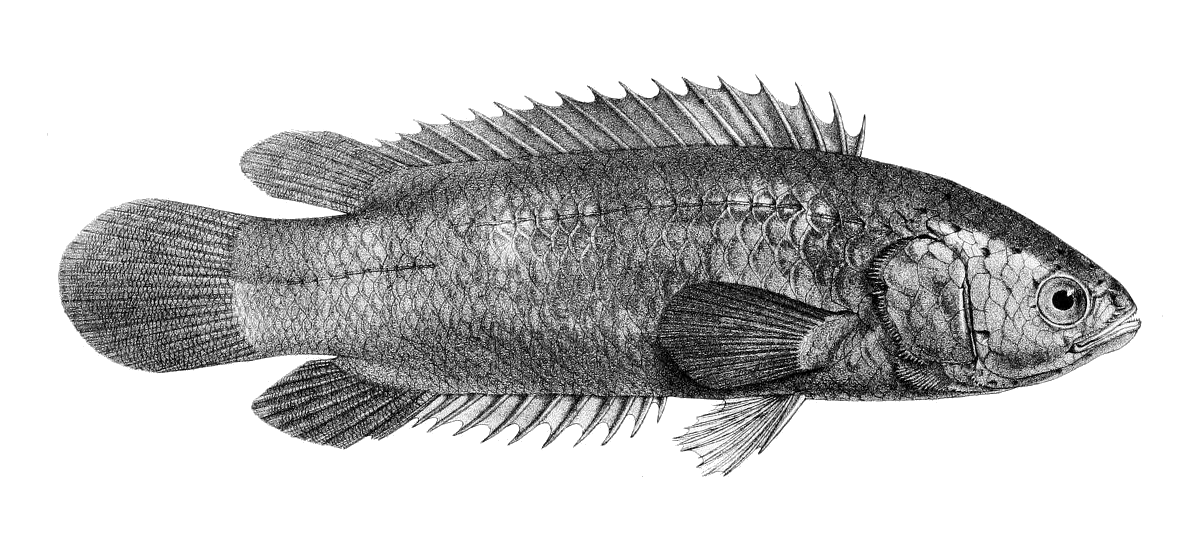
FishBase, the global database of fish species, describes Anabas testudineus as a tropical fish of fresh and brackish water found across Asia from India to the Wallace line, including China, living at about 22 to 30 degrees Celsius. It grows to a maximum of about 25 centimetres, with a common length of about 12.5 centimetres. Its colour in life runs from dark to pale greenish, very pale below, with a dusky to olive back, a dark spot at the rear edge of the gill cover and a golden reddish eye. The Freshwater Biodiversity Portal of Bangladesh lists it under the Bangla name koi (কৈ) and the English name climbing perch, and records it mostly in canals, lakes, ponds, swamps and estuaries, with adults also in rivers, brooks, flooded fields and slow canals.
The fish is famous for its toughness. FishBase notes that it is an obligate air-breather with an accessory breathing organ, that it can tolerate extremely unfavourable water conditions and is found mainly in turbid, stagnant water, and that it can survive for several days or weeks out of water if its air-breathing organs stay moist. That is why it is usually sold alive in markets, kept moist for several days. It feeds on water plants, shrimps and fish fry, buries itself in mud in the dry season and is well known for its ability to move over land.
Native koi was once abundant in almost every freshwater habitat in Bangladesh. A 2014 study in the Journal of the Bangladesh Agricultural University (BAU), by G. U. Ahmed and colleagues, records that catches fell sharply in open waters from the late 1980s because of ecological changes in inland water bodies, and that koi's share of the total pond catch, about 2.8 per cent in the 1980s according to DoF figures, had fallen to 0.85 per cent by DoF's 1999 figures. Native koi also grows slowly in ponds. The same study states that Thai koi was introduced from Thailand in 2002 for its taste, growth, nutritional value and good market price, and that its culture had spread in many parts of the country, especially Mymensingh. It adds that a still faster-growing strain, Vietnam koi, was brought in from Vietnam in 2010.
A 2007 BAU study by A. Karim and colleagues called Thai koi one of the most financially viable culture fish in Bangladesh, citing its high market demand, good nutritional value, taste, the ready supply of fry and fingerlings, fast growth, short culture period and easy marketing, and noted a sharp increase in its farming in different upazilas of Mymensingh district. The 2014 study warned, however, that the growth of Thai koi was declining in many areas because of inbreeding.
What ulcer disease is
The disease farmers call ক্ষতরোগ (ulcer disease) is known to scientists as epizootic ulcerative syndrome, or EUS. The Asia Diagnostic Guide to Aquatic Animal Diseases, published by FAO in 2001 as Fisheries Technical Paper 402/2, explains that the characteristic damage is caused by an oomycete, a fungus-like organism, called Aphanomyces invadans. EUS affects warm-water fish of fresh and estuarine waters. It was first reported in farmed ayu in Japan, then in Australia, and spread westward through Southeast and South Asia, with major outbreaks in countries including Thailand, Sri Lanka, Bangladesh and India. More than 50 species had been confirmed affected by histology across the region, although tilapia, milkfish and Chinese carps were shown to be resistant.
The FAO guide describes how the disease looks. Early lesions may appear as red spots that deepen as the infection progresses and eat into the muscle below; some advanced lesions have a raised whitish border. The most typical lesions are large, open, bleeding ulcers about 1 to 4 centimetres across, and these are commonly infected in turn by bacteria: pathogenic strains of Aeromonas hydrophila have been isolated from them. High mortality usually goes with EUS outbreaks, but where fish escape such secondary infection the ulcers may heal. Because other diseases can cause similar sores, the guide says a firm diagnosis needs laboratory confirmation that A. invadans is present, by examining the muscle under a microscope or by histology.
The guide's most important point for farmers concerns how the disease starts. Aphanomyces invadans is considered the necessary cause of EUS and is present in every case, but an initial skin lesion is required for it to attach and invade the tissue below. That first damage can come from biological or environmental causes, including acid water, low temperature and other infections. This is the reasoning behind the Jagonews24 report's warning that fish handled during sampling, or disturbed by frequent netting, are the ones that later develop ulcers.
In Bangladesh the disease has been a national problem since 1988. A study by Masud H. Khan of the Bangladesh Fisheries Research Institute (BFRI) and James H. Lilley of the University of Stirling, published by FAO in 2002 in Fisheries Technical Paper 406, describes EUS as the most serious epidemic disease of freshwater fish in the country since that year. It lists Anabas, the koi genus, among the small wild fishes the disease commonly affects, together with snakeheads, Puntius barbs, spiny eels, catfishes and others.
Why Thai koi fall sick in winter
The Jagonews24 report said Thai koi usually get ulcer disease in winter, and research on Bangladeshi farms points the same way. A study by G. U. Ahmed and colleagues, published in 2007 in the Journal of Life Science, followed the health of Thai koi on two farms in Mymensingh from August 2006 to February 2007. The researchers found that water temperature and dissolved oxygen were unfavourable for the fish in the colder months. The fish were most affected in December and January, showing loss of scales, skin lesions, ulcers and loss of the tail fin, and looked nearly normal in August, September and February. Under the microscope their organs were normal in August and September, showed minor changes from October and November, were badly damaged in December and January and had improved by February. The diseases identified were EUS and protozoan diseases.
That finding also corrects one line of the original report, which said no disease other than ulcer disease is seen in koi. Ulcer disease is the main problem the report deals with, but the Mymensingh study found protozoan diseases in farmed Thai koi as well.
The link with cold weather is well documented. Khan and Lilley cite observations from 1988 and 1989 that EUS outbreaks in Bangladesh, China, India and Laos came in months when the mean daily temperature was below the annual mean. They also cite a laboratory experiment in which striped snakeheads infected with A. invadans showed a weaker inflammatory response, higher mortality and more extensive invasion by the organism at 19 degrees Celsius than at 26 or 31 degrees. In their national survey, reports by farmers of unusually low temperature or heavy rain in the 3 to 15 days before the interview were also linked with EUS. This is why the report advised selling the fish before winter where possible, while noting that with good management koi can be kept in the pond through the cold months.
What the report advised when ulcers appear
For ponds where ulcer disease appears, the Jagonews24 report advised acting quickly because the disease spreads fast. Its remedy was common salt, mixed with water and spread over the pond, with a second application some days later. The report gave its own quantity for this, which is not reproduced here because it is not a figure set by the Department of Fisheries or the research bodies; the amounts these authorities have published are set out below. A decimal (শতক or শতাংশ), the land measure in which the report gave its stocking figures and which is still widely used in rural Bangladesh, is one hundredth of an acre, or about 40.47 square metres.
Salt and lime are the treatments most often recorded for EUS in Bangladeshi ponds. The FAO diagnostic guide lists salt bath treatments among the farm-level control measures. Another chapter of FAO's Fisheries Technical Paper 406, by M. C. Nandeesha and colleagues of CARE Bangladesh with C. V. Mohan of the College of Fisheries in Mangalore, India, describes farmer trials in Kishoreganj and Rajshahi districts in the 1998 season. It notes that the Department of Fisheries had suggested applying lime or salt at 1 kilogram per 400 square metres before the onset of the cold season. Because there was no information on how often to apply it, the farmers in the trial used an initial dose of 1 kilogram per 40 square metres, followed by half that dose every fortnight until the end of February.
In those trials salt helped the recovery of almost all infected fish: fish in all the infected ponds in Rajshahi recovered, and in Kishoreganj recovery was seen in six of the seven affected ponds. Lime also helped most affected ponds recover, though the disease occurred even in some ponds treated three or four times. A half-and-half mixture of lime and salt at the same low rate gave poorer results, and ash, which farmers liked because it costs nothing, gave lower recovery than the other treatments. The authors stressed that results differed from pond to pond because the ecology of ponds differs, and that the farmers' observations should be followed by more controlled studies. The farmers also reported better growth in treated ponds.
These are field observations, not a fixed prescription, and the right amount depends on the pond and the state of its water. Before using salt, lime or any medicine, and especially before any antibiotic, a farmer should see the upazila fisheries officer of the Department of Fisheries, who can examine the fish, confirm whether the sores are EUS and advise on the treatment and dose for that pond. None of the sources used here recommends antibiotics for koi ulcer disease.
Pond care through the winter
The report's main message was prevention. It set out a winter routine for farmers who keep Thai koi in the pond through the cold season:
- Change water at least once a week, lowering the level by 2 feet and filling up with fresh water.
- Spread salt over the pond at regular intervals through the winter, at a rate advised by the upazila fisheries officer.
- Bring the stocking density down to between 150 and 200 fish per decimal.
- In winter always use floating feed; wasted feed can also cause disease.
- Check the health of the fish every 15 days.
- If any sign of disease appears on the fish, sell them at once, because diseased fish fetch no price.
- Never net the pond extensively except when harvesting for sale.
Research supports the reasoning behind several of these steps. On stocking density, the 2007 BAU study by Karim and colleagues stocked Thai koi in 0.2-hectare ponds on a commercial farm in Mymensingh at 74,100, 86,450 and 98,800 fish per hectare for 98 days. Weight gain was highest at the lowest density, 91.0 grams against 84.1 and 76.5 grams, and growth fell as density rose. Total production was highest in the most crowded ponds, but the highest net profit came from the lowest density, because bigger individual fish fetch a better price per kilogram, and the authors recommended 74,100 per hectare for monoculture. In the 2014 BAU study of Thai koi and Vietnam koi in mini ponds, growth of both strains was again higher at the lower stocking densities, while production rose at the higher ones.
On feed and water, Khan and Lilley found that ponds whose water was black, a sign of high levels of organic waste, had a significantly higher risk of EUS, with a relative risk of 2.21. Uneaten feed rotting on the pond bottom is one source of such waste, which is why the report insisted on floating feed that the farmer can see being eaten. The same study found a very low relative risk where bottom mud had been removed during pond preparation, and suggested that A. invadans may survive the summer in the thick bottom mud of older ponds and become active as temperatures fall.
On handling, the FAO guide's point that the organism needs a skin lesion to enter explains why the report warned against netting except at harvest and against roughly handled sample fish. Khan and Lilley add that drying or disinfecting nets lowered the risk, with relative risks of 0.59 where farmers netted with dried or disinfected nets and 0.14 where buyers were required to do the same, because nets and equipment carried from farm to farm can bring the infection with them.
What a national survey found about the risks
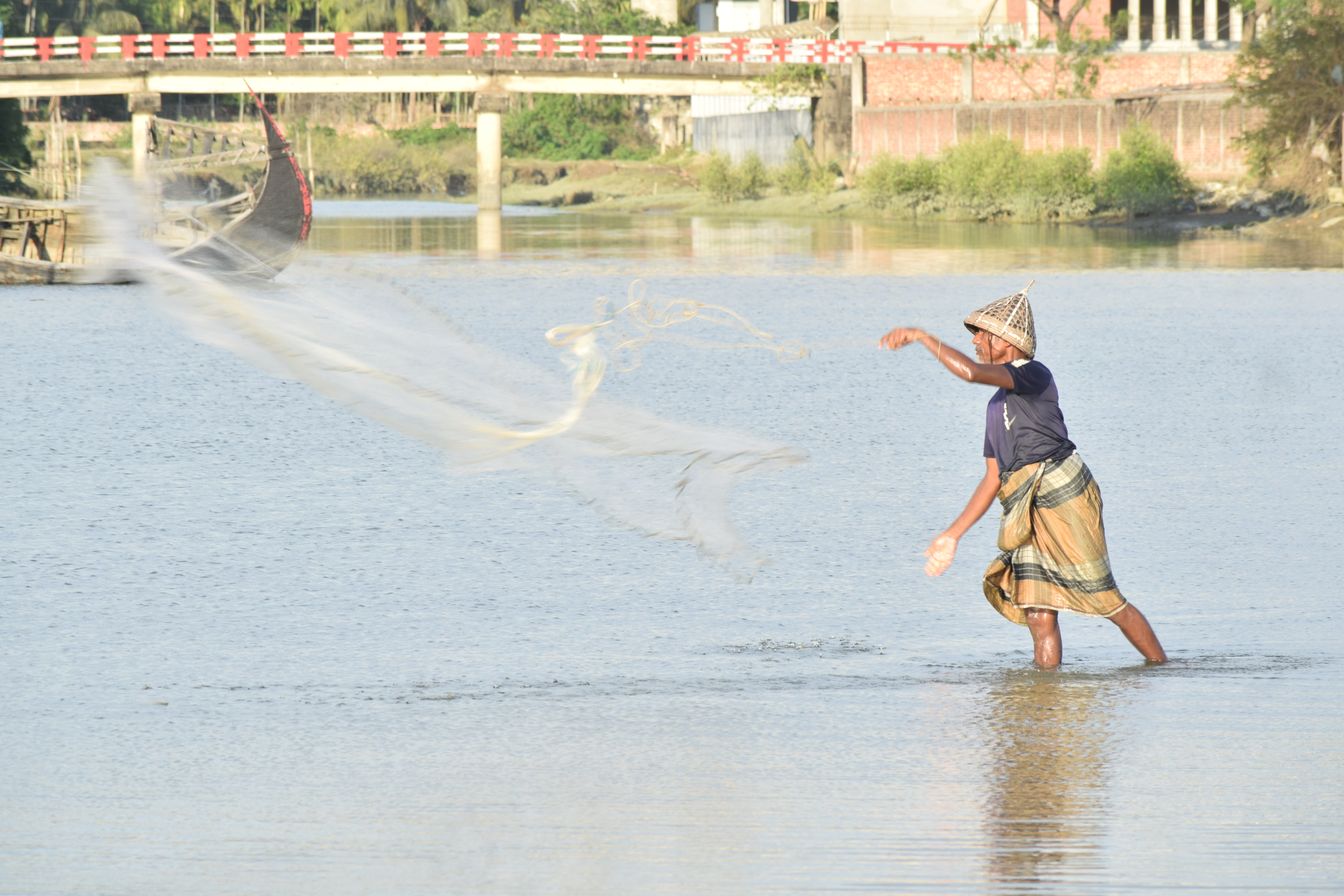
The fullest picture of where EUS strikes in Bangladesh comes from the survey Khan and Lilley carried out in the EUS season of 1998 and 1999. One fish farmer and one fisher were interviewed in one thana, or sub-district, of each of the country's 64 districts, and at least 100 fish were examined at each site. Fish with sores were found on farms in 32 districts, and EUS was confirmed in 30; in wild fisheries, sores were found in 52 districts and EUS confirmed in 49. Of 6,433 wild fish and 6,401 farmed fish examined, the average share with lesions was 16.0 and 15.5 per cent. Of 471 ulcerated fish sampled, 80 per cent were confirmed as EUS, and 31 of the 40 species recorded with lesions were confirmed EUS positive.
The survey measured how farm conditions changed the risk. The strongest factor was the presence of wild fish in a culture pond, which gave more than 10 times the chance of EUS. Ponds flooded that year, ponds directly connected to other waters and ponds fed from rice fields were at higher risk, while ponds with embankments high enough to keep out floodwater, and ponds filled only by rain or from underground wells, were at lower risk. Draining, drying, removing bottom mud and liming during pond preparation all lowered the risk, and liming after stocking lowered it again, with a relative risk of 0.46. Letting cattle wash and drink in the pond raised the risk, as did parasites on the fish and an outbreak in the previous season. Farmers also told the interviewers that ponds stocked at high density were more affected, and some observed that moderately affected snakeheads, walking catfish and climbing perch might carry the disease when they move into an unaffected pond.
The FAO diagnostic guide draws the same lessons. It says control in wild fish is impossible in most cases, and that where farmers cannot switch to resistant species they should keep the organism out by drying and liming ponds before stocking, excluding wild fish, using hatchery-reared fry treated as a precaution, using well water, using salt baths and disinfecting contaminated nets and equipment.
What the disease costs farmers
Ulcer disease is costly as well as deadly. Khan and Lilley record that when EUS first struck in 1988 and 1989 the economic loss was estimated at 118.3 million taka, and fish prices fell to 25 to 40 per cent of their pre-disease level during the first outbreak. Fear that the disease could pass to people, which they describe as unfounded, led to a sharp fall in demand even for marine fish, which were not affected. Using the prevalence found in their survey, they estimated the total fish loss to EUS in 1998 and 1999 at 39,797 tonnes, worth 3.97 million US dollars.
Prices were the farmers' constant worry. In the survey, 86 per cent of farmers and 89 per cent of fishers considered EUS a major problem, and interviewees said prices dropped by more than half when fish were even slightly ulcerated or when there was an outbreak in the locality. That is the basis for the Jagonews24 report's blunt advice that fish showing signs of disease should be sold at once. The authors also warned that small-scale farmers, especially those who rent their ponds, can fall into serious financial difficulty from a sudden disease loss.
For koi the stakes are high because the fish is valued for being sold alive and fresh. A farmer who keeps the water clean, stocks at a moderate density, feeds carefully, limits netting and checks the fish every fortnight gives the ulcer organism fewer openings, and a farmer who sees the first red spots can ask the upazila fisheries office for help before the disease spreads through the pond.
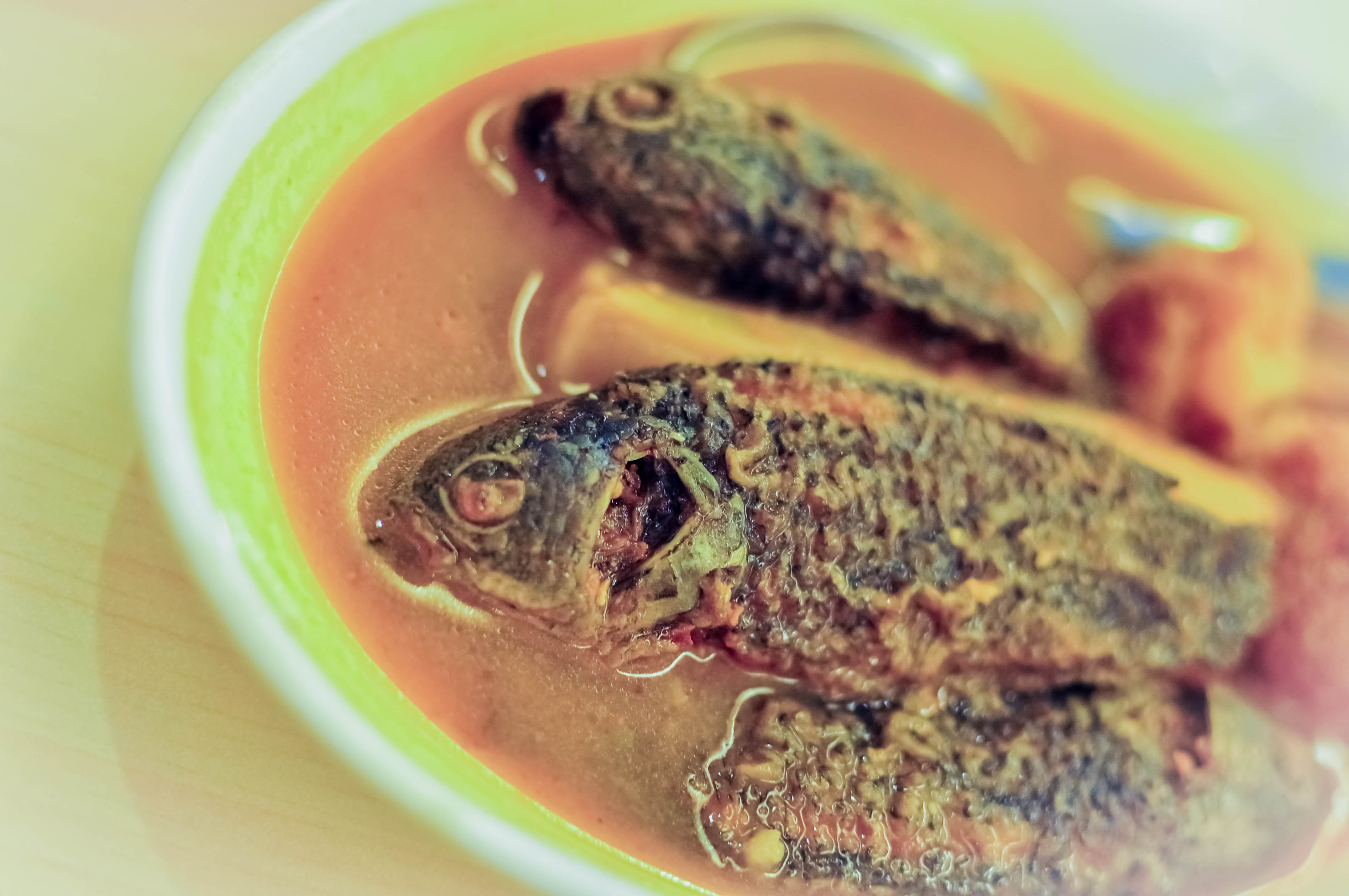
Photo: Kakkara / Wikimedia Commons (CC BY-SA 3.0)
Sources: Jagonews24; FAO Fisheries Technical Paper 402/2, Asia Diagnostic Guide to Aquatic Animal Diseases (2001); FAO Fisheries Technical Paper 406 (2002), chapters by M. H. Khan and J. H. Lilley and by M. C. Nandeesha and colleagues; G. U. Ahmed and colleagues, Journal of Life Science (2007); A. Karim and colleagues, Journal of the Bangladesh Agricultural University (2007); G. U. Ahmed and colleagues, Journal of the Bangladesh Agricultural University (2014); FishBase; Freshwater Biodiversity Portal of Bangladesh.
Comments
(0)