
Continuous rain and flash floods from upstream submerged more than 2,500 further hectares of boro paddy in Kishoreganj in early May 2026, taking the total area of damaged paddy land in the district to 12,500 hectares and the number of affected farmers to about 49,000. Dr Sadiqur Rahman, deputy director of the Department of Agricultural Extension (DAE) in Kishoreganj, confirmed the figures at about 5.30pm on Monday, 4 May 2026, Jagonews24 reported that evening.
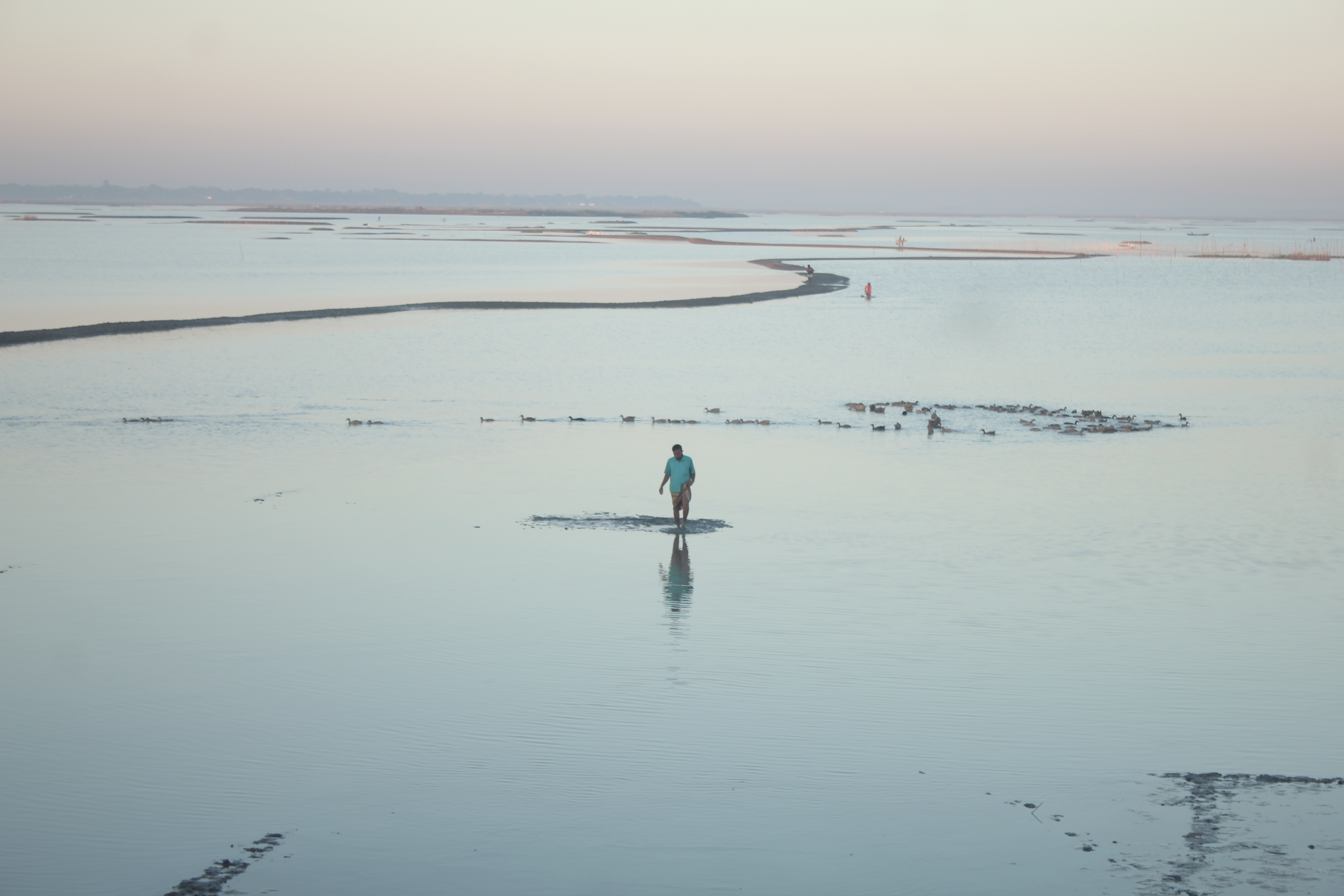
Low-lying stretches of the district's haor wetlands had been flooded by the rain and the water coming down from upstream. Itna and Austagram upazilas were the worst hit. With their fields under water, many farmers could not cut paddy that was already ripe, and they were in great hardship.
What the agriculture office reported on 4 May
According to Dr Sadiqur Rahman, field data collected up to Sunday afternoon, 3 May, showed 12,500 hectares under water, with the greatest damage in Itna and Austagram. By then, he said, 61 per cent of the paddy in the district's haor areas had been harvested. If the rain did not increase, the risk of major damage might ease somewhat, he said, but the situation was still risky. On the instructions of the Ministry of Agriculture, the department's field staff were preparing a list of affected farmers.
Heavy rain had also raised fears of damage to vegetable fields in different parts of the district. Rain fell from the night until the morning of 4 May, but the sun came out as the day went on, which brought farmers some relief. The weather office at Nikli, one of the district's haor upazilas, said 56 millimetres of rain had been recorded in the district in the previous 24 hours.
Local farmers told Jagonews24 that they faced great uncertainty with so much paddy already under water. Unable to dry the paddy they had cut, they said, farmers were being forced to sell it cheaply, and many were making losses.
River levels and the Water Development Board
Readings taken at 9am on 4 May by the office of the executive engineer of the Bangladesh Water Development Board (BWDB) in Kishoreganj showed most of the district's rivers rising:
- Dhanu-Baulai at Itna: 3.26 metres, 10 centimetres higher than the day before.
- Meghna at Chamraghat: 2.95 metres, up 17 centimetres.
- Kalni at Austagram: 2.58 metres, up 18 centimetres.
- Meghna at Bhairab Bazar: down to 1.72 metres, 5 centimetres lower than the day before.
The BWDB said all the rivers were still flowing below the danger level, but that the water could rise further if the rain and the flow from upstream continued. Md Sajjad Hossain, the board's executive engineer in Kishoreganj, said the situation was being watched round the clock. The local administration and farmers had been asked to stay alert to possible risks, and farmers had been advised to cut their paddy quickly and bring it home.
The national picture that afternoon was set out in the river bulletin of the Flood Forecasting and Warning Centre (FFWC), which Dhaka Tribune reported at 6.16pm on 4 May. Seven rivers in the haor region and its borders were above the danger level, among them the Naljur at Jagannathpur in Sunamganj (40 centimetres above), the Baulai at Khaliajuri in Netrokona (8 centimetres above) and the Kalni-Kushiyara at Ajmiriganj in Habiganj (10 centimetres above). The FFWC expected the Dhanu-Baulai in Netrokona and Kishoreganj to stay stable over the next three days, with flood conditions likely to continue in the low-lying areas beside it, and it warned that the flooded haor areas could worsen and new areas could go under water.

How the damage grew over ten days
The figure of 4 May was the latest in a run of rising counts. Reports published in the days before it, each quoting the DAE or the farmers, show how fast the water spread across Kishoreganj's haors:
- 27 April: Prothom Alo reported that two days of rain had submerged ripe boro on about 2,000 hectares in Austagram's Khayerpur-Abdullahpur and Adampur areas and parts of the Itna and Mithamain haors. The DAE had no exact account yet; the farmers put the loss at 2,000 to 2,500 hectares. Dr Sadiqur Rahman said 48 per cent of the haor paddy had been cut.
- 30 April: bdnews24.com quoted the agriculture department as saying that boro on about 4,500 hectares of haor land in four upazilas, Itna, Mithamain, Austagram and Nikli, had gone under water, and that about 50 per cent of the land had been harvested before the floods.
- 1 May: Dhaka Tribune reported that around 7,000 hectares of cropland were under water after several days of rain, with 160 millimetres recorded in the district.
- 2 May: Prothom Alo quoted the DAE as saying that 6,768 hectares of paddy land in the haors of Itna, Mithamain, Austagram and Nikli had been submerged, affecting about 21,000 farmers.
- 3 May: Prothom Alo quoted the district DAE as saying that 9,045 hectares of paddy had gone under water and that more than 30,000 farmers were in difficulty.
- 4 May: the DAE put the area at 12,500 hectares and the farmers affected at about 49,000.
Throughout the week the farmers' complaint was the same: paddy that had been cut could not be dried. Dhaka Tribune reported on 1 May that rain had also submerged the threshing yards, so that harvested paddy was sprouting instead of drying, leaving farmers to sell the damaged grain at low prices. On 2 May Dhaka Tribune and Prothom Alo described paddy kept in heaps for nearly five days turning black and rotting, and a farmer in Nikli's Majlishpur area said labourers could not be found even for Tk 1,200 a day. On 3 May Prothom Alo reported from Karimganj's Manikpur haor that some farmers were throwing sprouted, rotting paddy into the haor water.
Speaking to bdnews24.com on 30 April, farmers in Austagram and Mithamain said they had borrowed to pay for ploughing, fertiliser and labour and had lost their whole crop. A farmer in Itna's Atpasha village said the fields could not be cut because they were under water and that labourers could not be found even at double the usual wage. The same report said that rain had made the haor paths muddy, which made it hard to use harvesting machines and to carry cut paddy home.
The haor districts in the same week
Kishoreganj was one of seven haor districts in the north-east hit at the same time. On 1 May 2026 The Business Standard reported the DAE's figures for the region. Boro had been grown on 9.63 lakh hectares in Sunamganj, Sylhet, Habiganj, Moulvibazar, Netrokona, Kishoreganj and Brahmanbaria, 4.55 lakh hectares of it inside the haors. Up to Thursday, 30 April, 63 per cent of the haor crop had been cut, leaving about 37 per cent in the fields: 45 per cent in Habiganj, 47 per cent in Kishoreganj, 38 per cent in Sunamganj and 35 per cent in Netrokona. Of the land still uncut, 88,000 hectares were low-lying and at risk, and paddy on 28,000 hectares was already under water, 13,541 hectares of it in Sylhet division.
The same report put the haor districts in the national picture. Most of Bangladesh's rice is grown in the boro season, and about 20 per cent of that is produced in the seven haor districts. For the 2025-26 season the DAE had set a target of 2.27 crore tonnes of rice from 50 lakh hectares. Local farmers and organisations questioned the DAE's figures and said the real damage was larger. The DAE's additional director for Sylhet division told the paper the losses had not been finalised and that there was no artificial means of drying so much paddy at once. The Ministry of Agriculture said it had supplied harvesters, reapers and dryers to the haors and had arranged labour where machines could not go.
On 3 May Prothom Alo reported that, according to local agriculture offices, more than 42,000 hectares of paddy fields in the haors of Sunamganj, Kishoreganj and Netrokona had been submerged. Sunamganj's agriculture office estimated damage on 18,000 hectares from heavy rain and flash floods, after 2,000 hectares lost earlier to waterlogging. In Netrokona the official count of submerged paddy land stood at 13,466 hectares, though local people said the real loss was twice that.
The Bangladesh Red Crescent Society, in a situation report of 30 April 2026, said that heavy to very heavy rain across the north-east and upstream had caused a rapid rise in the Surma-Kushiyara, Khowai and Dhanu-Baulai river systems. Kishoreganj was among the districts it listed as under close observation, and it said about 3 million people in 5 districts were considered at risk if the rain continued, with standing boro nearing harvest already affected.
Kishoreganj, its haors and its boro crop
Kishoreganj lies in Dhaka division. Banglapedia, the national encyclopaedia, gives its area as 2,688.59 square kilometres and lists the Old Brahmaputra, Meghna, Kalni, Ghorautra and Dhanu among its main rivers. It became a district in 1984, having been a subdivision of Mymensingh since 1860, and agriculture was the main source of income for 60.18 per cent of its people at the 2011 census. Almost half of the district, including the four upazilas of Itna, Mithamain, Austagram and Nikli, is classed as haor, as Dhaka Tribune noted in October 2020.
The two upazilas named as worst hit on 4 May are among the most farm-dependent in the country. Banglapedia gives Itna an area of 401.93 square kilometres, with agriculture the main income of 77.84 per cent of people, and names the Dhanu, Baulai and Kalni among its rivers and Haular Haor among its wetlands. Austagram covers 355.53 square kilometres; 82.40 per cent of its people depend mainly on agriculture, and the Meghna, Kalni and Ghorautra flow through it.
For the 2025-26 season the district DAE said boro had been grown on 1,68,262 hectares across Kishoreganj's 13 upazilas, 1,04,535 hectares of it in the haor areas, as Prothom Alo reported on 27 April and Dhaka Tribune on 2 May. The production target was 12,95,029 tonnes of paddy, from which about 7,96,686 tonnes of rice was expected. (A bdnews24.com report of 30 April quoted the deputy director with slightly different figures, 1,68,360 hectares in all and 1,04,581 hectares in the haors.)
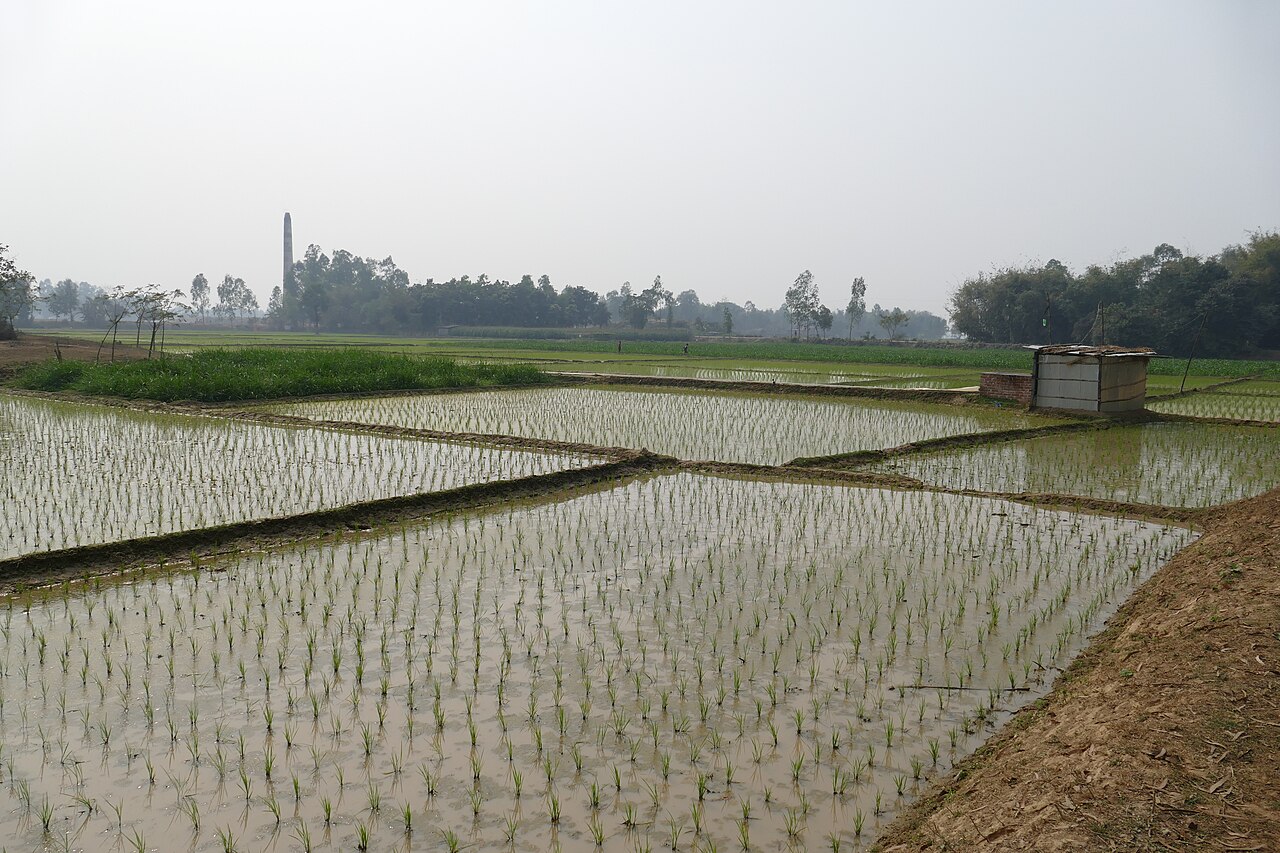
A haor, as Banglapedia defines it, is a large bowl-shaped depression that receives surface runoff through rivers and canals, becomes a very extensive body of water in the monsoon, and mostly dries up after it. Haors are found mainly in greater Sylhet and greater Mymensingh. The basin is bounded by the hills of Meghalaya in India to the north and Tripura and Mizoram to the south, and rivers rising in those hills flood its plains for about seven to eight months a year. In the dry season boro is grown across most of the haor, and it is the only crop the haor farmers raise in a year, as The Business Standard and Dhaka Tribune noted in 2022.
Silt, roads and embankments: why the water stayed
Local people blamed more than the rain. In Prothom Alo's report of 27 April they said the situation had been caused by high roads built in the haor without regard for the environment, unplanned development, rivers filling up with silt, and faults in the crop-protection embankments. A farmer in Austagram's Kalimpur village said the Khowai river had silted up at Shibpur on the Habiganj border, so that water collected in the Austagram part of the haor every year. Dr Sadiqur Rahman told the paper that silt deposits had obstructed the flow of the rivers and caused waterlogging in Austagram's haors; he added that the damage would grow if the plants stayed under water for five or six days, and would be smaller if the water fell before then.
The best-known road in Kishoreganj's haors is the 29.73-kilometre all-weather road linking Itna, Mithamain and Austagram, built by the Roads and Highways Department between 2016 and 2020 at a cost of Tk 874.08 crore and opened in October 2020. It runs through the middle of the haor, parallel to the Dhanu and Baulai rivers, and includes three PC girder bridges, 11 RCC girder bridges and 62 box culverts. In June 2022 The Business Standard reported that local people said the road had impeded the flow of upstream water through the haor into the rivers, so that water which used to drain quickly in March and April stayed trapped for days and damaged paddy. After that season's floods, the paper reported, a cabinet meeting on 18 April 2022 decided that no more roads would be built in the haor.
Embankments are the other recurring issue. Reporting on the 2017 flash floods, Dhaka Tribune said on 8 April 2017 that locals blamed poor management of the rivers and embankments and the loss of the rivers' navigability for worsening floods that were otherwise a common pre-monsoon event in the haor.
Earlier flash floods in Kishoreganj's haors
Pre-monsoon flash floods have struck the haor boro crop before. In April 2017, when floods arrived from 28 March, Dhaka Tribune reported that the DAE had found about 23,300 hectares of paddy completely inundated in Kishoreganj and projected a harvest loss of about Tk 291 crore, though local people said the real figure could be double. The DAE's deputy director in the district at the time named Austagram as the worst-affected upazila, and said field staff were preparing a list of affected farmers, as they were again in 2026.
The 2017 floods became the region's reference point. Writing on 2 May 2022, Dhaka Tribune recalled that nearly the entire haor boro crop had been washed away that year, and that the country had imported two million tonnes of rice. In 2022 a fresh round of flash floods damaged standing rice on an estimated 5,000 to 10,000 hectares across the seven haor districts, but the agriculture ministry had sent about 1,600 combine harvesters and reapers into the haors, and DAE figures showed 80 per cent of Kishoreganj's haor boro had been cut by 30 April that year. The same report noted that boro supplied 55 per cent of the country's yearly rice output and that nearly a million hectares in the seven haor districts were available for boro, divided almost evenly between haor and non-haor land.
Cutting at 80 per cent and the problem of drying
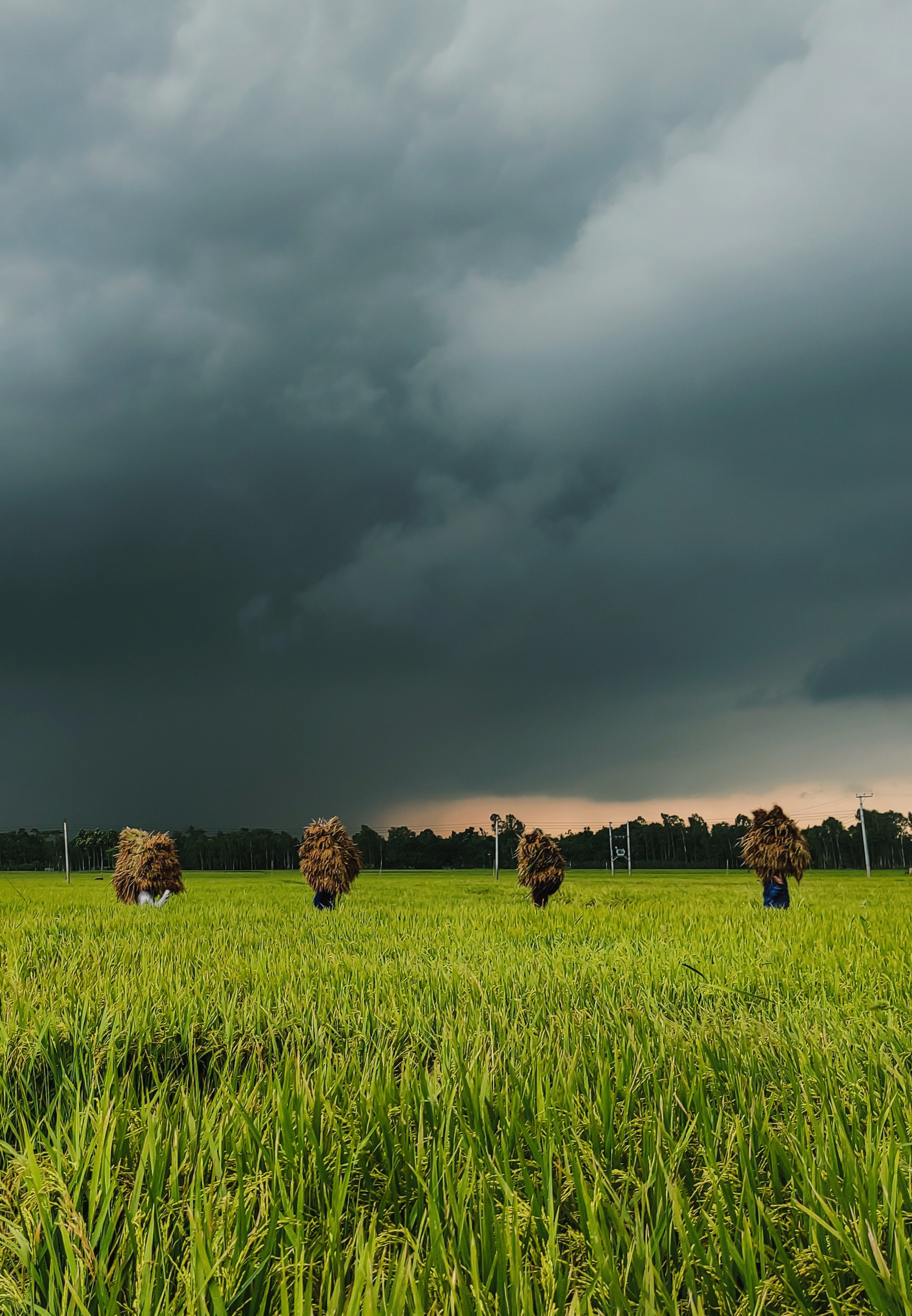
The advice given to Kishoreganj's farmers in 2026 was the standing guidance of the DAE for the haor. On 2 May Dr Sadiqur Rahman advised farmers to cut any crop that was 80 per cent ripe, even without sun, to prevent greater losses in the fields; he had given the same instruction on 27 April. In April 2024, ahead of forecast heavy rain, the DAE issued an emergency advisory for the seven haor districts telling farmers to harvest boro quickly once it was 80 per cent mature and keep it in a safe, dry place, and to keep drainage channels clear so that water did not stand in the paddy fields, as Jugantor reported on 29 April 2024. Banglapedia notes that in Bangladesh local boro varieties are harvested in April and May and high-yielding boro in May and June, which is why the haor crop is still in the fields when the pre-monsoon rains begin.
Why wet paddy spoils so quickly is explained by the International Rice Research Institute (IRRI) in its Rice Knowledge Bank. Rice can contain up to 25 per cent moisture at harvest, and high moisture during storage leads to grain discoloration, encourages moulds, increases the likelihood of pest attack and lowers the germination rate of the seed. IRRI advises drying grain as soon as possible after harvest, ideally within 24 hours, and says that delays or incomplete drying reduce grain quality and cause losses; for milling, grain should be dried to 14 per cent moisture. In Kishoreganj in the first days of May 2026, with threshing yards under water and the sun hidden, farmers could do neither, which is why paddy that had been saved from the fields was still being lost.
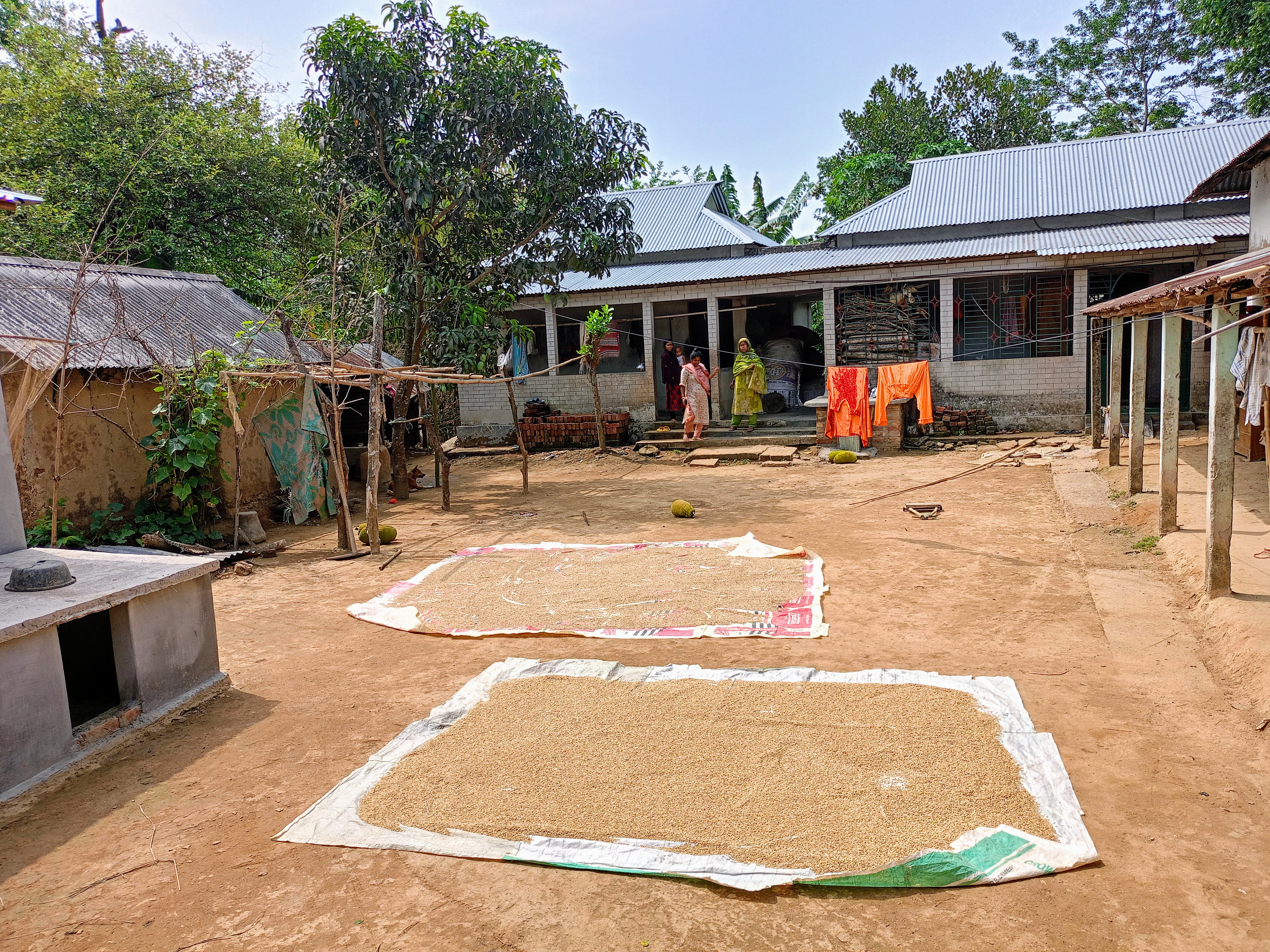
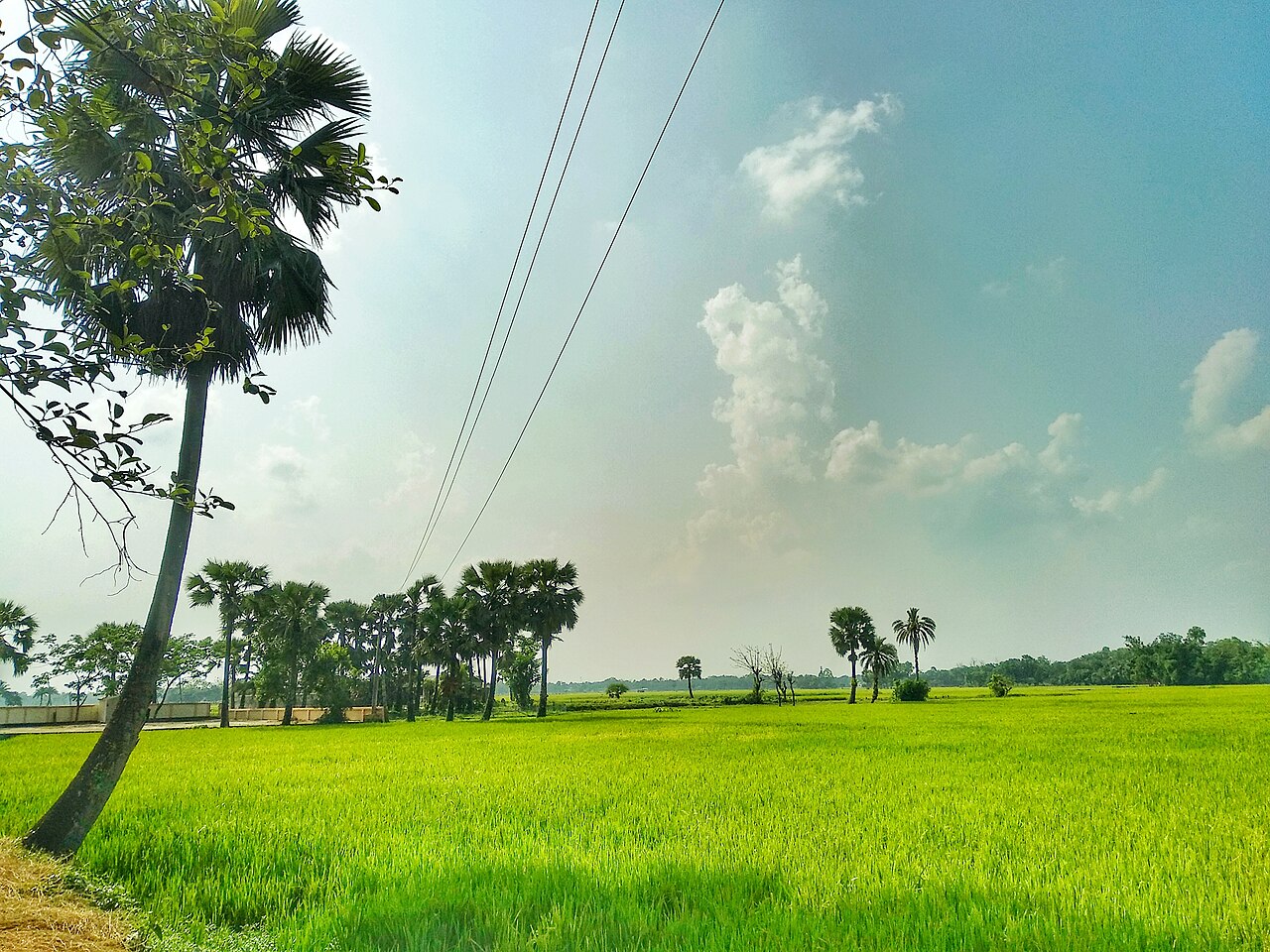
Photo: Hanif raaz / Wikimedia Commons (CC BY-SA 4.0)
Sources: Jagonews24, Prothom Alo, Dhaka Tribune, bdnews24.com, The Business Standard, Bangladesh Red Crescent Society, Jugantor, Banglapedia (Asiatic Society of Bangladesh), International Rice Research Institute (IRRI) Rice Knowledge Bank
Comments
(0)