
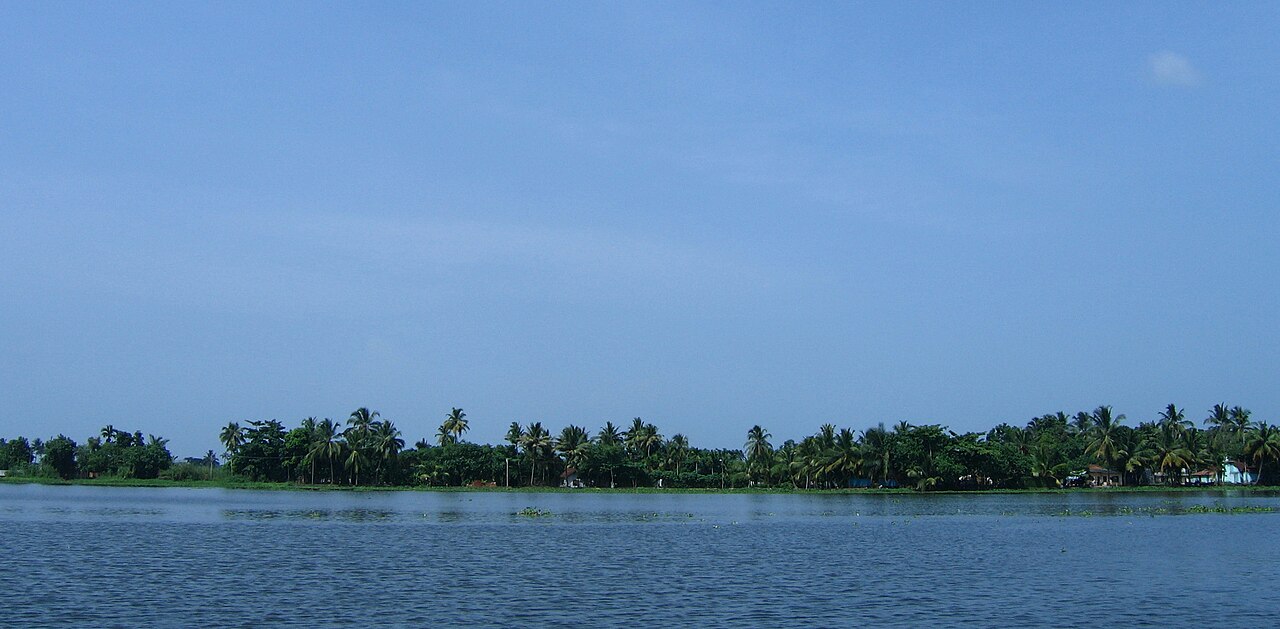
A stock enhancement project run by the ICAR-Central Marine Fisheries Research Institute (CMFRI) in Kochi has produced up to eight times the quantity of black clam seed it put into Vembanad Lake a year ago, the institute says. The result was marked with a harvest festival on 30 September 2026 at Vadakkumkara in Kerala's Alappuzha district.
In September 2025, five tonnes of black clam (Villorita cyprinoides) seed were relayed on a one-hectare site that scientists had chosen after an assessment showed it held no existing clam stock. After 12 months of culture the clams had grown well, with survival of around 80 to 90 per cent. CMFRI puts the harvestable stock at seven to eight times the seed, and expects production from the hectare to reach about 40 tonnes.
The black clam matters well beyond the lake. According to the institute, it accounts for more than 80 per cent of India's total clam resources and directly supports more than 6,000 families, with nearly twice that number depending on allied work in the clam fishery.
That fishery has been shrinking. CMFRI estimates show black clam catches in the region falling from a peak of 75,592 tonnes in 2006 to 45,601 tonnes in 2024, a decline of nearly 40 per cent, which the institute links to intensive exploitation and changing environmental conditions.
The project was carried out with a 100 per cent subsidy for Scheduled Caste communities under the Scheduled Caste Sub Plan, with CMFRI's technical guidance and the Thaikkattussery Black Clam Co-operative Society as partner. Standard sampling methods and a suitable stocking density were used throughout.
Opening the harvest, CMFRI director Dr Grinson George said the initiative shows how scientific regeneration can replenish declining clam resources while giving fishing communities a steady livelihood. The institute adds that clams, as filter feeders, also help keep the estuary productive and healthy.
Photo: Vinayaraj / Wikimedia Commons (CC BY-SA 3.0)
Source: ICAR
Comments
(0)