
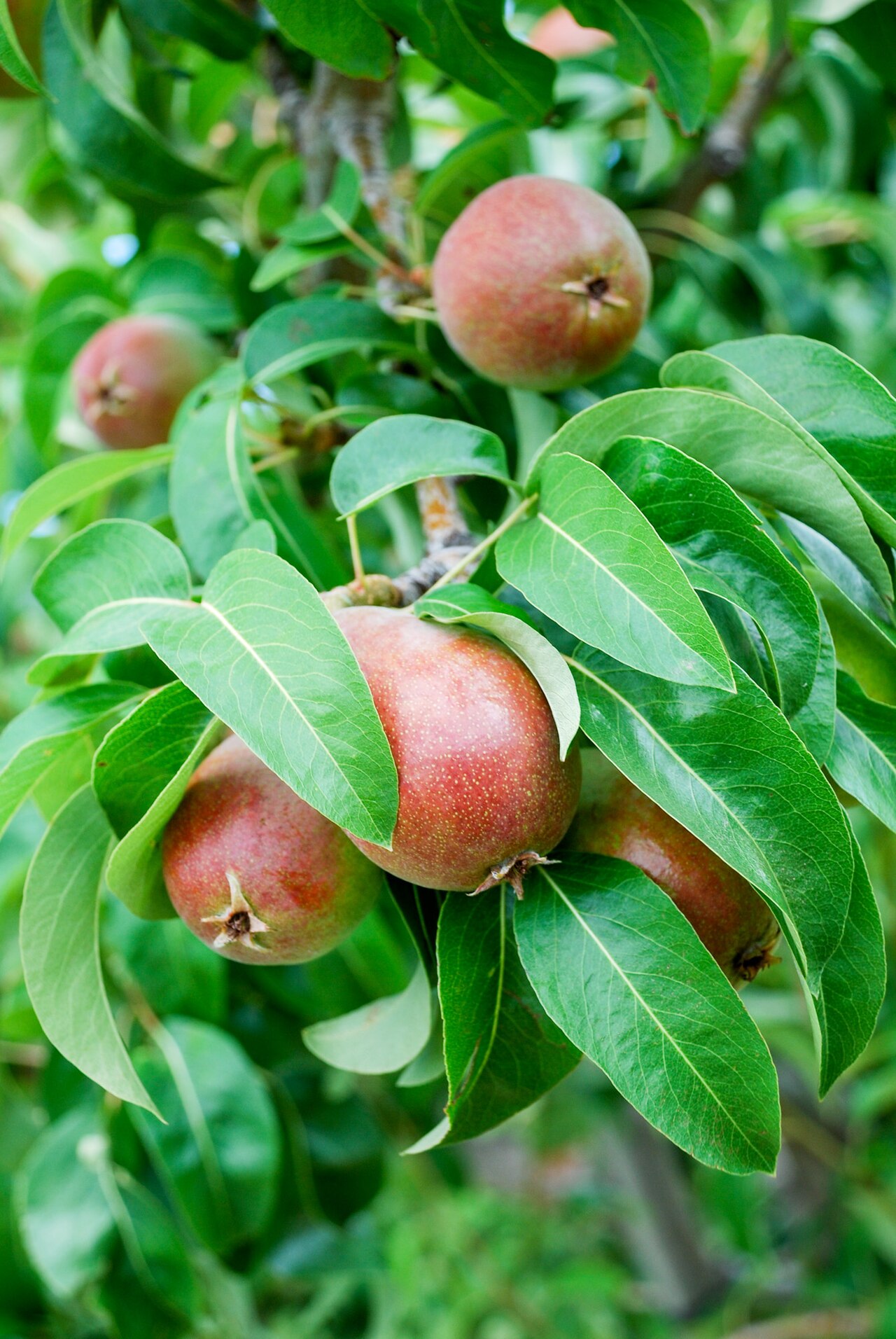
It looks much like a medium-sized apple. Its colour is apple-like, red over green and light yellow, and it tastes very sweet. It resembles the Bau kul, but it is in fact the Kashmiri Nurani apple kul.
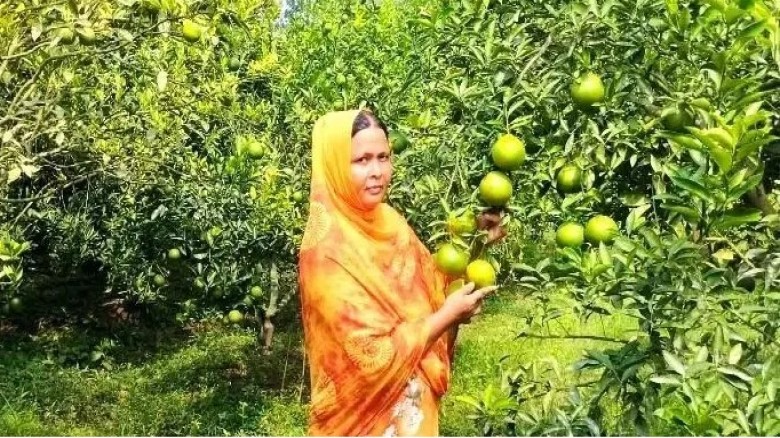
Apple kul is already grown in Bangladesh, but this is the first time the new Kashmiri Nurani apple kul variety has been grown in the country. It is larger than the usual apple kul and Bau kul, and the fruit hangs from branch after branch.
Liakat Bepari, a Belgium expatriate from North Banshkandi village in Banshkandi union of Madaripur's Shibchar upazila, is the first in the country to succeed with the Kashmiri Nurani apple kul.
Inspired by YouTube
While living in Belgium, Liakat Bepari was inspired by agricultural reports on YouTube and decided to come home and grow the Kashmiri Nurani apple kul. Back in the country, he did just that, and began to see success within 10 months of planting. His orchard has had a bumper crop.
According to local sources, in December 2018 he planted 800 Kashmiri Nurani apple kul saplings and 500 malta saplings on four bighas in North Banshkandi village at a cost of Tk 9 lakh.
The saplings matured 10 months after planting, and the trees flowered at 12 months. Fruit set in January this year, with 15-20 kg on each tree. Cyclone Bulbul caused some damage to the orchard; without the natural disaster, each tree would have borne 50 kg, the local sources say.
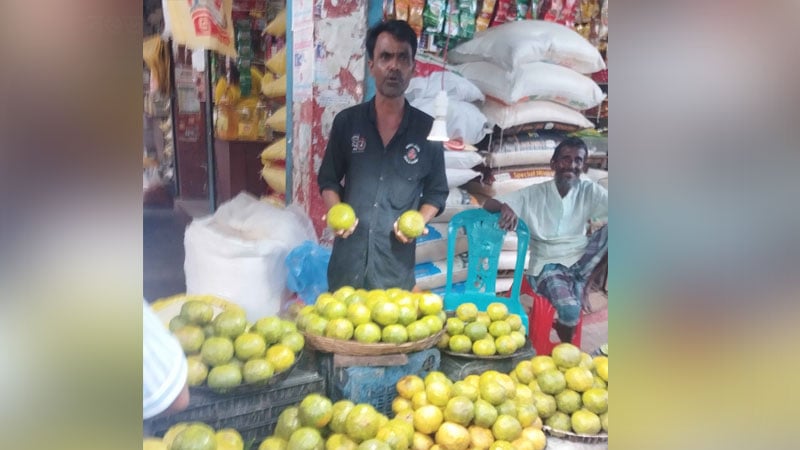
Liakat Bepari has already begun selling the fruit wholesale at Tk 70 a kg, and demand from buyers is growing. Seven or eight workers look after the trees and the orchard.
"My fortunes have changed"
"While I was in Belgium, I was inspired by agricultural reports on YouTube to grow Kashmiri Nurani apple kul," Liakat Bepari said. "In December 2018 I planted 800 Kashmiri Nurani apple kul saplings and 500 malta saplings on four bighas at a cost of Tk 9 lakh. The trees flowered last December and the fruit set in January. Now I have started selling the ripe fruit. Each tree has borne 15-20 kg, and I am selling it wholesale at Tk 70 a kg. You could say my fortunes have changed. I have succeeded. As the trees mature they will bear fruit for up to 10 years, and the amount of fruit will increase."
He said the soil of Shibchar would give bumper yields of Kashmiri Nurani apple kul, as it had for him. "The soil here is very good. Anyone can grow it easily and become self-reliant."
He said he received no help at all from the upazila office of the Department of Agricultural Extension or the officials concerned when he started. "If they supported such ventures, many people could change their fortunes by growing Kashmiri Nurani apple kul."
Asked about this, Shibchar upazila agriculture officer Anup Roy said expatriate Liakat Bepari had shown success for the first time by growing the new Kashmiri Nurani apple kul variety in Shibchar's soil. Anyone who wants to plant and grow the fruit in future will get help from the upazila agriculture office, he said.
Source: Jagonews24. First published in Bengali on The Agro News.
Comments
(0)