
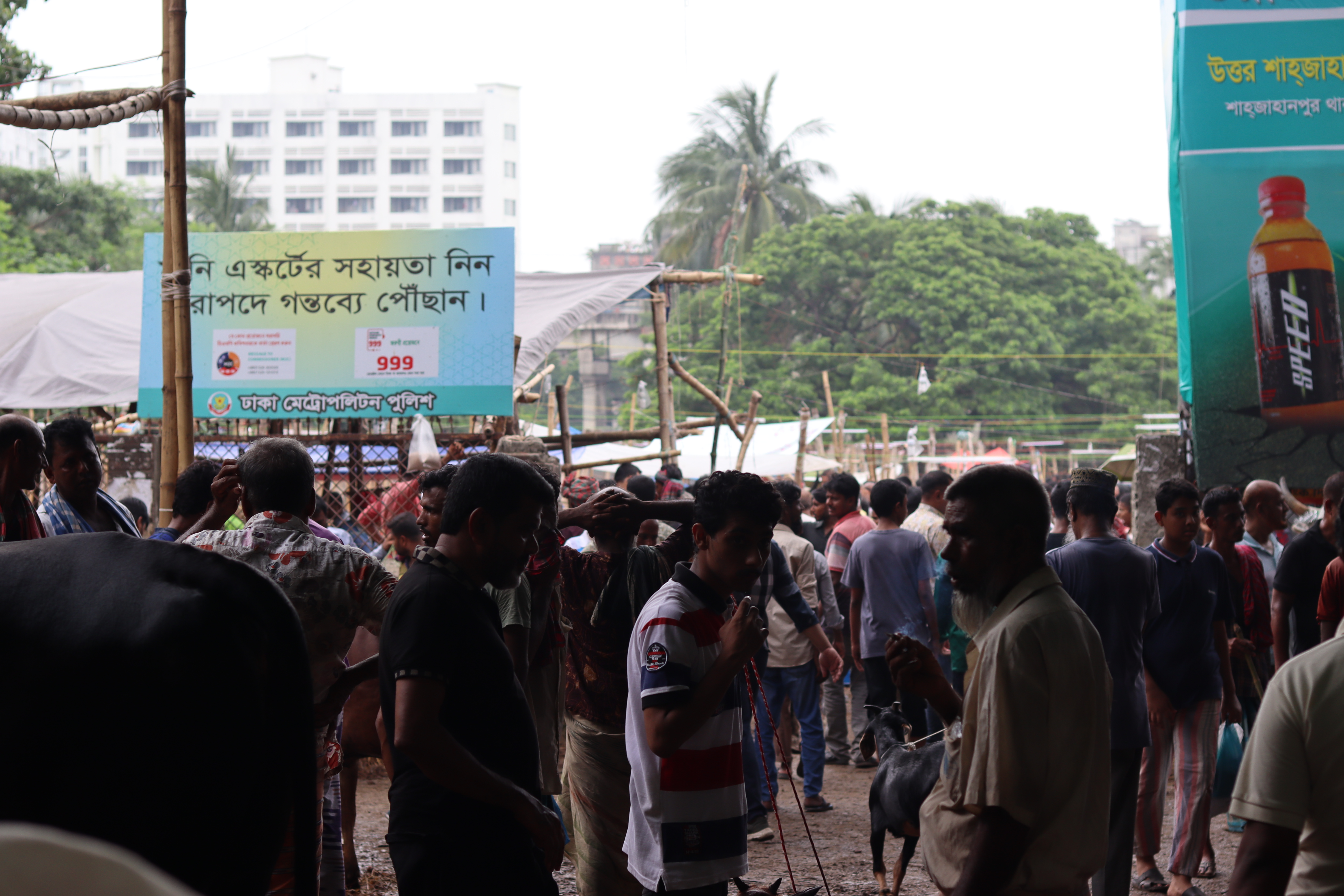
A black Holstein Friesian bull named 'Kalo Manik', raised for about seven years in Uttar Jhatibunia village of Mirzaganj upazila in Patuakhali district, was sold for Tk 20 lakh at the Uttara Diabari cattle market in Dhaka on 24 May 2026, Jagonews24 reported the following day. The farmer, Sohag Mridha (named Sohag Mia in the Jagonews24 report), had first asked Tk 22 lakh for the animal, which was said to weigh about 45 maund. According to the report, the buyer was a trader from Sylhet named Fahim. The bull had drawn attention a year earlier, when the farmer took it to Dhaka in June 2025 as an Eid-ul-Azha gift for BNP chairperson and former prime minister Khaleda Zia, who did not keep it and asked him to take it home.
A sale at the Diabari market days before Eid
Jagonews24's Patuakhali correspondent wrote that the huge bull drew strong interest from buyers and visitors across the Diabari market, and that many people crowded round to see it and to take photographs with it. The farmer told the paper that he had raised the bull for seven long years, like his own child. He had started by asking Tk 22 lakh, and in the end sold it to the Sylhet trader for Tk 20 lakh.
"With the money from selling the bull I want to set up a large cattle farm," the farmer told Jagonews24. "The man who bought it has invited me. I am now in Sylhet with my family. Everyone please pray for me."
Prothom Alo, in a report from the Dhaka cattle markets published on the morning of 25 May 2026, described the bull's first hours at Diabari. The animal, which it called 'Kala Manik', had arrived from Mirzaganj at about noon on Sunday, 24 May, and was tied near the market's number 1 toll booth, where many visitors gathered round it. A relative of the farmer who was with the bull told the paper that it was about 12 feet long and 6 feet tall, weighed about 45 maund or 1,800 kilograms, had been raised at home for seven years and had been fed on bran and grass. A goat of about 50 kilograms was tied beside it; the family said the goat would not be sold separately and would be given free to whoever bought the bull.
The family did not name a price at midday. When Prothom Alo reached the farmer by mobile phone at about 5:30 in the afternoon, he said he was asking Tk 22 lakh, that offers had reached Tk 19 lakh within a few hours of the bull arriving, and that the family intended to sell if they were offered Tk 20 lakh. Jagonews24 reported the sale at that price.
How the bull was raised in Mirzaganj
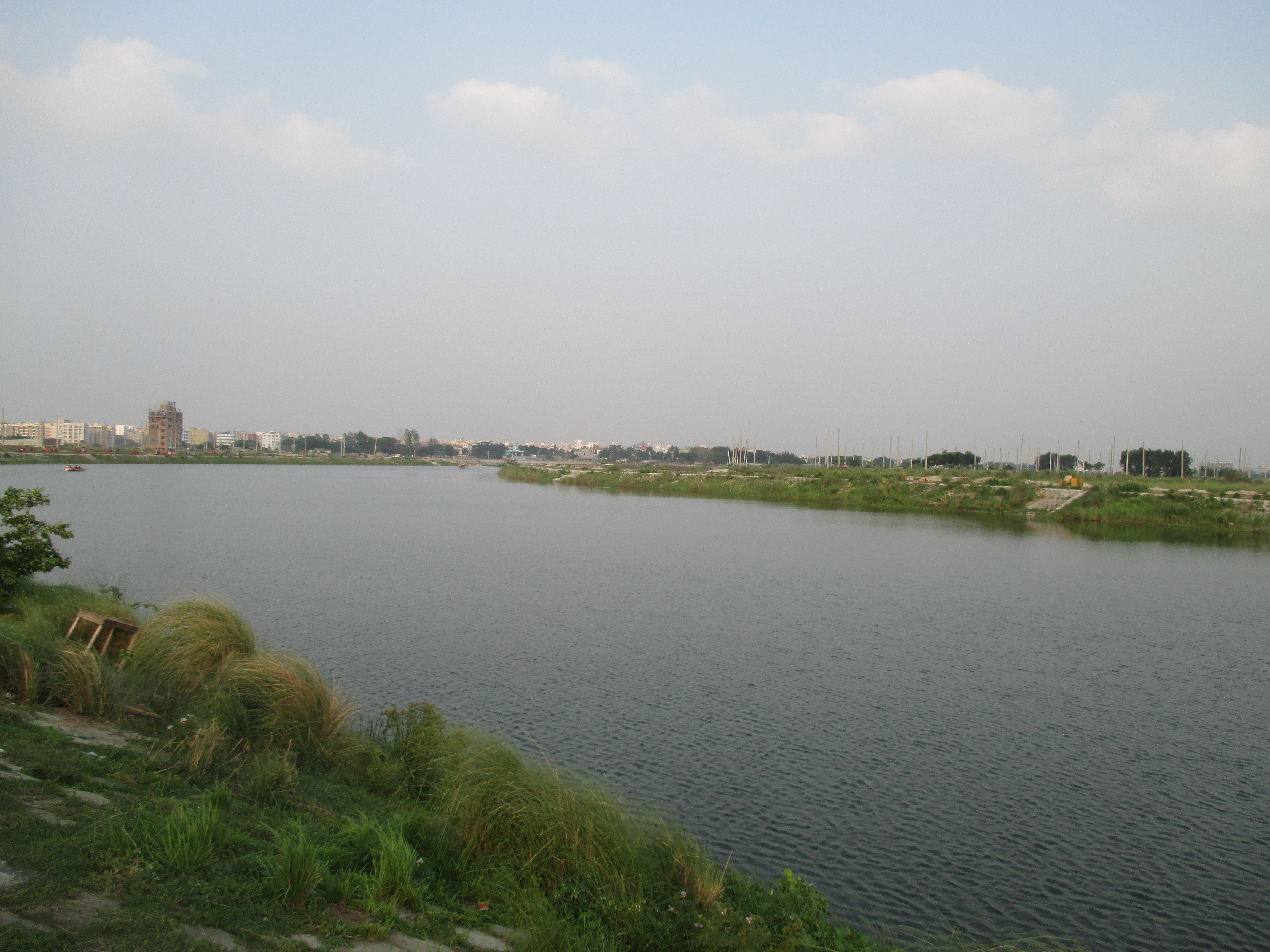
Prothom Alo first wrote about the bull on 25 May 2025. Speaking to the farmer and his neighbours, its correspondent found that late in 2018 the farmer had bought a Friesian cow for Tk 1 lakh 37 thousand at the local Chaita bazar. Within a week the cow gave birth to a calf. The family later sold the cow at a local market and raised the calf themselves, feeding it wheat bran, oil cake, green grass and straw. Because of its jet-black coat, the family called it 'Kalo Manik', roughly 'black jewel'.
The same report said an offer of Tk 10 lakh had been made for the bull in 2024, but the farmer had not sold it. In early June 2025 the bull was described as 10 feet long and 5 feet 4 inches tall, with a weight of about 1,400 kilograms, or about 35 maund. The farmer's mother told Prothom Alo that the household lived on what a small piece of farmland produced and that they just about got by.
Desh Rupantor, reporting on 5 June 2025, quoted the Mirzaganj upazila livestock officer, Alauddin Masud, as saying that the farmer had raised the bull on green grass and straw, that Kalo Manik was the biggest bull in the district, and that his office had helped the farmer throughout the time it was being raised. The farmer told the same paper that he had fed the animal only on local feed.
By May 2026 the bull had grown further. Jagonews24 described it as about 12 feet long and 6 feet tall, and wrote that people came every day from far and near to the farmer's home to see it before it was taken to Dhaka.
The June 2025 journey to Dhaka
On the morning of 5 June 2025, at about 8 o'clock, the farmer set off for Dhaka from Uttar Jhatibunia with the bull, Prothom Alo reported. The animal travelled on one of three hired trucks, garlanded and decorated with coloured paper; a band of drummers rode on the second, and 25 to 30 young men from the area rode on the third. The farmer told the paper that he wanted to give the bull to the BNP chairperson out of affection and wanted nothing in return.
The bull reached 'Firoza', Khaleda Zia's residence in Gulshan, at 9:55 that night. Shairul Kabir Khan, a member of the BNP media cell, told Prothom Alo that she had been told about the gift through her personal physician, A Z M Zahid Hossain, and had asked that it be taken back and used by the farmer, and that she had asked him for his prayers. Zahid Hossain told reporters outside the house that she had accepted the feeling behind the gift and had requested that the farmer take the bull back and sacrifice it in his own area, since an animal that size could not be sacrificed at the house.
The farmer brought the bull home on the morning of 6 June 2025. "I have nothing more to ask for," he told Prothom Alo, adding that the family would decide about the bull after Eid. Jagonews24's May 2026 report put it the same way: after the farmer was advised to use the bull for the family's well-being, he brought it back and went on raising it. Khaleda Zia died on 30 December 2025 at Evercare Hospital in Dhaka, five months before the bull was sold.
What a weight of 45 maund means
The weights given for Kalo Manik came from the farmer's side; none of the reports said the bull had been weighed on an official scale. They were given in maund (mon), the old South Asian unit still used in Bangladesh's markets. The maund was first standardised in the Bengal Presidency in 1833, and throughout Bangladesh today one maund is counted as 40 kilograms. That is why Prothom Alo gave the bull's weight in May 2026 as about 45 maund 'or 1,800 kilograms', and why the June 2025 figure of about 35 maund appeared alongside about 1,400 kilograms.
These are very large figures for a single animal. For comparison, a mature Holstein cow typically weighs 680 to 770 kilograms and stands 145 to 165 centimetres at the shoulder, according to standard breed descriptions. Kalo Manik was not the only big animal at the capital's markets that week. Prothom Alo's report of 25 May 2026 also described a bull named 'Barishaler Badsha' from Babuganj in Barishal, said by its farmer to weigh about 1,400 kilograms and priced at Tk 15 lakh, and a pair of Friesian bulls from Sirajganj at the Kalshi market, each said to weigh about 1,100 kilograms.
The Holstein Friesian and crossbred cattle in Bangladesh
Kalo Manik's mother was described as a Friesian cow, and the bull itself was described as of the Friesian breed. The Holstein Friesian is an international dairy breed that originated in Friesland, a region stretching from the Dutch province of North Holland to the German state of Schleswig-Holstein. It is the dominant breed in industrial dairy farming worldwide and is found in more than 160 countries. Its coat is usually black and white, or red and white, in a pied pattern.
In Bangladesh, Banglapedia notes, efforts have been made since the 1960s to raise the production of local cattle by crossing them with exotic breeds, among them the Holstein Friesian, Jersey and Sahiwal. Pure exotic breeds, their crosses and upgraded cattle are now found on government and commercial dairy farms, in milk-pocket areas and around towns. The encyclopedia gives a milk yield of 1,800 litres per lactation for the Friesian cross, against 728 litres for the Sahiwal and local cross.
The same entry warns that pure-bred and crossbred cattle have high nutritional needs, adapt less well and are more prone to parasites and disease than local cattle, while the local animals resist disease, tolerate heat and make good use of low-quality roughage.
Mirzaganj and Patuakhali: the bull's home district
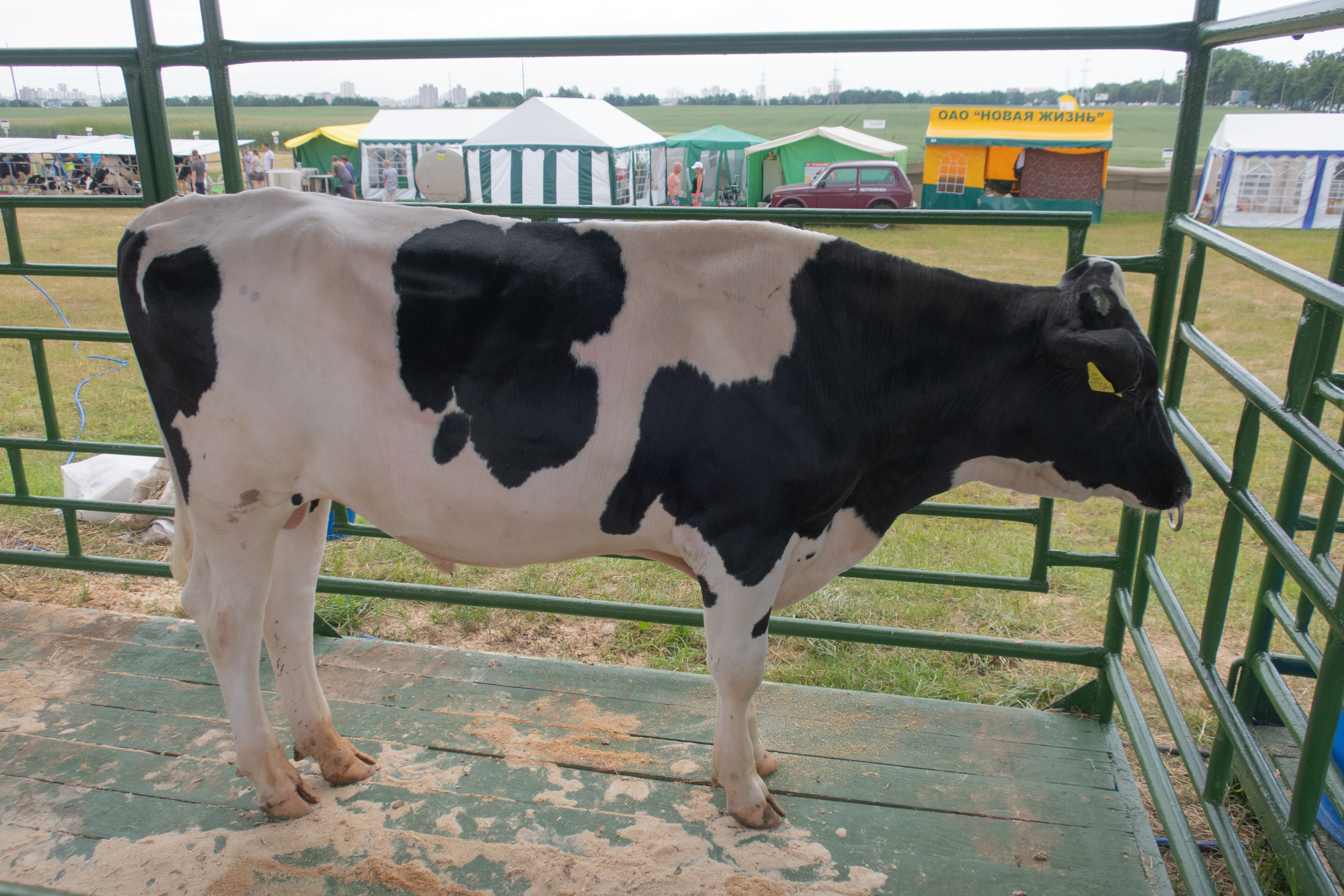
Mirzaganj is one of the eight upazilas of Patuakhali district in Barishal division. Banglapedia gives its area as 167.18 square kilometres, bounded by Bakerganj upazila to the north, Barguna Sadar to the south, the Rajganj river, Patuakhali Sadar and Dumki to the east and Betagi to the west. Its main rivers are the Rajganj, Burishwar and Srimanta. Mirzaganj thana was formed in 1812 and became an upazila in 1983. The 2011 census counted 121,716 people there.
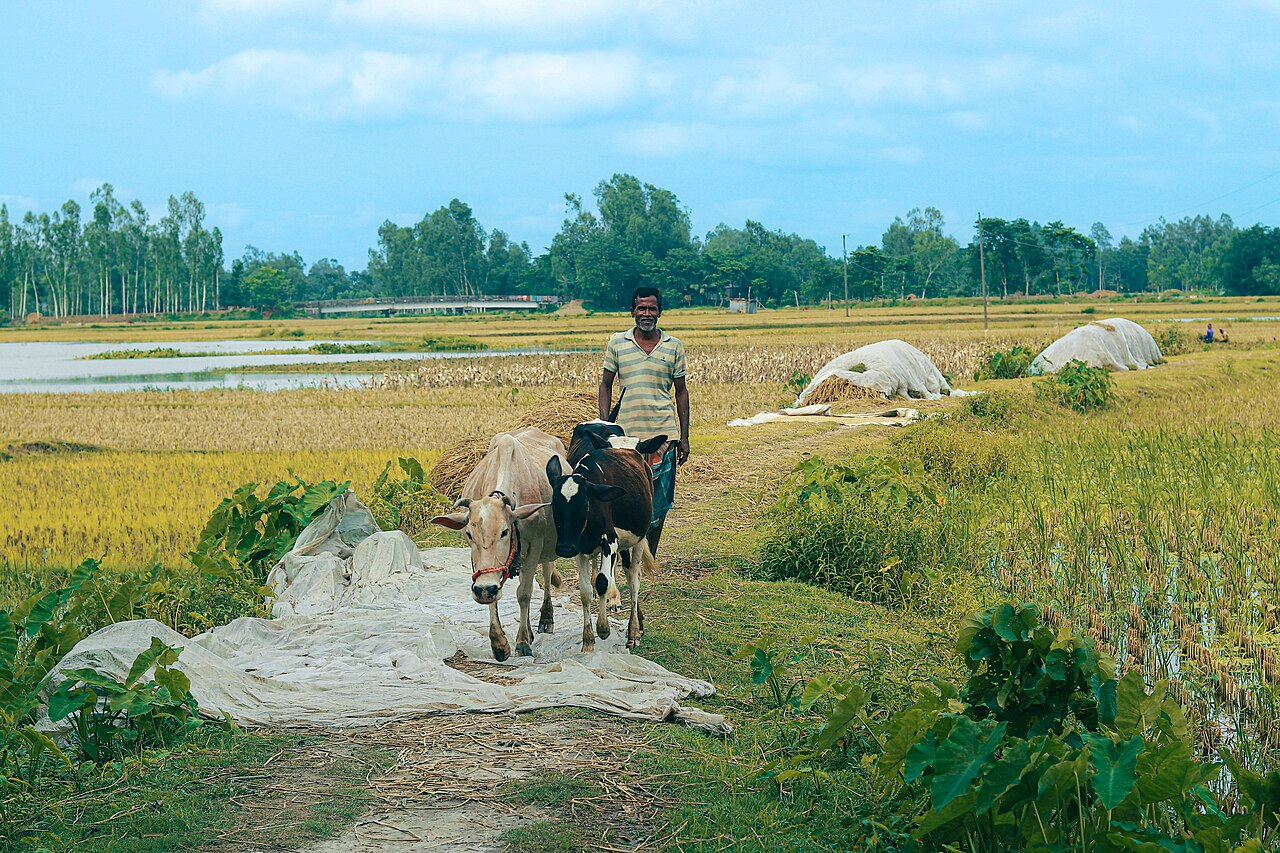
Farming is the main living: agriculture is the main source of income for 62.46 percent of households, according to Banglapedia, and the main crops are paddy, pulses, groundnut, potato and vegetables. The upazila has 50 hats and bazars. At Chaita, where the farmer bought the cow that gave birth to Kalo Manik, Banglapedia lists a secondary school founded in 1968, a senior fazil madrasa founded in 1940 and the Chaita Darbar Sharif Jami Mosque.
Patuakhali district covers 3,221.31 square kilometres between Barishal district to the north and the Bay of Bengal to the south, with Bhola to the east and Barguna to the west. Its land is the alluvial soil of the Meghna basin and a number of small chars, and its main rivers are the Andharmanik, Agunmukha, Tentulia, Galachipa and Rajganj. Patuakhali, once a sub-division of Bakerganj district, became a district in 1969.
Cattle rearing is a large part of farm life there. In early May 2026 the district livestock office told BSS that Patuakhali had 6,421 farms and that 758 farmers had been trained. It counted 19,661 animals ready for sacrifice in Mirzaganj upazila alone: 14,782 cattle, 191 buffaloes, 5,255 goats and 24 sheep. For the whole district it counted 1,37,918 animals against a demand of 1,22,633, leaving a surplus of 15,280. District livestock officer Dr Md Habibur Rahman said there was no shortage, that locally reared animals could meet the district's demand, and that he hoped farmers would get fair prices and buyers would find healthy, safe animals.
Sacrificial animals and markets in 2026
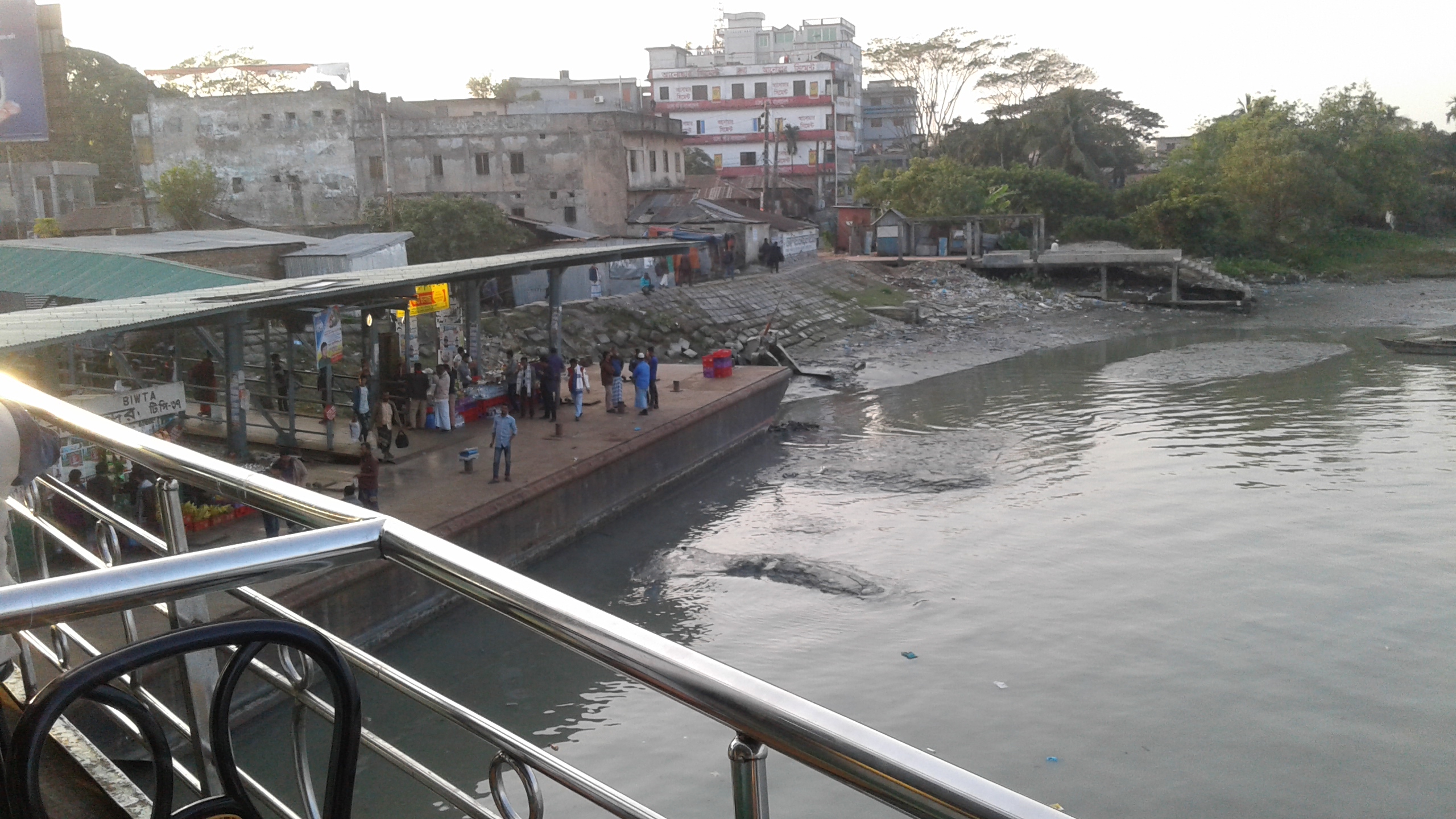
Kalo Manik was sold in a year when the government said the country had more sacrificial animals than it needed. On 3 May 2026 Fisheries and Livestock Minister Mohammad Aminur Rashid told a press conference at the secretariat that 1,23,33,840 animals were ready for Qurbani against a projected demand of 1,01,06,334, and that around 22,27,506 animals were likely to remain surplus. Citing Department of Livestock Services (DLS) data, he said the total included 56,95,878 cattle and buffaloes, 66,32,307 goats and sheep and 5,655 other animals such as camels and dumba. A year earlier 1,24,47,337 animals had been available and 91,36,734 were sacrificed.
On 14 May, at the Bangladesh Livestock Research Institute in Savar, the minister said that more than one crore animals had been prepared, that no animals would need to be imported and that law enforcement agencies had been told to stop livestock being brought illegally across the border. In Barishal division, the DLS divisional office told BSS on 16 May that 3,915 farmers had 4,68,445 animals ready against an estimated demand of 4,00,783, leaving 67,662 surplus. For Patuakhali the divisional figures were a demand of 1,11,874 against 1,33,718 animals available.
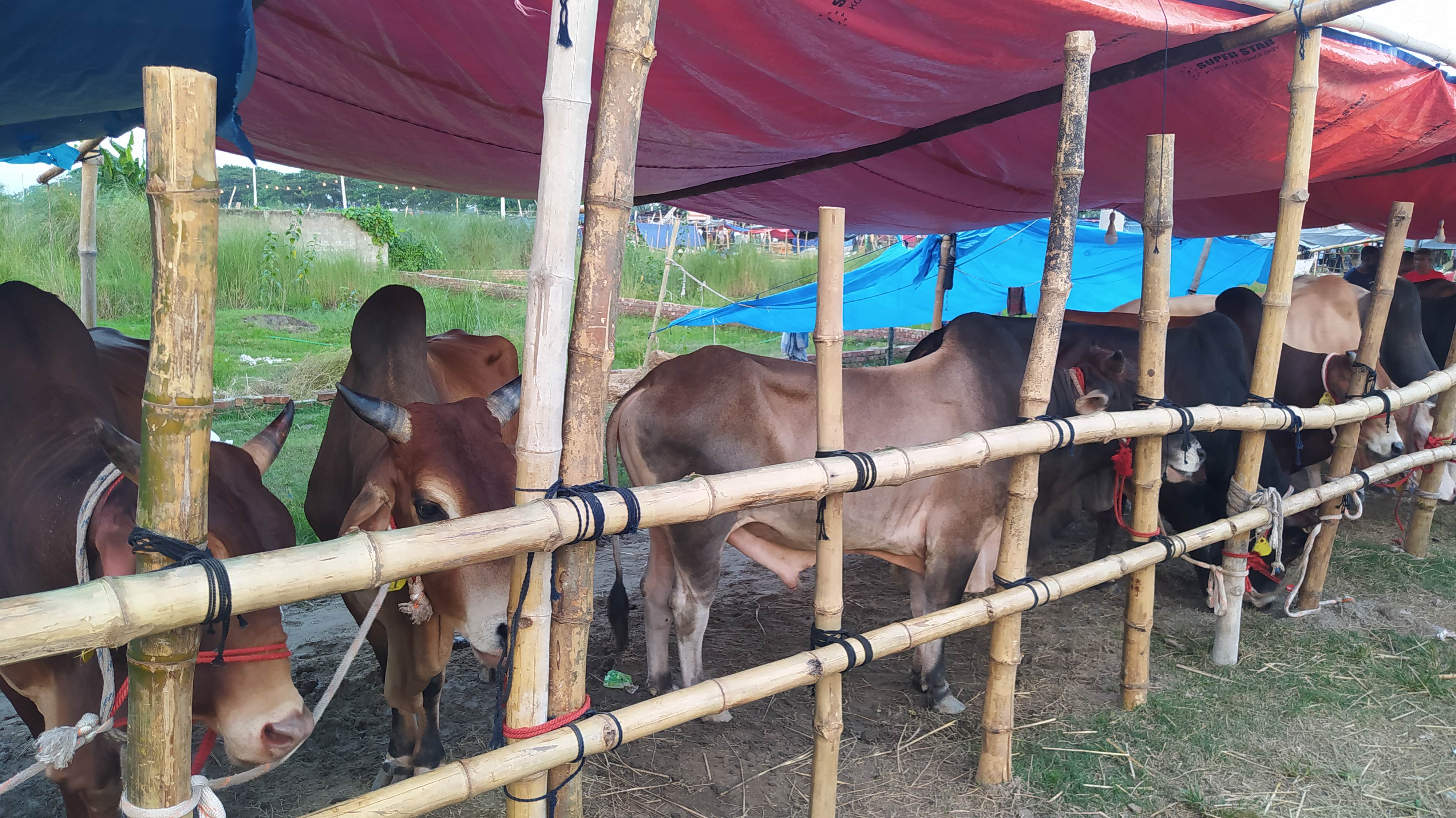
The National Moon Sighting Committee announced on 18 May that the Zilhajj moon had been seen and that Eid-ul-Azha, observed on the 10th day of Zilhajj, would be celebrated in Bangladesh on 28 May, bdnews24 reported. In Saudi Arabia the moon had been sighted a day earlier, on Sunday, with Eid set for 27 May and the main Hajj rituals for 26 May. The government had declared a seven-day holiday from 25 to 31 May for the festival. In Dhaka the cattle markets formally opened on 24 May, the day Kalo Manik arrived. Prothom Alo reported that leases had been settled for 21 temporary markets in the two city corporations but 20 had opened, ten in each, besides the permanent markets at Gabtoli and Saruliya. The Diabari market had been set up on open land beside sectors 16 and 18 of Uttara, in the Bou Bazar area; on its first day small and medium cattle outnumbered the big ones.
Feeding and health checks: what livestock officials said
The livestock sector that produces animals like Kalo Manik is large. The DLS publication Livestock Economy at a Glance (2024-2025), based on Bangladesh Bureau of Statistics data, put the country's cattle population in 2024-25 at 251.71 lakh, with 15.32 lakh buffaloes, 272.91 lakh goats and 39.81 lakh sheep. Meat production was 89.54 lakh tonnes against a demand of 77.92 lakh tonnes, and availability was 137.90 grams per person a day. Livestock made up 1.81 percent of GDP and 16.54 percent of agricultural GDP at constant prices (provisional), and the DLS put the share of people employed directly in the sector at 20 percent and partly at 50 percent.
Before Eid in 2026, livestock officials repeated their advice on feeding. In Jashore, district livestock officer Dr Md Siddiqur Rahman told BSS on 17 May that farmers had been told not to depend on concentrate feed alone and to give green grass as well, because feeding concentrates only was raising the cost of rearing. In Savar on 14 May the minister said work was under way to make cattle rearing cheaper and to increase production of improved grass varieties.
Officials also described checks at the markets. The Jashore officer said veterinary teams would work at every market in the district to make sure that no sick animal, no pregnant cow and no animal fattened by unhealthy means was sold. In Barishal division, the livestock department told BSS that surveillance had been stepped up to stop artificial fattening of animals and that veterinary medical teams would be active at the markets to check animals' health. Farmers and buyers with questions about an animal's health can contact their upazila livestock office or the veterinary team at the market.
Photo: Wasiul Bahar / Wikimedia Commons (CC BY-SA 4.0)
Sources: Jagonews24, Prothom Alo, Desh Rupantor, BSS, Dhaka Tribune, bdnews24, Department of Livestock Services (Livestock Economy at a Glance 2024-2025), Banglapedia, Wikipedia
Comments
(0)