
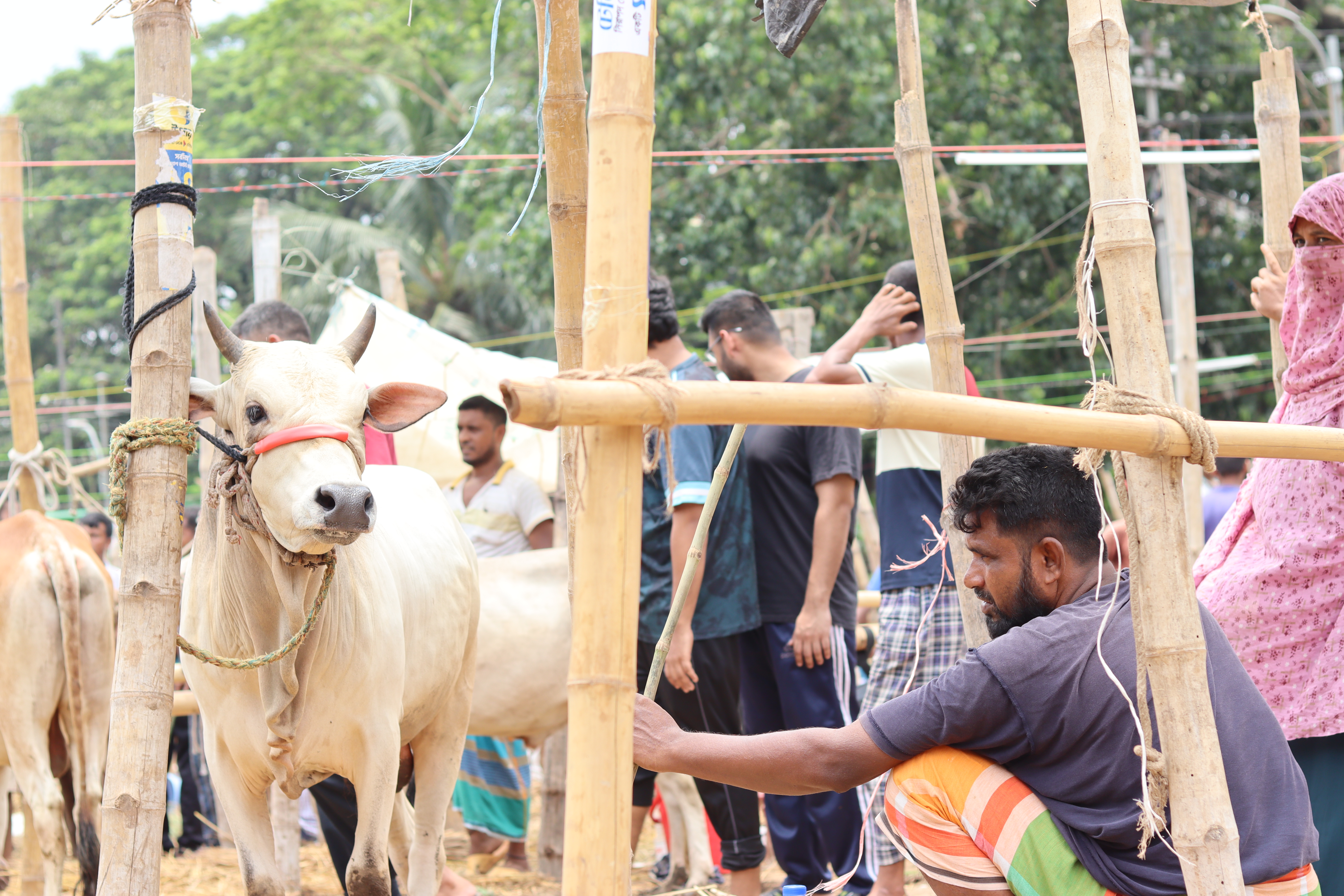
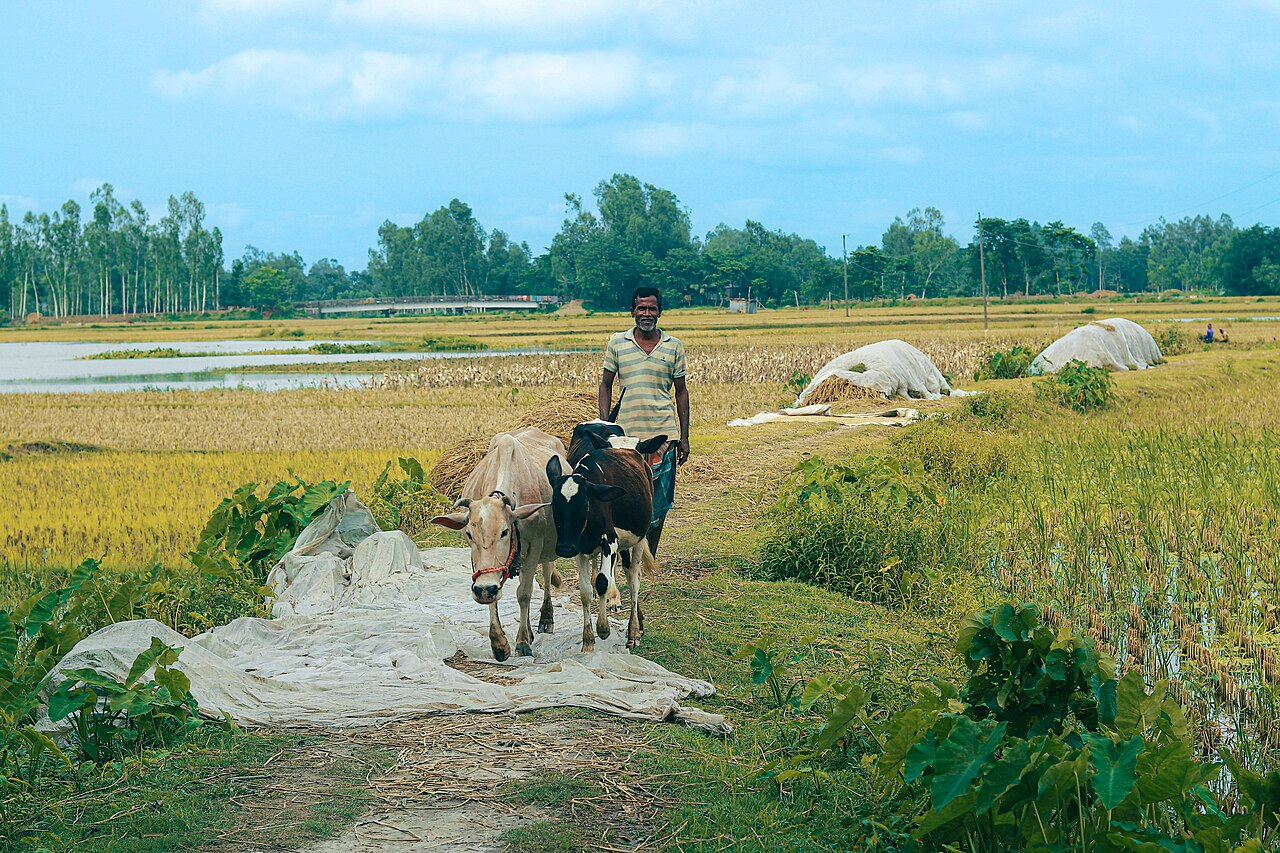
Two large bulls named 'Bhoyonkor' (Fearsome) and 'Badsha Babu' had become the talk of Kalapara upazila in Patuakhali district in the days before Eid-ul-Adha in 2026. According to a Jagonews24 report published on the morning of Sunday 24 May 2026, their farm was asking a total of Tk 16 lakh for the pair. The Business Standard had reported on 21 May that Eid-ul-Adha would be celebrated in Bangladesh on 28 May, so the bulls were on offer only days before the festival.
The two animals were raised on a farm next to the Gabbaria sluice gate in Nij-Shibbaria village, in the sadar union of Mohipur thana in Kalapara. The farm belongs to Md Ibrahim Howlader, who said he had prepared them for sale for the Eid sacrifice.
Two bulls, two breeds
By the farm's account, 'Bhoyonkor' is a Friesian and weighs about 18 maunds, and Tk 9 lakh was being asked for it. 'Badsha Babu' is a Sahiwal of about 17 maunds, and its price had been set at Tk 7 lakh. Both weights were given as approximate figures, and the prices were the farm's asking prices, not sale prices.
The bulls were not new to the news. The daily Shomoyer Alo had reported on 16 May 2026 that, because of their great size, fine build and looks, curious people from different areas were crowding to the farm every day to see them. According to that report, 'Bhoyonkor' was given its name because of its huge body and was described as royal-looking, while 'Badsha Babu' was described as calm-natured. The asking prices were the same a week earlier: Tk 9 lakh and Tk 7 lakh, or Tk 16 lakh for the two.
The maund (mon in Bengali) in which the weights were given is a traditional South Asian unit of weight. According to Wikipedia, the maund of the Mughal era was reckoned as 40 seers, and in British India it was first standardised in the Bengal Presidency in 1833; its value has varied over time and from region to region. Both reports on these bulls gave their weights in maunds.
Four years of care, as the farm tells it
According to the farm, the two bulls had been raised over about four years with care, attention and natural feed. The farm said no harmful injection or artificial method had been used to fatten them, and that they had been bathed regularly every day, kept clean and given nutritious feed.
"The two bulls are like members of our family," Md Ibrahim Howlader told Jagonews24. "I have raised them naturally from the start. They have been given maize silage, green grass, straw, bran and various nutritious feeds." He said about Tk 12 lakh had been spent on the two bulls over the four years. He had prepared them for sale for the Eid of the sacrifice, he said, and anyone looking for healthy and attractive cattle could come straight to the farm and see them.
He had told Shomoyer Alo much the same on 16 May: the two bulls had become part of the family, they had been raised with great care since they were young, no artificial fattening process and no harmful hormones or drugs had been used, and besides regular green grass, maize silage, straw, bran and nutritious feed, special attention had been paid to their health care. He gave that paper the same cost figure of about Tk 12 lakh over four years.
Solaiman Khan, the worker who looks after the bulls, told Jagonews24 that they had been raised through hard work day and night, and that it was because of regular care and special attention to their feed that they had grown healthy and attractive. He hoped they would sell for a good price at the Eid market. Speaking to Shomoyer Alo, he had described the daily routine: a bath at a set time every day, a clean shed and feed given on time.
Neighbours spoke of the attention the animals drew. "Such big and beautiful cattle are not often seen in our area," local resident Habib Sardar said. "Ibrahim has worked very hard to raise them. People come from far and wide every day to see them." Local youth Md Mainuddin Atik said: "'Bhoyonkor' really does look royal. Everyone is charmed by the beauty and health of the two bulls."
What the veterinarian and the livestock officer said
Ahsan Habib, a local animal doctor who regularly looks after the bulls, told Jagonews24 that they had been raised on entirely natural feed with proper care and were at that point fully healthy. In the earlier Shomoyer Alo report he said the bulls had been kept under regular treatment and observation, and that they were very healthy because they had been raised naturally on a balanced diet.
The upazila livestock officer, Dr Maruf Billah Khan, said that 'Bhoyonkor' and 'Badsha Babu' had become one of the main attractions of Kalapara's sacrificial animal market that year. "No harmful hormone or special medicine was used for the growth of the two bulls," he told Jagonews24. "They have been raised entirely naturally. This is a positive example for other farmers too."
He said more than 20,000 animals had been made ready for the sacrifice in the upazila that year: 12,000 cattle together with a small number of buffalo, and 8,000 goats and sheep. A fuller breakdown had been published earlier in the month. On 5 May the state news agency Bangladesh Sangbad Sangstha (BSS), citing the district livestock office, listed 11,885 cattle, 266 buffalo, 6,136 goats and 1,300 sheep in Kalapara upazila, a total of 20,006 animals.
The weeks before Eid had not been easy for everyone who kept cattle in the upazila. Prothom Alo reported on 30 April 2026 that at least 29 cattle had been killed by lightning in Kalapara during two days of thunderstorms, and that 23 farmers had been affected, according to the upazila livestock department. Maruf Billah told the paper that the deaths of 29 cattle on that Tuesday and Wednesday had been confirmed, but that the real number would be higher. Affected people said cows, small calves and cattle being fattened for the sacrifice had been killed. The farmers claimed losses of at least Tk 60 lakh; that figure was their own claim. The upazila nirbahi officer, Kawsar Hamid, said a list of farmers whose livestock had died would be sent to higher authorities.
Friesian and Sahiwal: the breeds behind the names
Banglapedia, the national encyclopaedia of Bangladesh, describes two distinct species of cattle: Bos indicus, the humped zebu of the Indian subcontinent, and Bos taurus, the temperate cattle, which it describes as medium to heavy in size, reaching sexual maturity early and with high potential for meat and milk. Most of the country's cattle, it says, are non-descript indigenous zebu animals kept for several purposes at once.
Since the 1960s, according to Banglapedia, people in Bangladesh have reared three categories of cattle: pure breeds, crossbreds and local cattle. To raise the output of local cattle, crossbreeding with exotic breeds was tried several times; the breeds introduced include the Holstein-Friesian, Jersey, Sahiwal, Haryana, Sindhi and Sahiwal-Friesian. Pure exotic breeds, their crossbreds and upgraded cattle are found on government and commercial dairy farms, in milk pocket areas and in urban and semi-urban areas. Banglapedia lists crossbreds such as the Sahiwal-Pabna cross, Friesian-Pabna cross, Sahiwal-local cross and Friesian cross, with milk yields of 1,240, 1,460, 728 and 1,800 litres per lactation respectively.
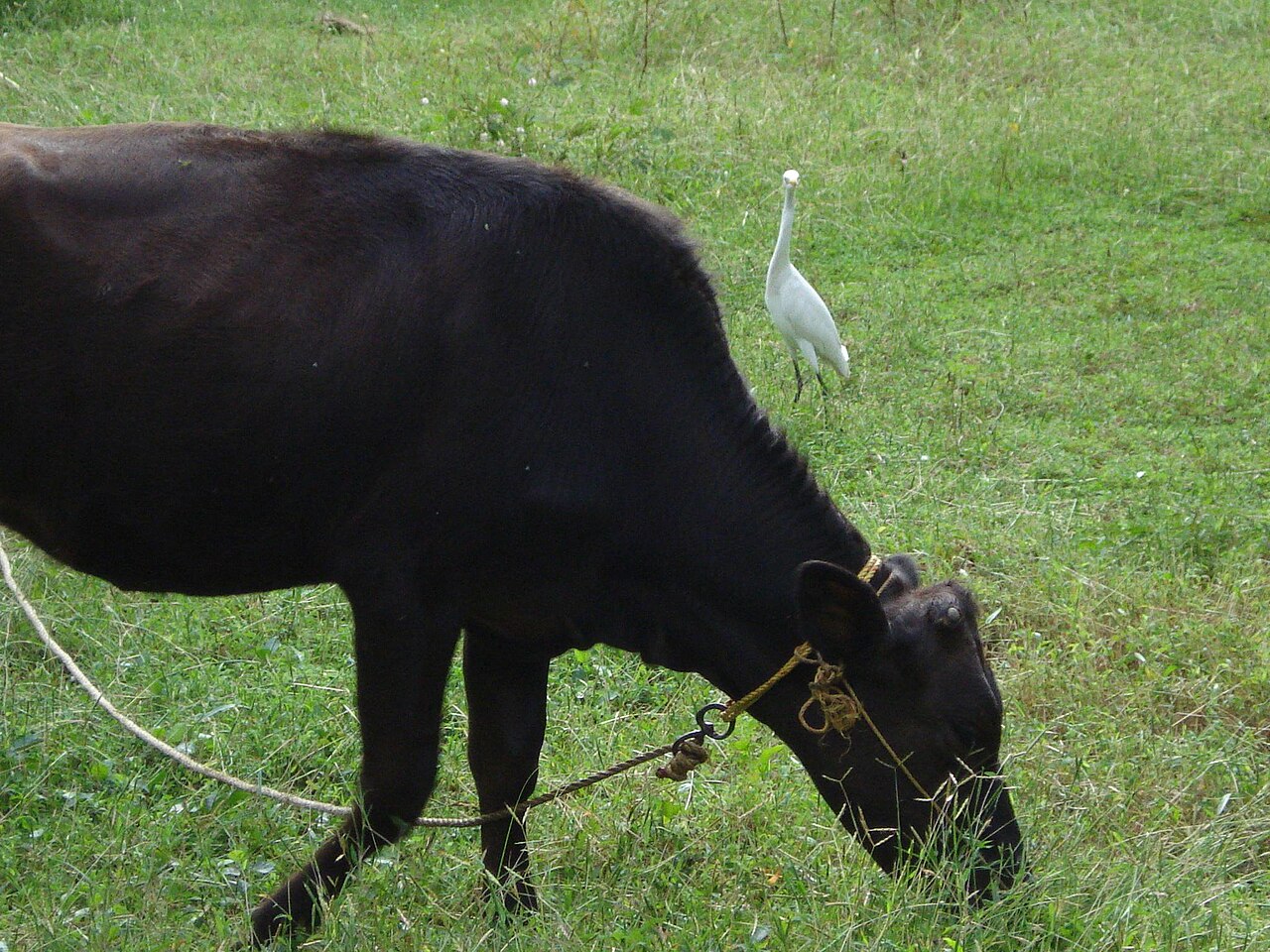
The Holstein Friesian, according to Wikipedia, is an international breed or group of breeds of dairy cattle that originated in Friesland, the region stretching from the Dutch province of North Holland to the German state of Schleswig-Holstein. It is the dominant breed in industrial dairy farming worldwide and is found in more than 160 countries. Its markings are usually black and white or red and white, typically in piebald patterns. The name 'Friesian' is used for animals of traditional European ancestry bred for both dairy and beef. The Jagonews24 report called 'Bhoyonkor' a Friesian without saying whether it was a pure-bred or a cross.
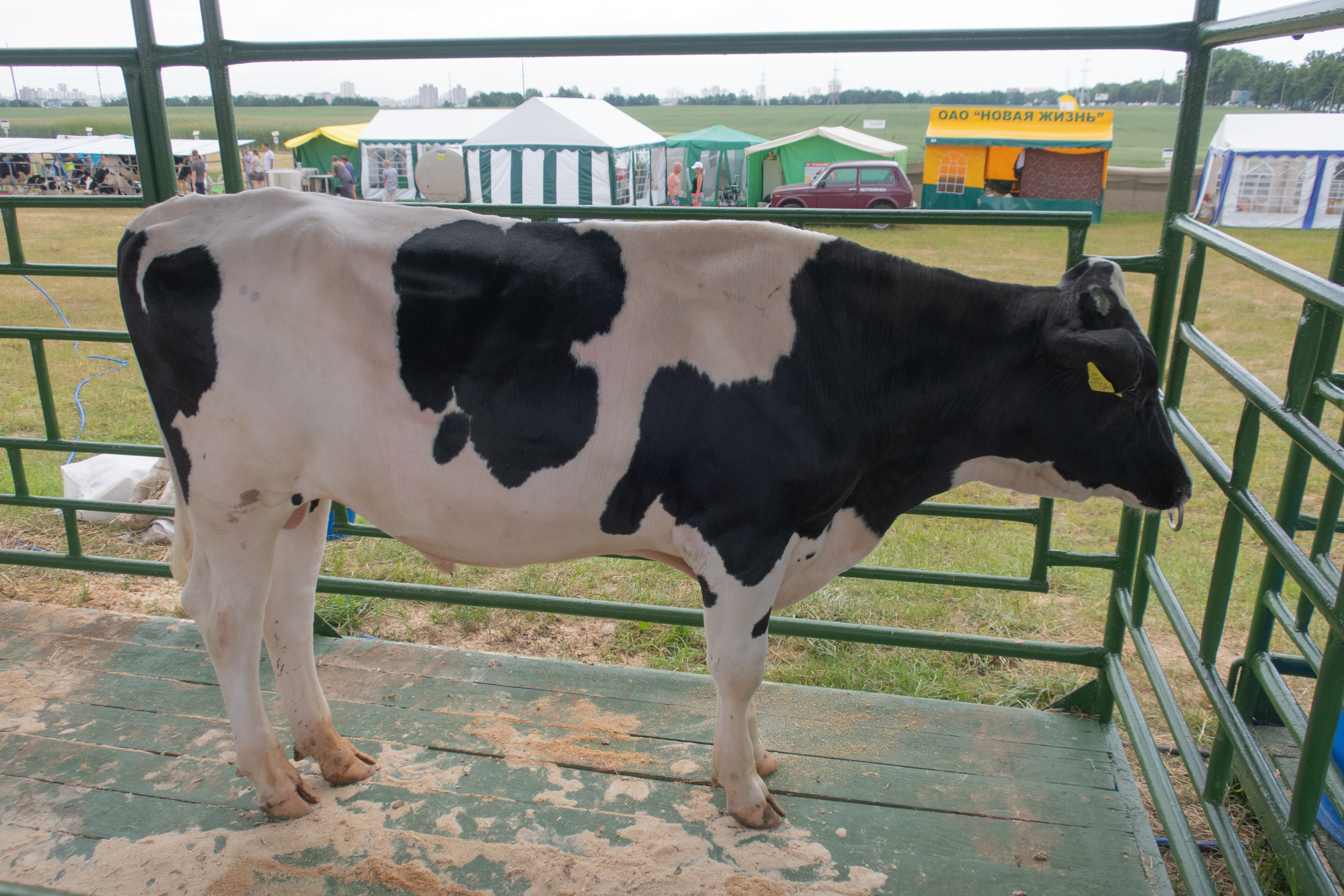
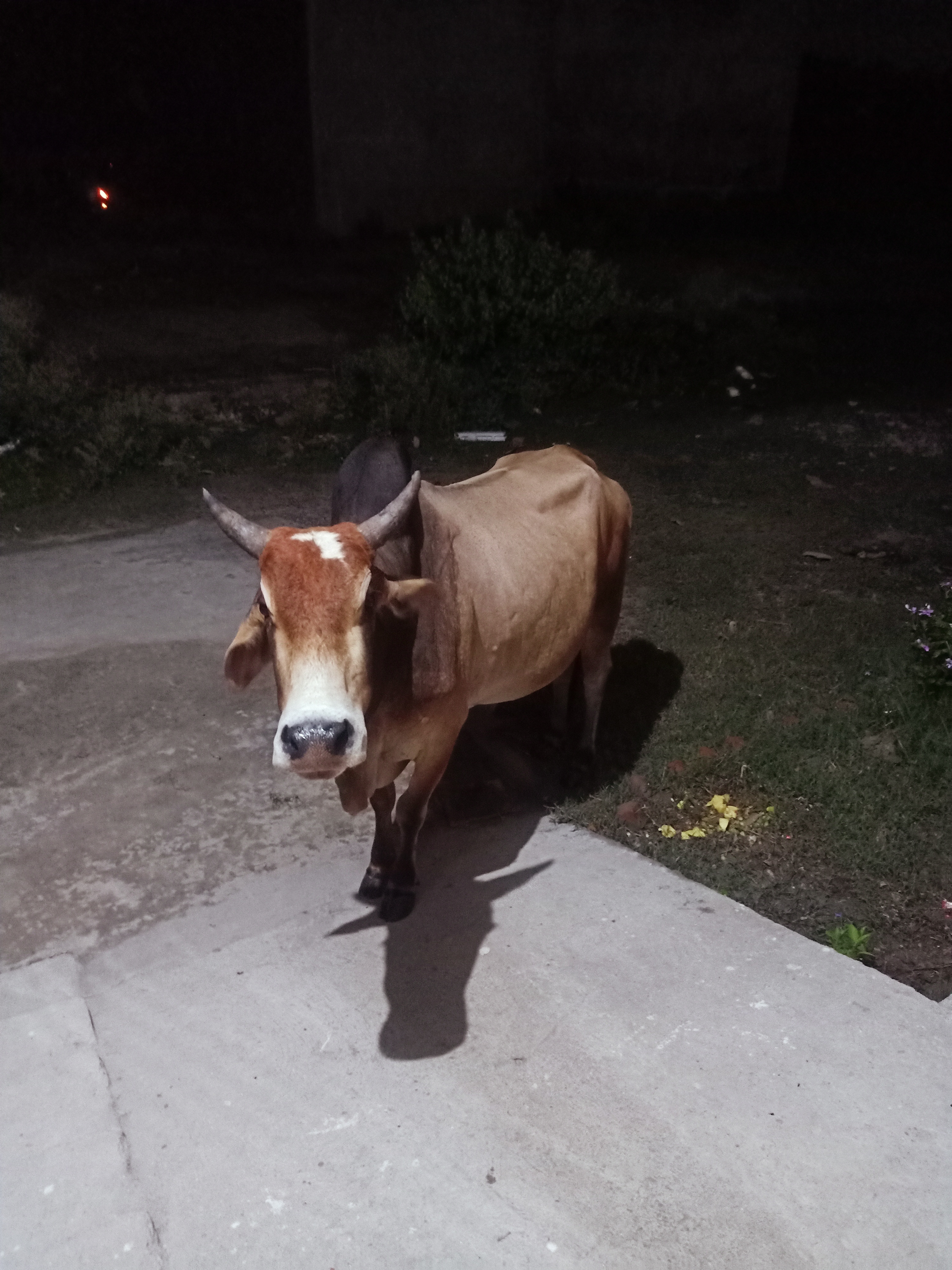
The Sahiwal is a zebu breed native to the Indian subcontinent. Wikipedia says it is named after Sahiwal District in the Punjab province of Pakistan and is found mainly in that province and in the Indian states of Punjab, Haryana and Rajasthan. It has been exported to many countries, Bangladesh among them. In Pakistan, average body weights are given as 544 kg for bulls and 408 kg for cows. The coat is a reddish dun, sometimes with white markings; in bulls the hump is large and may lean to one side. It is a heat-tolerant breed reared for milk, meat and draught work, and it has been much used for crossbreeding, often with European dairy breeds such as the Friesian and the Jersey.
Silage, grass, straw and bran: the feed the farm named
The farm named maize silage first in its list of feeds. Silage is green fodder preserved by fermentation. A paper in the Food and Agriculture Organization's 2000 publication on silage making in the tropics explains that fresh forage crops such as maize, grasses, legumes, wheat and lucerne can be preserved by ensiling, a method based on a natural lactic acid fermentation in the absence of air. Bacteria on the crop turn its sugars mainly into lactic acid; as the acids build up, the material becomes more acidic and spoilage organisms are held back. The crop is stacked and covered to keep the air out.
Banglapedia describes how cattle in Bangladesh are usually fed. Feed resources for ruminants come mainly from crop residues, cereal by-products, shrubs, fodder trees and grasses growing on roadsides, bunds and embankments. Agro-industrial by-products include straws, sugarcane tops, molasses and oil-cakes, and milling by-products include brans. Cultivated fodder includes perennial grasses such as Napier and Para and seasonal crops such as maize, cowpea, khesari and oats. The bulk of the roughage fed to cattle, it says, comes from the residues of rice, wheat and pulse crops.
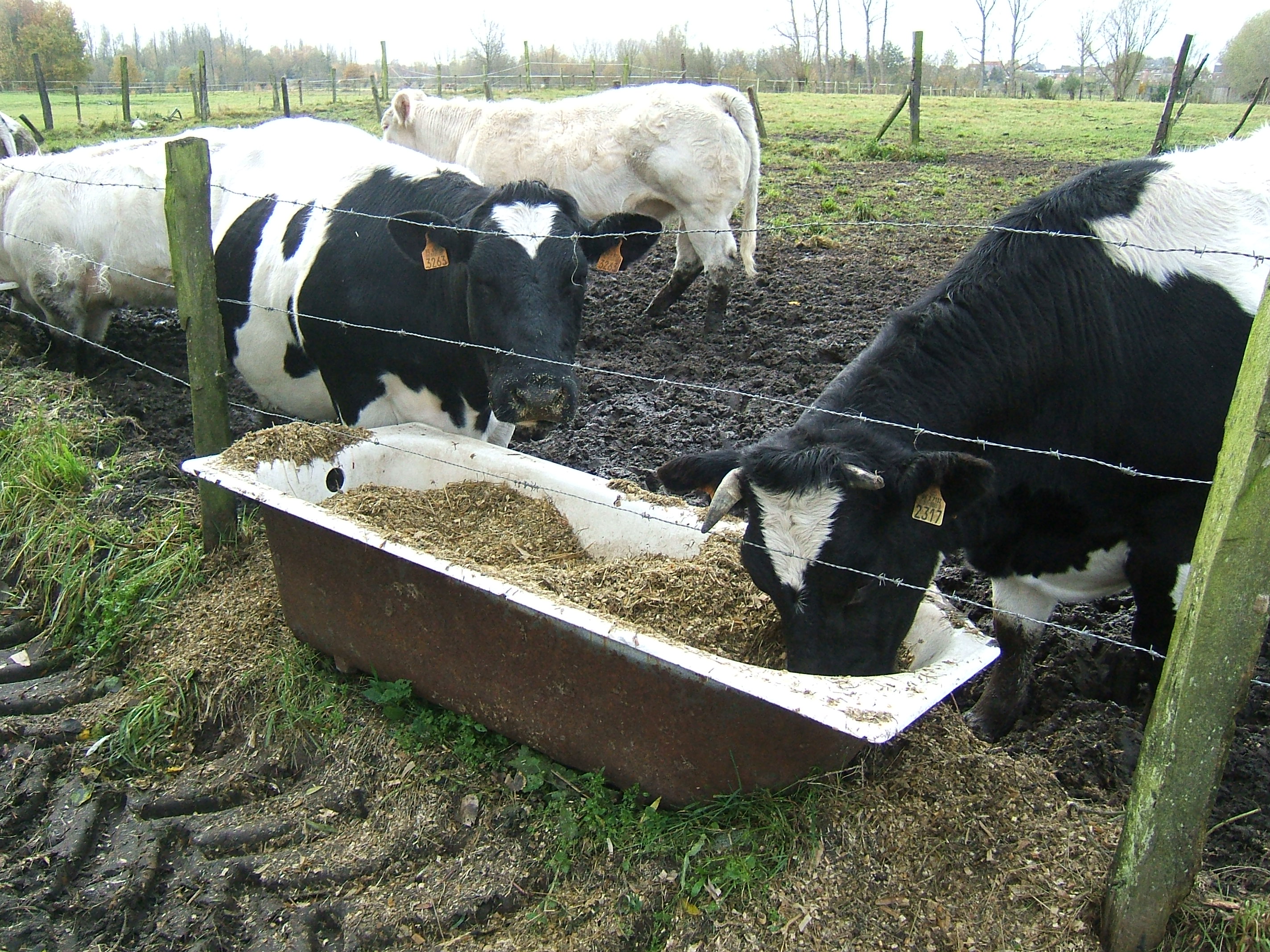
On fattening, Banglapedia notes that planned beef fattening programmes were not usually practised in Bangladesh, although the country sees a seasonal demand for beef cattle during Eid-ul-Adha, when people generally prefer to sacrifice healthy animals. In recent years, it says, many farmers have set up mini dairy farms with improved animals, crosses of native cattle with exotic breeds, and some have taken up planned fattening of male calves of improved breeds.
What the law says about hormones and harmful substances
The farm, the local veterinarian and the upazila livestock officer all said that no harmful hormone, injection or drug had been used on the two bulls. Their statements matter because the use of such substances in animal feed is against the law in Bangladesh. The Fish Feed and Animal Feed Act 2010 (Act No. 2 of 2010, dated 28 January 2010) says in section 14(1) that antibiotics, growth hormones, steroids and pesticides, along with other harmful chemicals, may not be used in fish feed or animal feed, and section 14(2) makes a breach of this an offence under the Act. Section 20 of the Act, as published on the government's official laws website, provides for imprisonment of up to one year, a fine of up to Tk 50,000, or both, for an offence under it. For matters concerning animal feed, the Act names the Department of Livestock Services as the responsible department.
Ahead of the 2026 Eid, officials in the region said they were watching for this. Shomoyer Alo reported on 17 May that the administration had stepped up surveillance to stop the harmful artificial fattening of animals, and that, according to the livestock department, veterinary medical teams would be active at district and upazila level to check the health of sacrificial animals and to monitor the cattle markets. In Dhaka, the Ministry of Fisheries and Livestock said 20 veterinary medical teams would be on duty at the capital's markets, Bangla Tribune reported on 22 May.
The Jagonews24 report gave the statements of the farm, the veterinarian and the upazila officer about the two bulls; it did not mention any laboratory test.
Patuakhali and Barishal: more animals than demand
Patuakhali entered the 2026 season with a surplus of sacrificial animals. BSS reported on 5 May, citing the district livestock office, that the district had 137,918 animals fit for sacrifice against a demand of 122,633, leaving 15,280 animals surplus. The district had 6,421 farms, and 758 farmers had been given training; many trained young people had started fattening cattle on a small scale on their own initiative, and the livestock department was giving them regular advice and technical support.
The same BSS report listed the animals in each upazila. Patuakhali Sadar had 21,289 animals, Bauphal 25,796, Kalapara 20,006, Galachipa 21,851, Dashmina 14,304, Mirzaganj 19,661, Dumki 10,156 and Rangabali 4,805. The district livestock officer, Dr Md Habibur Rahman, told BSS: "There is no shortage of sacrificial animals in the district. It is possible to meet the district's demand with locally produced animals. We have been giving farmers training and all-round support. We hope farmers will get a fair price and buyers will be able to buy healthy and safe animals."
The Barishal divisional office of the Department of Livestock Services gave slightly different district figures. Shomoyer Alo reported on 17 May that, by the divisional office's count, Patuakhali had 133,718 animals against a demand of 111,874. Across the six districts of the division, 468,445 sacrificial animals were ready with 3,915 farmers, large and small, against an estimated demand of 400,783, leaving 67,662 surplus. They included 200,083 bulls, 68,278 bullocks, 98,005 buffalo, 119,890 goats and 150 other animals. The divisional director, Md Mahfuzul Haque, said local production had risen markedly because many ordinary rural families kept cattle and goats on a small scale, so there would be no need to depend on foreign animals for the sacrifice.
Nationally, the Department of Livestock Services counted 12,333,840 animals ready for the sacrifice in 2026 against an estimated demand of 10,106,334, a surplus of about 2.2 million, according to The Business Standard on 21 May and Bangla Tribune on 22 May. Bangla Tribune's breakdown was 5,695,878 cattle and buffalo, 6,632,307 goats and sheep, and 5,655 animals of other species. The same report recalled earlier years: about 12.5 million animals produced and about 10 million sacrificed in 2023, 12.1 million and about 9.5 million in 2024, and 12.4 million and about 9 million in 2025. Supply was uneven across the country: in Dhaka the estimated demand was 2,158,869 animals against 1,443,942 available, and Chattogram had a shortfall of about 50,000, while Rajshahi, Rangpur, Khulna and Mymensingh divisions had large surpluses.
Rising costs and weaker demand for big cattle
The asking price for the Kalapara pair came in a season when people in the trade were talking about higher costs. Bangla Tribune reported on 22 May that although supply was ample, farmers had little relief, because rising costs of feed, labour, electricity and transport had made profits uncertain, putting medium and large farms under pressure. Niloy Hossain, senior vice-president of the Bangladesh Dairy Farmers Association, had told journalists a few days earlier that demand for big cattle had fallen that year and that large farmers were at greater risk because of higher feed and transport costs; many were even thinking of closing their farms for fear of losses, he said. A farmer in Uttarkhan, Dhaka, told the paper that small cattle were in higher demand and relatively dear, while big cattle were relatively cheap.
Patuakhali's farmers described the same pressure. In the BSS report of 5 May, a cattle farmer in Bauphal upazila with 12 to 14 cattle said he hoped to make a good profit if the market held, but that costs had risen because animal feed was somewhat dearer. In Barishal, farmers told Shomoyer Alo that because the cost of raising animals had gone up, sacrificial animals might be somewhat more expensive than the year before; the supervisor of one agro farm said many farmers had already started selling animals directly from their farms.
Across the country, more than 3,600 cattle markets were to be held for the 2026 Eid, the Ministry of Fisheries and Livestock said, according to Bangla Tribune. The Business Standard reported on 21 May that the government had banned cattle markets in border areas. The Jagonews24 report from Kalapara did not say whether the two bulls would be taken to a market; the farmer had invited buyers to come to the farm.
Kalapara, Mohipur and the coast
Kalapara is a coastal upazila of Patuakhali district on the Bay of Bengal. Banglapedia gives its area as 491.89 square kilometres and its population at the 2011 census as 237,831. It is bounded by Amtali upazila on the north and west, the Bay of Bengal on the south and the Rabnabad Channel and Galachipa upazila on the east. Its main rivers are the Andharmanik, Nilganj and Dhankhali. Kalapara thana was formed in 1921 and became an upazila in 1983. Banglapedia puts agriculture at 57.23 per cent of the upazila's main sources of income; paddy, pulses, potato and vegetables are the main crops; the upazila also has shrimp farms, dairies, poultry farms and hatcheries. Its main exports are paddy, hilsa and dried sea fish, and among its about 50 hats and bazaars the best known include Kalapara Hat and Mahipur Hat. The devastating cyclones of 1822, 1960 and 1979 and the flood of 1876 caused heavy damage to settlements and livestock there.
Mohipur, where the two bulls were raised, is a police station area within Kalapara. According to Bangla Wikipedia, citing bdnews24, Mohipur thana was approved on 29 February 2016; it had earlier been a police investigation centre. The thana covers Kuakata municipality and four unions: Mohipur, Latachapli, Dhulasar and Dalbuganj.
Kuakata, at the southern tip of the upazila, is described by Banglapedia as the second largest tourist centre in Bangladesh, where both sunrise and sunset can be seen from an 18-kilometre beach. It lies about 320 kilometres from Dhaka and 70 kilometres from Patuakhali town. Patuakhali district itself covers 3,221.31 square kilometres, is bounded by the Bay of Bengal on the south, and was raised from a sub-division of Bakerganj district to a district in 1969.

Photo: Wasiul Bahar / Wikimedia Commons (CC BY-SA 4.0)
Sources: Jagonews24, Shomoyer Alo, Bangladesh Sangbad Sangstha (BSS), Prothom Alo, Bangla Tribune, The Business Standard (Bangla), Banglapedia, Food and Agriculture Organization (FAO), Laws of Bangladesh (bdlaws), Wikipedia
Comments
(0)