
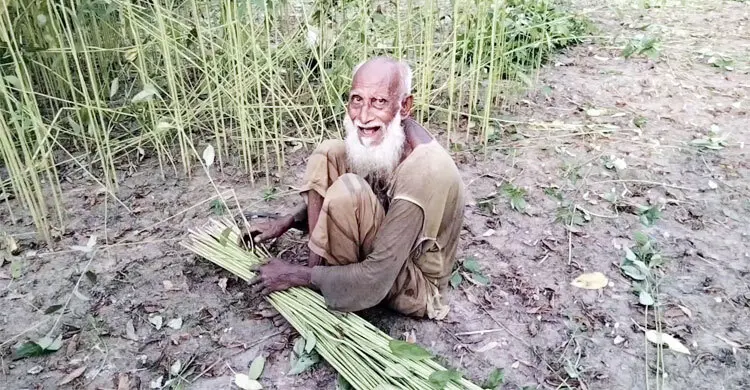
Farmers in Joypurhat are happy to be getting good prices for jute this year compared with the past few years. They are busy retting, washing and drying jute in ponds and ditches. With enough water in the ponds and ditches this year, the district's farmers had no trouble retting their jute.
The local Department of Agricultural Extension (DAE) says a target of 3,220 hectares of jute was set for the district in the Kharif-1 season of the 2024-25 crop year, but jute was grown on 2,880 hectares. Of this, 15 hectares were deshi jute and 2,865 hectares tossa jute.
The local agriculture department has set a production target of 46,720 bales of jute this year. Farmers in the district are becoming more interested in jute because the government has made jute products mandatory, jute prices have risen, jute sticks are used as fuel and the crop improves soil fertility.
Farmers and traders on prices
Shafiqul Islam, a jute farmer from Chhoto Majhipara village, told Jago News: "Last year I planted jute on 1 bigha. This year I have planted it on 1.5 bighas. The yield has been good. I have sold some jute and got a good price."
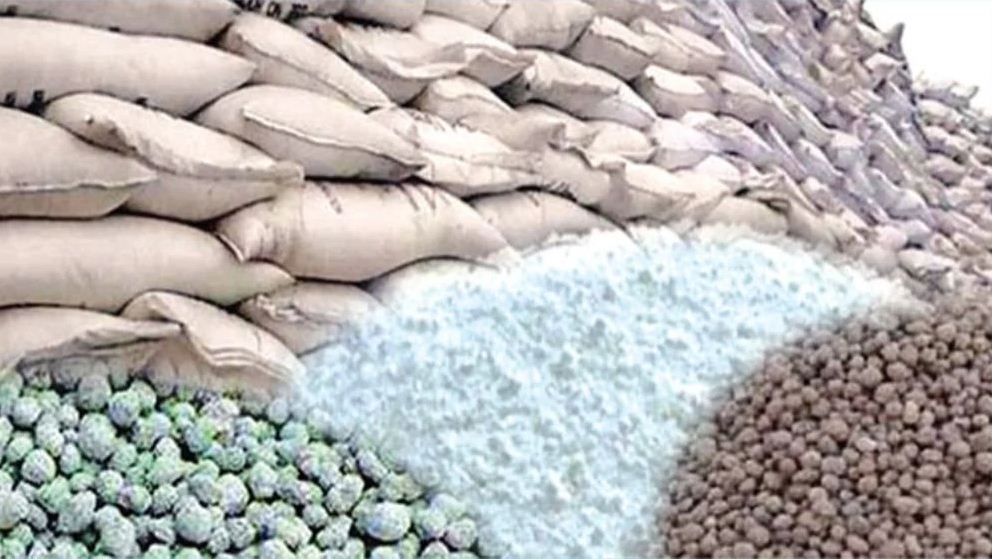
Local sub-assistant agriculture officer Insan Ali told Jago News: "To make jute farming a success we have given farmers hands-on training, supplied improved jute seed and kept the necessary fertiliser stocks at a satisfactory level, among other activities."
Jamalganj jute trader Sajedur Rahman told Jago News: "Last year a maund of jute sold for Tk 2,000 to Tk 2,500 depending on type, but this year new jute is selling for Tk 2,800 to Tk 3,000 a maund. With the use of jute products in the market rising, demand is much higher than at other times."
DAE additional deputy director Mojibur Rahman, an agriculturist, told Jago News that jute had been grown on 2,880 hectares in the district in the current 2024-25 Kharif-1 season. "Because of heavier rainfall this year there was no problem with retting. We expect 46,720 bales of jute to be produced this season. Jute cultivation in the district has begun to grow day by day because of improved soil fertility, the many uses of jute and good prices," he said.
Source: Jagonews24. First published in Bengali on The Agro News.
Comments
(0)