
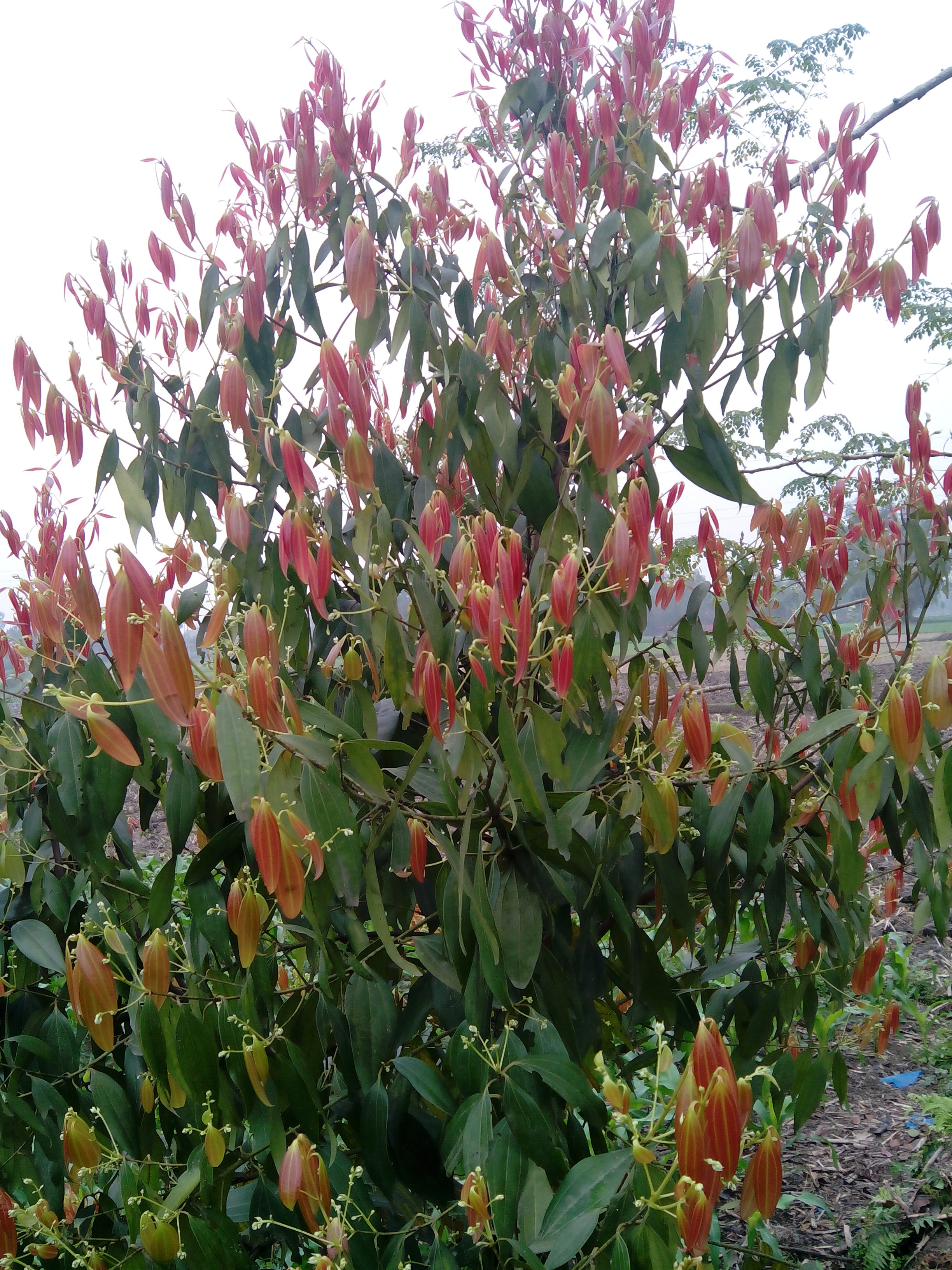
Jaynuddin Khan, a farmer of Kadirkol village in Sundarpur-Durgapur union, Kaliganj upazila, Jhenaidah, grows the spice crop bay leaf (tejpata) commercially. According to reports published in March 2020, he started in 2008 by planting 100 saplings on one bigha and by then had 400 trees on four bighas. By his own account he spends about Tk 40,000 a year and sells about Tk 5 lakh worth of leaves, income that he says has brought his household comfort.
It began with a visit to India
Jaynuddin Khan said he visited neighbouring India in 2007, saw bay leaf being grown there and wanted to grow it himself, but could not find saplings anywhere. A friend then told him they were sold at Bejerdanga in Khulna. In 2008 he bought 100 saplings there at Tk 200 each and planted them on a rather overgrown plot beside his house.
Four years later the branches were full of leaves and he began picking them. Since then, he said, he has harvested and sold leaves twice a year. Because it paid, he planted more trees and moved the crop onto good arable land. A farmer by profession, he has 18 bighas of arable land in all.
How he grows it, and his figures
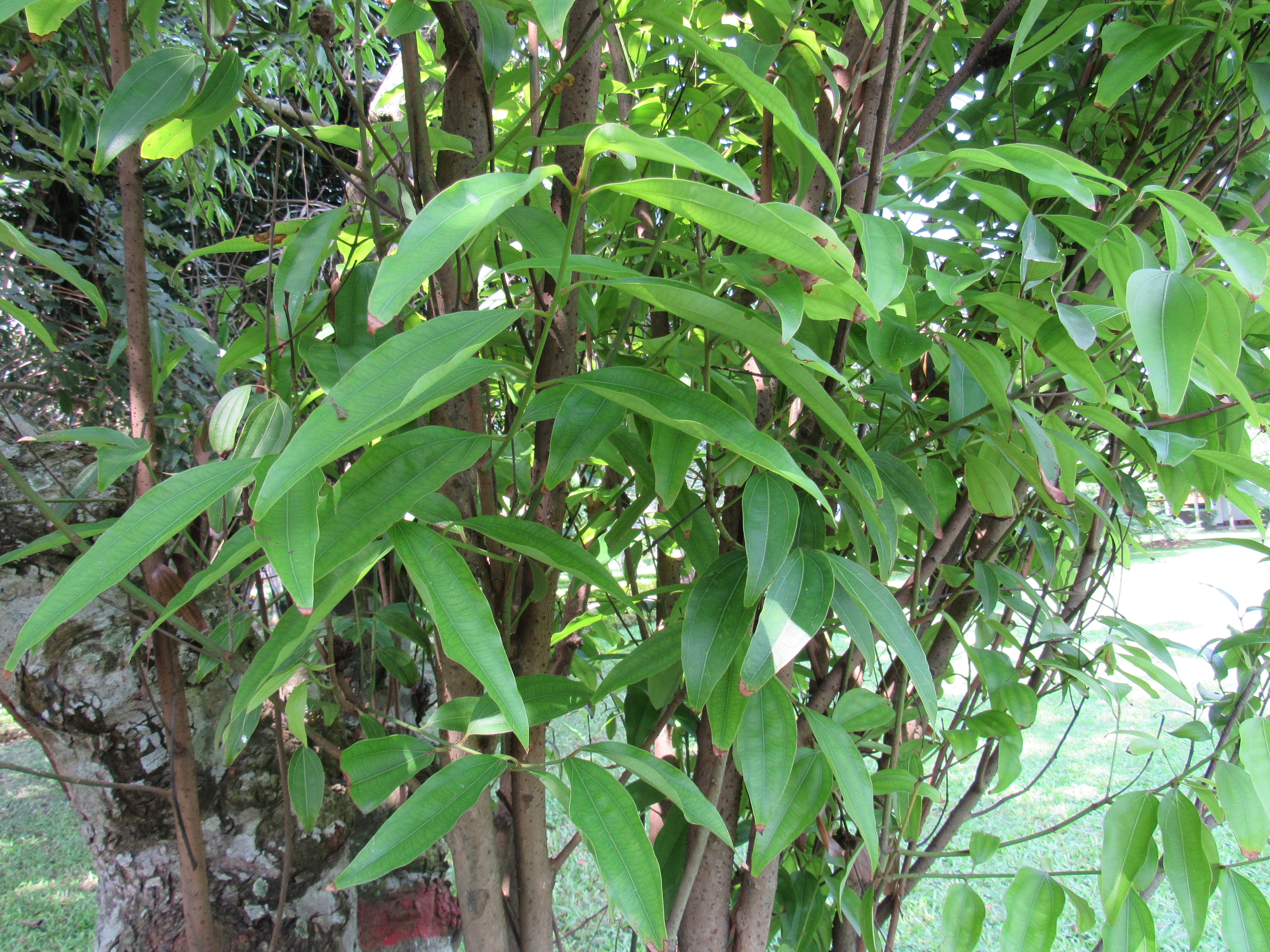
In his experience, the land is first ploughed well and organic fertiliser spread, then the saplings are planted with a little chemical fertiliser. Goats and cattle do not eat the tree, he said, and as the leaves grow high on the branches there is little risk of theft. By his reckoning a tree starts giving leaves four years after planting and keeps giving them for up to 50 years.
He said each of his trees yields about 20 kg of leaves a year, which sell at Tk 60 a kg, and that it costs him about Tk 100 per tree to get the leaves. In his first year he sold three maunds; by March 2020 he was selling 12 maunds and hoped to sell 20 the following season. The work is light, he said, and a tree once planted yields for many years. Farmers who want to try the crop should ask their upazila agriculture officer about growing it and about fertiliser.
What tejpata is
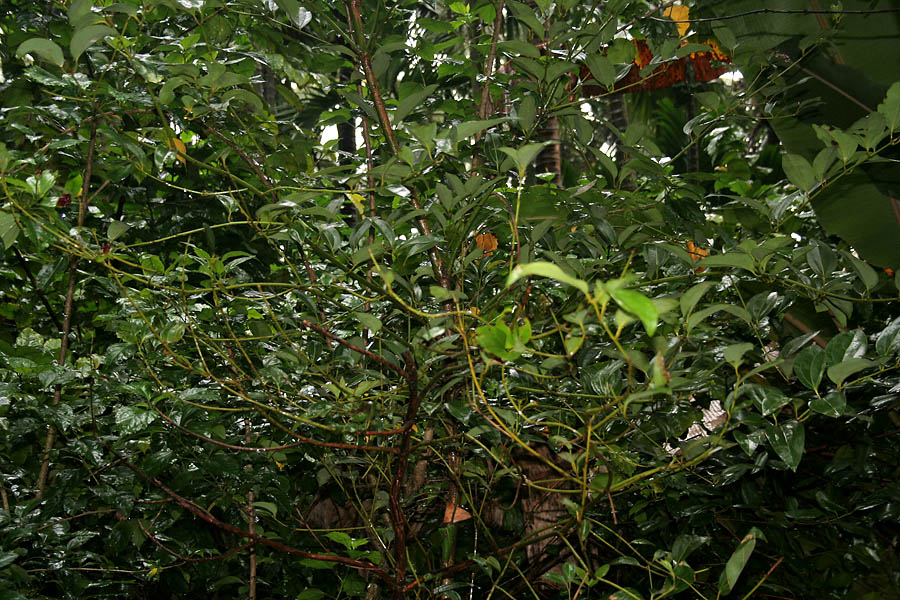
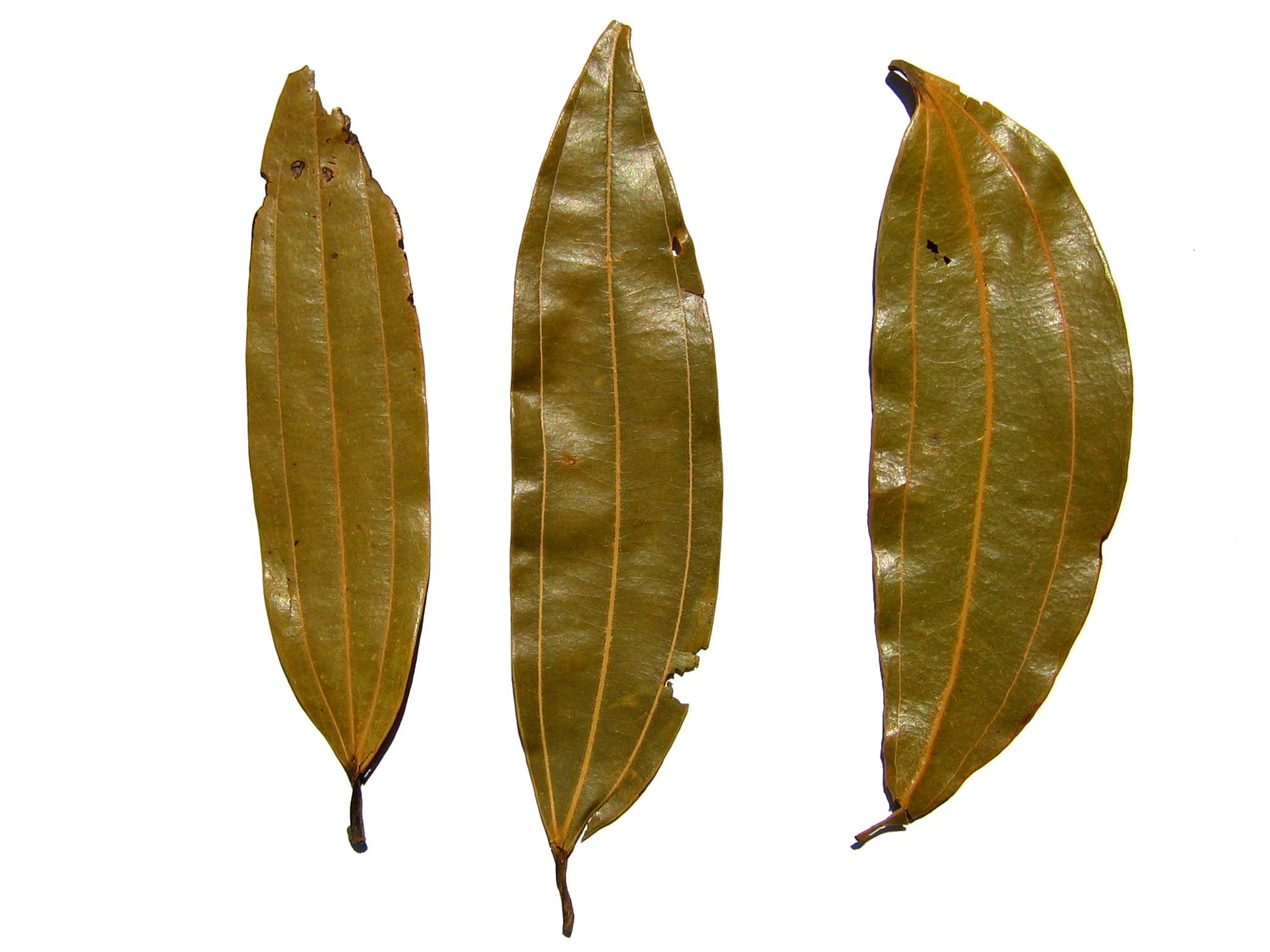
Tejpata, or Indian bay leaf, is the leaf of Cinnamomum tamala, an evergreen tree of the laurel family (Lauraceae) native to northern India (Assam and the Western Himalayas), Bangladesh, Nepal, Myanmar and other countries of South and Southeast Asia. Unlike the European bay laurel leaf, which has one main vein, the tejpat leaf has three veins along its length and a cinnamon-like aroma. India's Spices Board says the leaf is used mainly to flavour food; there, leaves are usually collected once a tree is about 10 years old, with mature leaves picked from October to March.
Neighbours follow his lead
Two more Kadirkol farmers took up the crop after seeing Jaynuddin Khan's trees. Abul Kalam said he planted 35 decimals in his first year, was getting good leaves and planned to grow more. Another farmer, Mizanur Rahman, planted bay leaf on 10 decimals of his homestead.
Kripangshu Kumar, deputy director of the Department of Agricultural Extension in Jhenaidah, said at the time that bay leaf is a very profitable crop. People in the area do not usually grow it commercially, he said, but Jaynuddin Khan of Kadirkol does, and the department supports him in various ways.
Photo: Kayser Ahmad / Wikimedia Commons (CC BY-SA 4.0)
Sources: The Agro News, Prothom Alo (8 March 2020), Spices Board India, Wikipedia

Comments
(0)