
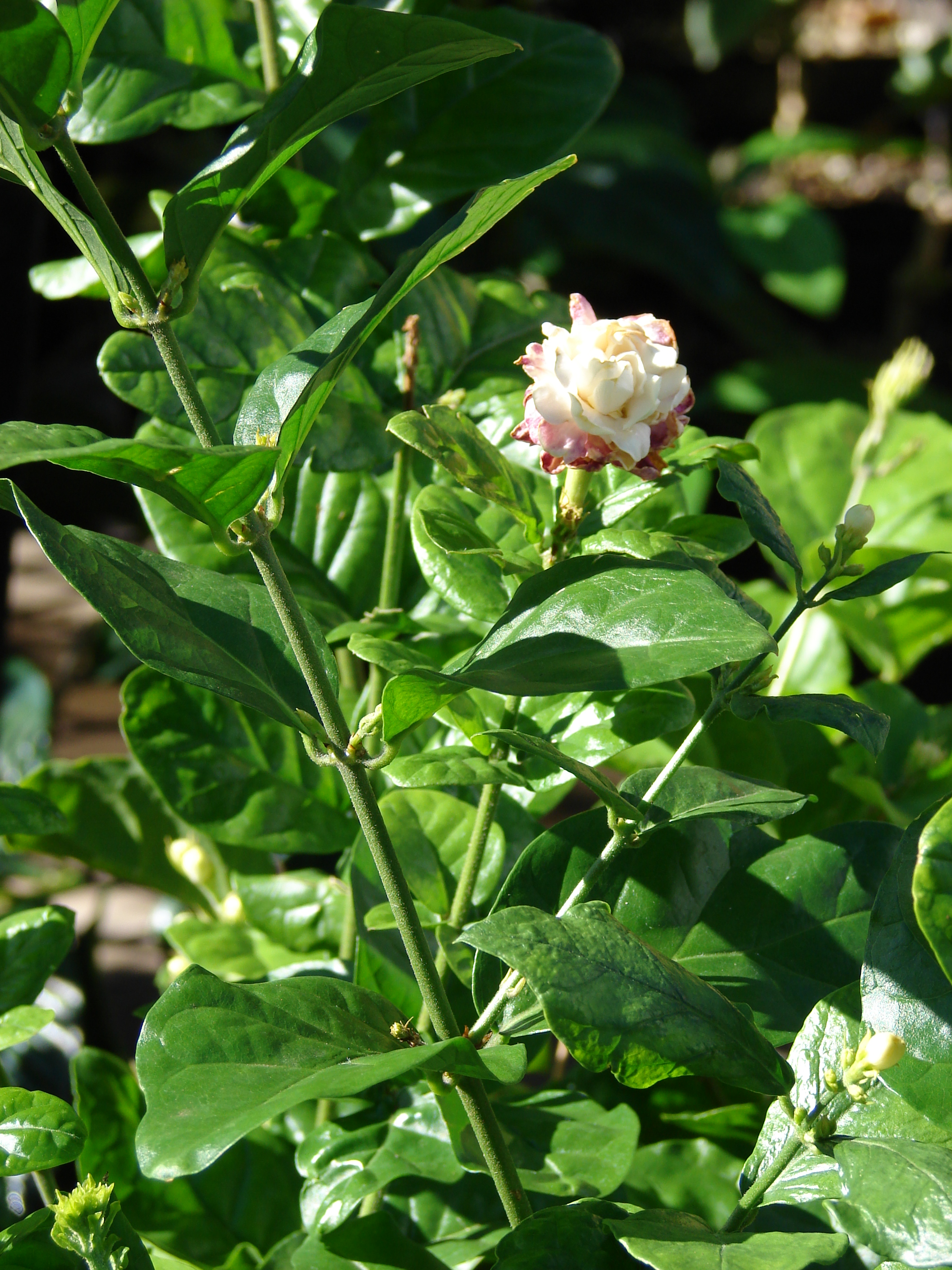
On 21 July 2026, the agriculture and nature section of the Bengali news site Jagonews24 published an essay by Nazim Al Mamun, a poet and the executive director of Global Onbik Research Hub, about the beli bush in the courtyard of his village home. Beli is the Bengali name for Arabian jasmine (Jasminum sambac), a white, strongly scented flower that opens in the evening. In the essay he describes sitting beneath the bush after sunset, gathering the fallen flowers at dawn, stringing them into garlands and giving those garlands away rather than selling them. The piece appeared in the middle of the monsoon, the season in which, according to Bengali botanical references, beli flowers most freely.
An evening under the beli bush
The essay opens in the courtyard of a village house, where green shade and creepers frame a variety of flowering plants. Mamun writes that when evening falls after sunset the whole place fills with enchantment, and that following it leads him to the foot of a beli bush swaying with white, fragrant blooms. He describes sitting there for a while in a courtyard lit by the flicker of fireflies and cooled by a gentle breeze from the south, and says it feels like resting in the shade of paradise.
He goes on to describe the scene as a place where an endless life could be spent in laughter and joy, without sorrow: birds calling, butterflies on the wing and fireflies glittering in the moonlight. Nature's beauty, he writes, fills the eyes and the heart until it seems there is nothing more to want from life.
The essay does not name the village or the district. It is written in the first person and is a personal reflection rather than a report. The facts about the plant, its cultivation, its place in other countries and the flower trade that follow in this article come from botanical, horticultural, scientific and news sources published before the essay, not from the essay itself.
Garlands strung at dawn and given away
Mamun describes the daily cycle of the flower closely. Beli blooms in the evening, spreading its scent, and drops the next morning. At dawn, he writes, the fallen flowers lie on the ground like pearls, and those pearls draw him as if awakening an endless longing of love. With a small bamboo basket he gathers the fragrant, pearl-like flowers and strings them into garlands with needle and thread.
He says what becomes of each garland. One he gives to his mother. One he keeps carefully beside his own bookshop. Another he keeps for the one person who, as he puts it, is ever awake in his loving heart. The garlands that remain he gives to students, as gifts meant to inspire them.
Neighbours sometimes come to buy garlands, he writes, but his heart stops him from selling them, so at times he gives them away instead. He does not like to sell what he loves; he finds more satisfaction in giving a beloved thing to someone who likes it, the same joy he feels when he stands beside people in need. The bush is dear to him, he explains, because with only a few of its flowers he can win people's hearts and become dear to them, and in his view nothing in the world brings more joy.
Picking fallen flowers, as the essay describes, is a household way of using beli. Commercial growers work differently. Accounts of jasmine production in the Philippines, summarised in the species' encyclopedia entry, say that buds are harvested early in the morning and chosen by colour, white buds being preferred because green ones may lack fragrance, and that fully open flowers are generally not harvested.
What beli is: Jasminum sambac
Beli belongs to the genus Jasminum in the olive family, Oleaceae. The genus has around 200 species of shrubs and climbers, deciduous or evergreen, native to tropical and warm temperate parts of Asia, Africa and Oceania, with its centre of diversity in South and Southeast Asia. Most bear white or yellow flowers about 2.5 centimetres across, and most are strongly fragrant. The English word jasmine came through the Old French jessemin from the Persian yasamin and entered English in the 16th century.
Arabian jasmine itself was described by Carl Linnaeus in 1753 under the name Nyctanthes sambac. In 1789 William Aiton moved it to Jasminum and coined the English name Arabian jasmine. The species name goes back to the medieval Arabic zanbaq, which meant jasmine oil. Singapore's National Parks Board (NParks) lists the plant as native to India, and the botanical databases cited in its encyclopedia entry give Bhutan and India as its native range. It is now cultivated across West, South and Southeast Asia and throughout the tropics as far as the Pacific islands, and it has become naturalised in places from Mauritius, Madagascar and the Maldives to southern Florida and the Caribbean.
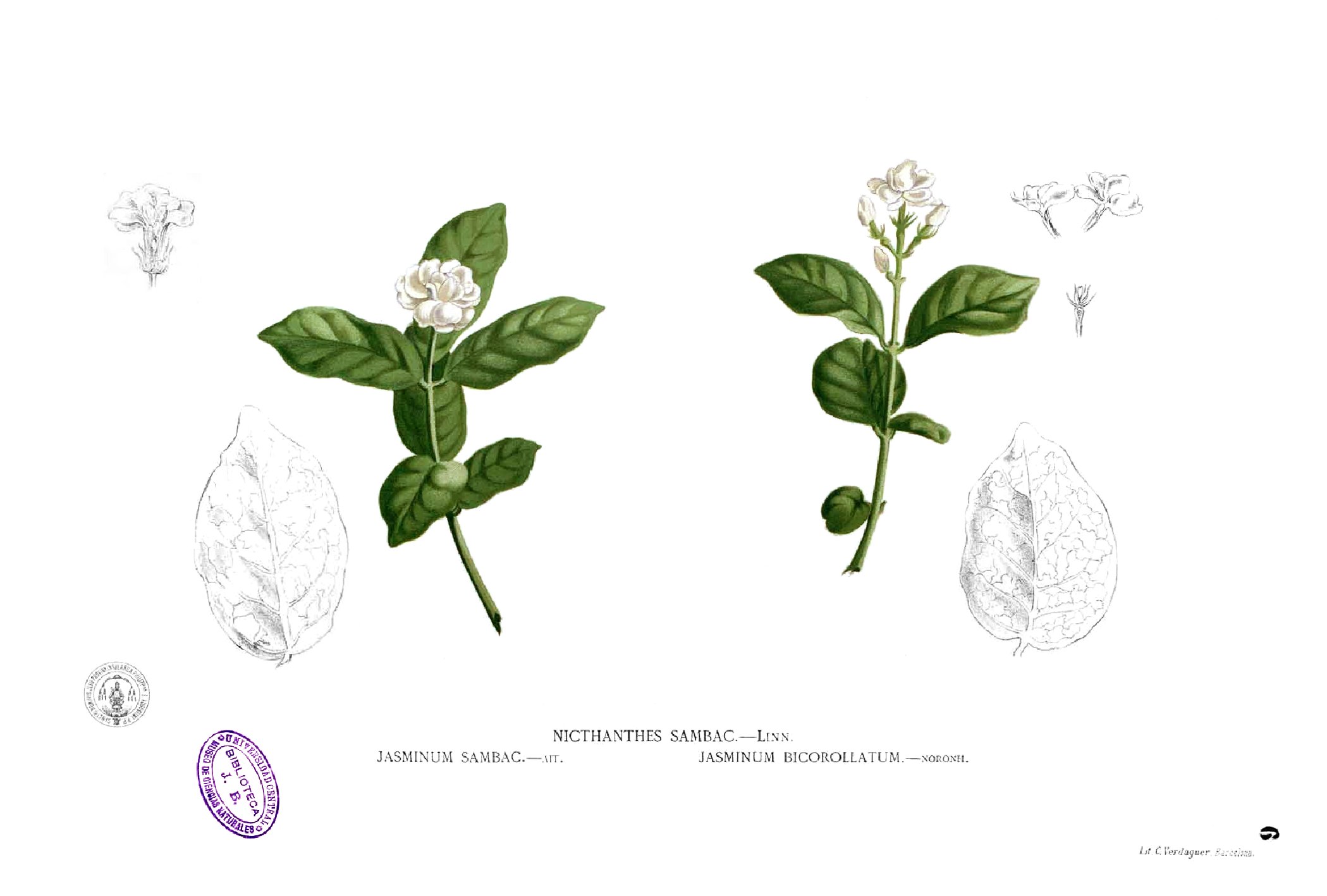
It is an evergreen shrub or climber. The species entry gives a height of 0.5 to 3 metres. The United Kingdom's Royal Horticultural Society (RHS) describes it as a twining or scrambling evergreen shrub that can reach 2.5 to 4 metres with a spread of 0.5 to 1 metre over five to ten years, while NParks describes a shrub or vine up to 1.5 metres long. The leaves are simple, glossy and oval, 4 to 12.5 centimetres long and 2 to 7.5 centimetres wide, set in opposite pairs or in whorls of three. The flowers come in clusters of three to twelve at the branch tips; each has a white corolla 2 to 3 centimetres across with five to nine lobes. The fruit is a purple to black berry about a centimetre across, but cultivated plants seldom set fruit, which is why beli is multiplied by cuttings and layering rather than from seed.
In Bengali the plant is also called mallika. Bengali references that draw on the naturalist Dwijen Sharma's book Phulguli Jeno Kotha (Bangla Academy, 2003) describe beli as a plant of about one metre with dark green, smooth, oval leaves, bearing several flowers to a cluster in summer and the rainy season. They group the beli grown in Bangladesh into three types by the size and form of the flower: a single-petalled and highly fragrant type, a medium-sized double type and a large double type.
Gardeners elsewhere know several named forms. 'Maid of Orleans' has a single layer of five or more oval petals and is the form usually called sampaguita in the Philippines and pikake in Hawaii. 'Belle of India' has elongated petals in one or two layers. 'Grand Duke of Tuscany' has doubled petals that resemble small white roses and is less fragrant than the others. 'Mysore Malli' looks like 'Belle of India' with slightly shorter petals and a strong scent, and 'Arabian Nights' has a double layer of petals, smaller than those of 'Grand Duke of Tuscany'. The species holds the RHS Award of Garden Merit.
Why it opens at dusk and falls by morning
The rhythm the essay describes, flowers opening at dusk and lying on the ground by morning, matches the plant's biology. Beli flowers open at night, usually between about 6 and 8 p.m., and close in the morning, and each bloom lasts 12 to 20 hours, according to the species entry. In the tropics the plant flowers through much of the year; the RHS records flowering in summer and sporadically at other times.
The scent has been studied closely because jasmine flowers are used commercially. A study published in the journal Molecules in March 2017 by Yu and colleagues in China monitored the volatile compounds released by living Jasminum sambac flowers at five stages of development, and by cut flowers. Among the compounds they identified, alpha-farnesene, linalool and benzyl acetate were the most abundant. When the researchers blocked the pathway that makes alpha-farnesene with the inhibitor lovastatin, emission of the compound fell sharply and the flowers' sweet scent was diminished. The authors concluded that alpha-farnesene is an important part of jasmine's scent and that, for scenting tea, flowers at the opening stage, or buds eight hours after being cut, should be used.
A paper published in Frontiers in Plant Science in October 2022 by Qi and colleagues assembled a draft genome of a single-petal jasmine cultivar, 'Danbanmoli'. The genome was 520.80 megabases in size and comprised 35,363 genes. The researchers identified 206 genes related to the plant's response to heat stress, along with genes in the benzenoid, phenylpropanoid and terpenoid pathways that produce aroma compounds, and estimated that the jasmine lineage diverged from the lineage that led to the sweet osmanthus and the olive about 31.1 million years ago. They described Jasminum sambac as a commercially important plant whose fragrant flowers are used in the perfume and cosmetics industries.
These studies explain, in the language of chemistry, the experience the essay records: a bush that is unremarkable by day and fills a courtyard with scent once its flowers open in the evening.
Growing beli at home: what horticulture authorities advise
Horticultural authorities describe beli as an easy plant for a sunny yard or a pot. NParks advises full sun for the best flowering when the plant is grown as a shrub; grown as a climber it tolerates shade and produces bigger, darker leaves. It recommends moderate watering, keeping the plant on the dry side, avoiding soggy conditions and watering only when the soil is dry, in soil that is well drained but moist. It lists the plant for parks, small gardens, trellises and pergolas, flower beds and borders, containers and fragrant gardens, and as a houseplant, and it notes that pruning increases flowering because new wood produces new shoots.
The RHS, writing for gardeners in a cold climate, recommends moist but well-drained loam of neutral pH and partial shade. It rates the plant H2: it tolerates low temperatures of about 1 to 5 degrees Celsius but not frost, so in Britain it is grown in a heated greenhouse or indoors in bright light, shaded from hot sun. It advises watering sparingly in winter and lists aphids, scale insects, mealybugs and, under glass, red spider mite as pests the plant may suffer, with honey fungus as a rare disease.
Both authorities feed the plant while it grows: NParks suggests a balanced fertiliser and the RHS a low-nitrogen one, each applied monthly. Neither gives a dose for the soils of Bangladesh. The amount and kind of fertiliser, like any pest control, are best settled with the upazila agriculture officer of the Department of Agricultural Extension (DAE).
Bengali references based on Dwijen Sharma's work say beli can be grown on almost any soil except sandy and heavy clay soils, provided irrigation and drainage are available, that plants are set about a metre apart, that pruning is needed in winter, and that beli also does well in pots. They list gooti kolom (air layering), daba kolom (ground layering) and dal kolom (stem cuttings) as the ways new plants are raised. The international sources agree: because cultivated plants rarely set seed, the species is propagated by cuttings, layering and marcotting, another name for air layering. NParks names stem cuttings, and the RHS suggests semi-ripe cuttings in summer and layering in autumn.
Garlands, tea and national flowers across Asia
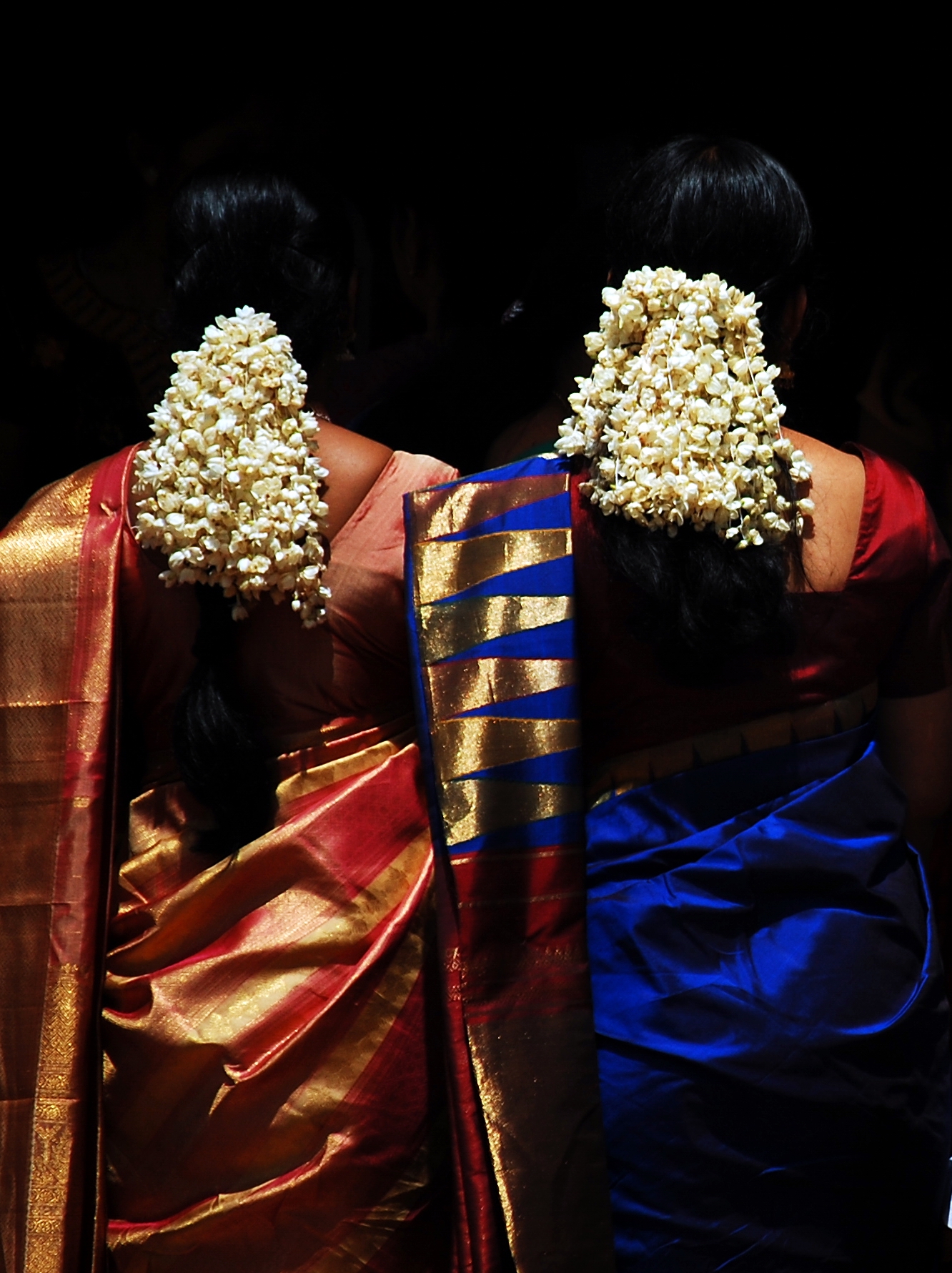
Mamun's garlands belong to a long and wide tradition. Arabian jasmine flowers are strung into garlands, leis, corsages and crowns, especially in the Philippines, Indonesia, India and Oman. NParks notes that in India the buds are sewn into garlands and that the flowers are brewed as tea. The flowers are also offered to the Buddha in Cambodia and Thailand, and in Oman they feature in a custom marking a child's first birthday.
In China the flowers scent jasmine tea, the use the 2017 Molecules study set out to inform. The flowers are also a source of jasmine oil for the perfume industry, although another species, Jasminum grandiflorum, is grown for the same purpose, probably more widely; most of the jasmine used by the world's perfume industry is grown at Shubra Beloula in Egypt.
Two countries have made beli a national symbol. In the Philippines, where it is called sampaguita, it was adopted as the national flower on 1 February 1934 by Proclamation No. 652, issued by the American governor-general Frank Murphy. In Indonesia, where it is called melati putih, it is one of three national flowers, alongside the moon orchid and the giant padma; its adoption was announced on World Environment Day in 1990 and given force by Presidential Decree No. 4 of 1993. In Hawaii the flower is known as pikake, from the Hawaiian word for peacock, because Princess Kaʻiulani loved both the flower and the bird. In Thailand jasmine is the symbol of Mother's Day, which is tied to Queen Sirikit's birthday on 12 August. Pakistan's national flower is also a jasmine, but a different species, Jasminum officinale, and Damascus, the Syrian capital, is known as the City of Jasmine.
In southern India jasmine growing has its own geographical indication. Madurai Malli, the jasmine grown mainly around Nilakkottai in Madurai district and in the neighbouring districts of Dindigul, Virudhunagar, Theni and Sivagangai in Tamil Nadu, was registered as a geographical indication in 2012-13, the first flower from Tamil Nadu to receive that status.
Beli and Bangladesh's flower trade
Mamun's refusal to sell his garlands stands beside a growing commercial flower business in Bangladesh. Banglapedia, the national encyclopedia published by the Asiatic Society of Bangladesh, records that the cut-flower business began with flowers sold at holy shrines and other places visited by devotees, that cut flowers became popular with the general public after independence, and that farmers then began growing flowers commercially to supply Dhaka and other cities and towns. It lists rose, gladiolus, marigold, chrysanthemum, tuberose and lotus as the main commercially traded cut flowers, and places jasmine among the flowers only occasionally available on the market, alongside karobi, kamini, water lily, dolonchapa, golden champa, dahlia and zinnia. It also notes that the Bangladesh Agricultural Research Institute (BARI) opened a Floriculture Research Centre to promote commercial flower cultivation, and that a limited quantity of rose and tuberose is exported to the Middle East and Europe.
A report in The Daily Star on 21 February 2026 described the scale the trade had reached by then. Flower cultivation covered about 3,500 hectares in 24 districts, according to government estimates, and about 7 lakh people earned a living directly or indirectly from growing, transporting and selling flowers. Abdur Rahim, president of the Bangladesh Flower Society, put the domestic flower market at about Tk 1,500 to Tk 1,600 crore in fiscal year 2021-22. The supply route begins at Godkhali union in Jhikargachha upazila of Jashore and runs about 200 kilometres to Dhaka, where Shahbagh is the oldest flower market, with more than 50 permanent shops. The report described Md Shar Ali Sardar of Godkhali as regarded as the country's first commercial flower cultivator: after a passer-by stopped at his nursery one afternoon in 1982, he later collected 100 kilograms of tuberose bulbs through that man, Nur Islam, and planted them on less than a bigha of land.
The same report said tuberose, rose and marigold dominate local output, with gerbera, lilium, chrysanthemum, gladiolus and China rose adding variety, and that demand peaks before 14 February, 21 February and Pahela Baishakh. Monsoon sales slow, it said, and prices can drop far enough to halve farmgate returns. There is no nationwide cold chain, no standard grading system and no uniform packaging protocol; flowers often travel overnight on bus rooftops, and up to 20 percent are lost between harvest and retail. Retail prices at Shahbagh often run two to three times the Jashore wholesale rates. Mohammad Abul Kalam Azad, a Shahbagh trader for nearly four decades, told the paper: "When I started, people wanted maricha, kathgolap, baganbilash." Jasmine was not among the commercial varieties the report named. The essay, published in July, describes a garland economy of a different kind: flowers picked by hand from one courtyard bush and given away.
The other flowers of the courtyard
Beli is not the only plant in the courtyard Mamun describes. He writes that some of the family's flowering plants are fragrant and others are colourful but without scent. Over the gate stand a madhabilata and a bougainvillea (baganbilas), with a red hibiscus (raktajaba) right beside them, and the courtyard also holds marigolds, roses and sunflowers. These flowering plants, he says, are his only wealth: he has little else to give to win people's hearts.
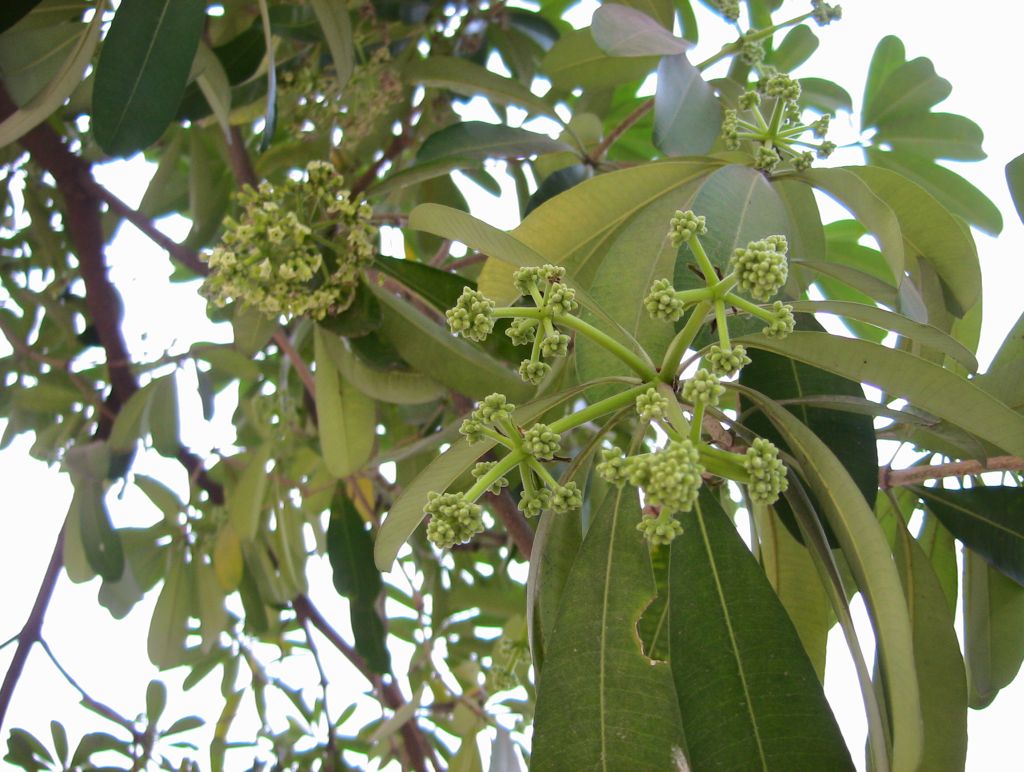
Madhabilata, also written madhavilata, is one of the common names of Hiptage benghalensis, a long-lived evergreen climber of the family Malpighiaceae whose species name refers to Bengal. It is native to India, Southeast Asia, Taiwan and the Philippines, can climb to about 5 metres, and bears fragrant pink-to-white flowers marked with yellow, in clusters of 10 to 30, off and on through the year. Its fruits have three papery wings and are spread by the wind; outside its native range, in places such as Hawaii, Florida, Mauritius and Réunion, it is treated as an invasive weed.
Bougainvillea, called baganbilas in Bengali, originated in South America, with Brazil given as its home. The genus belongs to the four o'clock family, Nyctaginaceae, and is named after the French explorer Louis Antoine de Bougainville. Its colour comes not from its small, inconspicuous flowers but from the papery bracts, modified leaves, that surround them, and its sap can irritate the skin. It is now grown as an ornamental across warm regions, Bangladesh and India among them.
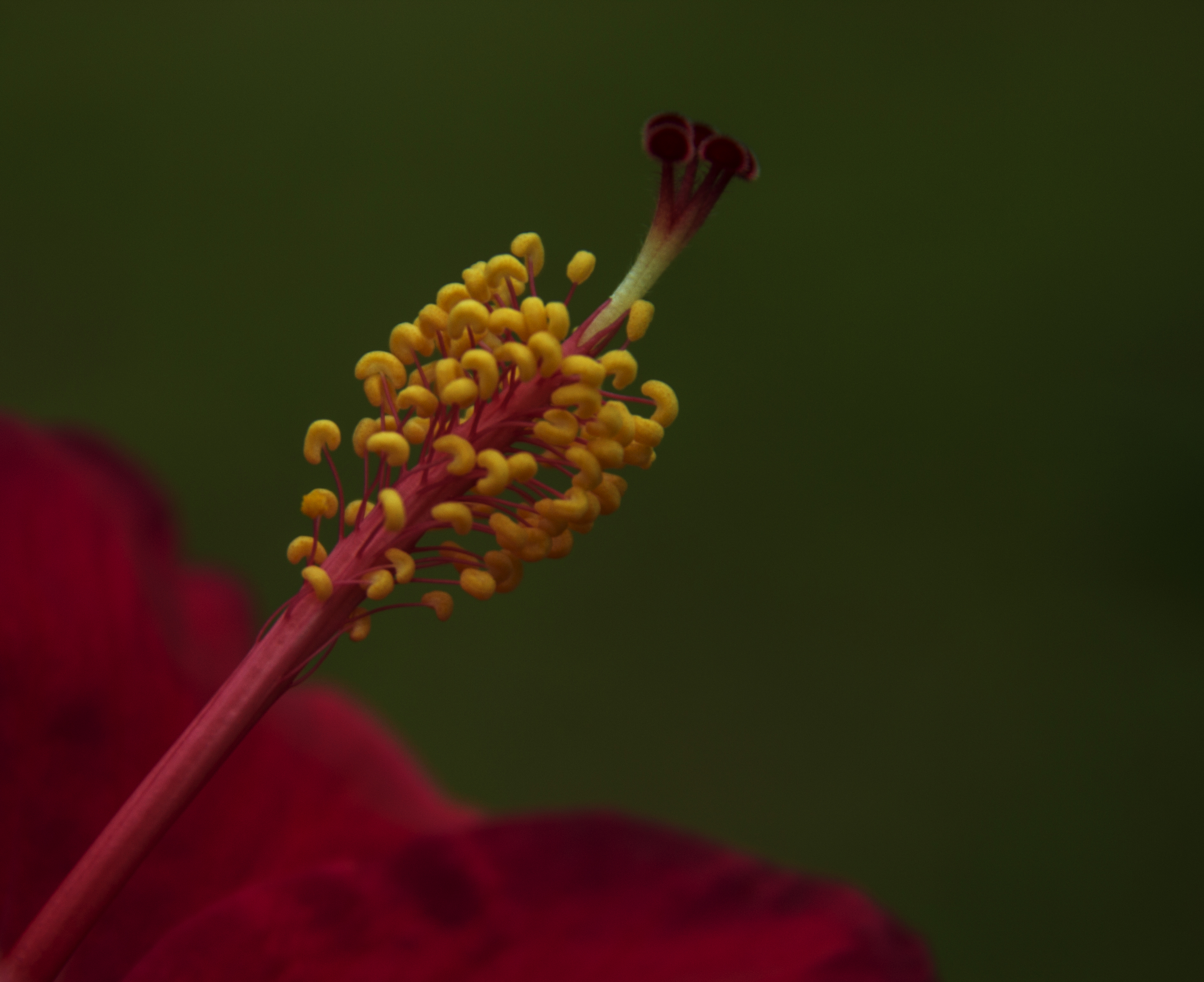
The red hibiscus, Hibiscus rosa-sinensis, is an evergreen shrub or small tree of the mallow family, Malvaceae, usually 2.5 to 5 metres tall, with red, five-petalled flowers about 10 centimetres across; cultivars come in many other colours, and some have double flowers. It is a cultigen, a plant created in cultivation and never found growing wild, and it does not tolerate temperatures below 10 degrees Celsius. In Bengal its red flowers are offered to the goddess Kali, and Malaysia declared it its national flower, the bunga raya, on 28 July 1960.
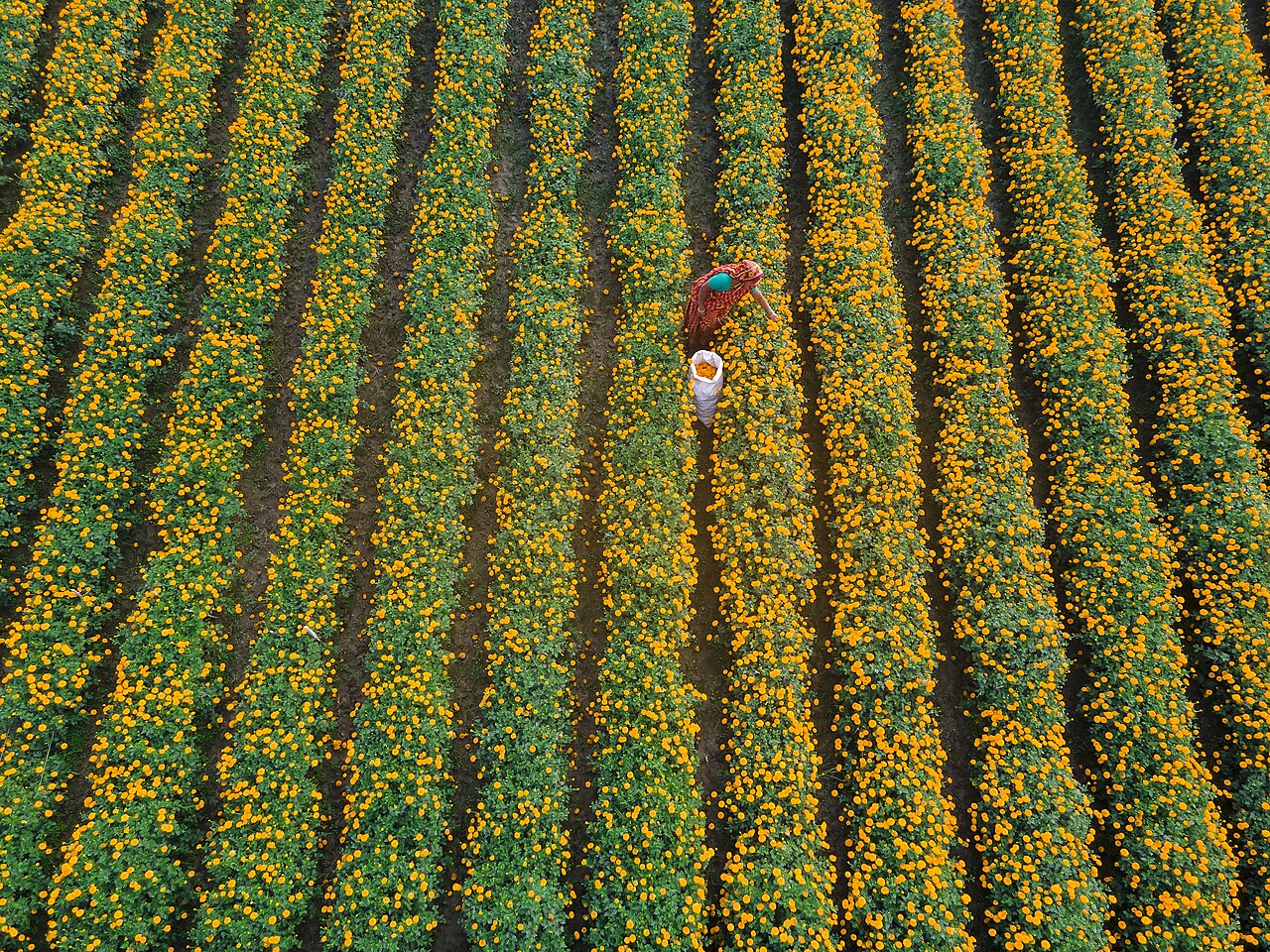
Of the remaining plants, the marigold is one of the flowers Banglapedia lists among Bangladesh's commercially traded cut flowers, in yellow, red and orange varieties of Tagetes patula and Tagetes erecta, and the rose, the most varied of the traded flowers in Banglapedia's list, is one of the two flowers, with tuberose, that the country exports in limited quantity.
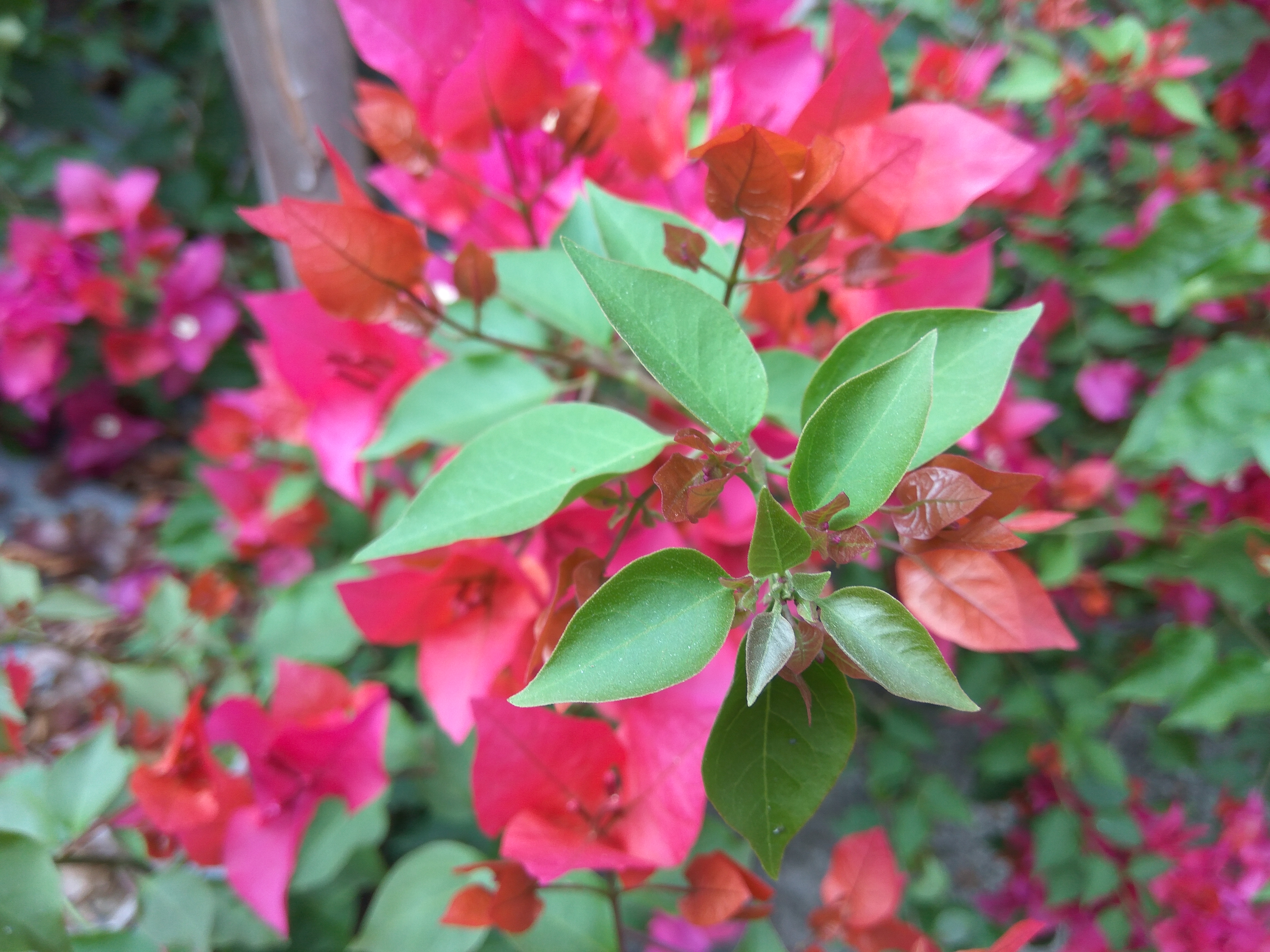
Photo: Forest & Kim Starr / Wikimedia Commons (CC BY 3.0)
Sources: Jagonews24, Royal Horticultural Society, National Parks Board (Singapore), Banglapedia (Asiatic Society of Bangladesh), The Daily Star, Molecules (Yu et al., 2017), Frontiers in Plant Science (Qi et al., 2022), Wikipedia
Comments
(0)