
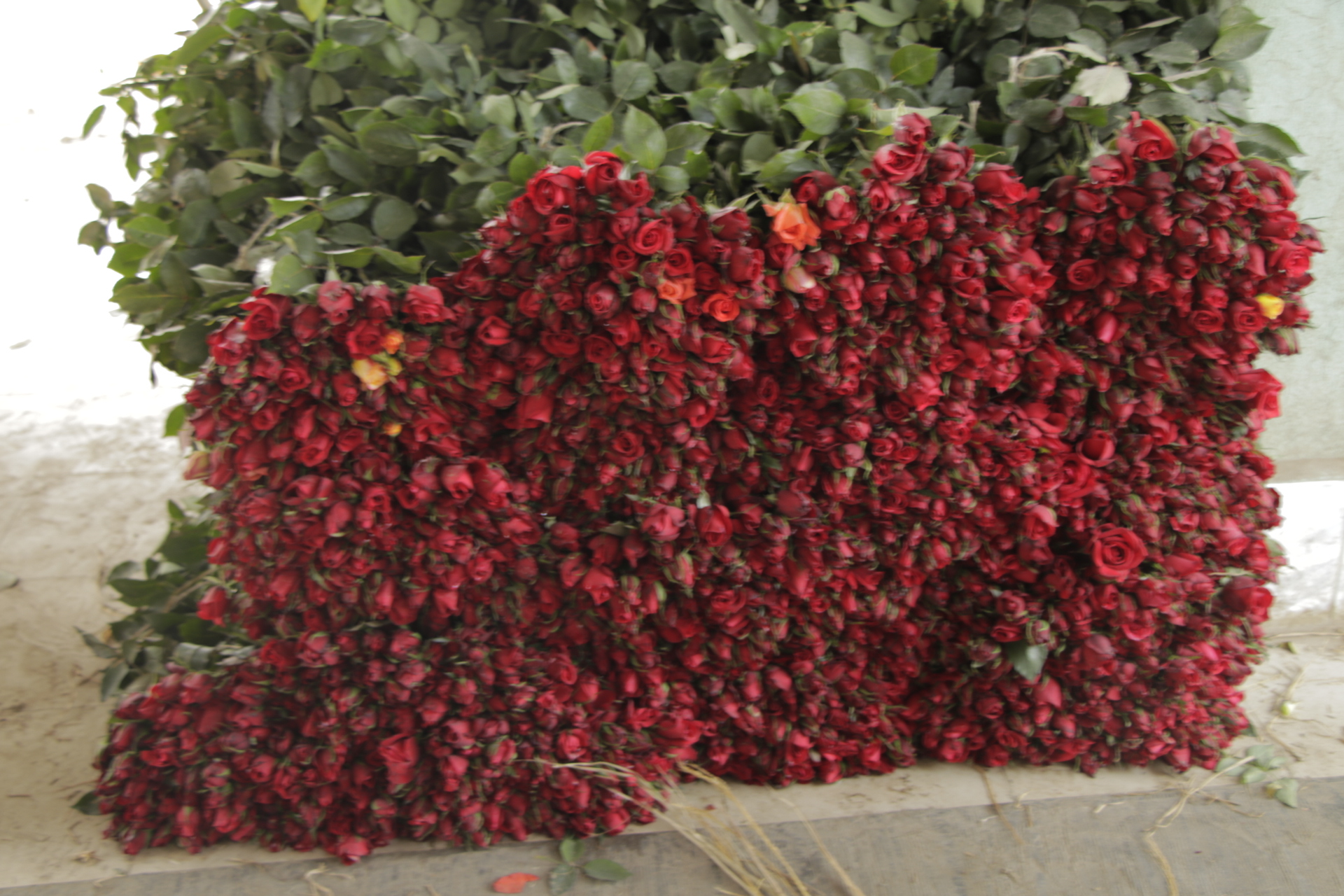
The Ministry of Agriculture took up a project to build a complete, up-to-date flower research centre at Jhikargachha in Jashore district. In March 2020 Sarabangla reported that the project, titled "Establishment of a Flower Research Centre at Jhikargachha in Jashore District", would acquire 20 hectares of land for the centre, at a proposed cost of Tk 230.80 crore.
Where the project stood
Several Planning Commission officials told Sarabangla that the project was going through the approval process and that a meeting of the Project Evaluation Committee (PEC) had already been held. In March 2020, in other words, it was a proposed project whose approval was still under way.
Those involved hoped the centre would help raise the country's production of flowers and ornamental plants by 20 per cent by 2024 and cut post-harvest losses of flower products by 15 per cent.
A plan first proposed in 2018
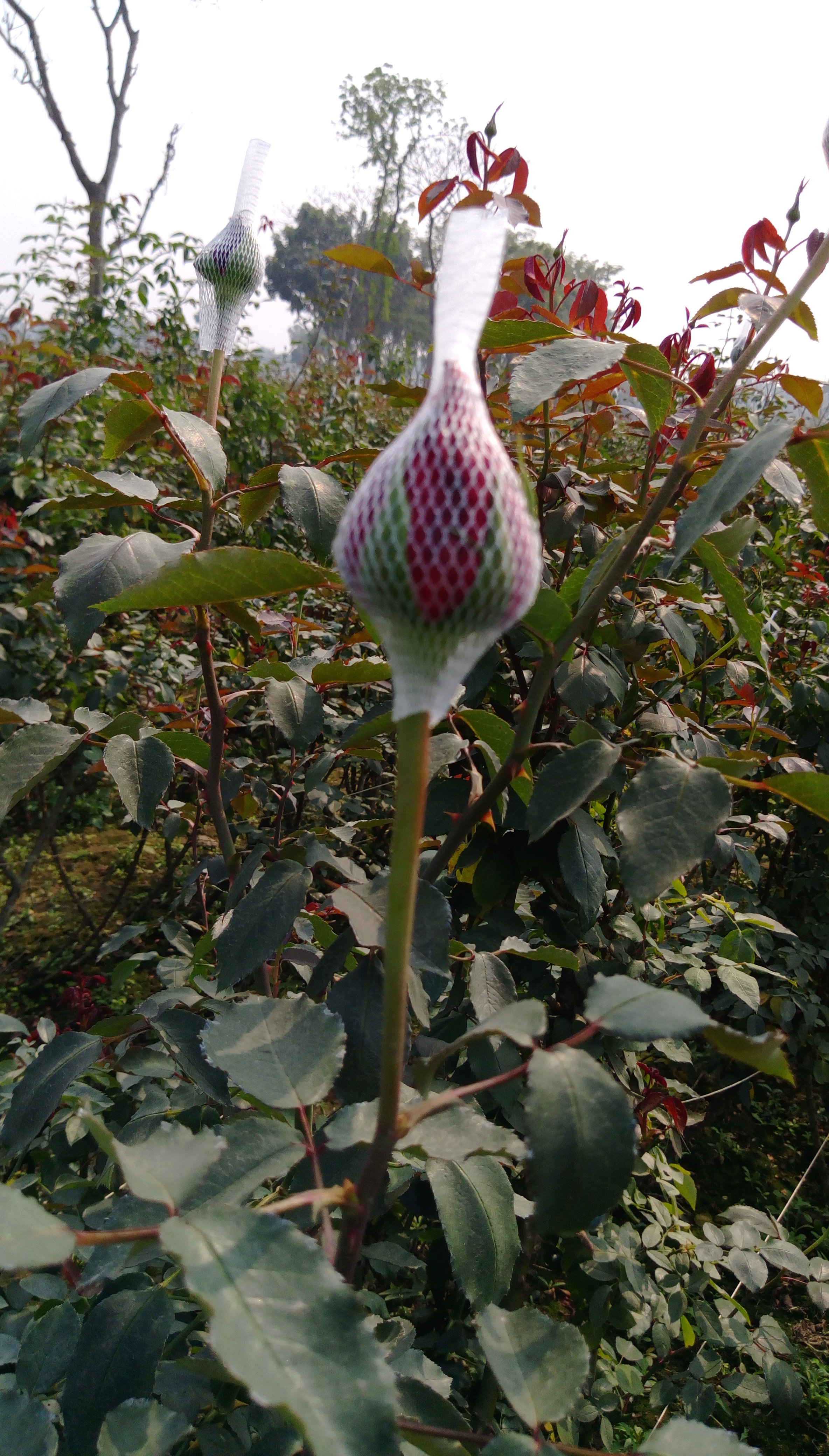
The idea was not new. On 26 July 2018 The Asian Age, quoting a senior Planning Commission official, reported that the commission had received a draft development project proposal (DPP) for the centre from the Ministry of Agriculture. Under that proposal the Bangladesh Agricultural Research Institute (BARI) would carry out the project at an estimated Tk 155.30 crore by June 2022. The Independent reported the same cost in July 2018. The March 2020 report put the cost at Tk 230.80 crore.
The 2018 proposal said the centre would keep flower production and supply going all year through research and support commercial flower farmers. It included a greenhouse for research under controlled conditions, research fields with modern facilities, the development of 10 new flower varieties and 20 new technologies, and a training complex where about 13,000 people would be trained in flower production, research and business. Officials quoted by The Asian Age said losses at the plucking and preservation stages could reach 60 per cent.
Jashore's place in flower farming
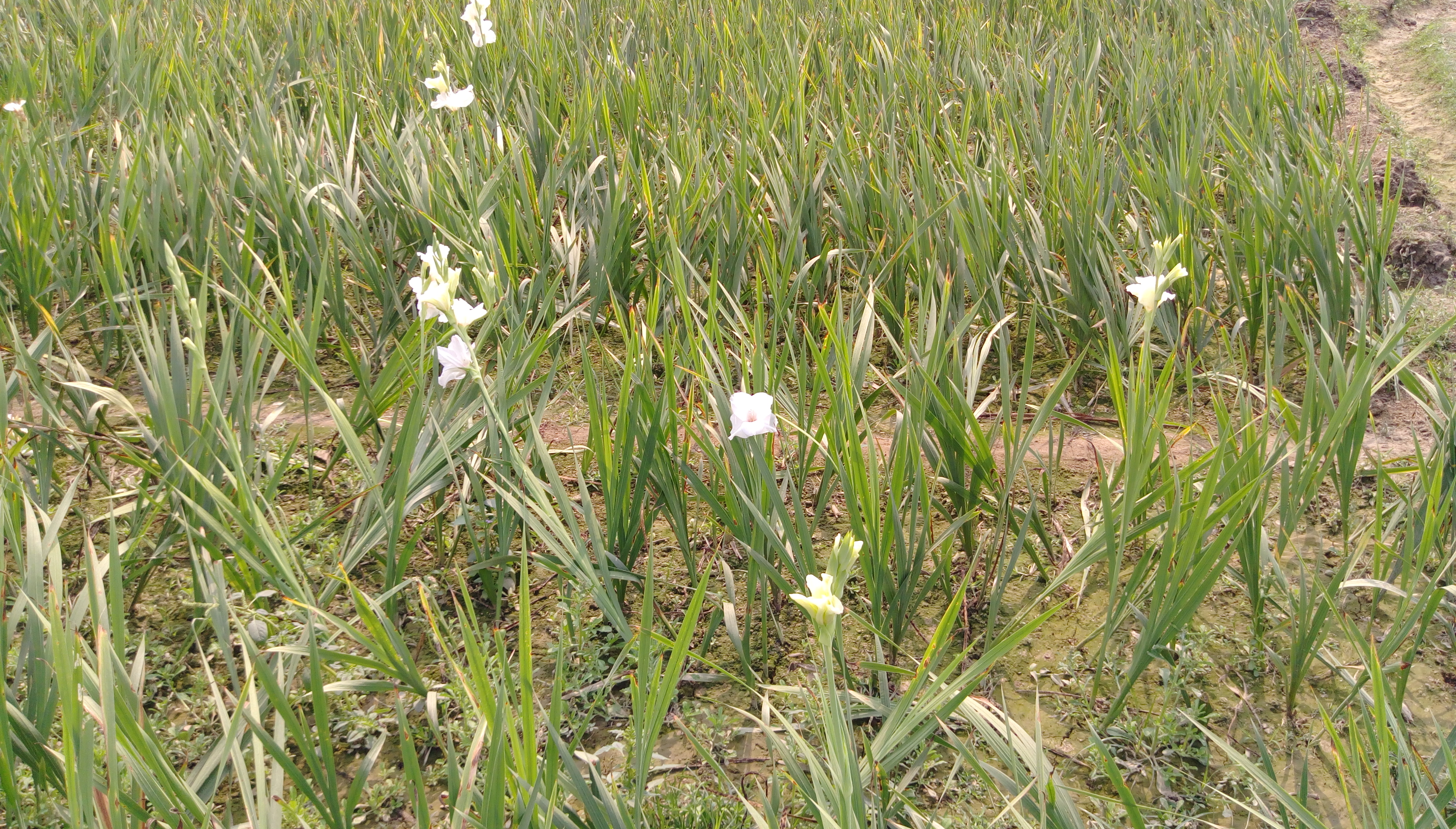
According to the agriculture ministry, Bangladesh's climate and soil suit flower farming very well. At the time of the 2020 report flowers were grown on about 12,000 hectares, 50,000 farmers were involved, and the livelihoods of about 10 lakh (one million) people depended directly or indirectly on the flower trade. The ministry said flowers from large areas of Jashore met about 70 per cent of the country's demand, and it saw potential for exports to Asia, the Middle East and Europe alongside the home market.
Jhikargachha is an upazila of Jashore district in Khulna division; Godkhali and Panishara are two of its 11 unions. The upazila's official portal lists flowers of many local and foreign kinds, such as tuberose, rose, marigold, dahlia and gerbera, as its main natural resource, and says the lion's share of the country's flower demand is grown in Godkhali and Panishara unions. According to The Asian Age, commercial flower farming began at Jhikargachha on a small scale in the early 1980s.
BARI's work on flowers
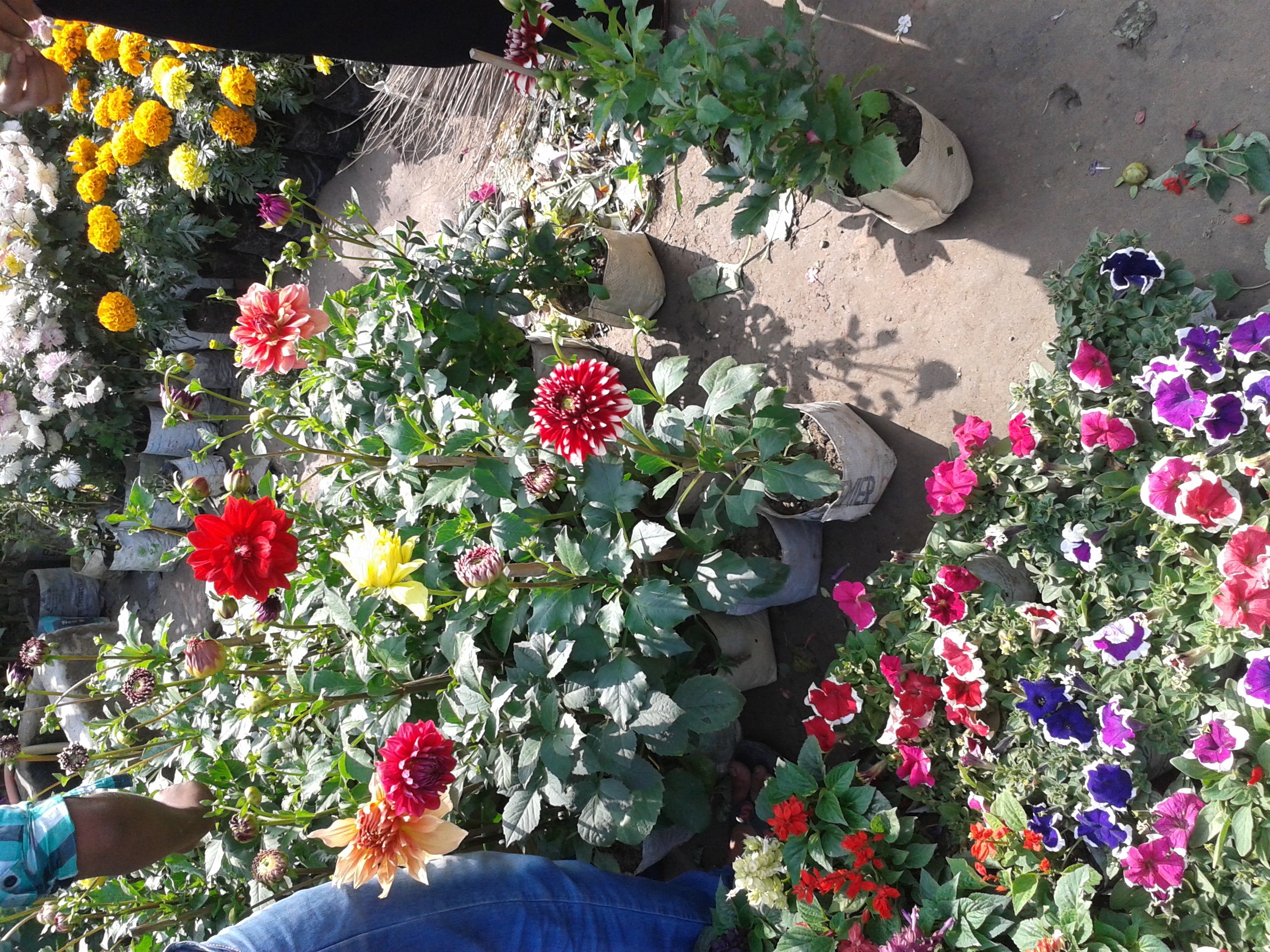
The Bangladesh Agricultural Research Institute told Kaler Kantho that, despite various limitations, it had developed 19 varieties of 10 flowers. It had also developed 20 techniques covering the cultivation of flowers and ornamental plants, flower harvesting and packaging.
Photo: SAIDUL HASAN / Wikimedia Commons (CC BY-SA 4.0)
Sources: Sarabangla, Kaler Kantho, The Asian Age, The Independent, Jhikargachha Upazila portal, Wikipedia
Comments
(0)