
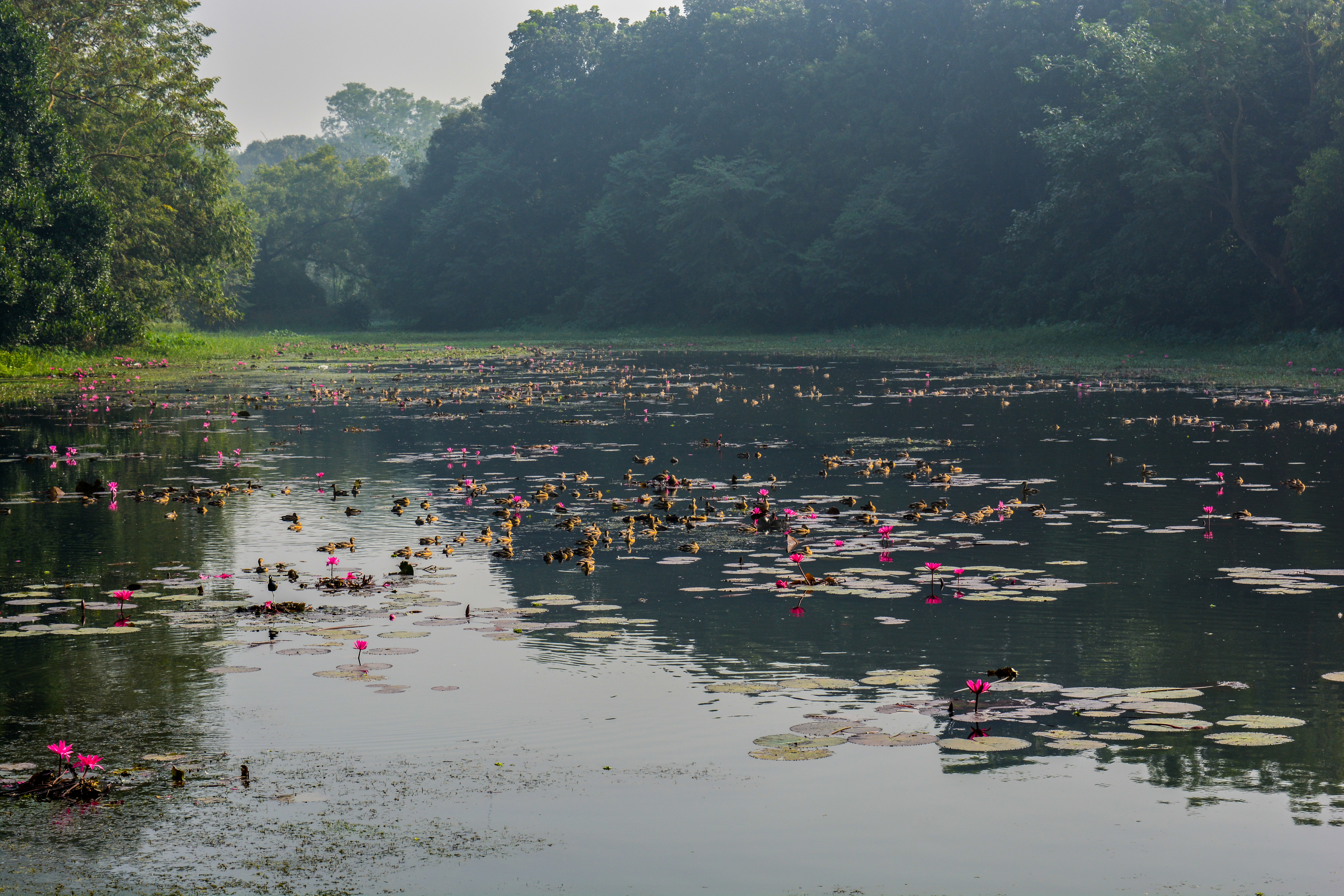
Jahangirnagar University (JU) in Savar, on the north-western edge of Dhaka, announced in January 2020 that it would hold its annual Bird Fair on Friday, 24 January 2020, to raise public awareness of bird conservation. The organisers called it the 20th fair, "Pakhi Mela 2020", and gave it the slogan "Birds are the country's jewels, let us all take care of them". The day-long event was to take place in front of the university's Zahir Raihan Auditorium.
The fair's convener, Professor Md Kamrul Hasan of the university's Department of Zoology, gave the details to Jagonews24 on Wednesday, 22 January 2020. He said the zoology department had organised the bird fair without a break since 2001, and that this year's fair had again been arranged to keep that tradition going and to involve everyone in protecting birds. Prothom Alo's English edition reported the same plan on 22 January, describing the fair as an effort to build awareness of wildlife conservation and listing the Wildlife Rescue Centre, the Bangladesh Bird Club, IUCN and the Zoological Society of Bangladesh among the department's partners.
What the day was to include
According to the convener, Vice-Chancellor Professor Farzana Islam was to open the fair at 9:30 in the morning in front of the Zahir Raihan Auditorium. The programme announced for the rest of the day was:
- an inter-university birdwatching competition;
- an exhibition of bird photographs;
- a bird drawing competition for children and teenagers;
- birdwatching for children and teenagers through telescopes and binoculars;
- a stall decoration competition, with bird photographs and newspapers and magazines on display;
- an inter-university bird identification competition using audio-visual material;
- a bird quiz open to everyone present;
- a prize-giving and closing ceremony.
The co-organisers named in the announcement were the Wildlife Rescue Centre, the Bangladesh Bird Club, Arannayk Foundation, Prokriti O Jibon Foundation, the Zoological Society of Bangladesh, the International Union for Conservation of Nature (IUCN), the television channel Channel 24 and the Bangladesh Forest Department. Prothom Alo's account of the programme matched it: an opening session, a bird identification competition, birdwatching through telescopes, stall decoration, a children's painting competition and an awards session.
The date falls in the season of the campus's winter birds, which, according to earlier reports, arrive between November and December and stay until April, so the birdwatching and identification contests are held while the visitors are on the lakes.
A fair held every winter since 2001
Earlier newspaper reports show how the fair grew into a fixed date in the campus calendar. On Friday, 12 February 2010, The Daily Star reported, hundreds of bird lovers from across the country came to a day-long Bird Fair held "like every other year". The zoology department ran it together with its Wildlife Rescue Centre, and the vice-chancellor of the day opened it at 8 in the morning. Students from Dhaka University, Jahangirnagar University, Jagannath University, the Bangladesh University of Engineering and Technology (BUET) and other institutions took part. Telescopes and binoculars were set up at several points on the campus, and the programme included a debate and a quiz on birds, a painting competition for children, and displays of magazines, journals, stamps and photographs. The Financial Express, previewing the same fair, added a bird call imitation competition, lectures on birds and telescope viewing of migratory birds from several spots on the campus.
In January 2013 The Daily Star described the 12th annual fair, again held on a Friday by the zoology department and its Wildlife Rescue Centre. Families with children, college and university students and professionals took part. In the bird identification competition, groups walked the campus and identified birds by sight or by their calls, with the department's teachers as judges. There was also a children's painting competition, short lectures on birds, a photography exhibition and a tour of the university's 22 lakes. The report said 189 species of migratory birds were present. The information minister, who opened that fair, said schools and colleges should bring students to the campus on study tours about birds.
For the fair of 6 January 2017, The Daily Star reported on 20 December 2016 that the event was being held on the campus for the 16th time, at the premises of the Zahir Raihan Auditorium. Dr Md Kamrul Hasan, then an associate professor of zoology, announced it at a press conference in the teachers' lounge of the New Arts Building. The co-organisers that year were the Wildlife Rescue Centre, the Bangladesh Bird Club, Arannayk Foundation, Channel 24, IUCN and the Bangladesh Forest Department, much the same group as in 2020. Besides the contests and exhibitions, the 2017 programme included the presentation of an annual report on the birds seen at JU. In December 2017 the same newspaper said the department planned its usual fair for 17 January 2018.
Newspapers have not always numbered the fairs the same way: the 2013 fair was reported as the 12th, the 2017 fair as the 16th time, and the organisers described the 2020 fair as the 20th. What the reports agree on is the format, which has stayed close to the same over a decade: an early start, birdwatching through borrowed telescopes, identification and drawing contests, exhibitions and a prize-giving at the end of the day.
The campus and its lakes
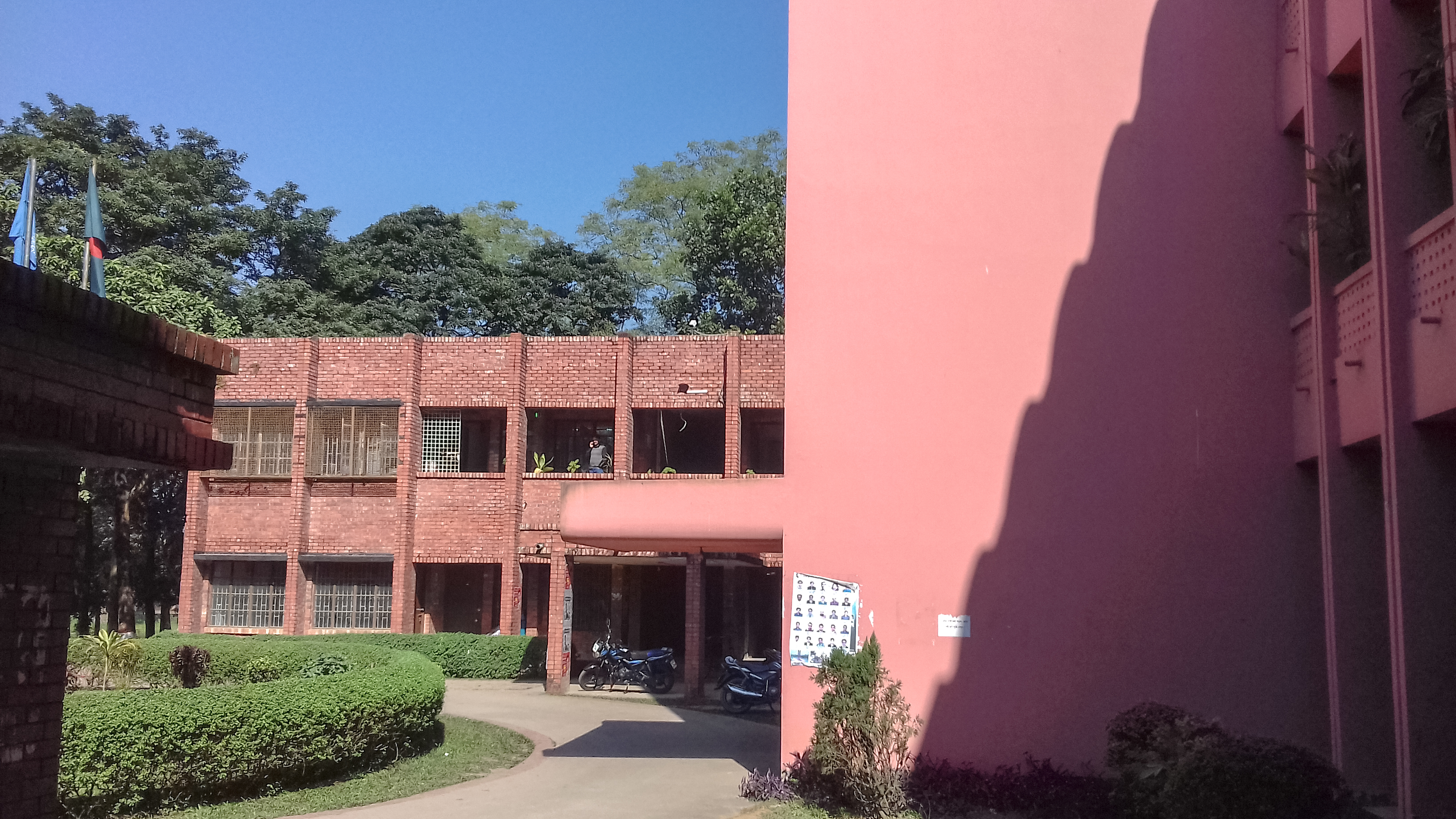
Jahangirnagar University was established on 20 August 1970 under the Jahangirnagar Muslim University Ordinance, 1970, and was formally launched on 12 January 1971; the Jahangirnagar University Act of 1973 later reconstituted it. The campus lies in Pathalia union of Savar upazila in Dhaka district, about 32 kilometres from the capital, and covers 697.56 acres. The Zahir Raihan Auditorium, where the fair gathers, is in the campus's TSC complex. It is named after the novelist and filmmaker Zahir Raihan and seats 1,500 people.
The birds are the reason the fair is held here. A Bangladesh Sangbad Sangstha (BSS) report published by The Financial Express in December 2008 said the campus had 22 small and large lakes, with red water lilies blooming in its water bodies, and that migratory birds had been coming to them since 1986. It said about 9 to 10 per cent of the migratory birds entering Bangladesh in winter landed on the JU lakes. The university authorities had declared most of the lakes a safe abode for the birds and had put up fences and boundaries to limit people's movement along the banks.
In December 2017 The Daily Star named four lakes where the birds gathered most: the lake in front of the administrative building, the lake beside the botanical garden, the lake next to the Wildlife Rescue Centre and the lake at Jahanara Imam Hall. Water lilies had begun blooming in about 20 water bodies on the campus. Professor Kamrul Hasan told the paper that about 69 species of winter visitors usually came to the campus each season, and that about 126 native species were also found there.
The winter visitors
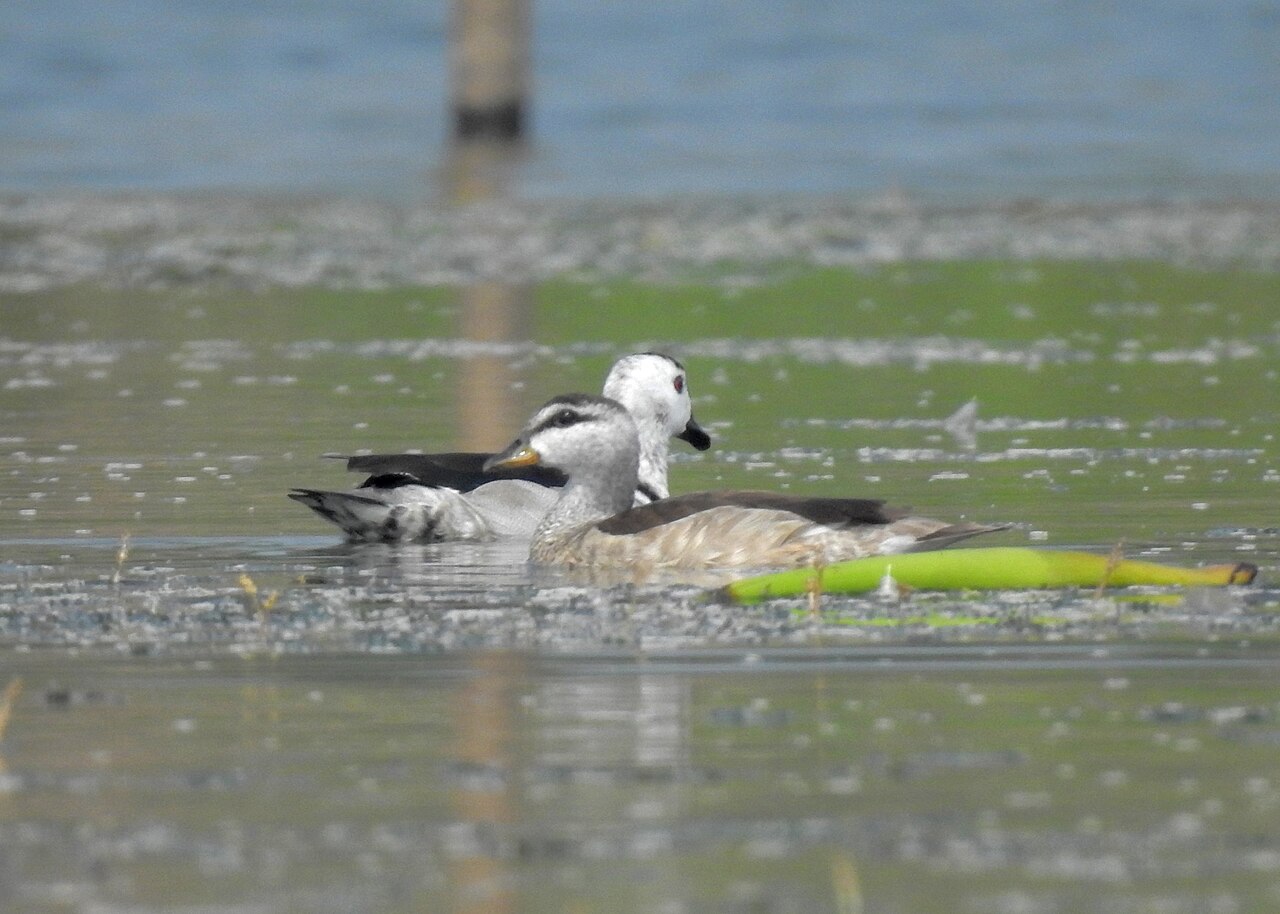
According to the 2008 BSS report, the birds arrived with the winter, usually between early November and late December, and stayed until April. They came from Siberia, Mongolia, Nepal, Xinjiang and the Himalayan region. Most were ducks or duck-like species, and the report named the whistling duck known locally as sarali, pochards, flycatchers, herons and the comb duck. On the lakes they fed on small fish, insects, small snails and water plants. The 2017 Daily Star report likewise said some birds came from Siberia and the valleys of the Himalayas and stayed until April.
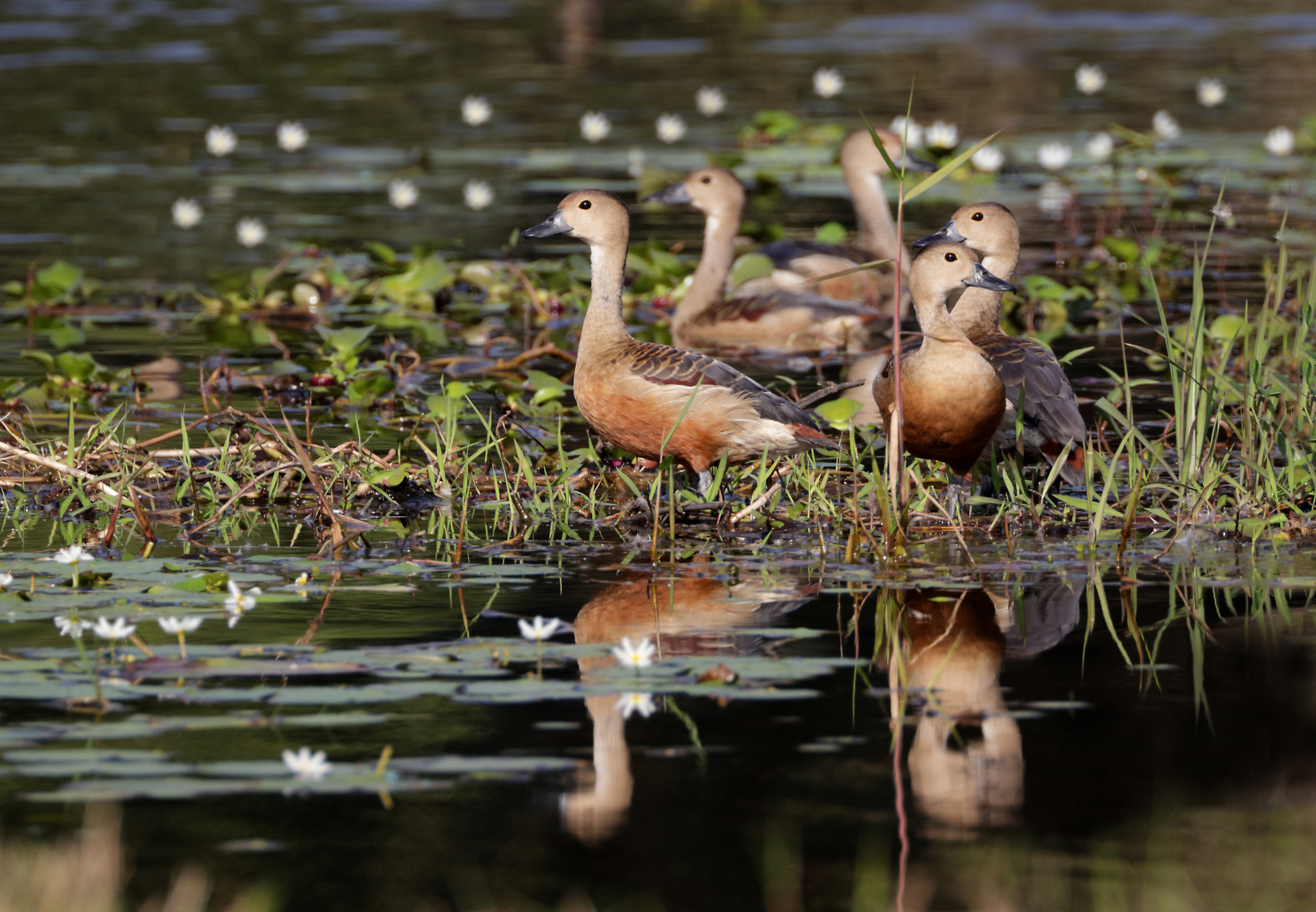
The commonest of them is the lesser whistling duck (Dendrocygna javanica), the "chhota sarali" of the JU reports. It is a long-necked, chestnut-brown duck with broad wings, and both sexes look alike. Its loud, wheezy, two-note whistle gives it its name, and its wings also make a whistling sound in flight. It lives in well-vegetated freshwater wetlands, lakes and wet paddy fields, feeding mainly on water plants and rice grains, as well as small fish, frogs, molluscs and worms. It is largely nocturnal and spends the day resting on the water or the banks. It breeds during the monsoon, nesting in tree holes, tree forks or the old nests of other birds, and lays 7 to 12 white eggs. It is largely resident across South and South-East Asia, with northern birds moving south in winter, and the IUCN lists it as Least Concern.
The "bara sarali" or greater whistling teal mentioned in the 2017 report corresponds to the fulvous whistling duck (Dendrocygna bicolor). It is larger, about 45 to 53 centimetres long, and can be told from the lesser species by the dark stripe down the back of its neck and the white band across its rump in flight. The Indian subcontinent is its Asian stronghold.
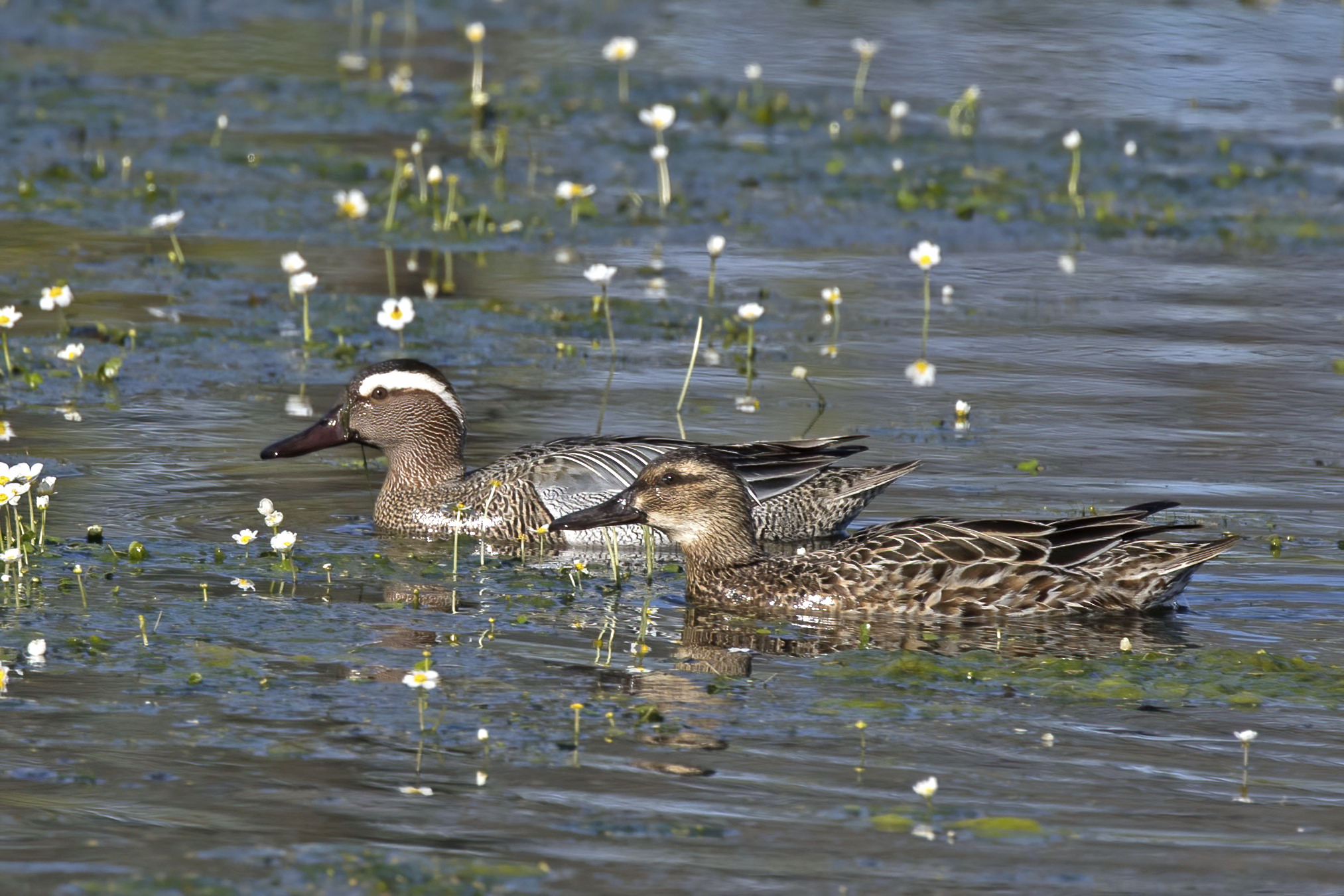
The garganey (Spatula querquedula), named among the JU ducks by Bangladeshi reporters, is a true long-distance migrant. It breeds across Europe and the wider Palearctic, and its entire population moves south for the winter, to Africa, India, Bangladesh and Australasia; the Sylhet region of Bangladesh is one of its known wintering sites. It is a small duck, about 41 centimetres long and weighing 300 to 440 grams. The male has a brown head and breast with a broad white crescent over the eye, and shows a pale blue patch on the wing in flight; the female is brown, with stronger face markings than the similar common teal.
Why the numbers rose and fell
The fair has always carried a warning as well as a celebration. In the 2008 BSS report, zoology Professor Mostafa Firoz said around ten thousand migratory birds usually landed on the JU lakes each year, but that the number was falling, and he blamed an adverse environment, noise and commotion around the lakes and insecurity for the birds. He urged people to be more aware of the birds, which he said help keep the ecological balance and biodiversity.
In June 2012 The Daily Star reported a sharp fall. Environmentalists and birdwatchers said the migratory birds on the four lakes had dropped to 25 to 30 birds of only two species that year, against about 2,000 birds of 20 to 25 species five years earlier. Observers linked the decline to the leasing of the lakes for fish farming and of nearby land for crops over the previous three years, to the cutting of trees, to more buildings and human activity near the water, and to lime added to the water before fish fry were released, which killed the water hyacinth and other plants the birds used for cover. Associate Professor Monowar Hossain of the zoology department linked fertilisers, insecticides and the lime treatment to the drop. The vice-chancellor at the time said steps were being taken so that the lakes and land would no longer be leased, which he hoped would restore food and habitat for the birds.
By December 2017 the birds were returning, but the concern remained. "Environmental degradation, leasing out lakes for fish farming and failure to ensure a safe haven for the winter guests are some of the reasons behind the reducing number of migratory birds," Professor Kamrul Hasan told The Daily Star. He also linked the falling numbers to crowds, vehicles, honking and picnics by the lakes, and said many birds had left the Jahanara Imam Hall lake for the others. The university registrar said fences and boundaries had been set up around the lakes and that the estate office would supervise visitors. The awareness the Bird Fair aims to build, among students, families and visitors who come to watch the birds, is part of the answer the organisers have offered to that problem.
Bangladesh's birds in numbers
Banglapedia, the national encyclopedia of Bangladesh, records 628 bird species in the country, of which 388 are resident and 240 migratory. Most of the migrants come from the Himalayas and the lands beyond, some from as far as Europe and Siberia, as part of the southward movement of birds from Eurasia towards South, South-East and East Asia. Of the more than 600 Eurasian breeding species that migrate to South and South-East Asia or Africa, Banglapedia says Bangladesh receives more than a third. Migratory waders use the coast, estuaries, chars, beels, baors, haors, ponds and lakes, with larger flocks on larger water bodies.
The most recent national assessment before the 2020 fair was the Red List of Bangladesh 2015, prepared by the Bangladesh Forest Department and IUCN between 2013 and 2015 and released in June 2016. Its bird volume runs to 676 pages. Reporting the release, Prothom Alo put the number of bird species in the country at 566. The assessment found 390 species of the seven animal groups studied threatened, and 31 species extinct in Bangladesh, 19 of them birds. Among the lost birds were the pink-headed duck, the white-winged duck, the sarus crane, the greater adjutant, the Bengal florican and the spot-billed pelican. Enam Ul Haque, who led the bird assessors, explained that a species is considered extinct if it has not been seen in the wild for 50 years.
Waterbird counts give a sense of the numbers that still come. The Bangladesh Bird Club's mid-January coastal census in 2015, run with the Forest Department, Channel i and the non-governmental organisation NACOM, covered Nijhum Dwip, Domar Char, Char Kukri Mukri, Char Shahjalal and other chars around Bhola. It counted 57,025 birds of 76 species, 52 of them migratory, against 50,080 birds of 66 species on the same route a year earlier. The teams recorded Indian skimmers, a flock of about 5,000 Pallas's gulls at Char Shahjalal, and the critically endangered spoon-billed sandpiper.
What the law says about birds
At the time of the 2020 fair, birds in Bangladesh were protected by the Wildlife (Conservation and Security) Act, 2012 (Act No. 30 of 2012, dated 10 July 2012). Section 6 of the Act says no one may hunt any wild animal without a licence or permit issued under it, and allows the government, by notice in the official gazette, to ban the hunting of particular or all wild animals in a particular area or across the country for a set period.
Section 38 deals with birds. Killing any bird or migratory bird listed in the Act's Schedules 1 and 2 is an offence punishable with up to one year in prison, a fine of up to Tk 1 lakh, or both; a repeat offence carries up to two years, a fine of up to Tk 2 lakh, or both. Collecting, keeping, buying, selling or transporting such a bird's trophy, meat or body parts is punishable with up to six months in prison, a fine of up to Tk 30,000, or both, rising to one year or Tk 50,000 for a repeat offence.
The organisations behind the fair
The Wildlife Rescue Centre belongs to the university's zoology department; the 2010 and 2013 reports name it as the department's partner in running the fair, and one of the four main bird lakes lies beside it. The Bangladesh Bird Club, founded by the ornithologist Enam Ul Haque, organises the annual waterbird counts in the country's wetlands and on its coast; in 2015 its president was Dr Niaz Abdur Rahman.
Arannayk Foundation, also known as the Bangladesh Tropical Forest Conservation Foundation, grew out of an agreement the governments of Bangladesh and the United States signed in September 2000. Under the US Tropical Forest Conservation Act of 1998, Bangladesh became the first country to receive debt relief in exchange for forest conservation: the agreement cut its dollar debt payments by more than $10 million and created local-currency funds worth $8.5 million to endow a forest fund. The foundation was formally launched in Dhaka in February 2005 to support the management, conservation and restoration of natural forests.
IUCN, the International Union for Conservation of Nature, was founded on 5 October 1948 in Fontainebleau, France, and has its headquarters in Gland, Switzerland. Its members include states, government agencies and non-governmental organisations, and its best-known product is the IUCN Red List of threatened species; IUCN Bangladesh in Dhaka published the 2015 national Red List. The Bangladesh Forest Department, a partner in both the 2017 and 2020 fairs, was also IUCN's partner in that Red List assessment. The remaining partners, Prokriti O Jibon Foundation, the Zoological Society of Bangladesh and Channel 24, joined the zoology department in carrying the fair's message to a wider public.
Photo: Syed Sajidul Islam / Wikimedia Commons (CC BY-SA 4.0)
Sources: Jagonews24, Prothom Alo, The Daily Star, The Financial Express (BSS), Banglapedia, Bangladesh Laws (Ministry of Law: Wildlife (Conservation and Security) Act, 2012), IUCN, U.S. Department of the Treasury, The White House (2000 archive), Wikipedia (Jahangirnagar University, lesser whistling duck, fulvous whistling duck, garganey, IUCN)

Comments
(0)