
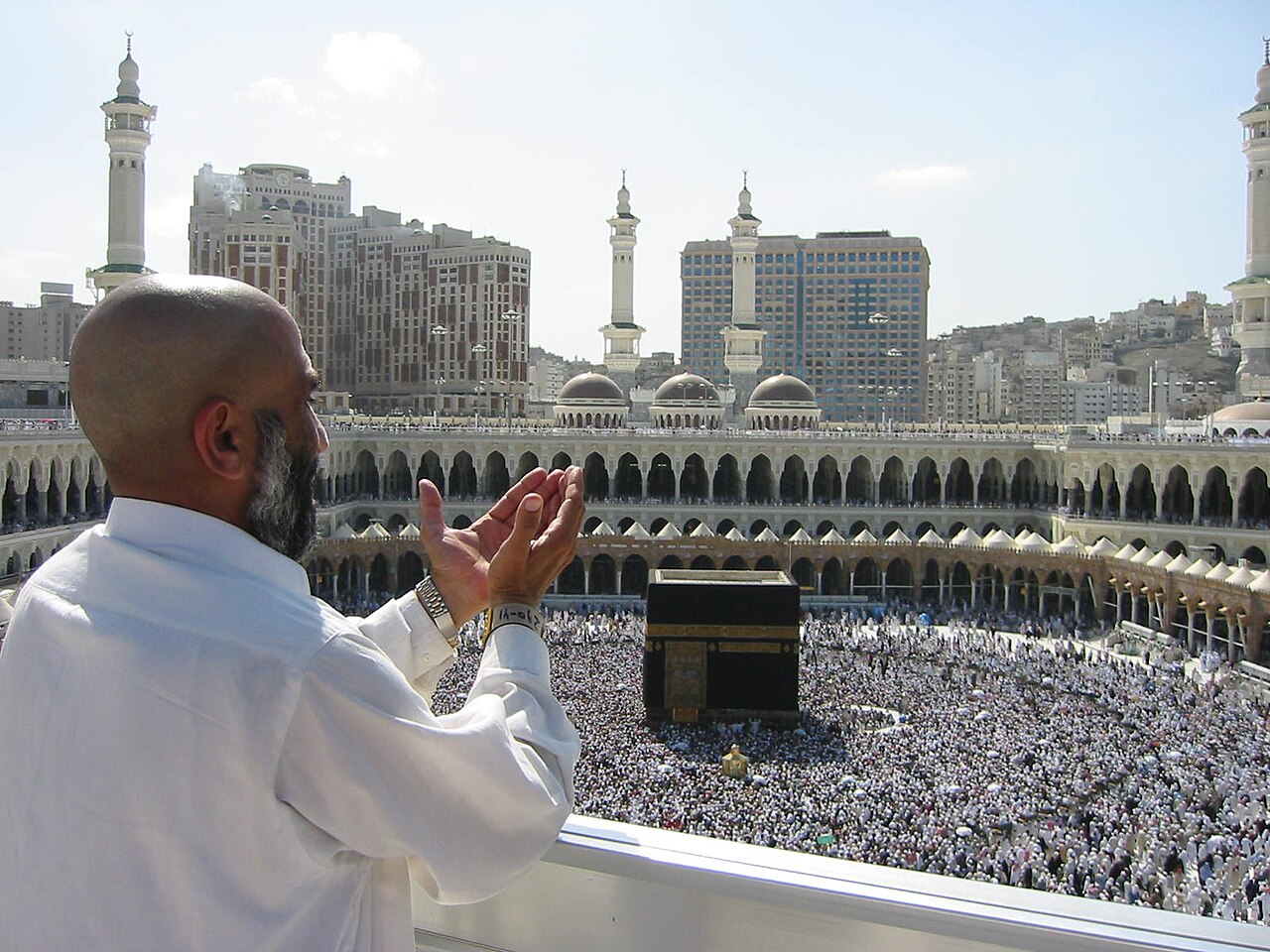
Every life has its mistakes, and when the weight of sin hardens the heart, the wish to worship fades and peace of mind goes with it. Writing in Prothom Alo's religion pages, Mahmud Hasan Fahim says that however often a servant of Allah sins, the door back to Him stays open, and one of the main ways back is asking forgiveness, called istighfar in Islam. It is not a practice for a particular day or hour, he writes, but part of a believer's everyday life.
He recalls that the Prophet Muhammad (peace be upon him), though without sin, asked forgiveness many times a day. "By Allah, I seek Allah's forgiveness and turn to Him in repentance more than seventy times a day," the Prophet said (Sahih al-Bukhari, hadith 6307).
The article gives five reasons to seek forgiveness daily: relief from the burden of sin, protection from Allah's punishment, a way out of hardship and worry, blessing in life, and salvation in the hereafter. In Surah Az-Zumar, verse 53, Allah tells people not to despair of His mercy because He forgives all sins; Surah Al-Anfal, verse 33, says Allah will not punish people while they seek forgiveness. In Surah Nuh, verses 10 to 12, the Prophet Nuh (peace be upon him) called his people to istighfar and spoke of rain, wealth and children as its blessings.
True istighfar, the writer says, is more than saying a few words. Four things matter: recognising the wrong and regretting it from the heart, a firm resolve not to return to that sin, admitting the fault and asking forgiveness aloud with a repentant heart, and trusting that Allah will forgive.
One may ask forgiveness in one's own words, but reciting the supplications reported in the hadith is better, the article notes. The shortest is "Astaghfirullah", meaning "I seek Allah's forgiveness". Another is "Astaghfirullahal-ladhi la ilaha illa huwal hayyul qayyumu wa atubu ilayh" (Tirmidhi, hadith 3577).
The supplication the Prophet called "Sayyid al-Istighfar", the best way of asking forgiveness, begins "Allahumma anta rabbi, la ilaha illa anta", meaning "O Allah, You are my Lord; there is no god but You." According to Sahih al-Bukhari, hadith 6306, whoever says it with firm faith in the morning and dies that day, or at night and dies that night, will enter Paradise.
The article's central message is not to despair after a sin but to return to Allah quickly. In a hadith qudsi reported by Tirmidhi (hadith 3540), Allah says that even if a person's sins reach the clouds of the sky, He will forgive them if they ask.
Photo: Ali Mansuri / Wikimedia Commons (CC BY-SA 2.5)
Source: Prothom Alo


Comments
(0)