
The International Rice Research Institute (IRRI) received the Global Leadership in Rice Research, Innovation and Food Security award at the Bharat International Rice Conference (BIRC) 2026 in New Delhi, organised by the Indian Rice Exporters Federation with the Agricultural and Processed Food Products Export Development Authority and India's Ministry of Commerce and Industry. IRRI was also a knowledge partner of the event.
In a technical session, Dr Swati Nayak, IRRI scientist and India Interim Country Manager, said sustainable water management, water-responsive technologies and the right incentives are needed to transform rice production. "Diversification must not come at the cost of disinvestment in rice research and development," she said, adding that proven technologies must be tailored to local needs and backed by policy before farmers can afford to adopt them.
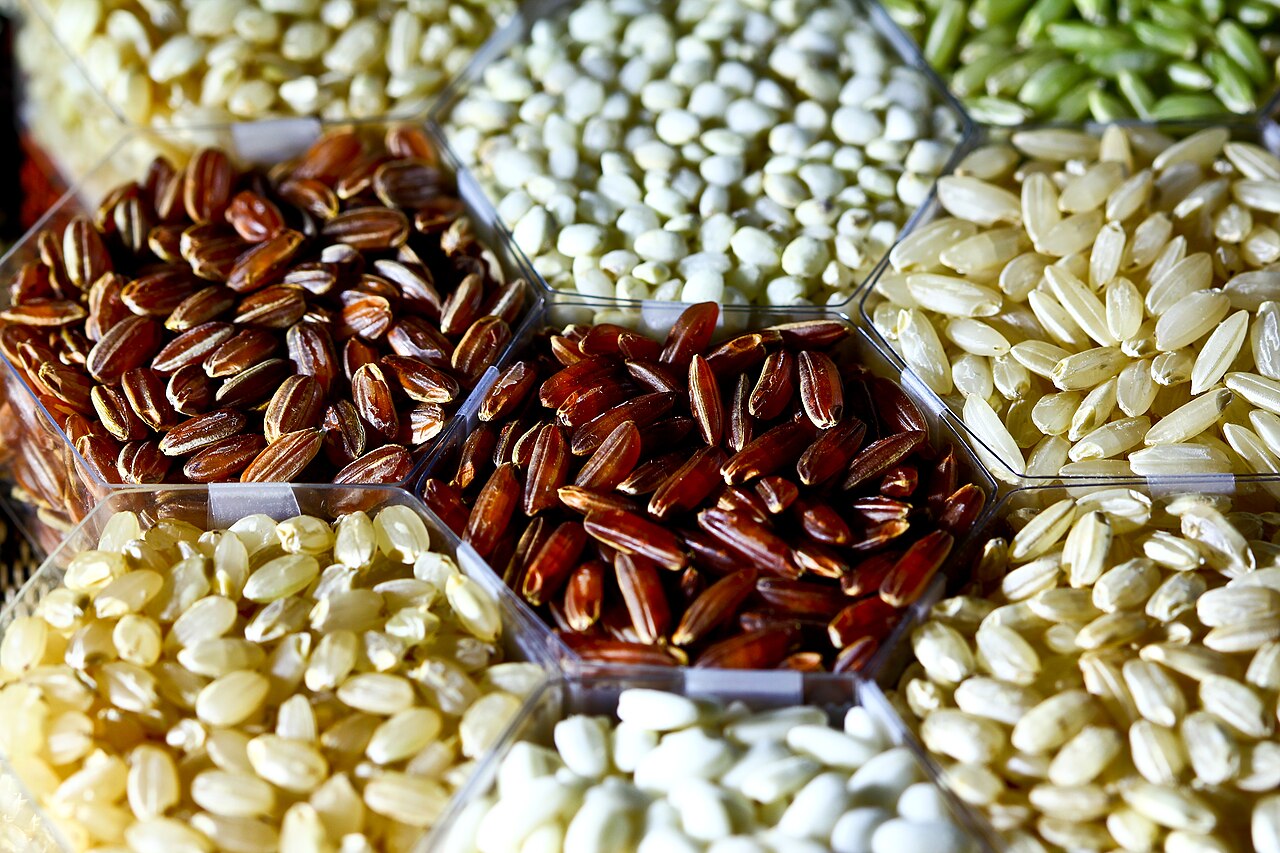
Dr Priyabrata Roy presented nutrition-focused varieties developed by IRRI, including low-GI and zinc-enriched rice, which he said can open new markets alongside India's traditional and GI-tagged rices such as Kala Namak, Kalajeera, Joha, Gobindobhog and Navara. "The next rice revolution will be driven by nutrition, value addition, and market differentiation," he said.
Dr Saurabh Badoni stressed breeding climate-resilient varieties that keep good grain quality, noting that high temperatures and drought can damage the grain. At the exhibition, IRRI showed high-protein, low-GI and biofortified rices, and Dr Sk Mosharaf Hossain spoke about iron- and zinc-biofortified rice as a way to address micronutrient deficiencies.
The conference brings together policymakers, researchers, exporters and importers from across the rice trade. For IRRI, the report says, the task is to make sure advances in research reach farmers and consumers as more sustainable production, better market access and improved nutrition.
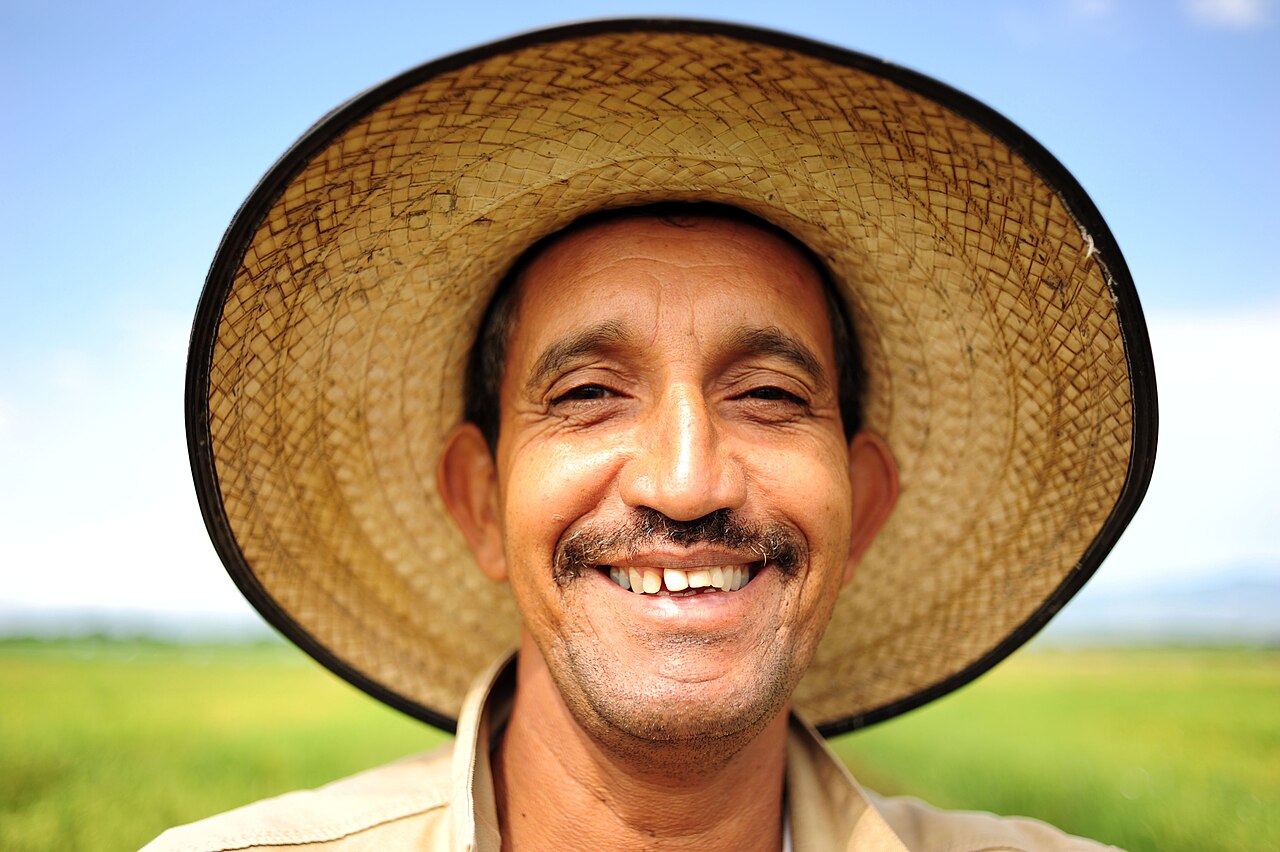
Photo: CIAT / Wikimedia Commons (CC BY-SA 2.0)
Source: Global Agriculture

Comments
(0)