
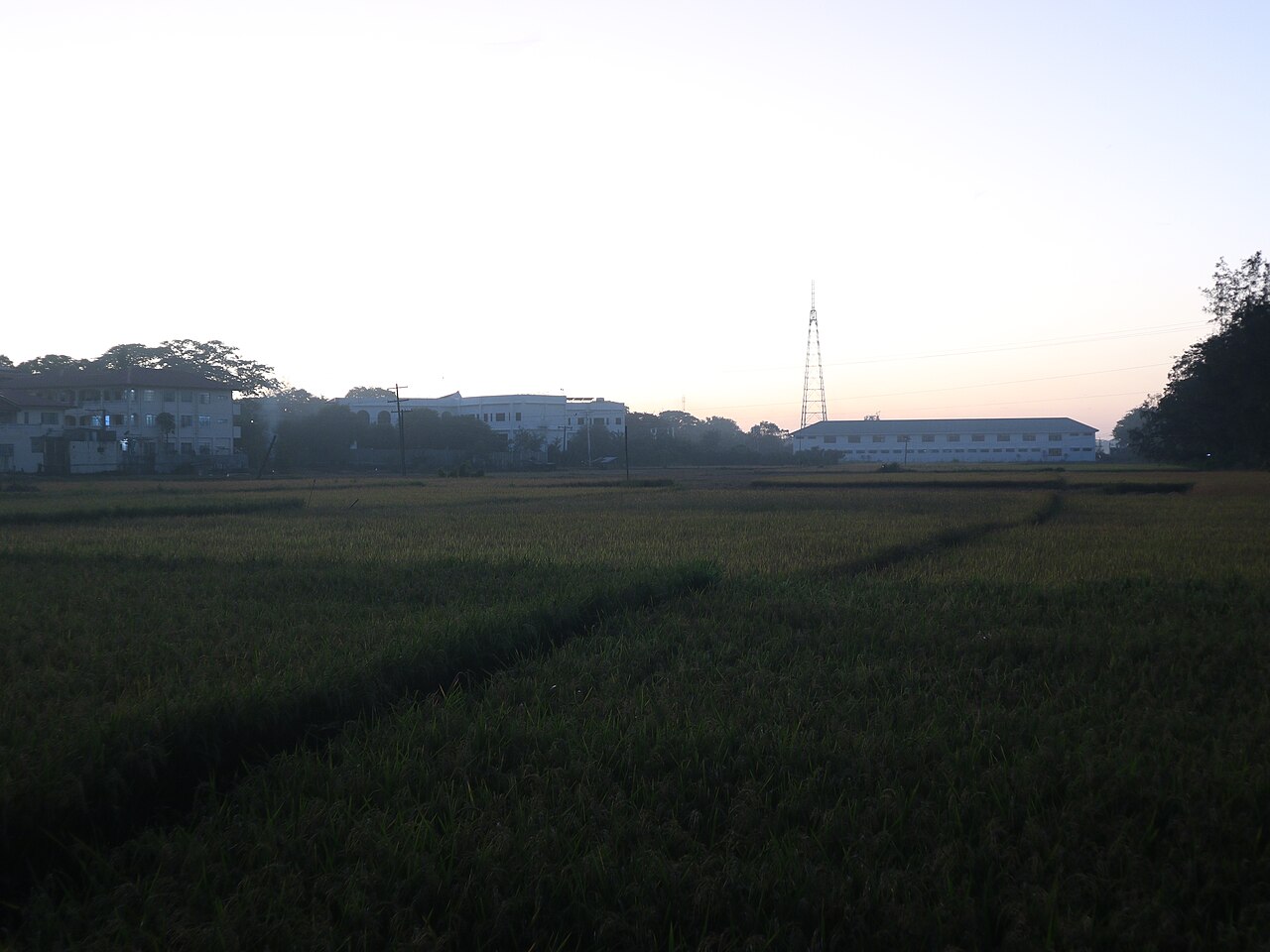
The International Rice Research Institute (IRRI) and the Philippine Department of Agriculture's Bureau of Agricultural Research (DA-BAR) have begun rolling out a project to help agricultural agencies decide which farm technologies to scale up and where, IRRI said on 2 October. The project is called Enhancing Frameworks for Fast and Effective Cascading of Technologies in Agriculture (EFFECT) and covers the Ilocos Region, Cagayan Valley and Eastern Visayas.
Led by IRRI scientist Rica Joy B. Flor, EFFECT supports DA-BAR's SCALE UP project on climate-smart agriculture technologies by applying scaling frameworks that match innovations to the conditions and needs of target communities. The starting point, IRRI says, is that making technologies available is not enough: they have to fit local conditions and the capacity to adopt them.
Its first component is suitability mapping. Using data on temperature, rainfall, terrain and soil properties, the project will map where specific crops grow best and when they should be planted, giving implementers spatial evidence for local planning. Regional and local staff will be trained to use the maps and to bring spatial and environmental data into their decisions.
The second component is innovation profiling. Through focus group discussions and rapid appraisals, the team documents the innovations already being promoted at SCALE UP sites, how they reach farming communities and their characteristics, and adds the profiles to SCALE UP's digital repositories.
Regional rollouts were held on 8 September at the DA research centre in Batac, Ilocos Norte, on 10 September in Ilagan City, Isabela, and on 18 September in Tacloban City. IRRI will next develop training materials and run classroom training so practitioners can keep using the framework after the project ends. The work is funded by DA-BAR and aligned with the CGIAR Scaling for Impact Science Program.
Photo: Patrickroque01 / Wikimedia Commons (CC BY-SA 4.0)
Source: IRRI

Comments
(0)