
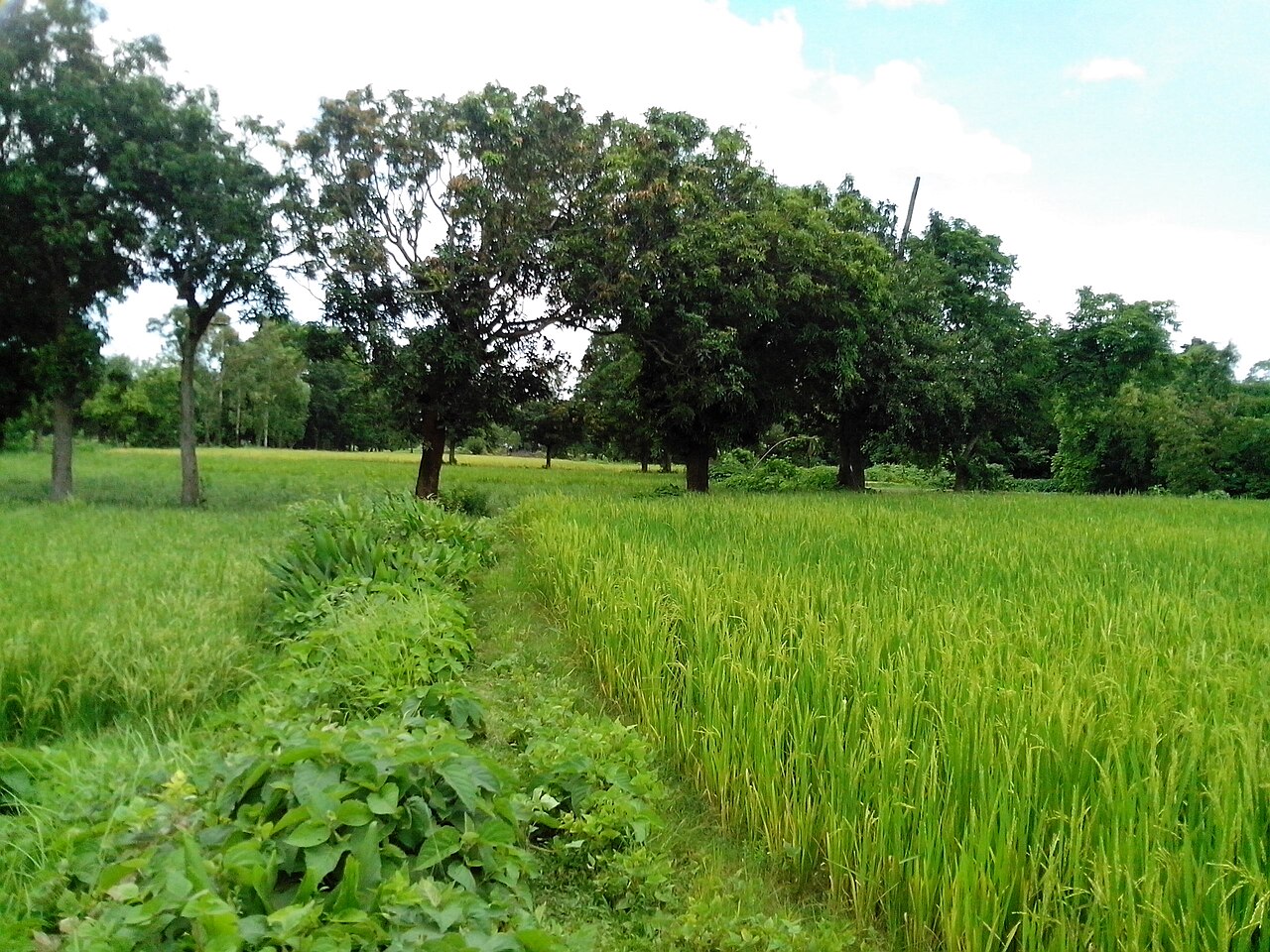
A trader in Khagrachari is importing 56 portable power sprayers for spraying mango and other fruit orchards on the hill slopes, after opening a US$1,470 letter of credit (LC) at the Khagrachari branch of United Commercial Bank (UCB). According to the bank, it is the first import LC ever opened in the district.
Until now, a hill trader who wanted to import machinery had to travel to Chattogram or Dhaka just to open an LC. This time the deal with a foreign seller was settled at a bank in the trader's own district. Each machine costs about US$26, and the whole consignment comes to less than Tk 2 lakh.
Samakal reports that, according to Department of Agricultural Extension officials, the three hill districts of Khagrachari, Rangamati and Bandarban produce about 20 percent of the country's fruit. In 2024, around 3,500 farmers in Khagrachari grew mangoes on 4,150 hectares and harvested about 49,000 tonnes worth some Tk 200 crore; the following year the district's mango area rose to 4,421 hectares.
Spraying so many orchards is hard work, because heavy machines used on the plains cannot be hauled up steep slopes. Mukta Chakma, an upazila agriculture officer in Khagrachari, said similar machines had been used before but were not portable. The new ones can be carried easily across hill land, saving farmers time and labour and giving yields a chance to rise.
Credit and banking remain thin in the hills. Citing Policy Research Institute (PRI) research, Samakal says Dhaka and Chattogram hold 64 percent of the country's deposits and receive 78 percent of its loans. The National Agricultural Mechanisation Policy 2020 promises easy-term credit for machinery importers, service providers and farmers, and if the Ramgarh land port opens for trade with India's north-east, demand for local LC services will grow.
Machines may raise yields, but old problems remain: fair prices and storage. The report notes that despite bumper harvests, mangoes worth several hundred crore taka go to waste in Rangamati every year for want of a fair price. Hill fruit growers need markets, cold storage and entrepreneurs who know the rules of trade, as well as machines.
Photo: SyedAminul / Wikimedia Commons (CC BY-SA 4.0)
Source: samakal

Comments
(0)