
Many people peel apples before eating or scrape carrots before cooking. Yet the skins of some fruits and vegetables carry fibre and a range of plant compounds, and peeling throws part of them away. Prothom Alo's lifestyle pages carry advice on the subject from two US dietitians: Elizabeth Shaw, founder of Shaw Simple Swaps, and dietitian Sylvia Klinger.
A peel is the fruit's or vegetable's protective outer layer against sun, insects and the environment. Many peels contain fibre along with polyphenols, flavonoids and carotenoids, many of them with antioxidant properties. Fibre helps keep digestion regular and keeps you full for longer. The article is careful to say that no particular peel can be claimed to prevent disease, and that not every peel is more nutritious than the flesh inside.
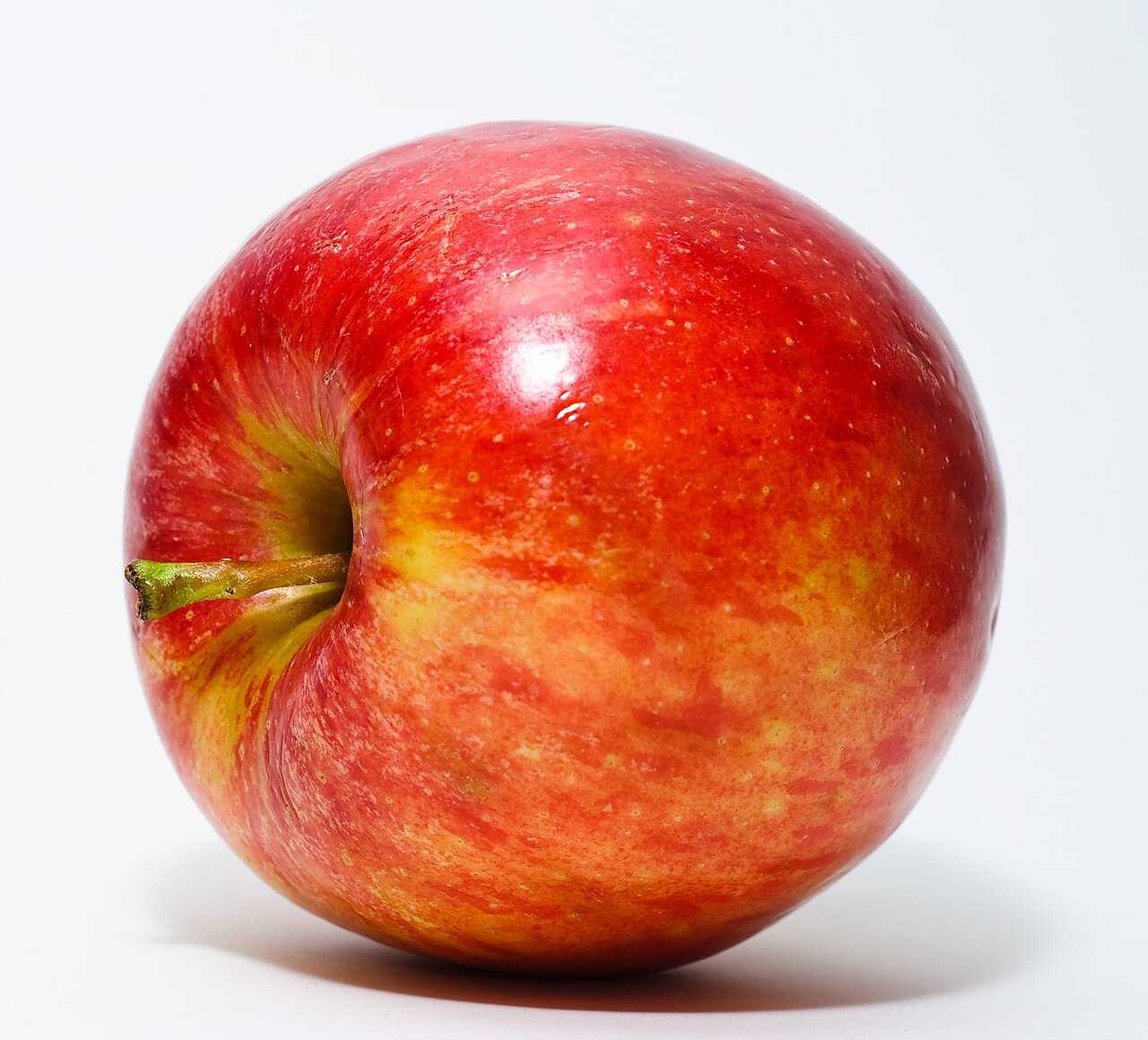
The seven on the list: apple peel, with fibre, flavonoids and polyphenols; pear skin, with fibre and polyphenols, so eating it whole raises total fibre; sweet potato, a source of beta-carotene and fibre, which can be scrubbed and boiled, steamed or baked in its skin; and cucumber, whose green skin carries fibre and vitamin K.
The thin outer layer of carrots also holds fibre and plant compounds, so clean carrots in good condition can be eaten unpeeled. Guava is a good source of vitamin C and fibre, and its skin contains antioxidant compounds. Potato skins add fibre, though most of a potato's potassium and vitamin C sit in the flesh.
There are cautions too. Potatoes that have turned green, taste bitter or have sprouted heavily should be avoided, as they can carry higher levels of harmful glycoalkaloids. If a skin is very tough or bitter, damaged or rotten, or cannot be cleaned properly, it is better to peel it.
Washing well is essential. The US Food and Drug Administration recommends plain running water for cleaning fruit and vegetables, and firm produce can be scrubbed with a clean brush.
Photo: Abhijit Tembhekar / Wikimedia Commons (CC BY 2.0)
Source: Prothom Alo



Comments
(0)