
People with long-term, serious illnesses spend most of the day at home, much of it in bed. Ajker Patrika's features desk has set out rules for keeping their rooms clean and free of germs, based on guidance from the Virginia Department of Health in the United States and Public Health Ontario in Canada.
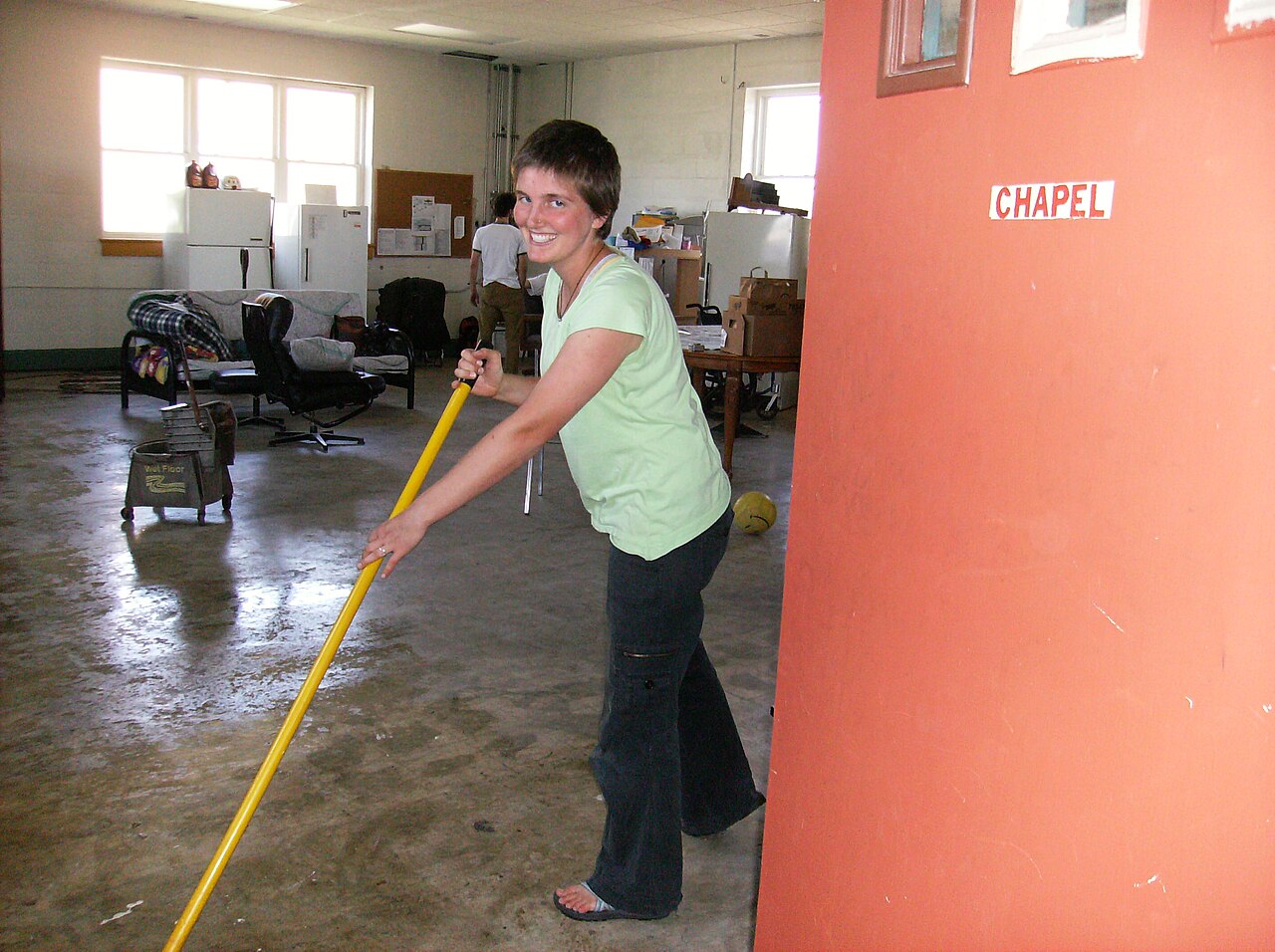
A patient's room should never be closed up or damp. Open the windows in the morning and afternoon to let in light and fresh air, with a thin net or curtain if the outside air is dusty. Do not sweep with a dry broom, which can lift fine dust and germs into the air the patient breathes. Instead, mop the floor at least twice a day with water mixed with disinfectant, and wipe furniture with a slightly damp microfibre cloth.
Surfaces touched often, such as door handles, window latches, light switches, bed rails, the bedside table, the fridge handle and the patient's mobile phone or remote, should be wiped once or twice a day with a disinfectant spray or alcohol wipes.
Change bed sheets, pillowcases and quilts every two to three days. Do not shake used sheets hard, as this spreads germs into the air. The patient's clothes should be washed separately from the rest of the family's, in lukewarm water with detergent, and dried in strong sun.
The fewer things in the room, the easier it is to keep clean: avoid extra carpets, doormats, heavy curtains and ornaments. Fresh flowers and indoor plants are best kept out, as pollen and fungi in potting soil can raise the risk of allergy and infection. Nebulisers, oxygen concentrators, blood pressure monitors and wheelchairs should be wiped after each use, and used tissues, gauze, bandages and nappies should go into a lidded bin emptied every day.
Whoever cleans the room or cares for the patient should wear disposable gloves and a mask. If strong-smelling chemicals or bleach are used, air the room well before the patient returns, and wash hands with soap after taking the gloves off.
Photo: Artaxerxes / Wikimedia Commons (CC BY-SA 3.0)
Source: Ajker Patrika



Comments
(0)