
Winter asks more of a garden. Plants used to warm weather are most at risk when the temperature drops suddenly: seedlings, tropical plants and other sensitive species can dry out in cold wind, their leaves can develop black, burn-like spots, the plants wilt and even the roots can be damaged. The Kolkata daily Ei Samay set out a few simple rules that keep a garden healthy through the cold months.
The first is to prepare before the cold arrives. When the forecast points to a sudden fall in temperature, water the soil lightly the afternoon before, not the leaves. Moist soil holds more heat than dry soil, so the roots stay a little warmer through a cold night. Extra fertiliser is best avoided now, because it pushes out soft new leaves and shoots that are easily damaged by cold.
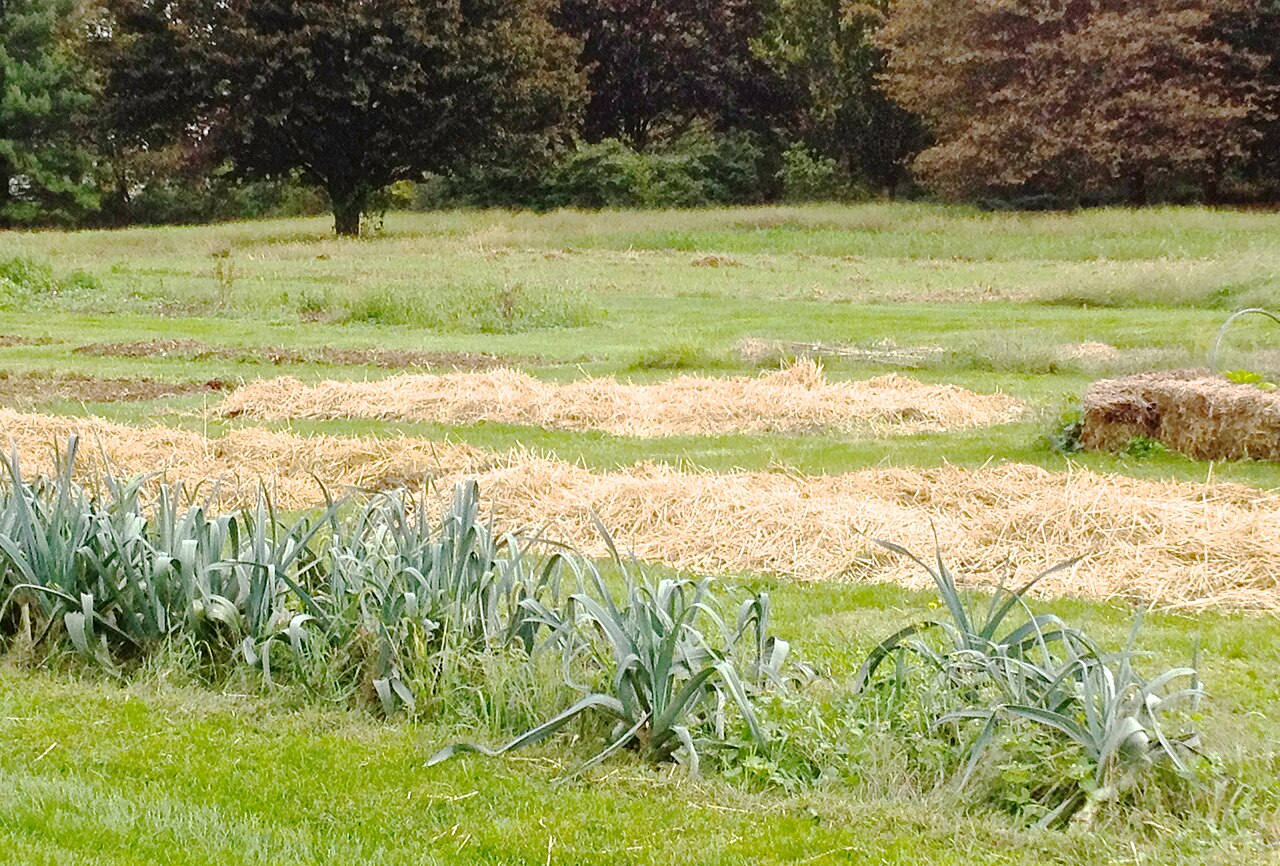
The second is to mulch around the base. A layer of dry leaves, straw, shredded bark or cocopeat spread around the plant helps hold the soil's temperature; about 2-4 inches is enough. The mulch should not be heaped against the stem, where trapped moisture can start rot.
Third, cover sensitive plants before sunset on cold nights. An old sheet, a sack or a purpose-made frost cloth will do, held down at the edges with bricks or stones. If plastic is used, it should not touch the leaves directly. The cover comes off once the morning sun is up.
Fourth, move pots to shelter as it gets colder: indoors, onto a covered balcony or beside a warm wall. Pots that cannot be moved can be grouped together so that they shield one another from the wind, and set on bricks to keep them off a cold floor. Indoor plants do best where there is light but no direct draught from gaps in windows and doors.
Fifth, water less. Plants grow slowly in winter and the soil dries late, so daily watering is not needed; check the moisture and water only when required, since too much water can rot the roots.
The report was written by Sayam Krishna Deb of Ei Samay.
Photo: Final4one / Wikimedia Commons (CC BY-SA 3.0)
Source: Ei Samay


Comments
(0)