
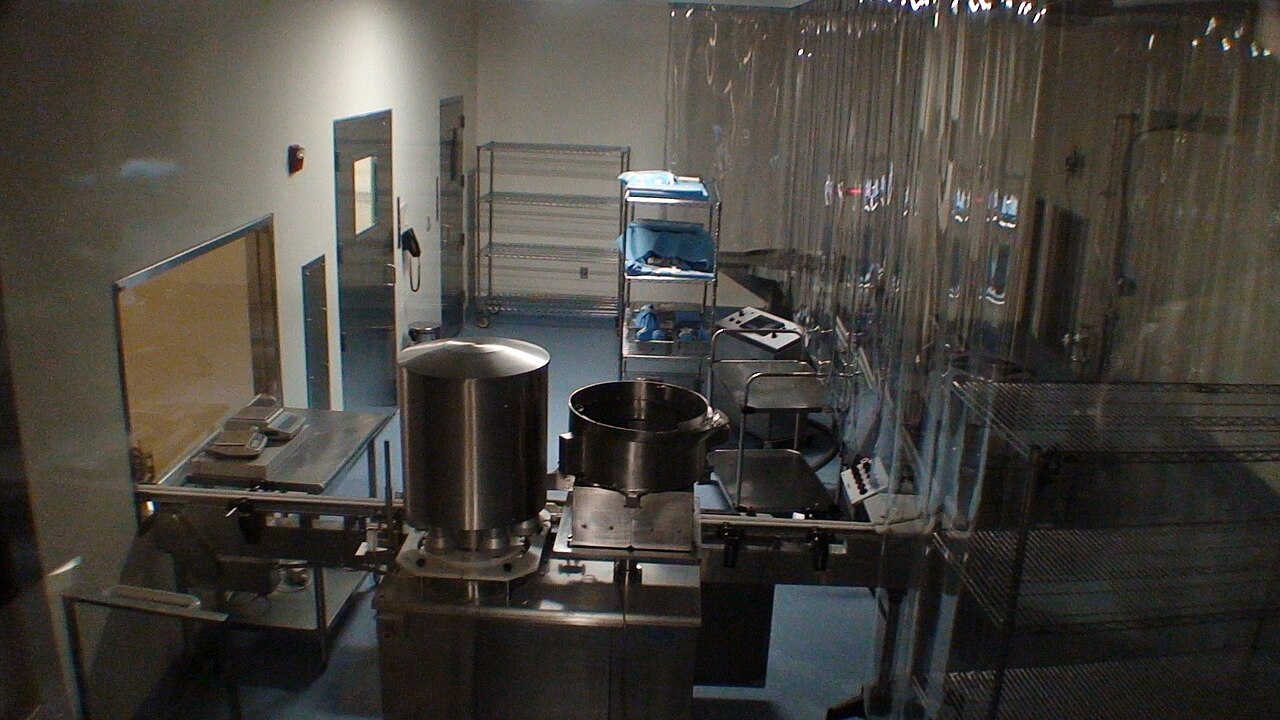
The Institute of Public Health (IPH), which once exported vaccines to countries across Asia, plans to return to vaccine production after nearly fifteen years. The institute, under the health ministry, is moving to take up a Tk 116 crore project to make rabies vaccine first. To do so it will need a new building, equipment, skilled staff and production approval, according to the final part of a three-part Dhaka Post series.
The institute could once make six kinds of vaccine, including smallpox, cholera, typhoid, rabies and tetanus. According to the 1975 Dhaka District Gazetteer, IPH was founded in 1954. Smallpox vaccine production began in 1958 and stopped in 1978 on the advice of the World Health Organization; two years later the WHO declared smallpox eradicated.
Cholera, typhoid and paratyphoid vaccines, also made from 1958, were stopped in 1997 on WHO advice, as newer technology had made the old methods obsolete. Tetanus vaccine was made from 1978 to 2004; diphtheria vaccine began in 1978 but stopped in 1987 for lack of demand in the Expanded Programme on Immunisation (EPI). Rabies vaccine, made from 1972, continued until 2011, since when IPH has produced no vaccine at all. Vaccines for the EPI and other programmes are now imported.
The building where vaccines were made is now used for administration, and no equipment remains. In a 2021 letter to the health ministry, the institute said its physical infrastructure was unfit, some of it was in other use, equipment had been ruined by years of disuse, and some machines were unsuited to modern vaccine production.
Experts blame neglect, short-sightedness, irregularities and a lack of skilled staff for the end of production. Given the strength of the country's pharmaceutical industry, they say, a return to vaccine making is possible, but it needs long-term planning, modern technology and skilled people. IPH was once the main supplier of low-cost saline, blood bags and life-saving vaccines; with public production stopped, those markets are now in the hands of private firms and importers, and patients bear the cost.
Photo: Peter grotzinger / Wikimedia Commons (CC BY-SA 3.0)
Source: Dhaka Post

Comments
(0)