
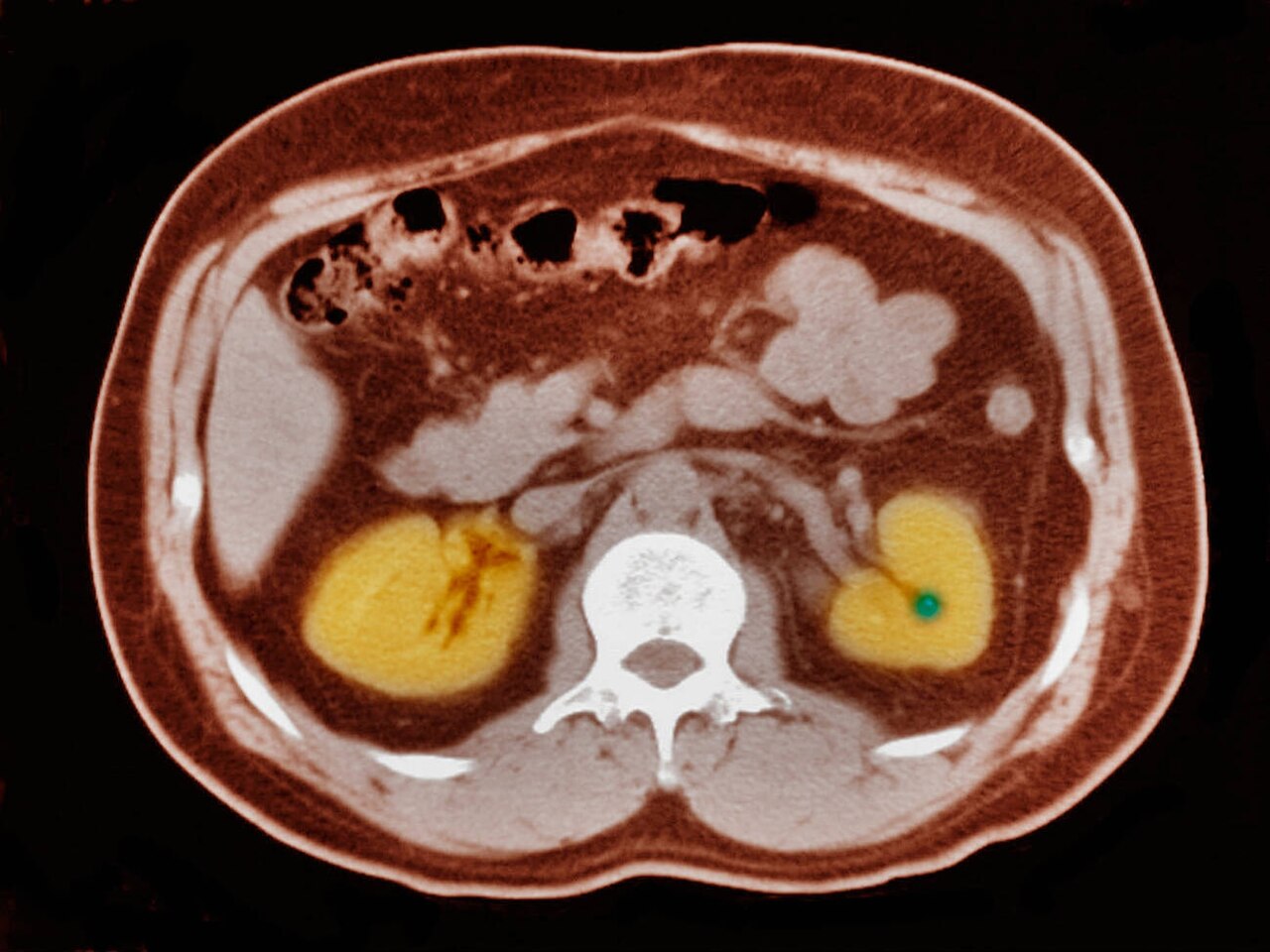
A new drug called daraxonrasib has shown promising results in an early-stage trial in pancreatic cancer that has spread to other parts of the body. Of 61 patients who took it daily alongside chemotherapy, tumour growth stopped in about 90 per cent, tumours shrank or disappeared in just over 60 per cent, and in about 12 per cent CT scans detected no cancer.
Cancer Research UK called the results the biggest advance in pancreatic cancer treatment in decades. Its doctor Sam Godfrey told the BBC the drug points to a solution to a problem long thought almost impossible to control with medicine.
Daraxonrasib is a targeted cancer drug. It acts on a specific genetic change called RAS, found in most pancreatic cancers, which drives tumour growth and spread. The same change occurs in several other cancers, including lung and ovarian cancer, so the drug may in future help treat those too.
Patients in the study were followed for a year and a half on average, and in some the cancer did not return in that time. Wungki Park, a doctor at Memorial Sloan Kettering Cancer Center in the United States, said the results point to a stronger effect on tumours and nearly double the time the disease is kept in check. Professor Elena Garralda, president of the conference where the results were presented, said the combination could lengthen both overall survival and the time before tumours start growing again.
Pancreatic cancer is very hard to treat. In the United Kingdom it has the lowest survival of the common cancers; chemotherapy can shrink tumours for a while, but the cancer often spreads again, and most patients with advanced disease live months rather than years.
Doctors caution that it is not yet known how long the drug can hold the disease back, and that it is not a cure. A clear scan does not mean a patient is free of cancer; long-term follow-up and further research are needed.
Photo: Goleisureintl / Wikimedia Commons (CC BY 4.0)
Source: Amar Desh


Comments
(0)