
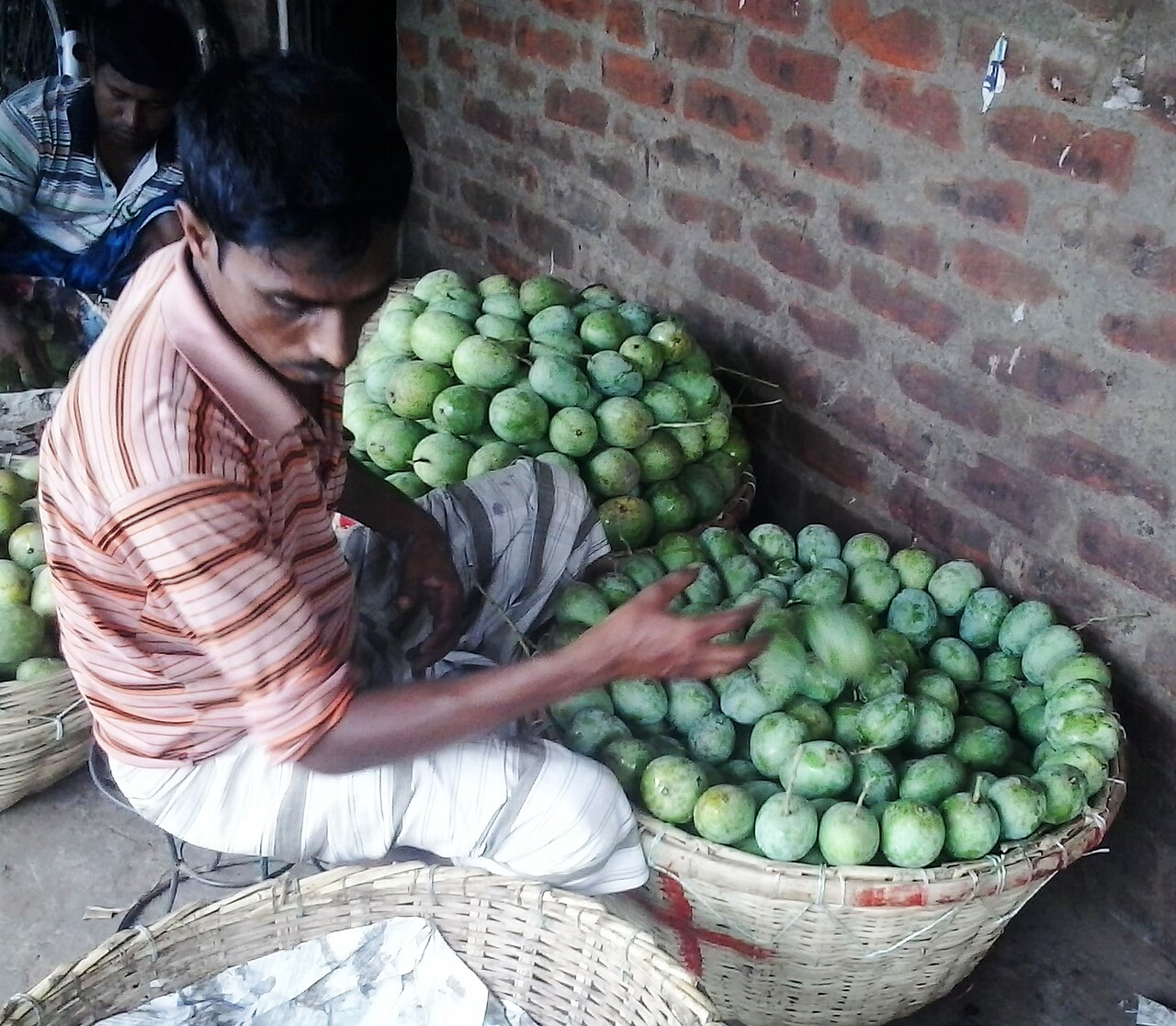
Indonesia's embassy in Dhaka would give mango growers in Chapainawabganj full support if they wanted to send their fruit to Indonesia, and would also help with mango processing, the country's ambassador said. Ambassador Arif Soyuku made the offer on Tuesday, 1 July 2025, while visiting Chapai Agro Industries at Maharajpur in Chapainawabganj Sadar, and later toured mango orchards in the district's Shibganj upazila.
The ambassador said Chapainawabganj's mangoes were renowned around the world and that Indonesia wanted to work with the fruit grown there. Whether exports went ahead, however, depended on the traders: if they wished to send mangoes to Indonesia, he said, the embassy would provide every kind of help. The two sides discussed Chapai Agro's ongoing projects and its future plans, and both expressed optimism about the many uses of mangoes and the prospects for mango exports.
Accompanying the ambassador was Robbi Ferli Harkha, third secretary at the Indonesian embassy in Dhaka. On the company's side were its chairman, Jesmin Akter, described as a woman entrepreneur, and its managing director, Md Shafikul Islam, an industrial entrepreneur. After the meeting the ambassador visited several mango orchards in Shibganj, the upazila that grows more of the district's mangoes than any other.
The ambassador's programme, taking in both a processing plant and the orchards that supply it, reflected an interest across the mango value chain, from the fruit on the tree to the products made from it. Such visits by foreign missions to agro-industries are one of the ways trade links are explored, though any actual export deal would rest with the companies and growers involved.
Chapainawabganj: the capital of mango
Chapainawabganj is a border district in Rajshahi Division and the westernmost district of Bangladesh. It covers about 1,702 square kilometres and had a population of roughly 1.83 million at the 2022 census. Its two main rivers are the Padma (Ganges) and the Mahananda, and to the north and west it is bounded by the Malda and Murshidabad districts of West Bengal in India. Administratively the district has five upazilas: Shibganj, Nachole, Gomastapur, Bholahat and Chapainawabganj Sadar. It was carved out of the greater Rajshahi region and made a separate district in 1984, and much of it lies on the dry, slightly raised Barind Tract.
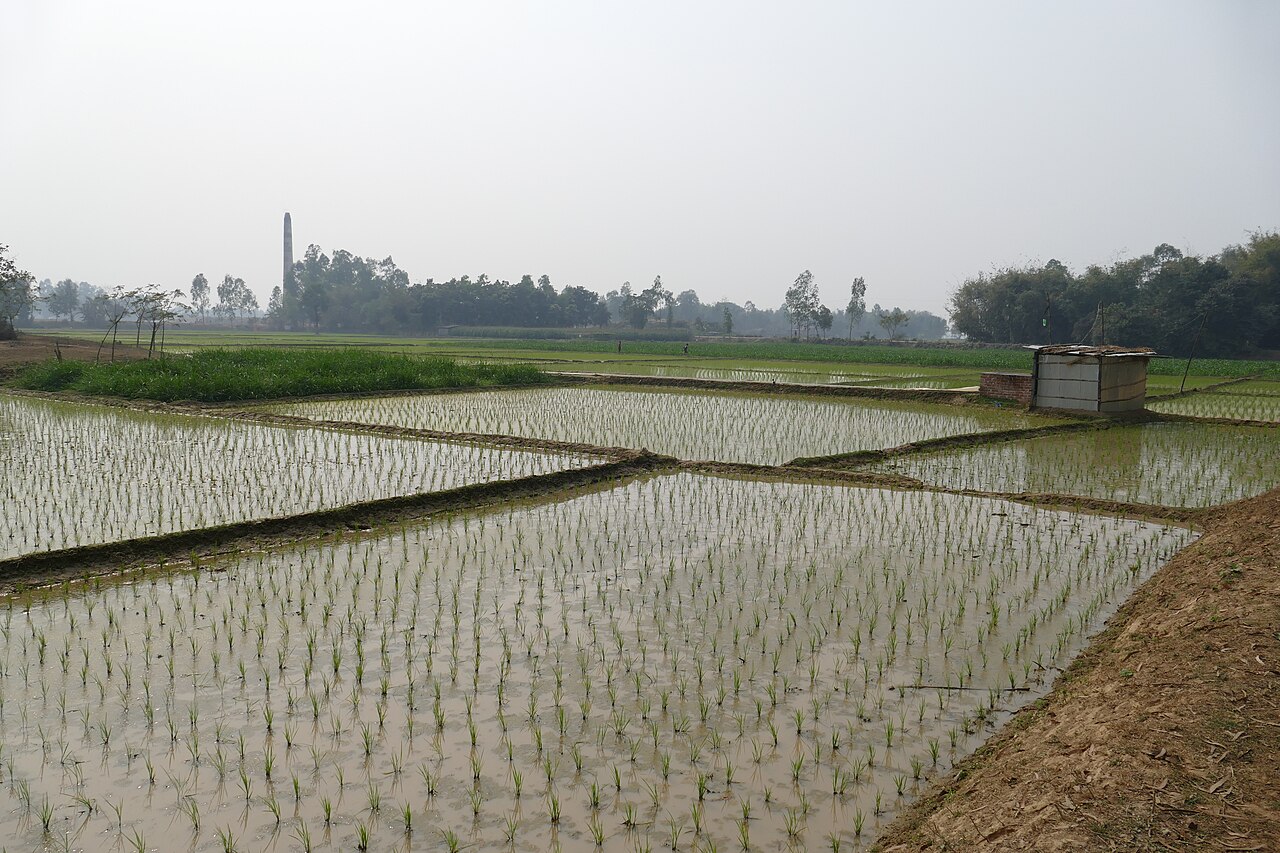
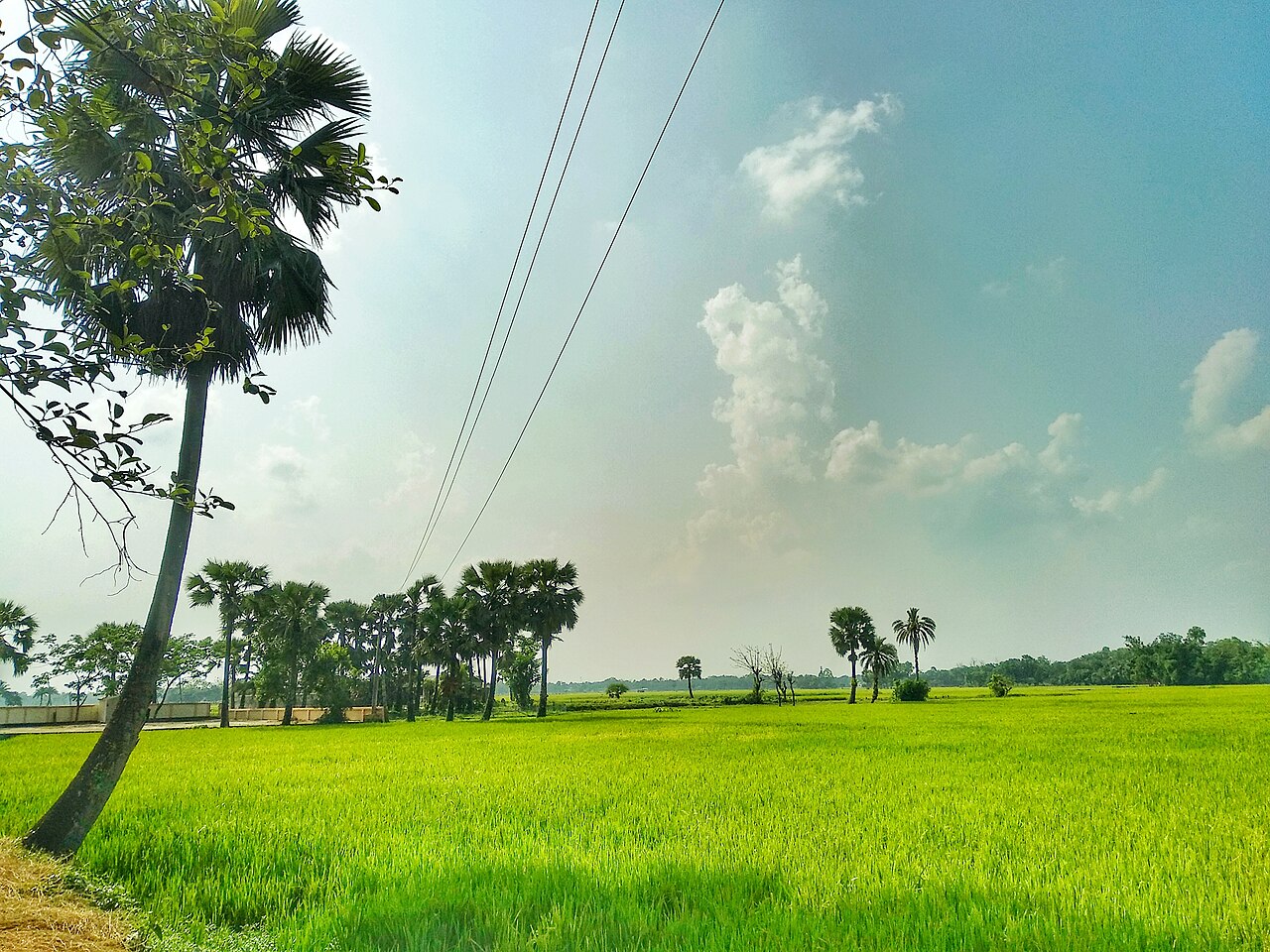
It is mango that has made the district famous, so much so that Chapainawabganj is called the capital of the mango in Bangladesh. Orchards cover much of its land, and within the district Shibganj, Bholahat and Gomastapur are the main production areas. Rice is the main crop on the higher Barind land, and the Padma basin grows rice, wheat and melons, but mango is the backbone of the local economy.
Every summer the mango season supports the livelihoods of large numbers of people across the district, from growers to basket-makers, wholesalers, labourers and transport workers. Picking, sorting, packing and carrying the fruit each create work, so a good or poor crop is felt by a large share of the district's households.
How much mango Bangladesh grows
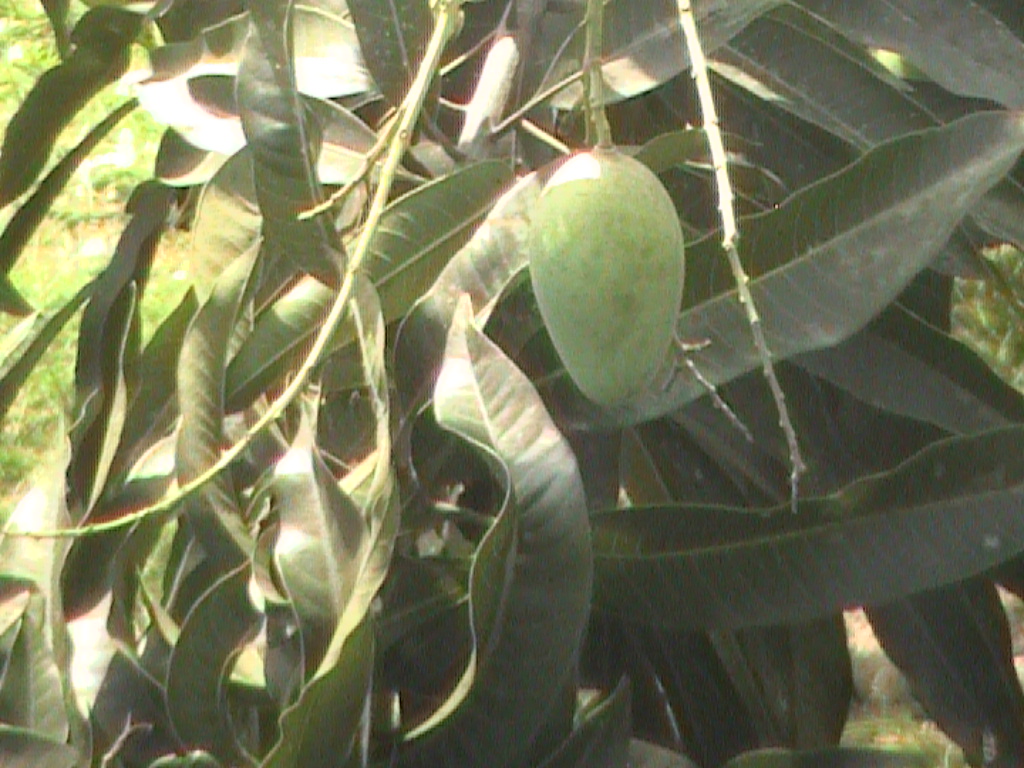
In Bangladesh mango is more than a crop. The mango tree (scientific name Mangifera indica) was designated the national tree of Bangladesh in 2010, and the mango is the national fruit of several countries, including India, Pakistan and the Philippines. Mangifera indica is an evergreen tree of the family Anacardiaceae that can grow to about 30 metres, and this region, including eastern India, Assam and Myanmar, is considered its original home. In Bangladesh the trees flower mainly between January and March, and fruit setting can be badly hurt by fog, untimely rain or cloudy weather during those months, so poor weather at flowering time can cut the season's crop.
According to the national encyclopedia Banglapedia, Bangladesh has close to a hundred mango cultivars, among them superior varieties such as Fazli, Langra, Gopalbhog, Himsagar, Khirsapat, Ashwina, Lakshmanbhog and Misribhog, alongside local seedling or guti mangoes. Traditionally the greater Rajshahi and Dinajpur regions have been the main mango-growing areas. Production has risen sharply: Banglapedia records that the country grew about 640,000 tonnes in 2005-06, while in recent years annual output has stood at roughly 2.5 million tonnes, placing Bangladesh among the world's leading mango producers.
There has also been progress in varieties. The Bangladesh Agricultural Research Institute (BARI) has released about eleven mango varieties. Among them Amrapali (BARI Aam-3), released in 1996, is now the most popular: researchers say about one in every four mangoes grown in the country is now of the Amrapali variety. The BARI-4 variety was developed by crossing the local Ashwina with a hybrid from a Florida variety. New varieties and the spread of orchards through grafted saplings have been a big part of the rise in production.
Globally, mango is grown across the tropics and subtropics, and India is by far the largest producer, accounting for roughly 40 per cent or more of the world's mangoes, with China and Thailand among the next largest growers. India is not the leading exporter, however; Mexico leads the fresh-mango export trade. Bangladesh, despite its large harvest, sends abroad only a small fraction of what it grows, and it is that gap between what is grown and what is exported that the ambassador's visit spoke to.
Khirsapat and the district's prized varieties
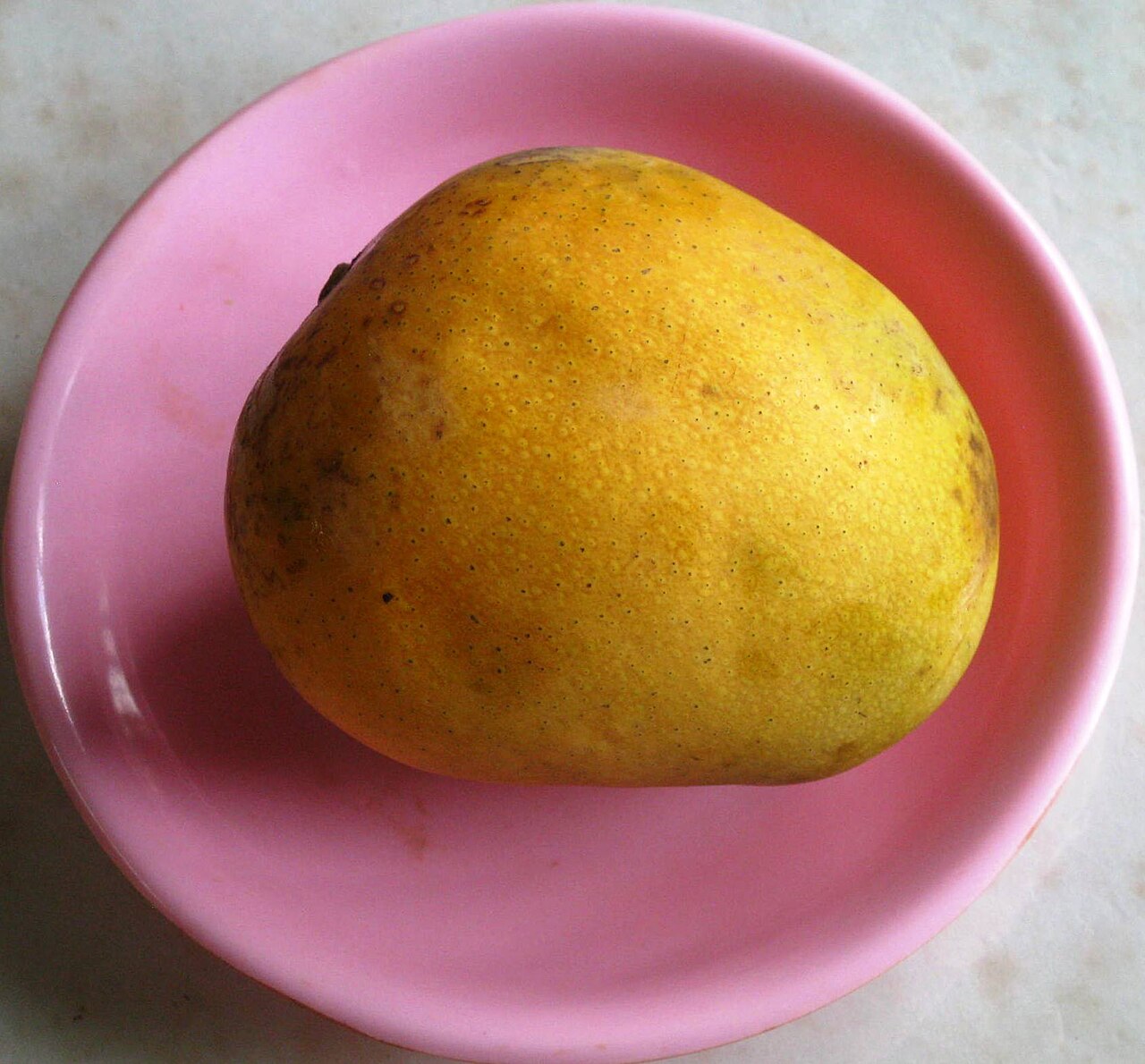
Chapainawabganj's most celebrated mango is Khirsapat, also known as Himsagar. It is grown commercially in five upazilas of the district, with Shibganj the largest producer. Chapainawabganj is reported to grow about 35,000 tonnes of Khirsapat a year from some 3,400 hectares. Medium-sized and round, the fruit is fibreless, juicy, aromatic and sweet, its upper part turning yellow as it ripens. Khirsapat begins to ripen in early summer, with the peak harvest between 7 and 30 June, and ripe fruit keeps at home for six to eight days.
After Khirsapat, the district's best-known varieties are Gopalbhog, Langra, Himsagar, Fazli and Ashwina. Because these ripen at different times, the district's mango season stretches from May into August: Gopalbhog and Khirsapat early, Langra and Fazli in the middle, and the late-ripening Ashwina at the end. This succession, early to late, keeps fresh mangoes on the market for a long stretch, which matters for both processing and export.
Each of the district's varieties has its own character. Gopalbhog, an early mango, is small and sweet; Langra, named after a place of the same name across the border, is greenish and fibreless; Himsagar and Khirsapat are closely related names for the aromatic early-season favourite; Fazli is a very large, late mango; and Ashwina, the latest of all, is more acidic and is often used for juice and processing rather than eaten straight from the hand. This range, from dessert mangoes to processing varieties, gives the district something to offer different kinds of buyers.
A geographical indication and why it matters
A geographical indication, or GI, is a sign used on products that have a specific geographical origin and qualities or a reputation owing to that origin. In Bangladesh such tags are issued by the Department of Patents, Designs and Trademarks (DPDT). Khirsapat mango was the country's third GI product. The first was the Jamdani sari, whose certificate was issued in 2016, and the second was the hilsa (ilish) fish, recognised in 2017. BARI applied to the DPDT for the Khirsapat tag in February 2017, and the certificate was formally handed over on 27 January 2019.
A GI tag ties a product's name to its place of origin and can help protect and promote it in both home and export markets, giving buyers an assurance of authenticity. For Chapainawabganj, where Khirsapat is grown, the recognition reinforced the district's identity as the source of one of the country's best-known mangoes, the very reputation the ambassador invoked when he said the district's mangoes were renowned around the world.
Khirsapat was also the first fruit to earn a GI tag in Bangladesh, coming after a textile and a fish. For an export-minded district, such recognition is useful branding abroad, where a named origin can set a product apart and guard against others passing off ordinary fruit under a famous name.
Kansat and the mango trade
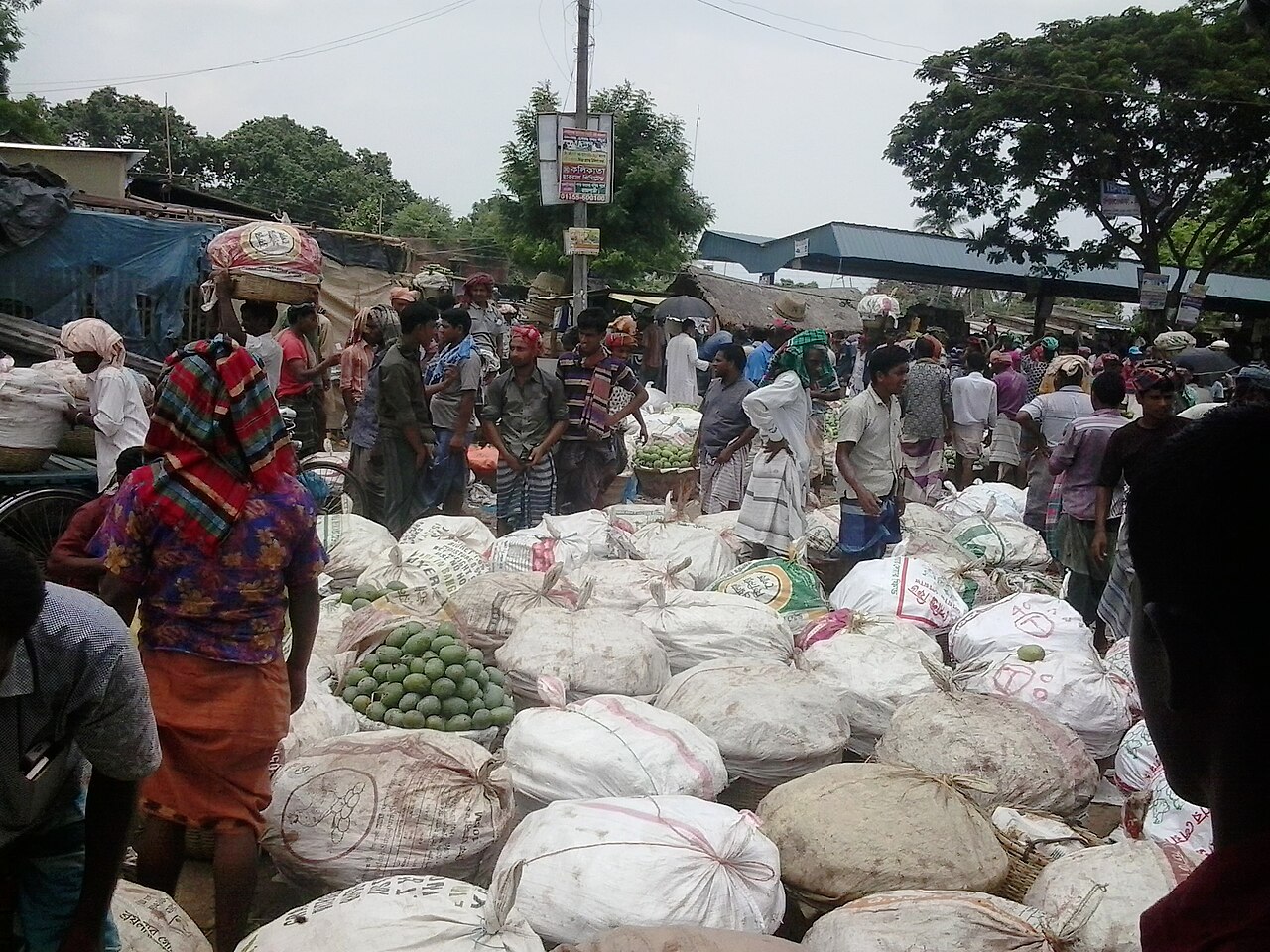
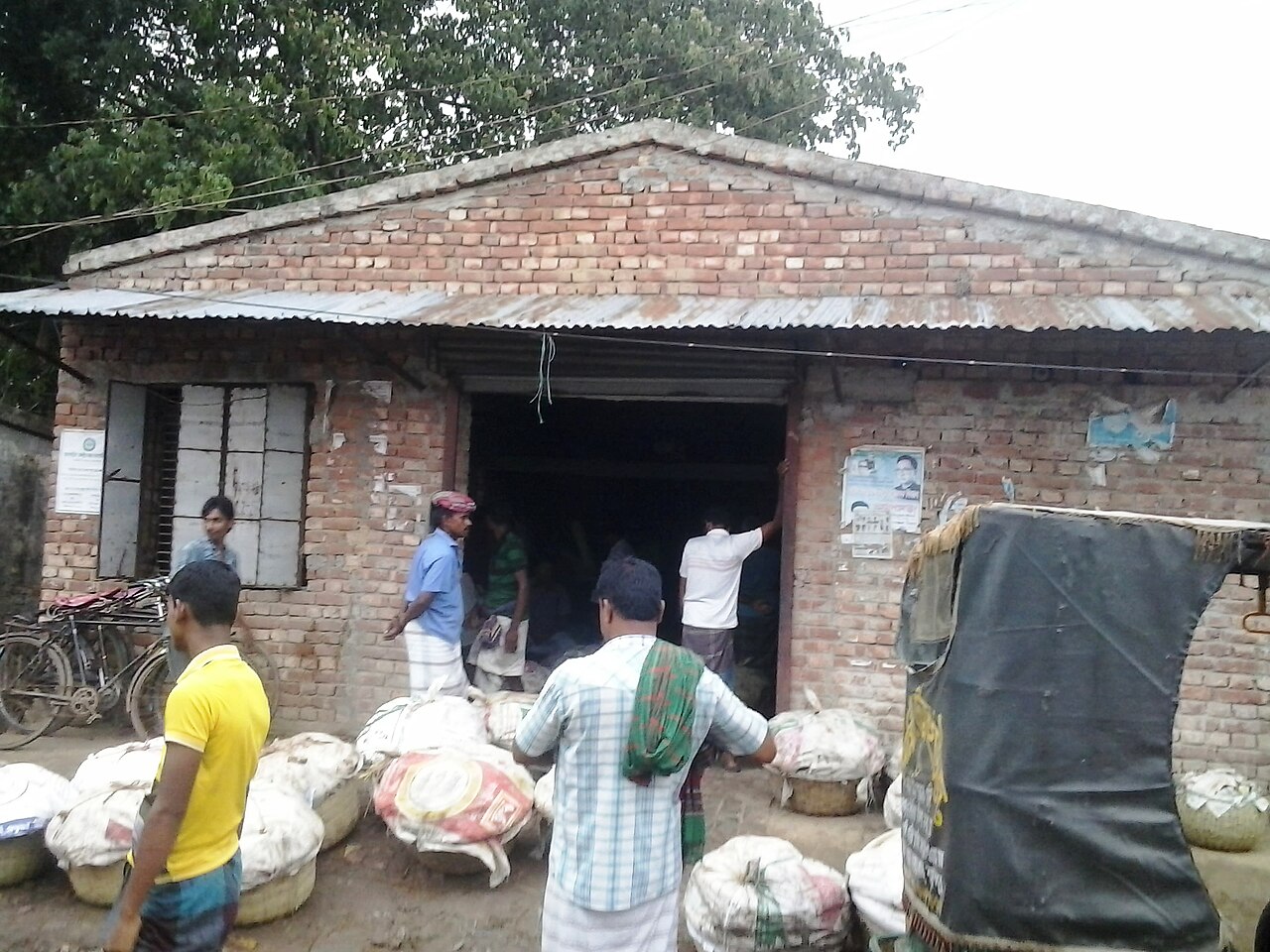
In the mango season the hub of the district's trade is Kansat market in Shibganj upazila, which many describe as the largest mango market in the country. Besides Kansat, mangoes pour into markets such as Rohonpur in Gomastapur from early morning, carried on bicycles, vans and trucks; wholesale depots, known locally as arots, handle the buying and selling, and from there the fruit spreads to Dhaka and the rest of the country. Through the season the district's economy revolves around these markets.
To make it easier and cheaper to move mangoes from the northwest to the capital, Bangladesh Railway introduced a special 'Mango Special Train' in the mango season from 2020, carrying the fruit from Chapainawabganj and Rajshahi to Dhaka at low cost. Distance, rapid perishability and transport costs are major challenges in marketing mangoes; because fresh fruit keeps for only a few days, storage, cold chains and fast transport play a large role in the trade.
To keep immature fruit off the market and curb artificial ripening, the region's administration announces a mango harvesting calendar before each season, fixing the earliest date on which each variety, from the early Gopalbhog to the late Ashwina, may be picked; growers whose fruit ripens sooner may harvest after informing the local administration. The calendar is meant to protect the reputation of the region's mangoes, the very reputation that draws buyers at home and abroad.
Bangladesh's mango exports
Bangladesh is a big producer of mangoes but still a small exporter. In June 2024 the agriculture minister said the country was then exporting mangoes to 38 countries, but that annual exports amounted to only about 3,000 tonnes. By his account, exports were 1,757 tonnes in the 2021-22 fiscal year and rose to 3,100 tonnes in 2022-23. Against annual production of roughly 2.5 million tonnes, that export volume is tiny, far below one per cent of what the country grows.
The minister said Bangladesh had the potential to export hundreds of thousands of tonnes of mangoes a year. Historically its shipments have gone mostly to markets with large South Asian communities and to the Gulf and Europe. The barriers are as much about quality as volume: importing countries require fruit free of fruit-fly infestation and within pesticide-residue limits, which calls for treated fruit, well-managed orchards and reliable certification.
Sending surplus fresh fruit is not enough; building a steady supply that meets those standards, using modern processing such as hot-water or vapour-heat treatment, is what would let the country move from a few thousand tonnes toward the far larger figures officials talk about. That is why the ambassador's offer of help with mango processing matters to the district's growers and entrepreneurs.
Mango exports have grown over the years but remain small against the harvest. Extension officers train growers in orchard management and safe handling for export, yet officials and exporters have long argued that the country needs dedicated export orchards, better packing houses and treatment facilities if it is to scale up and hold on to demanding foreign buyers.
Indonesia as a market
Indonesia is itself a large mango producer. Studies of the Indonesian mango sector describe the country as the world's sixth-largest mango producer, with between three and five per cent of global output depending on the year. Yet it exports little: only about 1,000 tonnes of fresh mangoes a year, around 0.1 per cent of its production. Most of Indonesia's mangoes are eaten at home.
Indonesia is the world's fourth most populous country, with more than 270 million people, so its domestic market is vast. It is one of Southeast Asia's largest economies and a founding member of the regional bloc ASEAN. Despite growing large quantities of mango itself, a rising middle class and a strong culture of eating fresh fruit make it a sizeable consumer market. In 2022 the country's then president called for mango output to be expanded to meet both domestic and export demand, noting that domestic production was still not enough to meet export needs.
Interest from the embassy of such a country in importing and processing mangoes points to a possible new market for Chapainawabganj's growers and entrepreneurs. For a Bangladeshi mango to enter that market, however, it would have to meet Indonesia's own import and quarantine rules, which is part of why the ambassador tied his offer to help with processing as well as with export. He was clear during his visit that whether exports happened would depend on the traders' own decisions.
Processing and the many uses of mango
The second part of the ambassador's offer concerned help with mango processing. Almost all of Bangladesh's large mango crop is sold fresh, yet mangoes are highly perishable and the season is short. Processing is one way to hold the value of the fruit beyond the season. Mangoes are turned into pulp, juice, squash, jam, jelly and pickle, as well as dried mango or fruit leather; green mangoes are dried and ground into mango powder (amchur). These products keep for a long time and are relatively easy to send to distant markets.
Fresh mango is rich in vitamin C and a source of vitamin A, yet it is valued above all as a table fruit, which is why so little of the crop is processed. But processing opens markets that fresh fruit cannot reach: pulp and juice can be stored and shipped year-round, dried mango and amchur travel easily, and fruit that would otherwise be wasted in a glut can be turned into saleable products.
Processed mango products already travel further than the fresh fruit. Bangladeshi agro-processors sell mango juice and drinks at home and abroad, and demand for pulp and concentrate links growers to buyers beyond the short fresh-fruit window. A tie-up on processing, of the kind the ambassador offered, could widen that channel for Chapainawabganj's fruit.
Agro-based industries such as Chapai Agro Industries do exactly this work of adding value, turning orchard produce into processed goods. During the ambassador's visit both sides discussed the many uses of mangoes and expressed optimism about the export prospects for processed mango products. In a country that grows millions of tonnes but sells almost all of it fresh in a short season, building processing capacity is widely seen as the route to steadier returns for growers.
Photo: Ferdous / Wikimedia Commons (CC BY-SA 4.0)
Sources: Jagonews24; Banglapedia; Dhaka Tribune; Wikipedia; USDA; research reports on the Bangladesh Agricultural Research Institute (BARI) mango varieties
Comments
(0)