
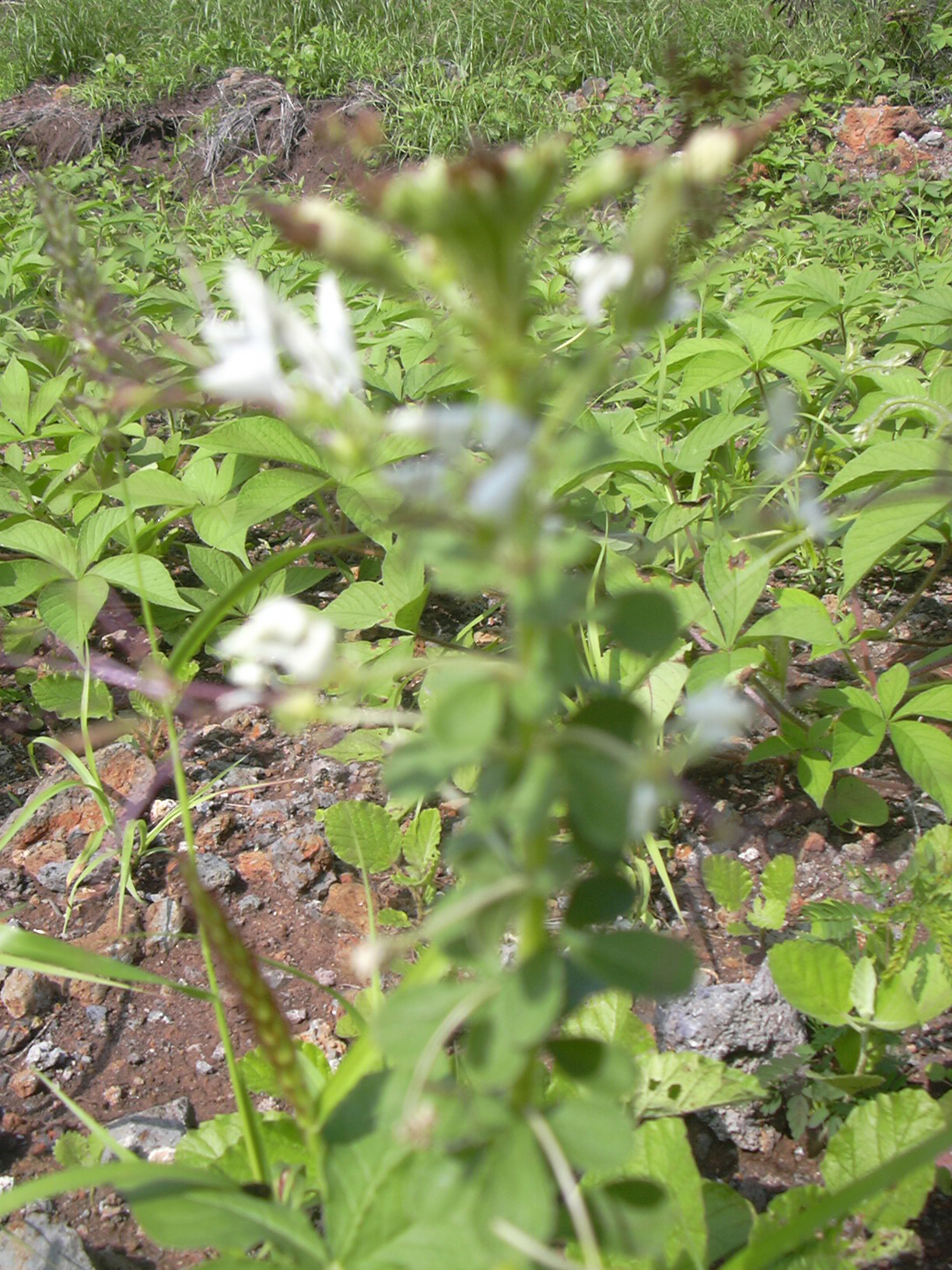
As El Niño brings hotter weather and erratic rain to Southern Africa, staple crops such as maize face heavy losses. Researchers at South Africa's Agricultural Research Council (ARC) argue that indigenous leafy vegetables, which need little water and few inputs, can keep smallholder households fed and earning when other crops fail.
The article is by Lindiwe Khoza, Nkamoheng Lecholocholo, Princess Mngomezulu, Abe Gerrano and Mariette Truter of the ARC; Food for Mzansi notes that the views are the authors' own. They write that El Niño years cut yields, deepen water shortages and push up food prices, and that rain-fed smallholders with few resources are hit hardest.
Indigenous leafy vegetables are species local communities have grown and eaten for generations. Having evolved under local conditions, they carry natural tolerance of heat, drought and poor soils, and they grow with minimal inputs, which suits smallholder farms.
The authors single out several crops. Amaranth grows fast, tolerates high temperatures and keeps producing leaves when water is short; it is rich in protein, iron, calcium, fibre and vitamins A and C, and leaves can be picked four to six weeks after transplanting. Spider plant does well in warm conditions, tolerates moderate drought and is high in iron, calcium, magnesium and vitamin A. Cowpea is both a leaf vegetable and a grain crop, one of the most drought-tolerant crops smallholders grow, and it fixes nitrogen in the soil. Jute mallow grows fast in warm weather, and improved varieties of nightshade are increasingly available for home use and sale.
Many of these vegetables, the researchers write, hold more vitamin A, vitamin C, iron, zinc, fibre and plant protein than common exotic vegetables, which matters in rural areas where diets are narrow. They can be sold fresh in local markets, supplied to schools and feeding schemes, or dried for the off-season, and because they cost little to grow, they can bring in income while improving household nutrition. ARC and government researchers are working with communities on seed supply, growing methods and consumer awareness, including farmer field days and participatory variety selection at Makhathini.
Simple water-saving practices raise yields further. The authors recommend mulching with dry grass, crop residues or leaves to hold soil moisture and suppress weeds; adding compost or well-rotted manure to improve soil structure and water-holding capacity; collecting rainwater from rooftops in tanks or containers for dry spells; and, where water is available, using drip or bucket irrigation to put water straight at the roots.
Photo: Forest & Kim Starr / Wikimedia Commons (CC BY 3.0)
Source: Food for Mzansi

Comments
(0)