
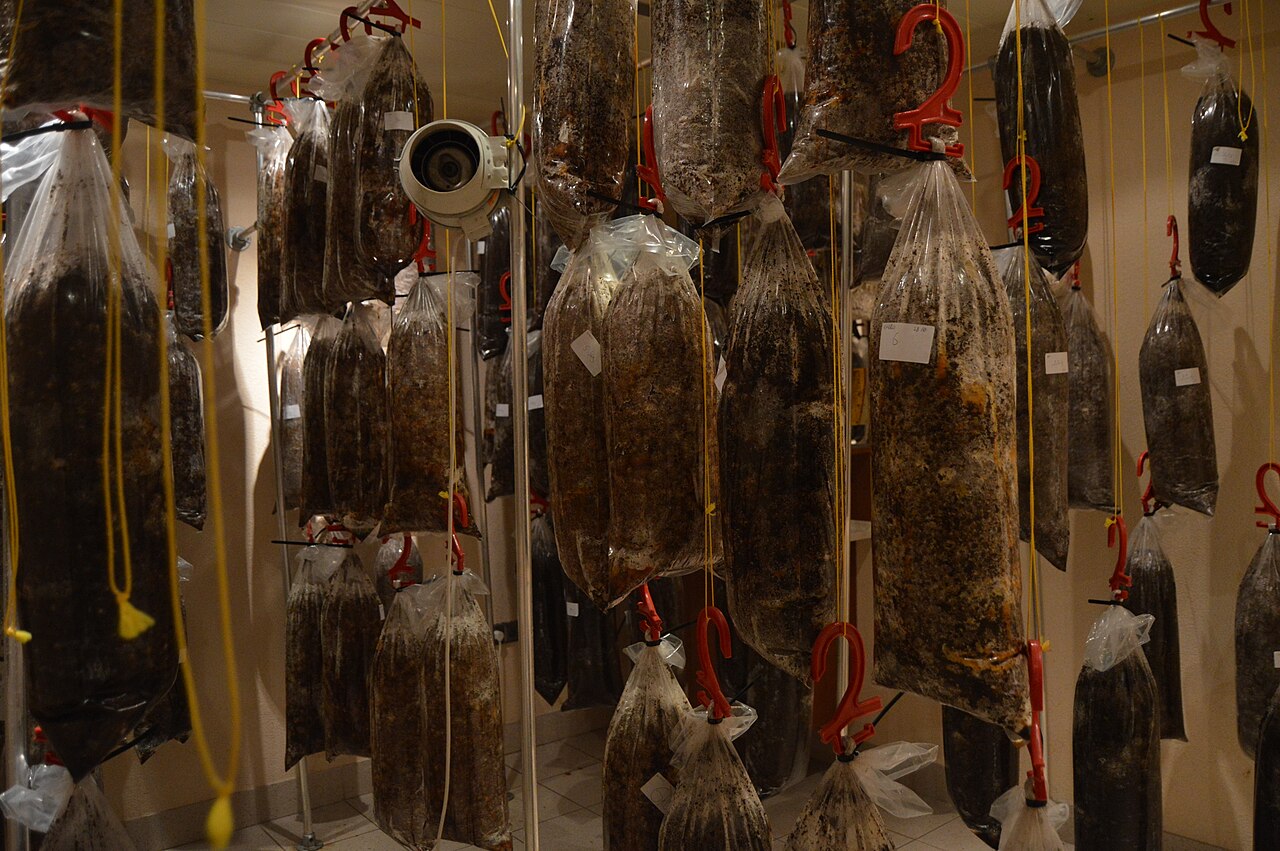
India produced about 347,450 tonnes of mushrooms in 2023-24, around 10 per cent more than the year before, according to the ICAR-Directorate of Mushroom Research, Agriculture Post reported. The growth reflects consumer interest in nutritious food, better cultivation practices and rising demand from hotels, restaurants, supermarkets and food processors.
Mushrooms suit growers with little land. They are raised indoors in small spaces under controlled conditions, in villages, towns and city edges alike, and depending on the variety and climate a grower can run several production cycles a year. That makes the crop attractive to small and marginal farmers, landless households and rural entrepreneurs.
Production has spread well beyond its old centres. The directorate's state-wise figures for 2023-24 put Bihar in the lead at about 39,250 tonnes, followed by Odisha at 35,400 tonnes and Maharashtra at 32,280 tonnes, with Uttar Pradesh at about 27,700 tonnes and Uttarakhand at 27,390 tonnes. Goa, the smallest state, produced about 9,390 tonnes, helped by demand from its hotels, resorts and restaurants.
In Goa, Dr Sangam Kurade, known as the state's 'Mushroom King', has shown what a production-to-market model with vertical farming and processing can do; because mushrooms spoil quickly, packing and distribution matter as much as growing. The state government launched oyster mushroom training in May 2026 under the Chief Minister's Kaushalya Path Scheme, and its horticulture framework offers financial help for production infrastructure.
Women and young people are prominent among the new growers. Anita Devi of Nalanda in Bihar, called the 'Mushroom Mahila', helped spread cultivation among rural women, and her work contributed to Anantpur being recognised as a Mushroom Village. In Guntur, Andhra Pradesh, a young woman named Ruthu moved from waste picking to growing mushrooms after vocational training under the Skill Training for Rural Youth programme, and now produces about eight kilograms a day for a reported monthly income of about Rs 35,000.
Others started small. Anjanaben Gamit, a civil engineer from Tapi in Gujarat, set up an oyster mushroom unit with guidance from a Krishi Vigyan Kendra, and in Dehradun Hiresha Verma grew an experiment of just 25 mushroom bags into a commercial business that employs others. With training, good inputs and market links, the report argues, mushrooms can become an independent source of rural income.
Photo: Livehealthy / Wikimedia Commons (CC BY-SA 4.0)
Source: Agriculture Post (written by BK Jha)
Comments
(0)