
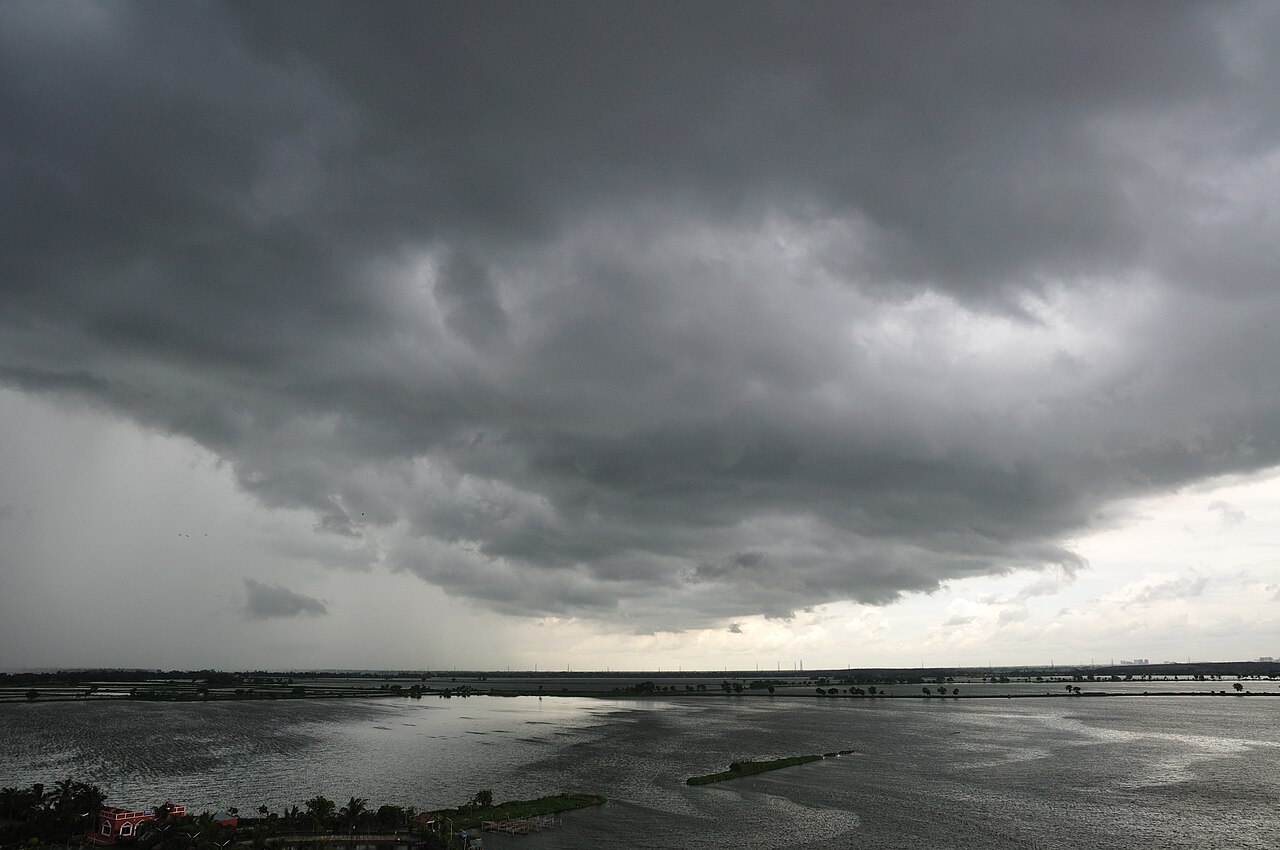
India received 758.5 mm of southwest monsoon rain between 1 June and 29 September 2026 against a normal 865 mm, a deficit of 12 per cent, according to India Meteorological Department (IMD) data compiled by Down To Earth. El Nino was the main reason, but the shortfall was very uneven.
East and northeast India had the largest gap: 1,016.3 mm against 1,361.2 mm, 25 per cent below normal. Meghalaya got 1,075.9 mm against a normal 2,681.6 mm, 60 per cent short, while Manipur was 45 per cent short, Arunachal Pradesh 44, Bihar 32 and Assam 28. Sikkim, Nagaland and West Bengal were slightly above normal.
The south received 539 mm against 710 mm, a 24 per cent deficit, with Karnataka down 30 per cent, Kerala 28, Andhra Pradesh 24, Tamil Nadu 20 and Telangana 17. Northwest India was 6 per cent short overall, though Punjab was down 41 per cent, Haryana 23 and Rajasthan 22 while Uttar Pradesh had 8 per cent more than normal. Central India was almost normal, with Odisha 30 per cent above and Maharashtra 19 per cent below.
By category, 18 states covering 53 per cent of the country's area had normal rain and 14 states covering 39 per cent were deficient; one per cent of the area was severely deficient. On 29 September itself, only 1.5 mm fell nationally against a normal 3.7 mm.
Down To Earth notes that the shortfall and late sowing hurt kharif crops, particularly pulses and coarse grains, and that longer dry spells have increased reliance on groundwater for irrigation, adding to the strain on already stressed aquifers. The report is by Dayanidhi.
Photo: Biswarup Ganguly / Wikimedia Commons (CC BY-SA 3.0)
Source: Down To Earth

Comments
(0)