
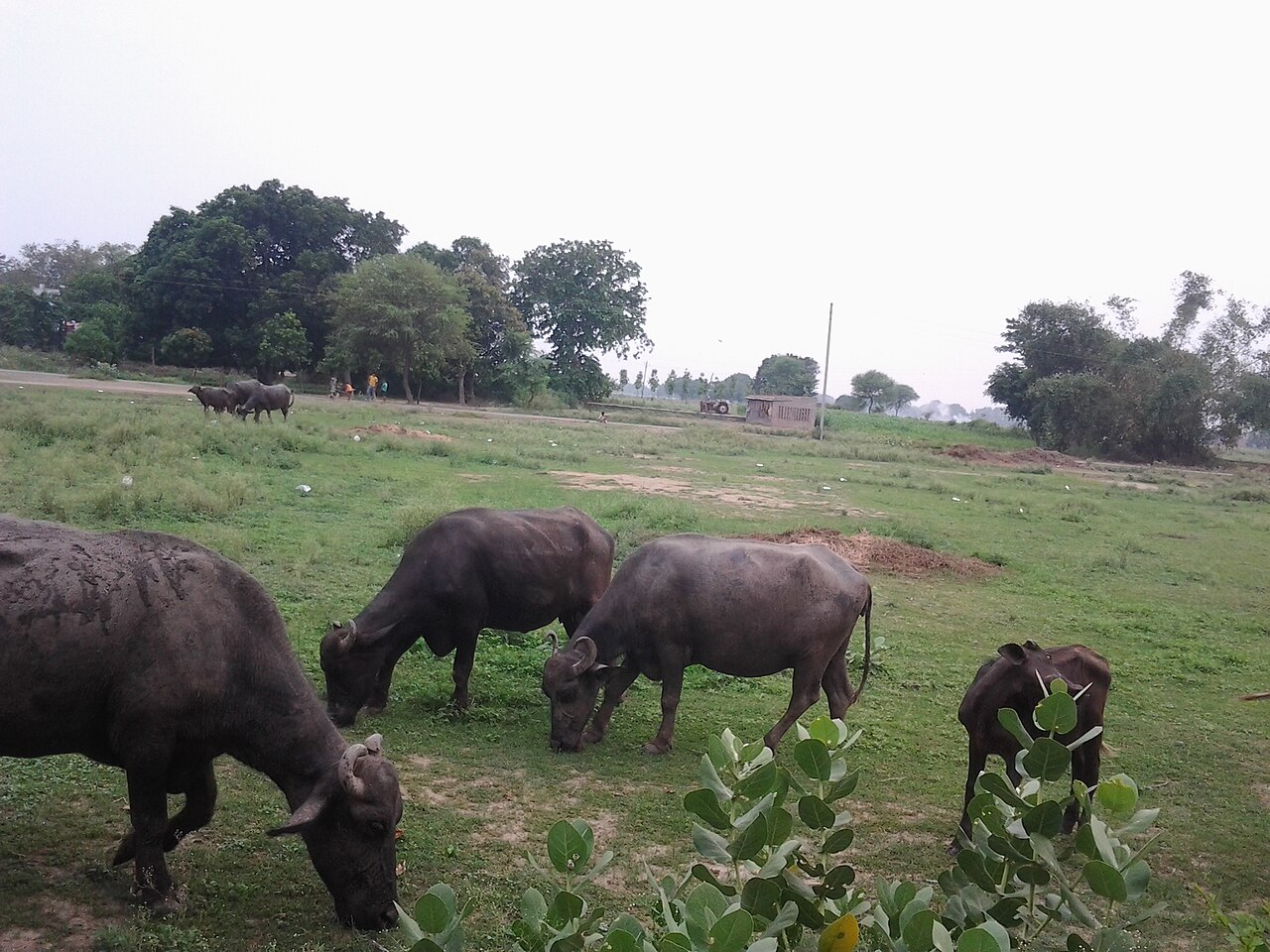
India's exports of livestock products rose 44 per cent year on year to $3.132 billion in the first five months of the 2026-27 financial year, April to August, from $2.177 billion a year earlier, according to Ministry of Commerce trade data. August alone brought in $694 million, 37.1 per cent more than the $506 million of August 2025.
Buffalo meat remained the largest driver, as it has been for several years, supplying markets where beef carries religious or cultural sensitivities that buffalo meat does not. Ghee and skimmed milk powder added support, with demand from the Indian diaspora and from West Asian and Southeast Asian food processors and retailers. Poultry exports showed signs of recovery, but officials said the growth is concentrated in eggs and egg powder; chicken meat remains largely uneconomical to export given India's production costs.
Key destinations include Vietnam, Malaysia, Egypt, Saudi Arabia and the United Arab Emirates, as well as African importers for whom Indian buffalo meat is a cheaper protein than local or European supply.
Full-year livestock product exports reached $6.215 billion in 2025-26, a 22 per cent rise on the year before; if the current pace holds, 2026-27 would comfortably exceed that. The report cautions that feed costs tied to the monsoon, animal health outbreaks and stricter inspections by importing countries could reverse momentum quickly.
India is the world's largest milk producer by volume but lags on output per animal. Industry bodies say quality standards, cold-chain logistics and a shift towards higher-value processed products are the next priorities, and the growth gives the country's roughly 80 million dairy-farming families a stronger case for investing in animal health, breeding and feed.
Photo: Utkarshsingh.1992 / Wikimedia Commons (CC BY-SA 3.0)
Source: Global Agriculture
Comments
(0)