
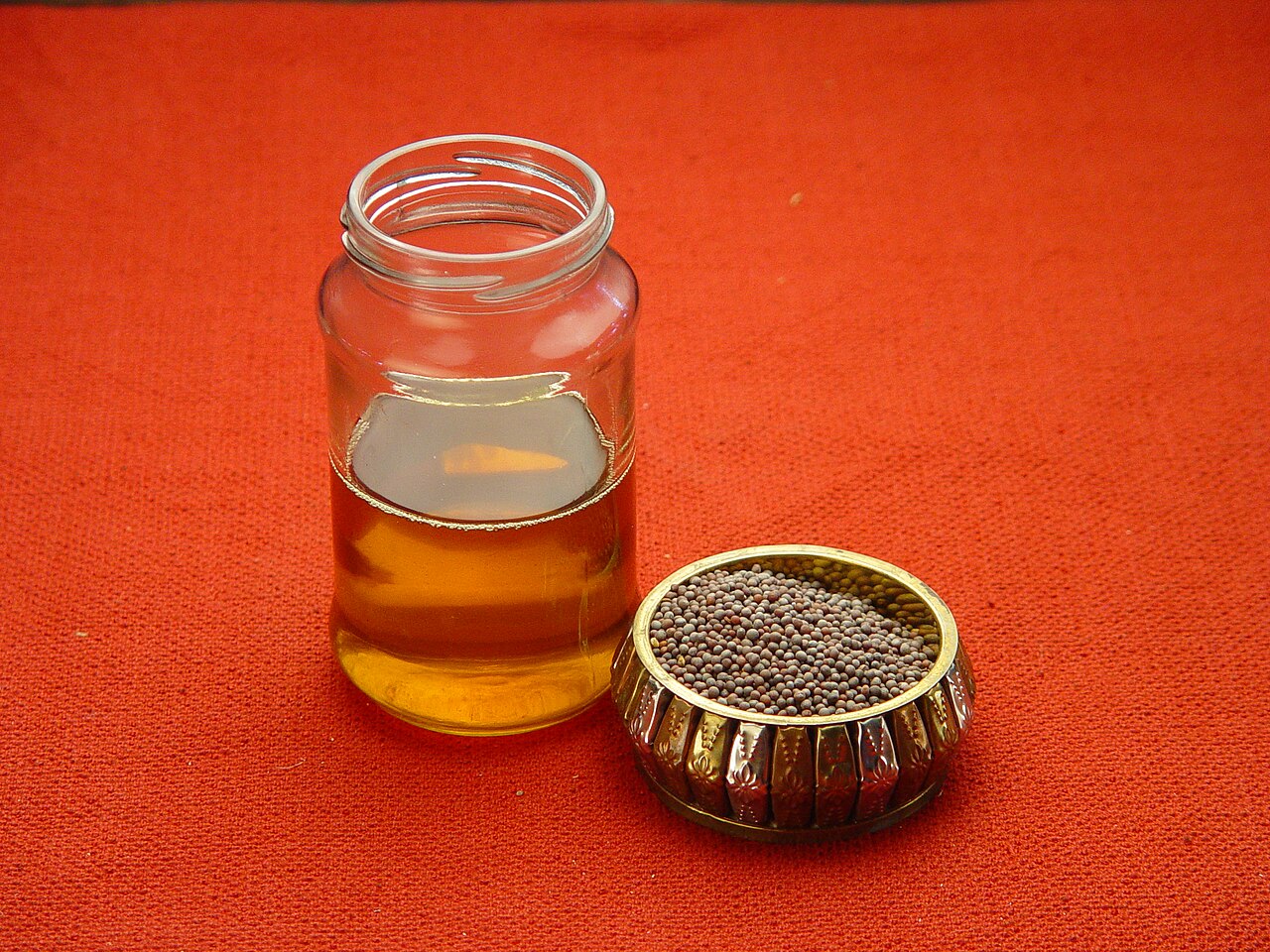
India's edible-oil companies are considering raising prices by around 7–8 percent ahead of the Dussehra–Diwali festive season as higher import costs squeeze margins, industry sources told the Financial Express, though improved supplies and a possible cut in import duties could limit the increase. It would be the third round since March, after two rises of 5–6 percent that took cumulative increases to 10–12 percent between March and June.
The pressure comes from the landed cost of crude oils: a weaker rupee, elevated freight and insurance, and firm global vegetable-oil prices. Solvent Extractors' Association of India data put crude palm, soybean and sunflower oil landed at Mumbai on 18 September at $1,265, $1,314 and $1,380 a tonne, with palm and soybean 11 percent above a year earlier and sunflower up 7 percent. "The landed cost of crude edible oil has gone up by about 8 to 11%. Businesses may have no option but to pass this on," said Aditya Agarwal, director of Emami Group, whose Emami Agrotech sells the Healthy & Tasty and Best Choice brands.
SEA executive director BV Mehta said global cooking-oil prices had risen 15 percent amid the West Asia conflict while rupee depreciation added another 10 percent, with freight, insurance and exporting countries diverting oils to biofuel all playing a part. Retail prices are already up: mustard, soybean and palm oil averaged Rs 202.62, Rs 166.73 and Rs 192.56 a kg on Monday, according to the Department of Consumer Affairs, 7.5, 13 and 19 percent above a year earlier.
India imports more than 58 percent of its edible oil, and palm, soybean and sunflower oils cover most of its annual consumption of about 25–26 million tonnes, so domestic prices track global markets and the rupee. Vessel arrivals are expected to improve availability, and the government is said to be considering cutting import duties on vegetable oils. The industry is also watching El Niño, uncertainty over sunflower supplies from the Russia–Ukraine conflict and Indonesia's B50 biodiesel programme. "If crude oil remains elevated and geopolitical risks persist, price increases in edible oil cannot be ruled out," said Shrikant Kanhere, managing director and chief executive of AWL Agri Business. Bangladesh, which imports most of its soybean and palm oil from the same origins, faces the same landed-cost arithmetic. Reporting by Sandip Das and Viveat Susan Pinto.
Photo: Biswarup Ganguly / Wikimedia Commons (CC BY 3.0)
Source: Financial Express Agriculture


Comments
(0)