
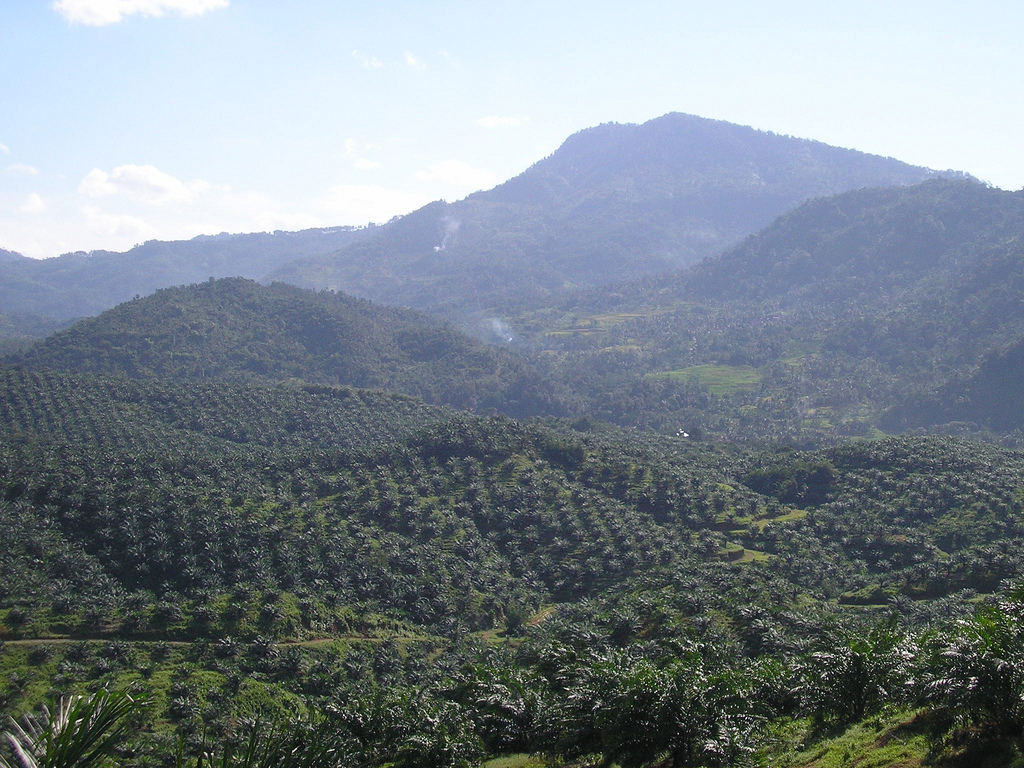
India's demand for edible oil is projected to reach around 30 million tonnes by 2031, while domestic production is expected to rise only to 13.5-14 million tonnes, leaving a gap of 16-17 million tonnes to be filled by imports, according to Atul Chaturvedi, chairman of the Asian Palm Oil Alliance (APOA) and past president of the Solvent Extractors' Association of India (SEA).
Chaturvedi presented the outlook at the 22nd Indonesian Palm Oil Conference and 2027 Price Outlook in Bali on 12-13 November. He said imports have stayed broadly flat at 16.5-17 million tonnes a year and would rise only marginally, with extra demand increasingly met from domestic oilseeds. In the November 2025-October 2026 oil year India imported about 16.94 million tonnes, around 5% more than a year earlier.
Palm oil made up 8.22 million tonnes of those imports, soybean oil 5.76 million tonnes, sunflower oil 2.84 million tonnes and rapeseed oil 0.12 million tonnes. Palm oil's share has fallen to 48%, with soft oils at 52%. Malaysia (3.32 million tonnes) and Indonesia (3.25 million tonnes) remain the main palm oil suppliers, and India has added Thailand and Colombia as sources and raised soybean oil imports, including from China.
Chaturvedi said geopolitics now drives supply and prices. The Russia-Ukraine conflict disrupted sunflower oil shipments through the Black Sea, tensions in the Middle East raised freight and energy costs, and Indonesia's biodiesel mandate and export policies have moved palm oil prices. El Nino is hurting palm output in Southeast Asia, with estimates pointing to a possible 2 million tonne cut in Indonesian production, while poor rainfall and drought in India have hit soybean and groundnut.
Two national missions are behind target, he said. The National Mission on Edible Oils-Oilseeds, launched in October 2024 with Rs 10,103 crore over seven years, aims to raise oilseed output from 39 million to 70 million tonnes by 2030-31; Chaturvedi called the allocation inadequate and progress not very encouraging. The oil palm mission targeted one million hectares by 2025-26, but only 0.65 million hectares have been planted and crude palm oil output is about 0.6 million tonnes.
Since 24 September 2026 India has cut import duties on crude palm oil and soybean oil by 5 percentage points and on sunflower oil by 10 points, leaving effective duties of 11%, 11% and 5.5%, with palmolein at 30.25%. Indians consume about 18 kg of edible oil a head a year, nearly 20 kg with butter and ghee. Chaturvedi said edible oils had become a strategic food security issue and urged diverse import sources, stronger domestic output and flexible trade policy.
Photo: Achmad Rabin Taim / Wikimedia Commons (CC BY 2.0)
Source: Rural Voice

Comments
(0)