
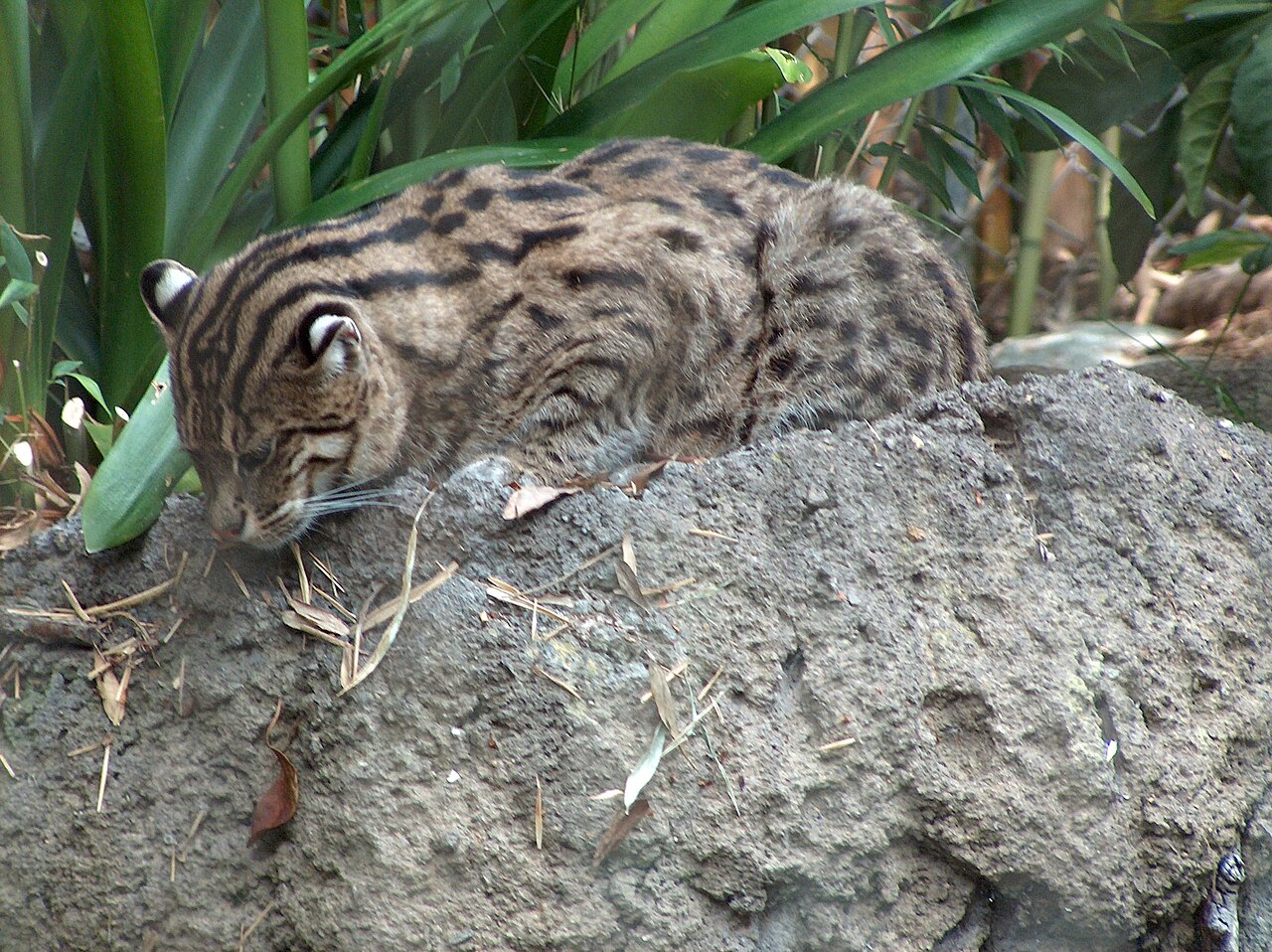
Howrah district in West Bengal is rich in wildlife but has never had a social forestry range, unlike neighbouring Hooghly's Arambagh. In a report by Ei Samay's Uluberia correspondent Rakib Iqbal, environmental activists warn that without a protected forest the district could lose the state animal, the fishing cat, along with jungle cats, civets, the Himalayan crestless porcupine and monitor lizards.
Fishing cats and other wild animals are seen in Panchla, Domjur and Jagatballavpur under the Urban range, and in Amta, Bagnan, Shyampur and Uluberia under the Uluberia range. Many animals die every year on roads or in conflict with people; the forest department and green groups are working on it, but deaths are not falling. Lakhs of trees are planted every year, yet no forest is being created for wildlife.
'To keep Howrah's wildlife alive, we have demanded a protected forest,' said Samrat Mondal, president of the Howrah District Joint Environment Forum. He proposes identifying sites for community forests and building a rescue and rehabilitation centre, noting that the district has plenty of vacant government land.
A former forest official said social forestry is hard in densely populated Howrah, as a forest needs at least 200 to 300 acres. Under the previous government, a sanctuary for fishing cats on the riverbanks of Bangalpur and Haturia-2 gram panchayats in Bagnan was planned but stalled.
Activists recall that Howrah won the Indira Priyadarshini Vrikshamitra award from India's environment and forest ministry in 1992 for social forestry, when the forest department played a major role between 1987 and 1997, and ask why it cannot be done now. The fishing cat is also a threatened species of Bangladesh's wetlands.
Photo: Mike R / Wikimedia Commons (CC BY-SA 3.0)
Source: Ei Samay

Comments
(0)