
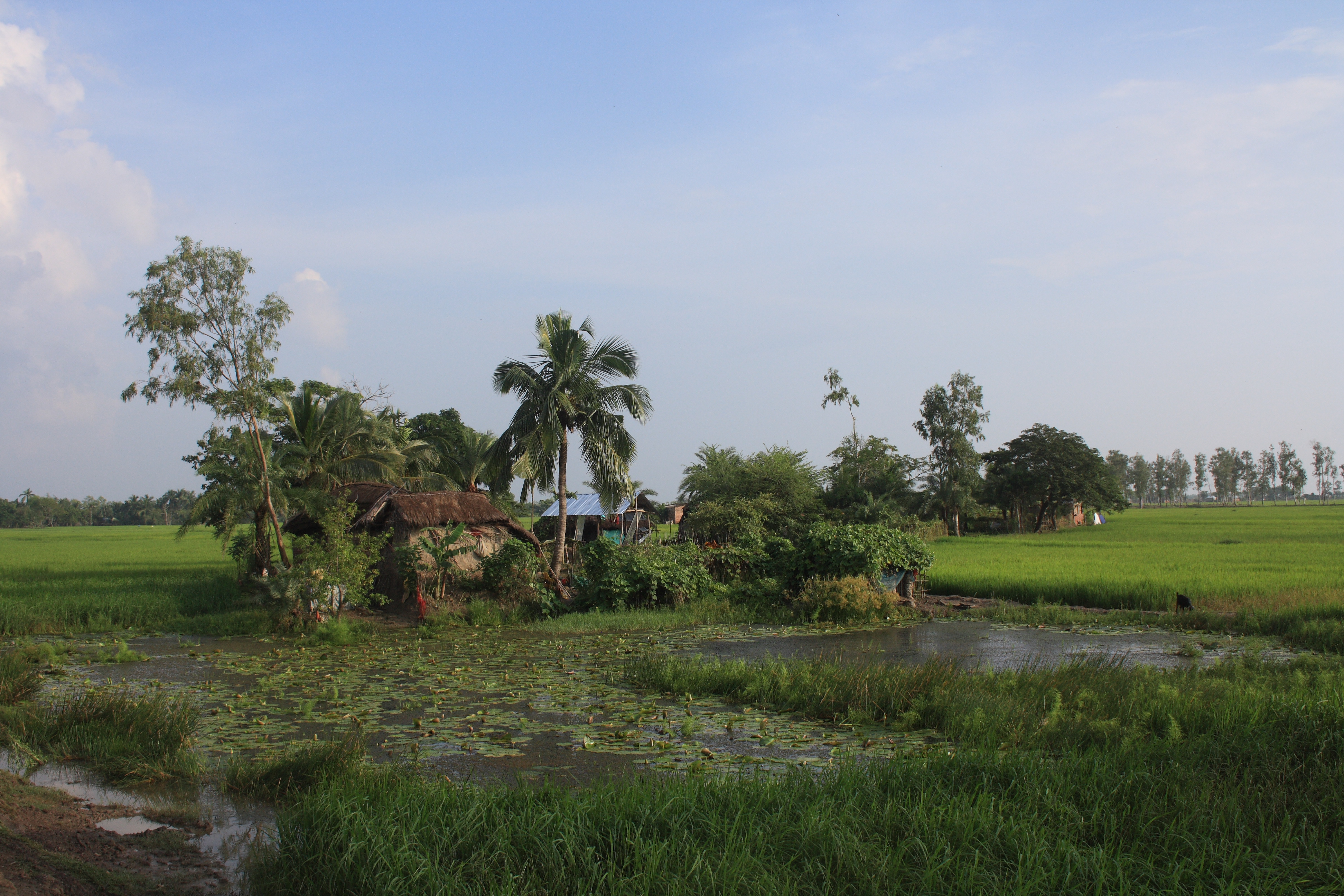
Women of self-help groups in Hingalganj block, in North 24 Parganas district of the Indian state of West Bengal, were making a profit from farming fish by organic methods under a project the block administration named 'Jalpari' (water nymph). On 1 January 2019 the Kolkata daily Anandabazar Patrika reported from Basirhat that about 300 families, most of them women, had joined the work in 2017 and, according to administration sources, made a profit of about Rs 2 lakh in a year. At a meeting on the project, the block administration promised the women a range of support.
Fish instead of crops on land ruined by Aila
Administration sources told Anandabazar that after Cyclone Aila much of the land in remote parts of the Sundarbans had become infertile. About a year earlier, some residents of Gobindakati panchayat in Hingalganj decided, with the backing of the block administration and the panchayat samiti, to farm fish organically on that land instead of growing crops. Women of 30 self-help groups started the work. Hingalganj joint BDO (block development officer) Saugata Biswas said: "Many families have benefited from organic fish farming."
Aila was a severe cyclonic storm that formed over the Bay of Bengal in May 2009 and caused extensive damage in India and Bangladesh. In West Bengal its storm surge breached at least 100 river embankments, and 20 of the 22 blocks of North 24 Parganas were hit. Reporting from Gosaba in neighbouring South 24 Parganas in 2011, The Hindu described saline river water pouring in for miles through broken mud embankments and standing for over a month; it flooded freshwater ponds and killed many kinds of fish, and the salt left in the soil meant paddy could not be grown for two years.
How the organic method works
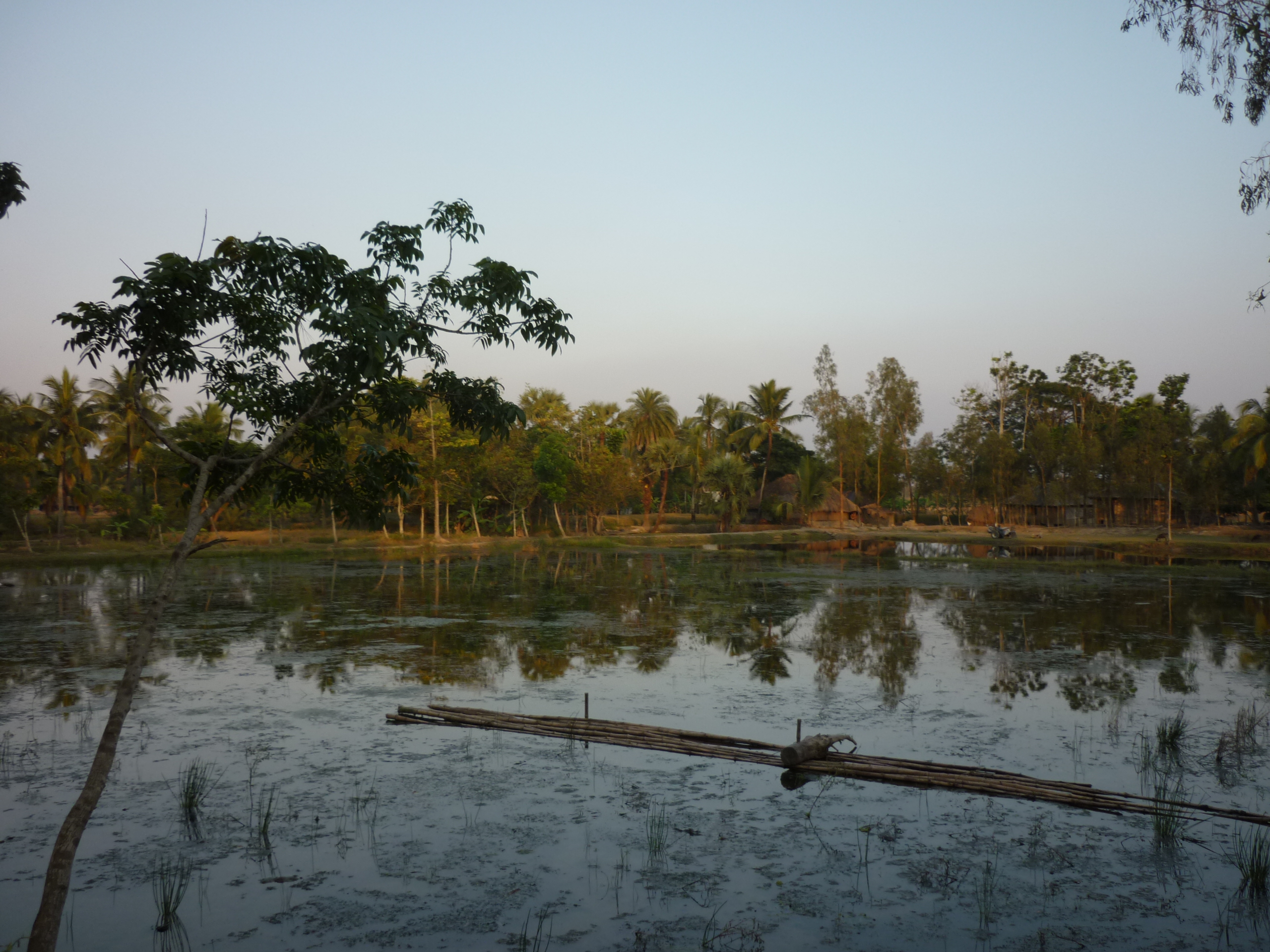
A woman from one of the self-help groups explained to Anandabazar that other methods usually rely on urea, potash and other chemical fertilisers, which make fish grow faster than normal. The organic method uses no chemicals at all; the ponds are fed with cow dung, oil cake, lime, gram flour and broken rice with bran instead. In her words, the fish grow naturally this way and are also safe to eat.
Bilasranjan Mondal, a doctor who lives in Gobindakati, said: "I have eaten this fish. It is very tasty, and healthy too. But because it is farmed organically, the price is slightly higher."
Women ask for market access as the block plans to expand
The pradhan of Gobindakati panchayat and the BDO and joint BDO of Hingalganj had recently met the women to discuss what was working and what was not, including how to get the fish to markets quickly. The women said they benefited greatly when the administration supplied fish and other inputs. Speaking for one group, Swapna Majhi said they had gained from the project, and that what they needed now was government help and access to particular markets in town to sell their fish.
The block administration said it would link the project with other departments and promised the women every facility for fish farming. Block sources said that if the Gobindakati project succeeded, Jalpari would be started in the Bishpur, Rupmari and Jogeshganj panchayat areas as well. The administration was also looking at sending the fish to markets in Hingalganj and across Basirhat subdivision.
Where Hingalganj is
Hingalganj is a community development block in Basirhat subdivision of North 24 Parganas. Surrounded by rivers, it borders Kaliganj and Shyamnagar upazilas of Satkhira district in Bangladesh to the east and the Sundarbans to the south. The block covers 238.80 square kilometres and has nine gram panchayats, among them Gobindakati, Bishpur, Rupamari and Jogeshganj. The 2011 Census of India counted 174,545 people there. It is one of six blocks of North 24 Parganas that lie within the Sundarbans area.
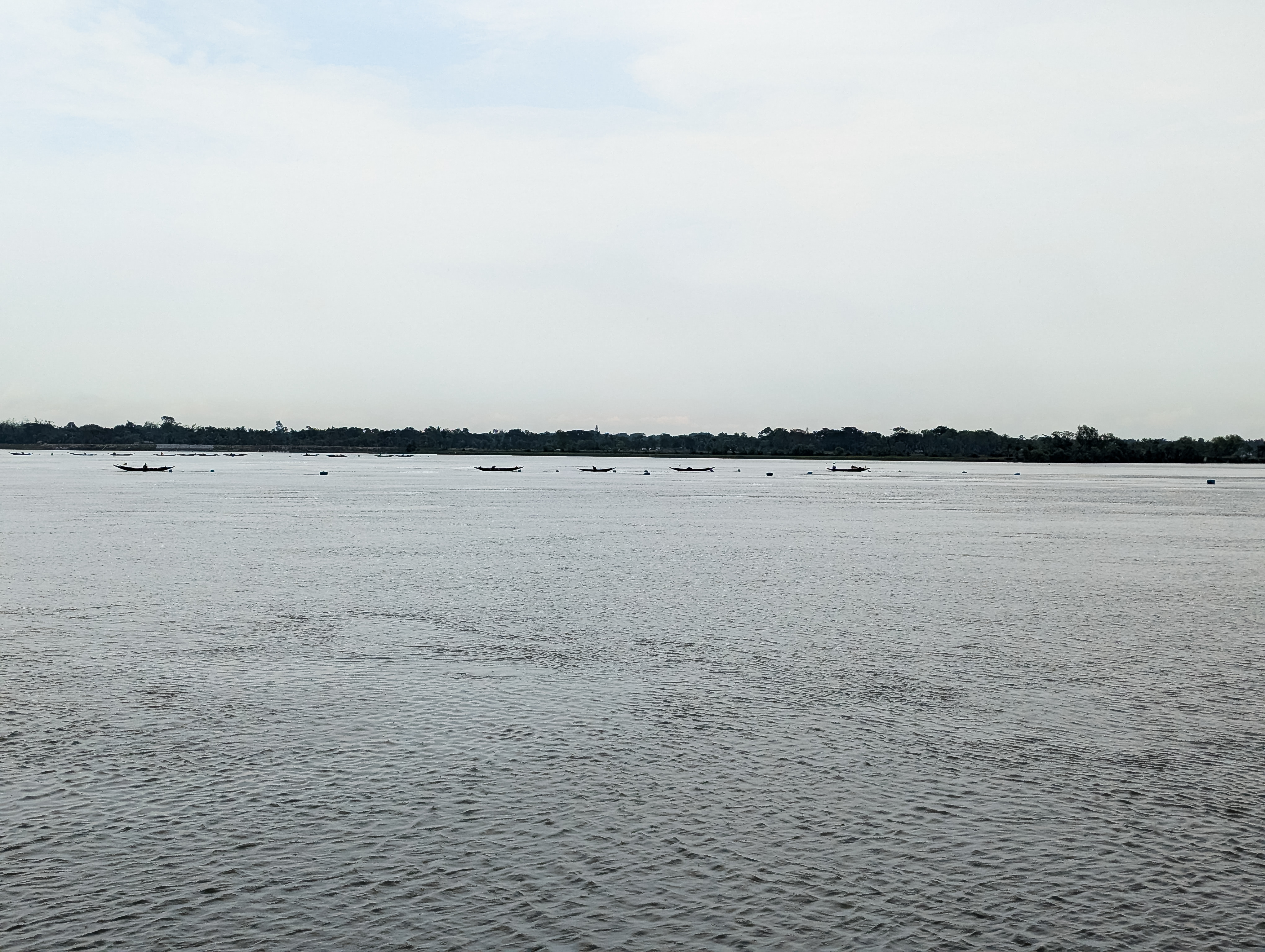
Photo: Arne Hückelheim / Wikimedia Commons (CC BY-SA 3.0)
Sources: Anandabazar Patrika, The Hindu, India Water Portal, Wikipedia (Hingalganj block, Cyclone Aila)
Comments
(0)