
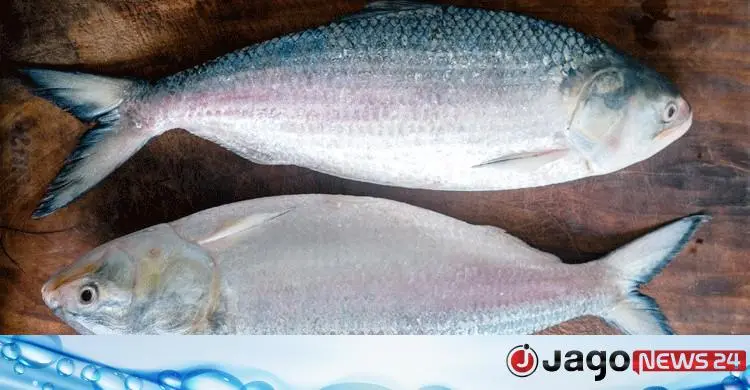
Hilsa is not just a fish; it is a name bound up with Bengali emotion. The smell of hilsa fills the Bengali kitchen, and fried hilsa, hilsa in mustard or hilsa curry on the plate brings its own joy. Alongside its taste, though, there is much discussion about its nutritional value.
Because the fish is relatively oily, many ask whether eating hilsa raises cholesterol, and whether it is healthy to eat it every day.
What hilsa contains
Hilsa can be counted among nutritious fish. Every 100g of hilsa may contain about 20 to 22g of protein, which plays an important role in building and repairing muscle.
Hilsa is also relatively high in fat, but not all fat is harmful. The unsaturated fat and omega-3 fatty acids in hilsa can be good for health. It also contains vitamins A and D, various minerals and other nutrients the body needs.
One of hilsa's strengths is its high-quality protein. As part of a regular balanced diet, the fish can help build muscle and meet the needs of the body's cells.
The omega-3 fatty acids in hilsa are also good for the heart. Adequate omega-3 intake can help control some harmful fats in the blood and have a positive effect on heart health.
Omega-3 from fish is also important for the normal functioning of the brain and nervous system, and various nutrients in fish can help maintain eye health and normal skin structure.
Cholesterol and portion size
Because hilsa is oily, many heart patients and people worried about cholesterol avoid it. But not all of hilsa's fat is harmful; it also contains beneficial fatty acids such as omega-3.
The most important factors are quantity and cooking method: cook the fish in moderate oil instead of deep-frying it or cooking it in excess oil. People with heart disease, high cholesterol or another chronic illness should set their diet on the advice of a doctor or nutritionist.
However much you love hilsa, there is no need to eat it every day. It is more important to keep a variety of fish, eggs, lentils, vegetables and other nutritious foods in a balanced diet. Eating one or two pieces of fish two or three times a week will do no harm, and eating hilsa in moderation from time to time can generally be part of a healthy diet. How much to eat depends on a person's age, physical condition, overall diet and needs.
Pregnancy
During pregnancy, it is important to consider the level of mercury in different species of fish, as a build-up of this metal in the body can cause problems. So it is better for pregnant women not to eat too much hilsa; if they do, they should eat fish in the amount and variety advised by a doctor or nutritionist.
There is no reason to fear hilsa, nor any need to overeat it. Eaten in moderation, cooked in a healthy way and with your own health in mind, this favourite monsoon fish can be part of a tasty and nutritious diet.
The story drew on the American Heart Association, Health Center and the Hindustan Times.
Source: Jagonews24. First published in Bengali on The Agro News.


Comments
(0)