
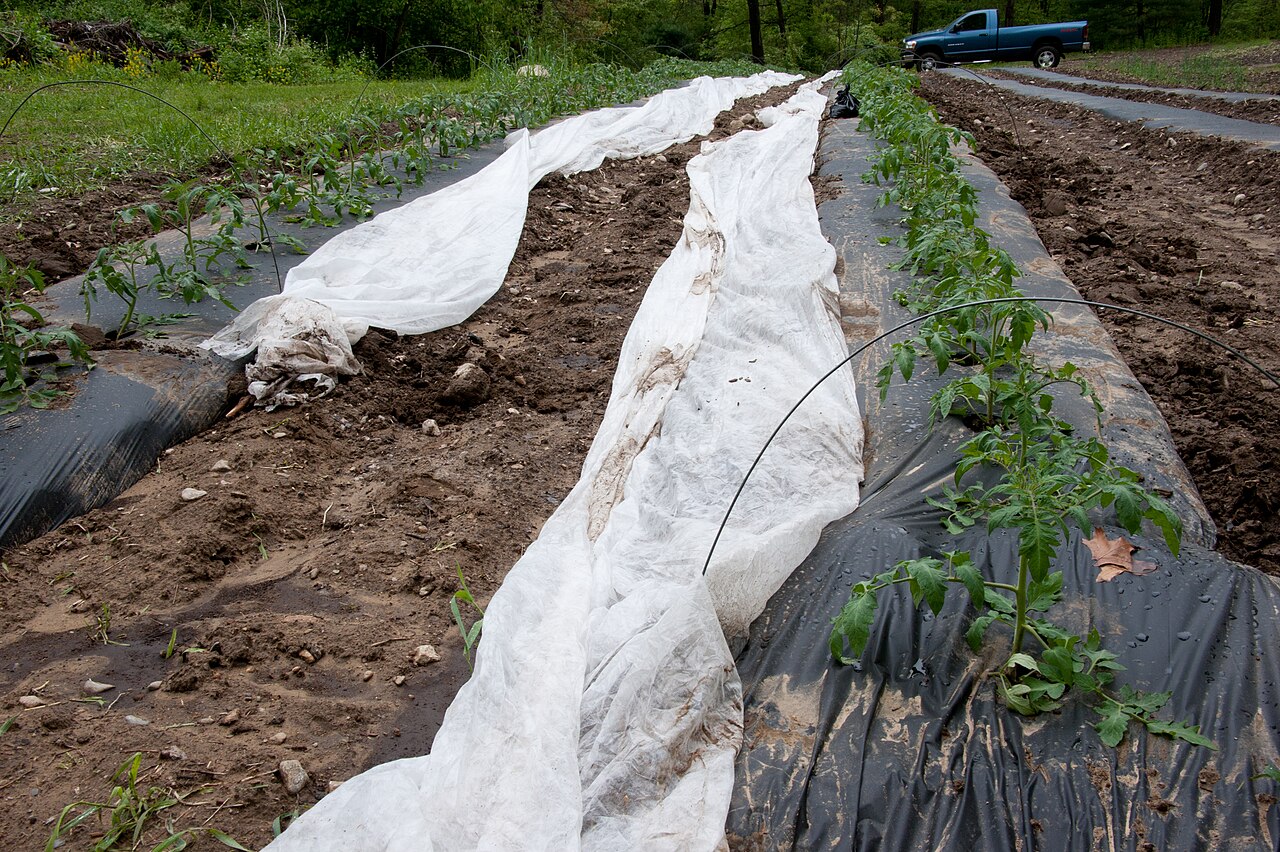
Heritable Agriculture has teamed up with Japanese food company Kagome on a research programme to find genes that could protect tomatoes against a major disease and bring that resistance into commercial varieties. The work, for now limited to tomatoes, combines Kagome's germplasm, breeding expertise and research data with Heritable's AI-based genomic analysis.
The aim is to identify genes linked to both resistance and susceptibility, then use the promising resistance genes in Kagome's breeding programmes. "The specific goal is to find genes that are important for disease resistance and susceptibility and use them in Kagome's breeding program to develop new resilient varieties," a Heritable spokesperson told AgNavigator. Success would mean introgressing the resistance into several Kagome cultivars.
The companies would not name the first pathogen, describing it only as a major threat to the tomato industry, and gave no figure for the losses involved beyond saying they could be very substantial.
Heritable's platform integrates biological datasets, including DNA, RNA and phenotypic data, and uses AI to search them for candidate genes behind valuable traits. Starting in 2026 it will apply that to Kagome's genetic resources. The case for the approach is that traditional breeding takes considerable time and money to locate useful genes, while changing climate and growing conditions are raising disease pressure on crops and breeders must keep yield and quality as they add resistance. "Crop losses caused by diseases and pests remain one of the most significant challenges facing agriculture today," said Heritable chief executive Brad Zamft.
Hiroyuki Ueda, head of Kagome's Global Agri Research and Business Center, said new technology is needed to deal with crop diseases. The partnership follows a 2025 investment in Heritable by the Sunrise Fund, Kagome's corporate venture vehicle run with SVG Ventures through its US subsidiary GARBiC USA, and staff visits between the two companies over the past year. Both describe the tomato project as the first phase of a broader relationship that may extend to other crops.
The report was written by Oliver Morrison for AgNavigator.
Photo: Dwight Sipler / Wikimedia Commons (CC BY 2.0)
Source: AgNavigator


Comments
(0)