
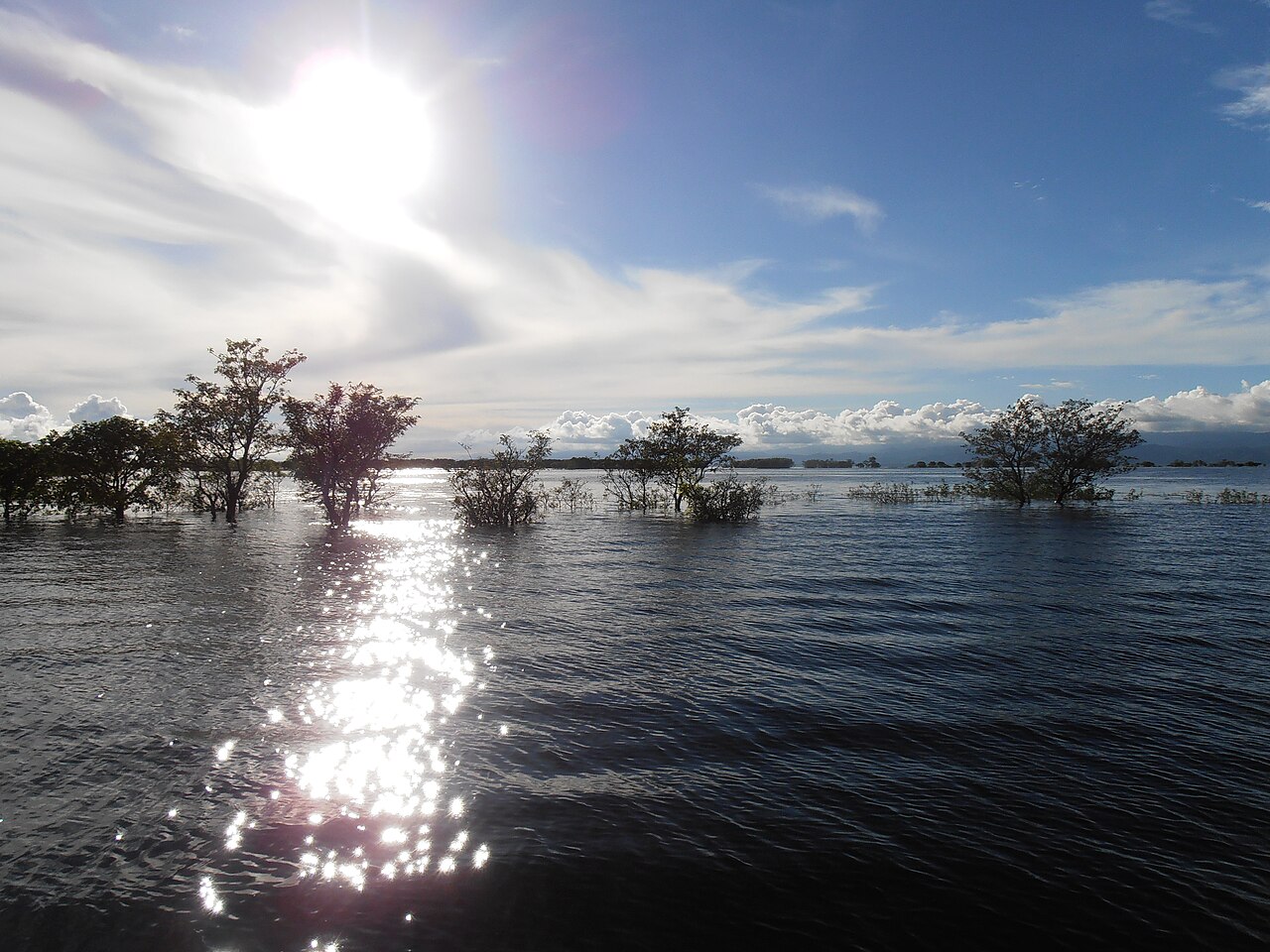
Bangladesh's fisheries, which supply about 60 percent of the country's animal protein, are still producing more fish each year, but growth has slowed to its lowest in five years. Dainik Bangla's analysis of Bangladesh Bureau of Statistics and Department of Fisheries data shows output reached 5,119,000 tonnes in FY2024-25 while growth fell to 1.85 percent.
Production was 4,621,000 tonnes in FY2020-21 (growth 2.62 percent), 4,759,000 tonnes in FY2021-22 (2.98 percent) and 4,915,000 tonnes in FY2022-23 (3.28 percent). In FY2023-24 output reached 5,018,000 tonnes but growth dropped to 2.11 percent, and to 1.85 percent in the latest year. Commercial culture in closed water bodies has kept total production rising, but falling marine catches and the decline of open inland waters are dragging growth down.
Commercial farms carry the gains. Mymensingh district alone supplies about 12 percent of the country's fish: 418,645 tonnes in FY2024-25, worth about Tk 12,500 crore. But the soaring price of imported feed ingredients and higher costs of fingerlings, electricity, transport and labour are squeezing smallholder margins. In some areas farmers are turning to solar-powered automatic aerators and fast-growing varieties such as G-3 rui to hold output up.
Open waters tell the opposite story. In Tanguar Haor, the Ramsar wetland in Sunamganj, successive studies by IUCN and fisheries scientists found 141 fish species in 2007, 134 in 2015, 93 in 2022 and only 76 in 2024. Native fish such as chital, nanid, mahseer (mohashol) and baghair are now close to disappearing there.
The report lists the causes as the unchecked use of banned 'China duari' and 'kiranmala' traps, poisoning and electric shocks that kill fry, unplanned embankments and roads, pollution from engine boats and coal transport, and siltation that has made rivers and beels shallower. Bird visits to Tanguar Haor have fallen by about 77 percent in a decade; the 2025 count found some 22,500 birds.
Globally, farmed fish now lead. FAO's The State of World Fisheries and Aquaculture 2026 puts 2024 production of fish and aquatic foods at a record 188.2 million tonnes, of which 103.3 million tonnes came from aquaculture, with annual per-capita consumption at 20.7 kg.
Experts quoted in the report call for declaring key beels permanent fish sanctuaries, dredging rivers and canals, restoring haor swamp forests, setting up beel nurseries to release native fry, stepping up deep-sea exploration, producing more fish feed at home, and building a market from farmer to consumer with fewer middlemen.
Reported by the Dainik Bangla desk.
Photo: Munirul Hasan / Wikimedia Commons (CC BY-SA 4.0)
Source: Dainik Bangla
Comments
(0)