

The haor is a quiet mainstay of Bangladesh's food security; its boro paddy supplies a large share of the country's rice. Yet year after year, natural disasters, mismanagement, market syndicates and policy gaps leave haor farmers living in a kind of permanent uncertainty. Recently, too, heavy rain and hill runoff from upstream have submerged paddy on thousands of hectares, raising fears of a shortfall in national output.
Haor farming depends on nature. There is only one crop a year, boro paddy, so a farmer's whole livelihood rests on it. But early floods, weak embankments, unplanned infrastructure and obstructed water flow often leave ripe paddy under water. Research and reports say unplanned and poorly built embankments and their breaches often increase the scale of the damage. The picture repeats every few years, but no effective protection has been built.
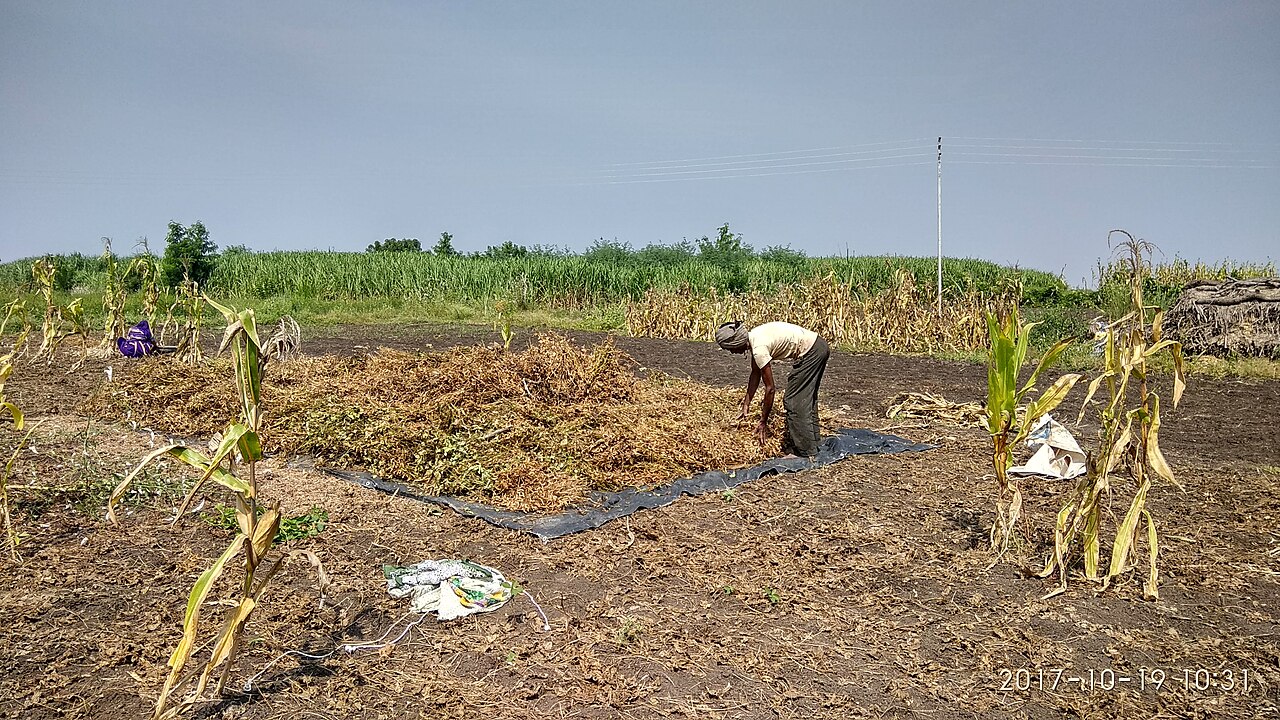
Besides failing to protect the crop, another big problem is harvesting and storage. In the rain there is nowhere to dry paddy, and harvested grain spoils for lack of modern warehouses. Even recently, harvested paddy has been seen rotting without enough drying and storage. Farmers are forced to sell cheaply, and middlemen and syndicates active in the market profit.
What farmers are asking for
That is why it is vital to buy paddy directly from farmers during the procurement season, without middlemen. The capacity of government warehouses must be increased and marginal farmers' participation ensured so they can sell their crop at a fair price. Building a digital and transparent marketing system could also break the market syndicates.
Haor farmers have long made other important demands: permanent repair of weak embankments and lasting protection, better early flood warning, and implementation of an integrated haor management master plan. They have also repeatedly called for more farm mechanisation, enough combine harvesters, and quick harvesting with the help of the administration and the army in emergencies.
Economic security matters greatly too. Without loans on easy terms, farmers often borrow at high interest, which puts them in more danger. So there have long been demands for crop-pledge loans, waiving or rescheduling the loans of affected farmers, and crop insurance, which would give farmers at least some protection from the risk of natural disaster.
Calls have also been made at various times for cash and food aid in emergencies and for quick rehabilitation based on lists of affected farmers. But these mostly remain temporary measures; long-term structural change is rarely seen.
A sensitive economy
Most importantly, development in the haor has been confined to roads or big projects. Planning must fit the region's nature, water flow, farming and way of life, because the haor is not just a geographical area but a sensitive, environment-dependent economy where even a small policy mistake can bring disaster to thousands of farmers.
A farmer does not see his land only as a place of production; it is his existence, the basis of his survival. When that foundation collapses again and again, not only the farmer but the whole country's food system is at risk. Saving haor farming and farmers needs not piecemeal steps but integrated, practical, farmer-centred policy and effective implementation.
The writer is a central joint coordinator of the NCP's farmers' wing.
Source: Jagonews24. First published in Bengali on The Agro News.

Comments
(0)