
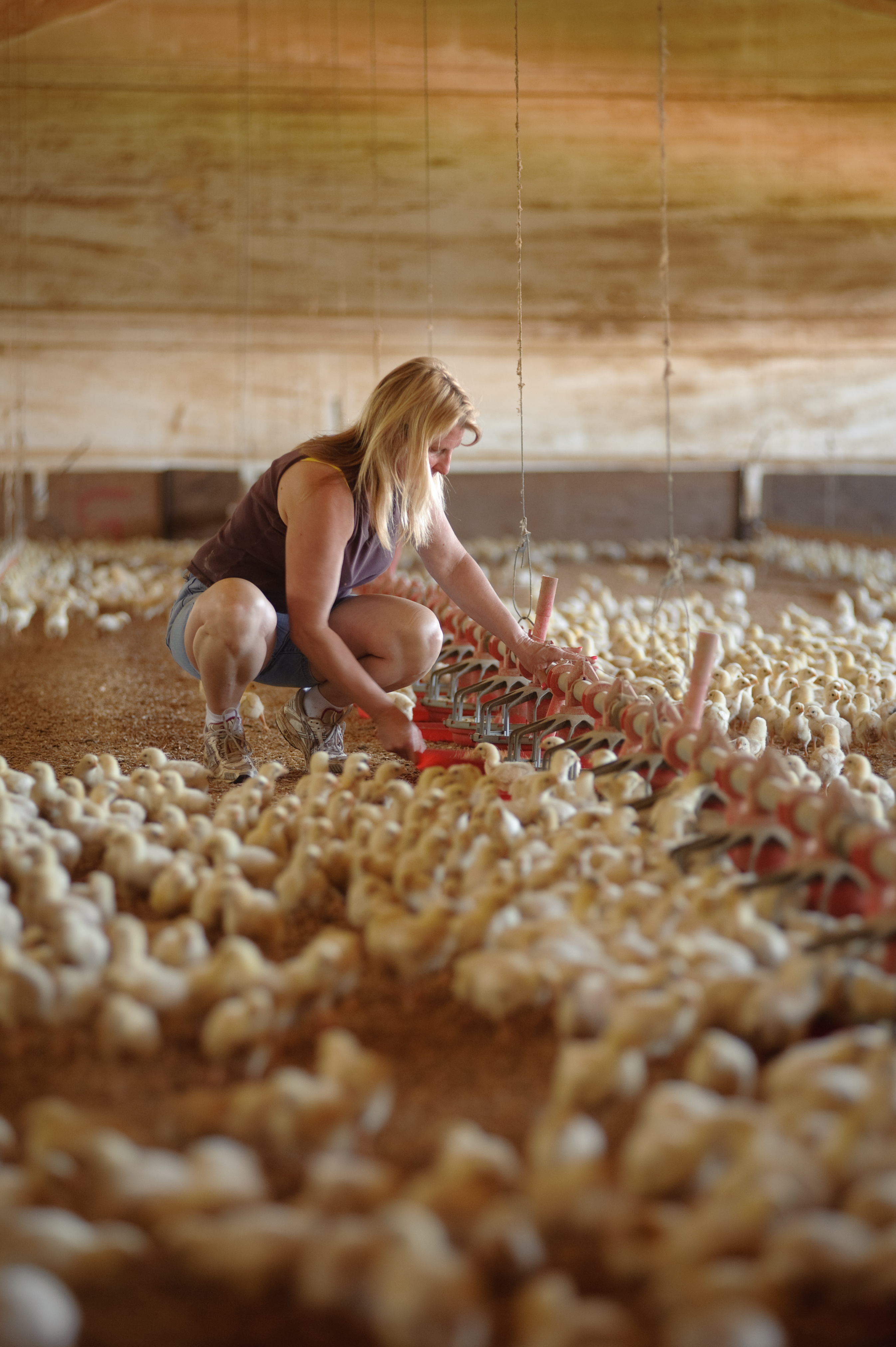
A broiler farmer walks into his shed one morning and finds birds that were eating well the day before now huddled, feathers ruffled, vents soiled with wet droppings. Within two or three days the dead birds pile up, and then, almost as suddenly, the deaths stop. In Bangladesh many farmers know this pattern by the name Gumboro, and some call it the "AIDS of chickens".
This guide, published by The Agro News in May 2025, explains what Gumboro (infectious bursal disease, or IBD) really is, why the nickname is misleading, how it shows itself in a flock, what research in Bangladesh had found about it, and how vaccination and farm hygiene keep it out. It draws on the World Organisation for Animal Health (WOAH), the Merck Veterinary Manual and Bangladeshi university studies. It is general information, not a prescription: any sick flock should be seen by a registered veterinarian or the upazila livestock office.
Why farmers call Gumboro "chicken AIDS", and why it is not AIDS
The Agro News's original report explained the nickname simply. Gumboro is a viral disease that kills large numbers of broiler, cockerel, Sonali and layer chickens in Bangladesh, and the flocks that survive suffer immunosuppression: their defences against other diseases are badly weakened, so they rarely give the results the farmer hoped for. Because the disease attacks the immune system, people compared it to AIDS.
The comparison stops there. AIDS is a human condition. The World Health Organization describes the human immunodeficiency virus (HIV) as a virus that attacks the body's immune system by targeting white blood cells, and AIDS as the most advanced stage of that infection. Gumboro is caused by a completely different virus, the infectious bursal disease virus, which belongs to the genus Avibirnavirus in the family Birnaviridae.
The two viruses are not related, and Gumboro is not a danger to people. WOAH's Terrestrial Manual states that IBD has not been reported to have any zoonotic potential, and the animal health laboratory of the government of British Columbia in Canada answers the question "Is IBD zoonotic?" with a plain "No".
What Gumboro is: a virus that targets the bursa
The disease takes its common name from the place it was first found. It was first described in 1962 in Gumboro, a community in the US state of Delaware, and it is also known as infectious bursal disease after the organ it damages.
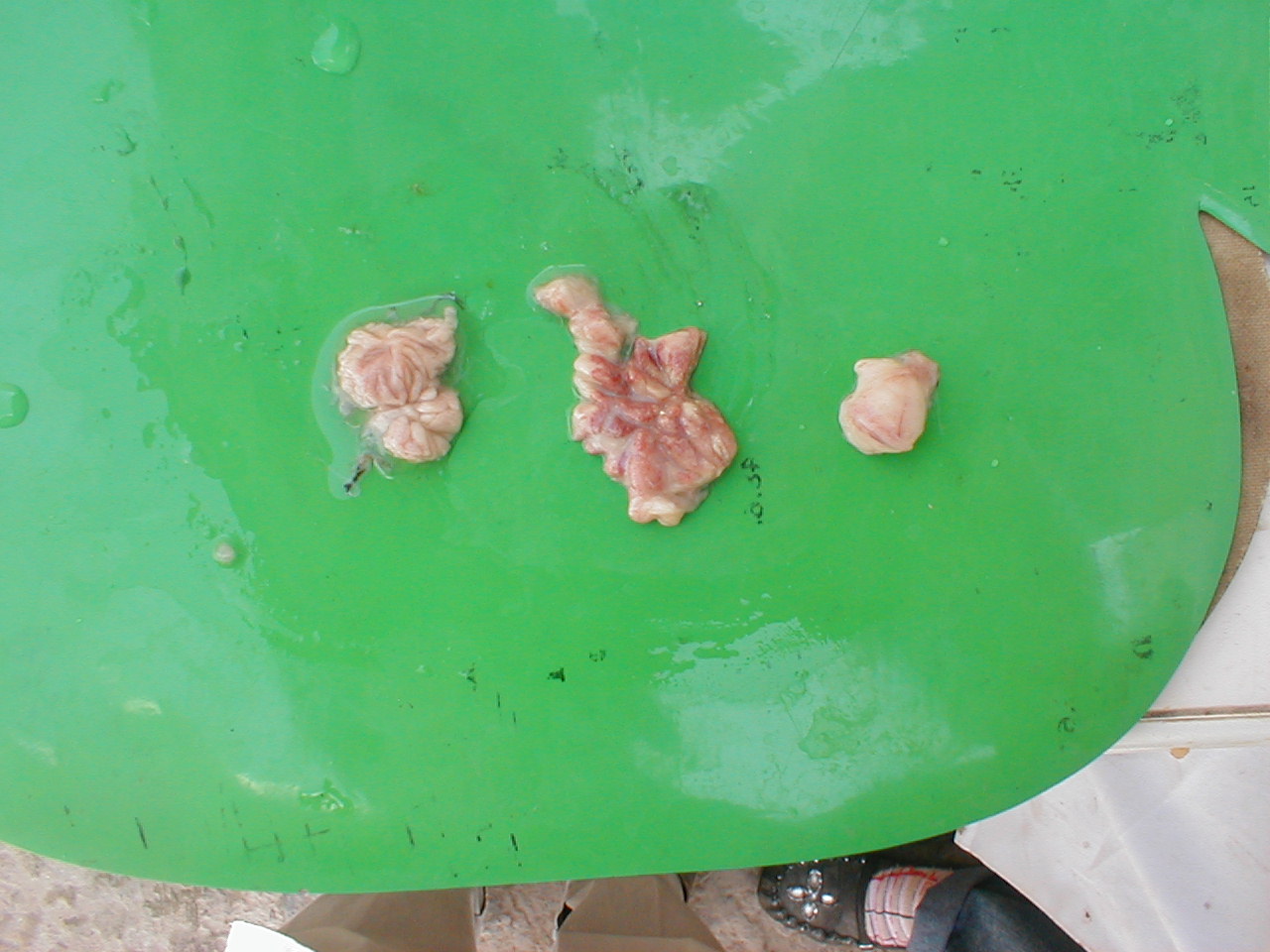
That organ is the bursa of Fabricius, a small pouch that sits on the cloaca, near the vent, of a young chicken. It is where a chicken's B lymphocytes, the white blood cells that go on to make antibodies, mature. The Merck Veterinary Manual, in its September 2024 review, explains that the virus replicates in these immature cells and destroys them; early infections cause "severe, long-lasting immunosuppression" because lymphocytes in the bursa, the thymus and the spleen are lost.
WOAH recognises two serotypes of the virus. Only serotype 1 causes disease in chickens, and all commercial vaccines are made against it. Within serotype 1 there are milder "variant" strains, "classical" strains and "very virulent" strains. According to the Merck manual, very virulent strains emerged in Europe in 1989 and spread to the Middle East, Asia and Africa in the 1990s. WOAH notes that very virulent strains of serotype 1 are now common worldwide and cause serious disease.
Age matters a great deal. WOAH says the virus can infect chickens, turkeys, ducks, guinea fowl and ostriches, but causes clinical disease only in young chickens, usually under 10 weeks old. Severe acute disease is typical at 3 to 6 weeks of age. In chicks of 0 to 3 weeks a milder or hidden (subclinical) form is common, and this is the dangerous one for immunity: WOAH explains that bursal damage in the first two weeks of life can significantly depress the bird's antibody response, while damage after about 15 days of age has little effect on immunity because the immune cells have by then moved out into other lymphoid tissues.
Gumboro in Bangladesh: what researchers had recorded
Gumboro is not new to Bangladesh. A 2012 study in the Journal of Veterinary Science by Md Taohidul Islam and colleagues notes that the virus was first recognised in the country in 1992, and that molecular and antigenic studies of Bangladeshi isolates showed close similarities with the very virulent strains recognised earlier in Europe, Asia and Africa.
Since then, field studies across the country have kept finding it. A study by Dipa Rani Pal and colleagues at Patuakhali Science and Technology University, published in Veterinary Sciences: Research and Reviews in October 2024, followed 45 broiler farms with 36,300 birds in four upazilas of Barishal from 1 July 2023 to 30 June 2024. Based on history and post-mortem lesions, it found an overall IBD prevalence of 15.10 percent and an overall mortality of 4.46 percent.
The Barishal figures varied by upazila: prevalence was 13.28 percent in Banaripara, 13.33 percent in Nesarabad, 19.48 percent in Babuganj and 14.30 percent in Barishal Sadar. Four-week-old broilers were the most affected (53 percent of cases), followed by five-week-old (28 percent), three-week-old (12 percent) and six-week-old birds (7 percent); no cases were found in the first two weeks of age. The authors listed season, the age of the birds, the lack of a vaccination plan, poor biosecurity and inadequate management as the main risk factors, and found that infection increased in winter.
The same paper compared earlier Bangladeshi reports: an overall prevalence of 10.03 percent in Dinajpur, 21.1 percent among broilers in Mymensingh and 24.26 percent among broilers in Sylhet. It also recalled that the IBD problem in Bangladesh began in north Bengal and later became severe across the country, and that outbreaks had been recorded in both vaccinated and unvaccinated cockerel flocks in Gazipur.
Sonali chickens are not spared. Sonali, a cross between Rhode Island Red cocks and Fayoumi hens, was introduced in northern Bangladesh between 1996 and 2000 through two livestock development projects, according to a 2021 study in Advances in Animal and Veterinary Sciences. That study found IBD in 18.51 percent of the Sonali chickens it examined in Kishoreganj between March 2018 and February 2019. A 2017 study recorded IBD in 14.72 percent (38 of 258) of sick and dead Sonali chickens examined in Bogura Sadar upazila.
Vaccinated flocks can be hit too. A Bangladesh Agricultural University team led by Rony Ahmed, publishing in the Journal of Advanced Veterinary and Animal Research in August 2024, detected the virus in 31.16 percent of the field samples it tested and identified reassorted very virulent viruses in vaccinated broilers. The authors concluded these may be one of the major causes of vaccination failure in broilers and that vaccines made from classical strains cannot protect against variant types.
Signs of Gumboro in a flock
The disease moves fast. The Merck manual gives an incubation period of three to four days. WOAH describes a flock with very high morbidity and severe depression in most birds lasting five to seven days. Deaths rise sharply for two days, then fall quickly over the next two or three days. The Merck manual adds that flock morbidity is typically 100 percent and that layer breeds suffer higher mortality than broilers.
The main signs listed by WOAH, the Merck manual and the British Columbia laboratory are:
- watery diarrhoea and soiled feathers around the vent
- ruffled feathers and a dull, depressed look
- reluctance to move, incoordination and trembling
- loss of appetite and dehydration
- birds pecking at their own vent, and inflammation of the cloaca
- prostration and sudden death
How many birds die depends on the strain. WOAH says usually 5 to 10 percent of birds die, but mortality can reach 30 to 40 percent or more with very virulent virus. The Merck manual gives mortality below 10 percent for variant strains, below 40 percent for classical strains and above 60 percent for very virulent strains. Birds that recover usually do so within a week, but their bursas shrink, and the Merck manual warns that such immunosuppressed birds respond poorly to vaccination and are prone to other infections.
The British Columbia laboratory adds that birds infected with less virulent strains have low weight gains. This is what the original report meant when it said affected flocks never give the results expected of them.
What a post-mortem shows and how Gumboro is confirmed
Gumboro has typical signs and lesions, so a veterinarian can often suspect it at a post-mortem. WOAH describes dehydrated muscles with many bleeding spots, enlarged and discoloured kidneys with urates in the tubules, and above all a changed bursa. In birds that die at the peak of the outbreak the bursa is enlarged and turgid with a pale yellow colour, often with straw-coloured fluid around it; in some cases it is completely haemorrhagic and looks like a black cherry. Later in the disease the bursa shrinks.
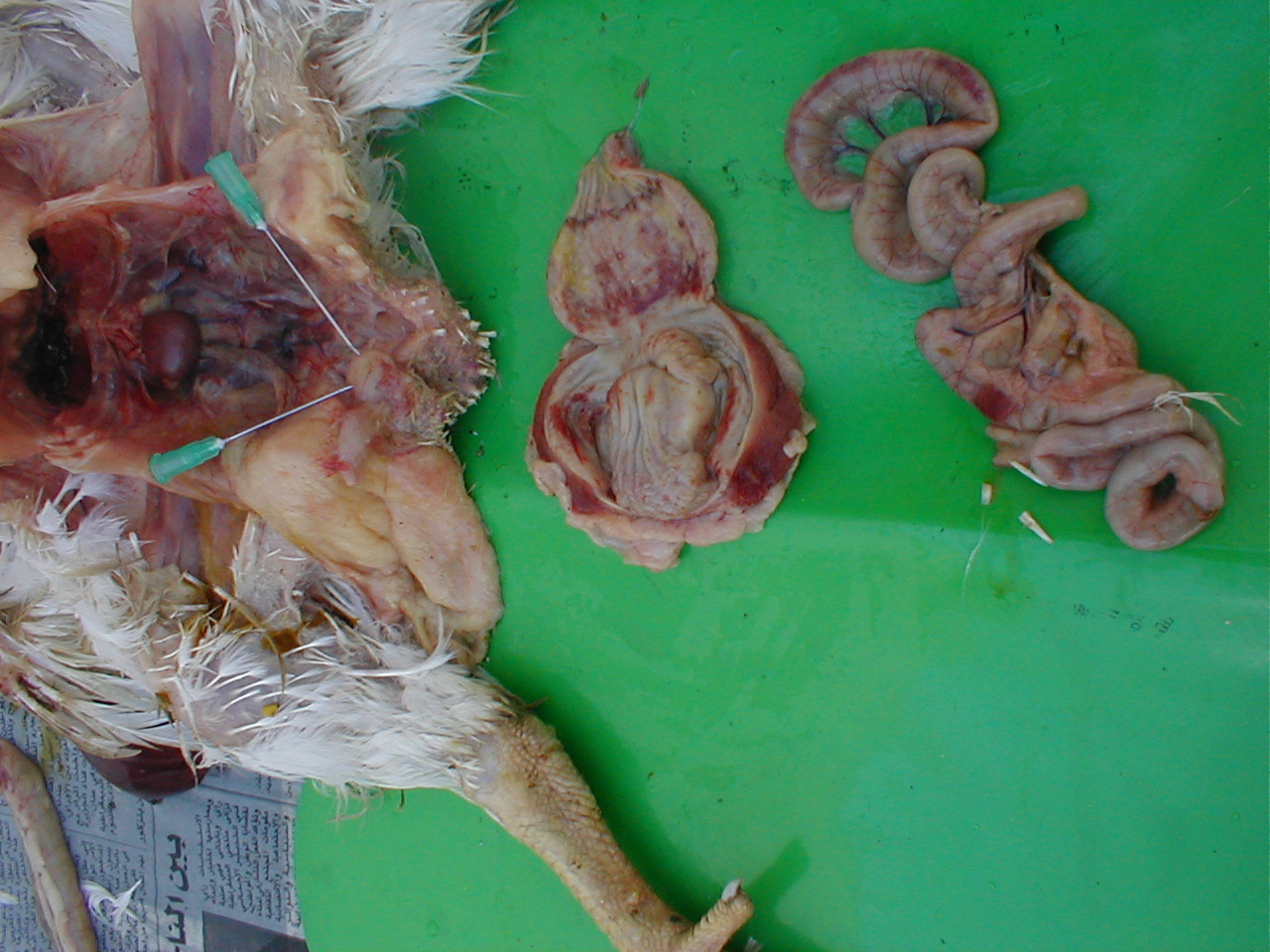
Other diseases can look similar. WOAH lists Newcastle disease (known in Bangladesh as Ranikhet), chicken infectious anaemia and kidney-damaging strains of infectious bronchitis among the conditions to rule out, and says the bursal lesions in the early stage are critical in telling Gumboro apart. Confirmation needs a laboratory: WOAH and the Merck manual describe tests that detect the virus or its genetic material, such as RT-PCR on bursal tissue, and antibody tests such as ELISA. The Barishal study, which found the same lesions in Bangladeshi broilers, also stressed that laboratory diagnosis is needed to confirm the disease.
Is there a cure? What the authorities say about treatment
The original article recommended a specific antibiotic at a set dose in drinking water, along with organic acids and vinegar to help the kidneys. That advice has been removed from this version. The Merck Veterinary Manual states plainly: "There is no treatment for infectious bursal disease." The British Columbia laboratory also says there is no specific treatment, and that good husbandry, including adequate nutrition, a clean environment, clean water and an appropriate temperature, helps chickens recover and avoid secondary infections.
Antibiotics act against bacteria, not against the Gumboro virus. Whether any medicine is needed for a secondary bacterial infection in a weakened flock is a decision for a registered veterinarian who has examined the birds, ideally with a laboratory result, and the dose must come from that veterinarian.
Vaccination: how protection against Gumboro works
Vaccination is the main tool. The Merck manual says control relies on it, and the Barishal authors noted that the Department of Livestock Services (DLS) produces a vaccine for infectious bursal disease and distributes it to farmers at a subsidised rate. The Livestock Research Institute (LRI) at Mohakhali in Dhaka is the livestock vaccine manufacturer and distributor under the DLS. Farmers can ask their upazila livestock office about the DLS vaccine and the schedule suited to their birds.
The timing is the hard part, because of maternal antibodies. Chicks hatched from vaccinated parents carry antibodies from the hen, which protect them early in life but also neutralise a live vaccine given too soon. WOAH advises that when maternal antibodies are present at one day of age, live vaccination should be delayed until they have waned in most of the flock, and that the best schedule can be set by blood testing. The British Columbia laboratory says vaccination of breeder flocks protects young chicks from 1 to 14 days, and that vaccinating chicks as maternal antibodies wane reduces clinical disease and deaths.
WOAH describes four kinds of vaccine:
- live attenuated vaccines, graded as mild, intermediate or "intermediate plus" ("hot"), usually given by spray or in drinking water; the Merck manual also lists eye drop and injection under the skin
- inactivated (killed) vaccines in oil, injected mainly into breeder hens, usually after a live vaccine at about 8 weeks, followed by the killed vaccine at 16 to 20 weeks of age, so their chicks get passive protection for up to about 30 days
- recombinant vaccines carrying the virus's VP2 protein, injected in the egg at 18 days of incubation or at one day old, even when maternal antibodies are present
- immune-complex vaccines, also given in the egg or at hatch
As an example of a field schedule taught in Bangladesh, a 2021 vaccination schedule lecture at Sher-e-Bangla Agricultural University shows an intermediate Gumboro vaccine for broilers at 10 to 12 days of age and again at 24 to 30 days, both in drinking water. Schedules vary with the vaccine, the breed and the level of maternal antibodies, so the one for a given flock should come from a veterinarian or the vaccine label. The Barishal study observed that Gumboro in broilers younger than about 10 days points to protective maternal antibodies, while cases after 30 days of age point to improper vaccination on the farm.
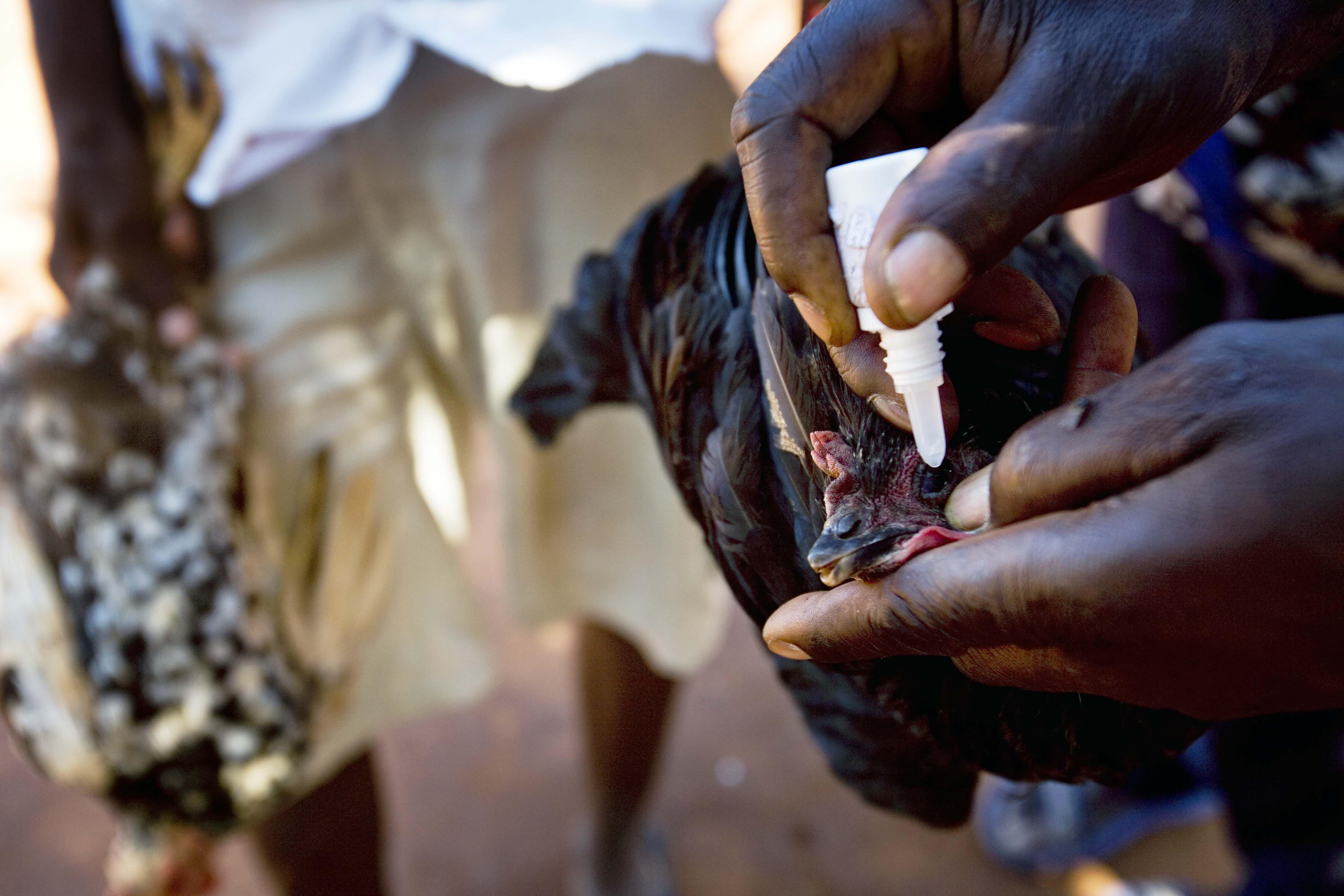
Handling matters as much as timing. WOAH's manual says inactivated IBD vaccine should be stored between 2 and 8 degrees Celsius and should not be frozen or exposed to bright light or high temperature, and that equipment should be cleaned and sterilised between flocks. Only healthy birds should be vaccinated.
Biosecurity: keeping the virus off the farm
Vaccines work best on a clean farm. The Merck manual describes the virus as highly contagious and very stable in the environment, hard to eradicate once a shed is contaminated. It is shed in droppings and carried from house to house on equipment and people. Wikipedia's summary adds that infected birds shed large amounts of virus for about two weeks and that the virus can survive for long periods in housing and water.
The British Columbia laboratory explains that chickens catch it by eating or drinking feed, litter or water contaminated with droppings, and that footwear, clothing, bedding, tools and equipment can carry it. In contaminated barns, darkling beetles, the small beetles often called litter beetles or lesser mealworms, act as reservoirs and keep reinfecting flock after flock. Its biosecurity steps include:
- keep poultry in designated areas and restrict visitors
- use clean footwear before entering poultry areas
- use clean tools and equipment for poultry work
- keep feed and water free of droppings from infected chickens
- follow a pest control programme against darkling beetles
Where Bangladeshi farmers can get help
A farmer who sees sudden depression, watery diarrhoea and a burst of deaths in three- to six-week-old birds should isolate the shed, stop visitors and contact a registered veterinarian or the upazila livestock office of the DLS straight away. Dead birds can be taken for post-mortem examination, and field disease investigation laboratories, such as the FDIL in Barishal where part of the 2024 study was carried out, can help confirm the cause.
The upazila livestock office is also the place to ask about the government Gumboro vaccine, its storage and the right age to give it for broilers, layers and Sonali birds.
Photo: USDA NRCS Texas / Wikimedia Commons (Public domain)
Sources: The Agro News (Staff Correspondent), World Organisation for Animal Health Terrestrial Manual 2024 (Chapter 3.3.12), Merck Veterinary Manual (September 2024), British Columbia Animal Health Centre (February 2024), World Health Organization, Veterinary Sciences: Research and Reviews (Pal et al., October 2024), Journal of Advanced Veterinary and Animal Research (Ahmed et al., August 2024; Talukdar et al., 2017), Journal of Veterinary Science (Islam et al., 2012), Advances in Animal and Veterinary Sciences (Tipu et al., 2021), Sher-e-Bangla Agricultural University, ACDI/VOCA, Wikipedia

Comments
(0)