
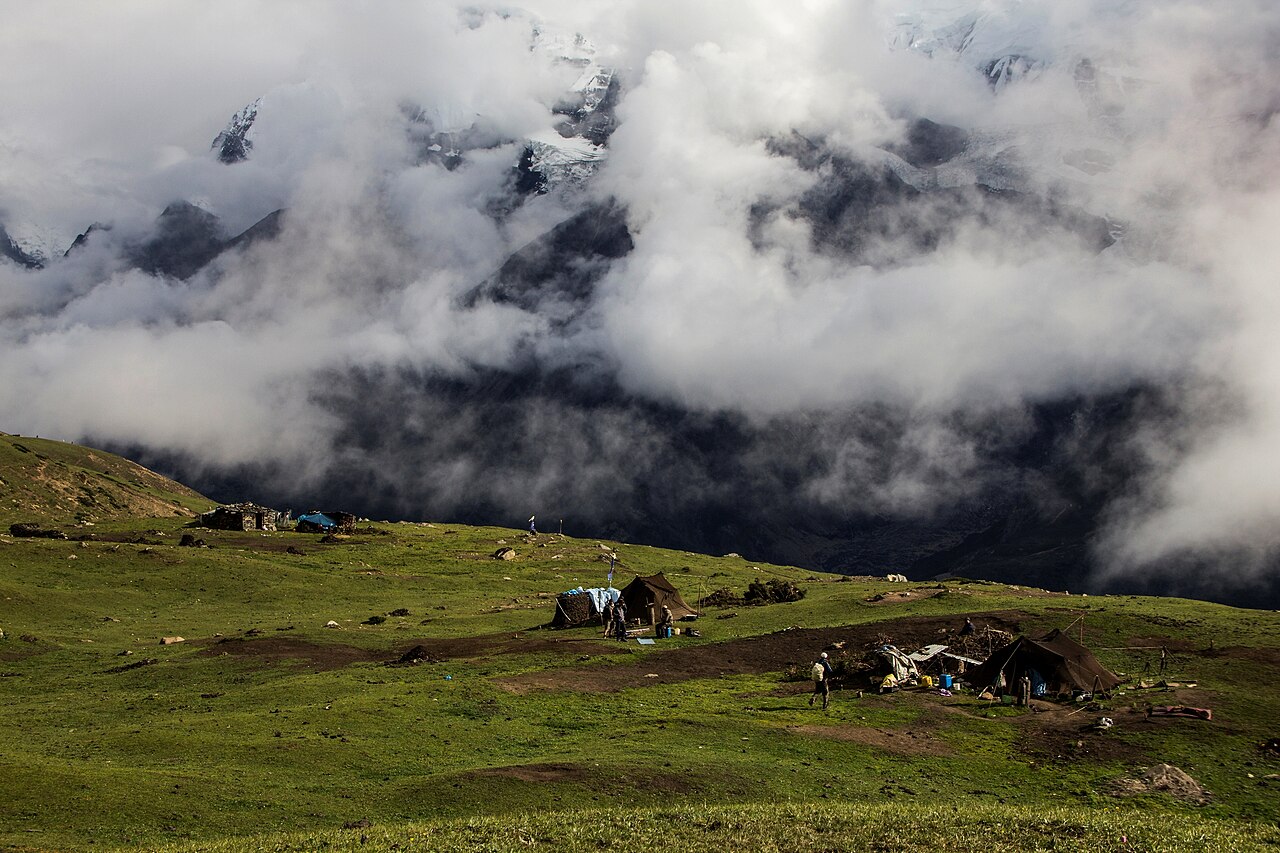
More than 90 women from 40 countries met in Kathmandu, Nepal, for the first Global Gathering of Pastoralist Women, aimed at advancing gender equality, sustainable pastoralism and healthy rangelands. Saskatchewan cattle producer Karla Hicks, who attended, told Glacier FarmMedia that the biggest surprise was the barriers some women face in ranching simply because they are women.
The gathering took place against the backdrop of the International Year of Rangelands and Pastoralists and the International Year of the Woman Farmer. Participants worked with reindeer, camels, water buffalo and yaks, in places from high mountains to arid rangelands. Hicks, whose travel was sponsored by the US non-profit Women in Ranching, later climbed to about 4,200 metres in the Himalayas to visit yak herders.
"In Canada, I own land, I can buy equipment, I can buy and sell cattle, and so many of them can't," Hicks said. Even women who are the main ranchers on their operation, she learned, often cannot own the operation or the livestock. Discussions covered land ownership and inheritance, access to decision-making, education for women, and violence and conflict.
The meeting produced the Kathmandu Declaration, also called Mera +16, an update of the Mera Declaration drafted in Mera, Gujarat, India, in 2010. It is a global call to support pastoralist women's rights and climate justice and to recognise their knowledge in decision-making. Hicks said drafting it was hard because the wording had to fit very different systems: some participants wanted divisive language about feedlots, while women from North America argued that intensive and extensive systems work together. Fencing was another issue, since many pastoralists, as in Nepal, move with their herds.
Women from North America who attended have since formed a regional network. The declaration was later presented for adoption at the separate Global Pastoralist Gathering in Ulaanbaatar, Mongolia, part of the same international year.
"What we do is hard work, but it's good work, and wherever we're from, the proteins we're raising are healthy, safe and nutritious," Hicks said. The article first appeared in the September 2026 issue of Canadian Cattlemen.
Photo: Tsewang Lama / Wikimedia Commons (CC BY-SA 4.0)
Source: AG Canada

Comments
(0)